The Leak Is Fixed. Is the Mold Gone? Why Cleanup Still Matters
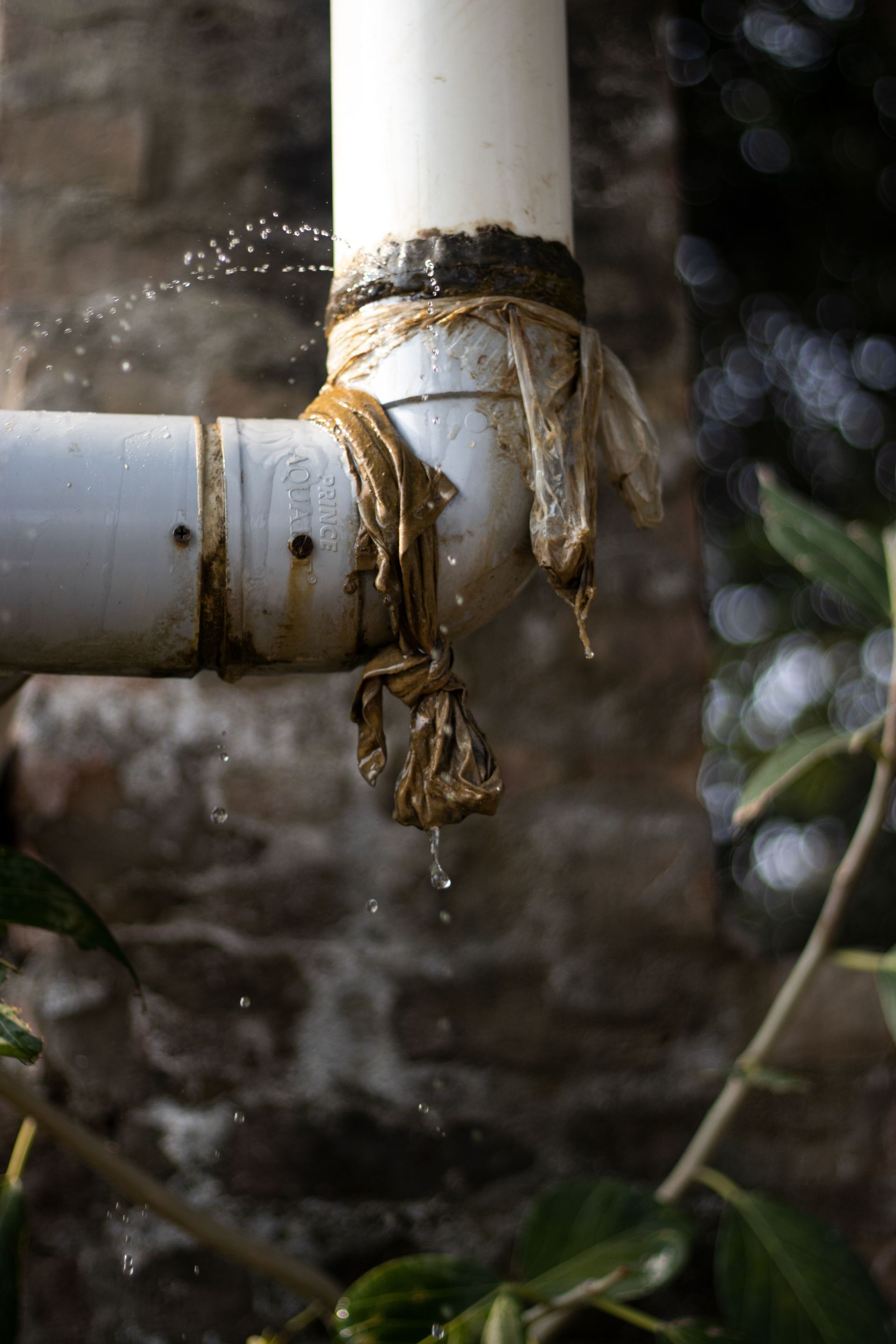
You found the leak, you called a plumber, and the water is finally stopped. That feels like the end of the story, and for a lot of Connecticut homeowners it is where the project ends. Unfortunately, fixing the leak only removes the water source. Anything that already started growing behind that wall, under that floor, or inside that cabinet is still there. This guide explains why mold cleanup is a separate step from the plumbing repair, how quickly growth begins, and how to tell whether you need a professional assessment.
Why Stopping the Leak Doesn't Stop the Mold
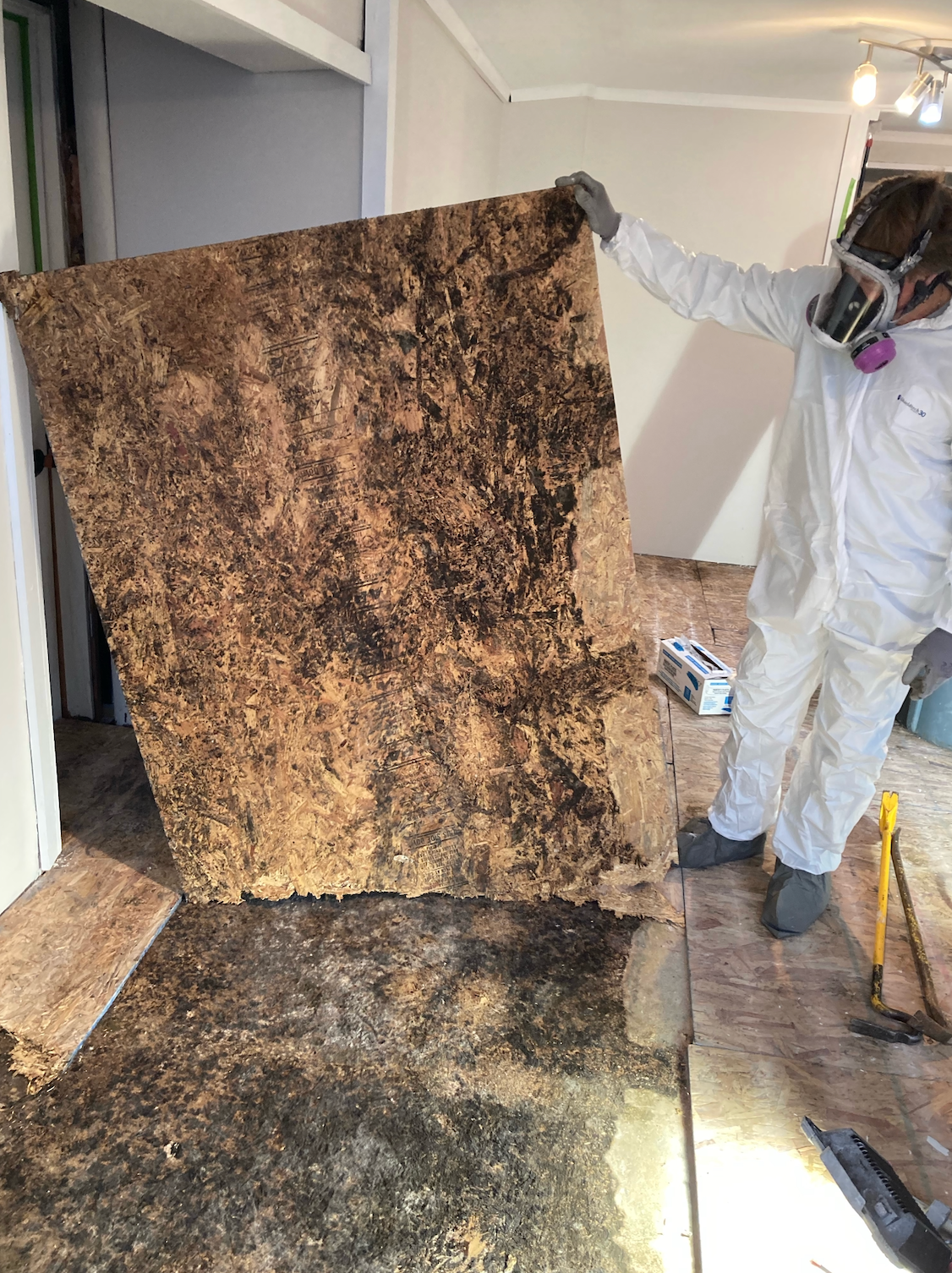
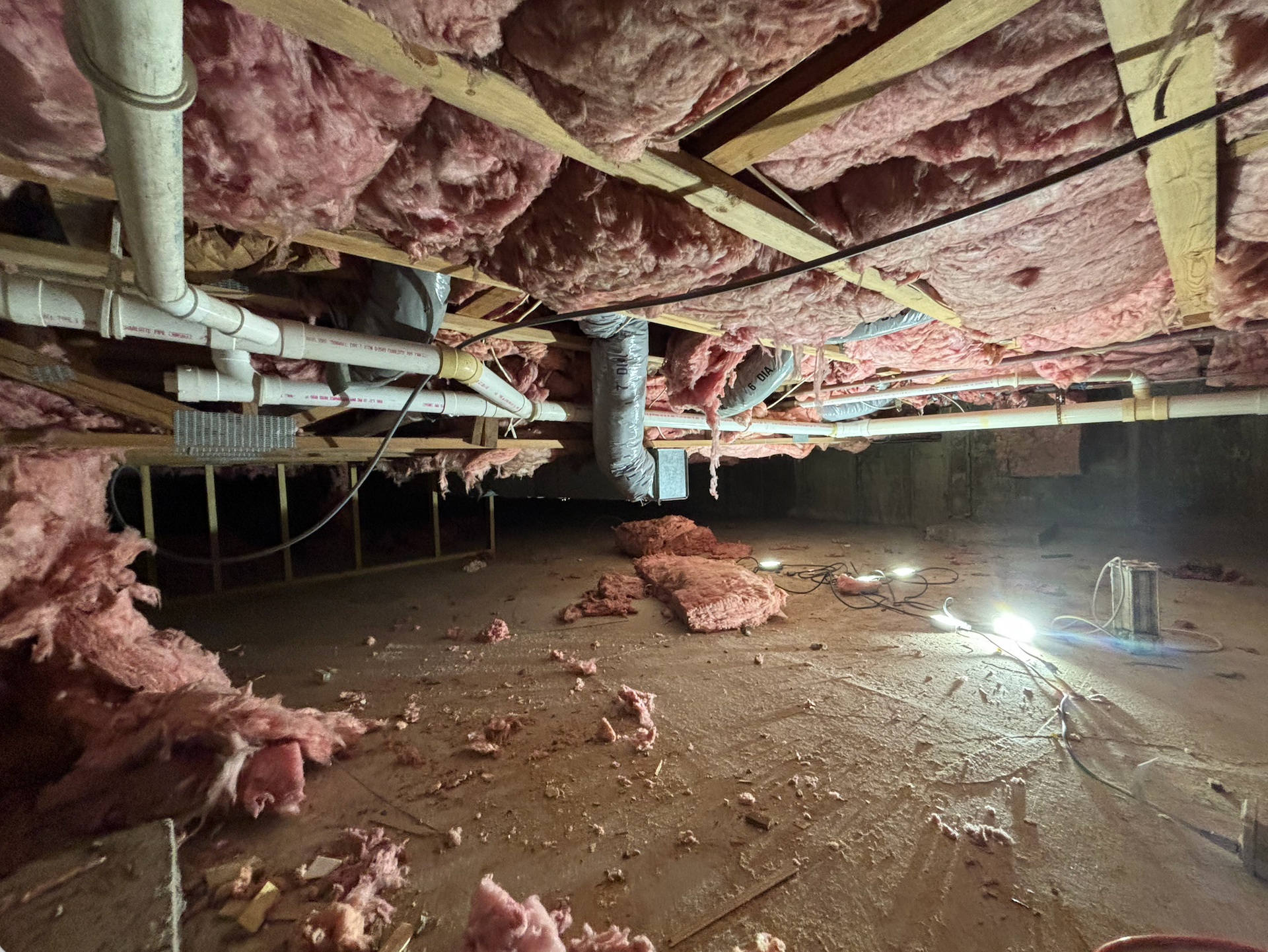
Mold needs moisture to start, but once it establishes itself on drywall, wood framing, insulation, or subfloor, it does not simply die off when things dry out. It can go dormant, then reactivate the next time humidity climbs. Meanwhile, the materials it has already colonized stay contaminated, and spores continue circulating through the air in your home.
Growth can begin within 24 to 48 hours of materials getting wet. If your leak went unnoticed for weeks or months behind a wall, as many slow waste line and supply line leaks do, there is a strong chance mold is present even though the repair itself looks clean and finished.
Signs Mold Is Still There After the Repair
The most common signal is smell. A persistent musty or earthy odor near the repair area, especially one that gets stronger in humid weather or when the HVAC runs, usually means something is still growing. Other signs include staining or discoloration that spreads or darkens over time, paint that bubbles or peels near the old leak, warped or soft flooring, and allergy or respiratory symptoms that continue after the repair is done.
Sometimes there are no signs at all, which is common when the affected material is sealed inside a wall cavity. If you had a significant leak and cannot rule mold out visually, air quality testing and moisture readings give you a definitive answer without opening up walls unnecessarily. Our guide on mold after a bathroom leak covers what we typically find in these situations.
Why DIY Cleanup Often Falls Short
Wiping the surface with bleach or a household cleaner may remove visible staining, but it does not address growth inside porous materials like drywall and framing, and it does nothing about spores that have already spread. Cutting into affected drywall without containment can also make the problem worse by releasing spores throughout the home.
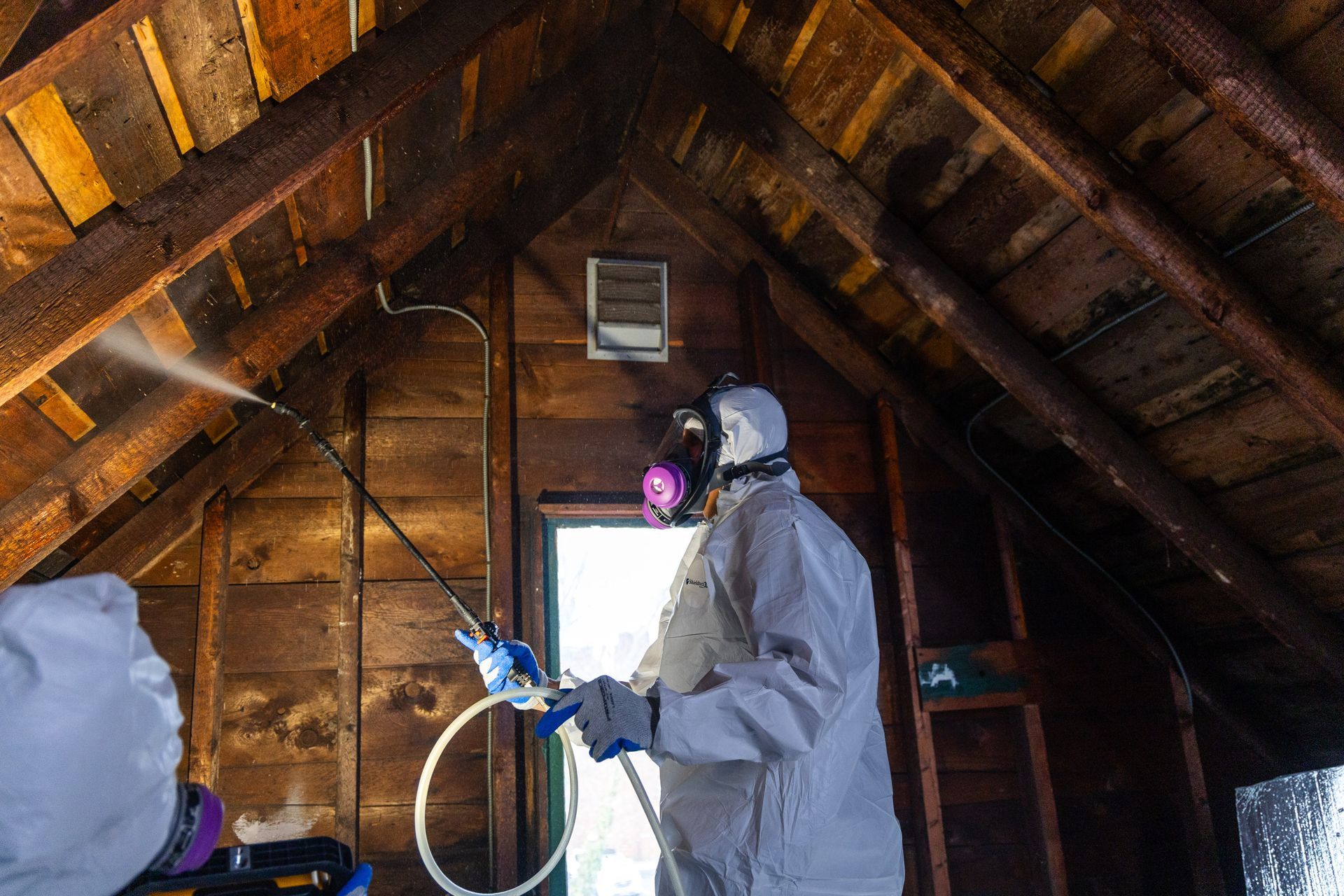
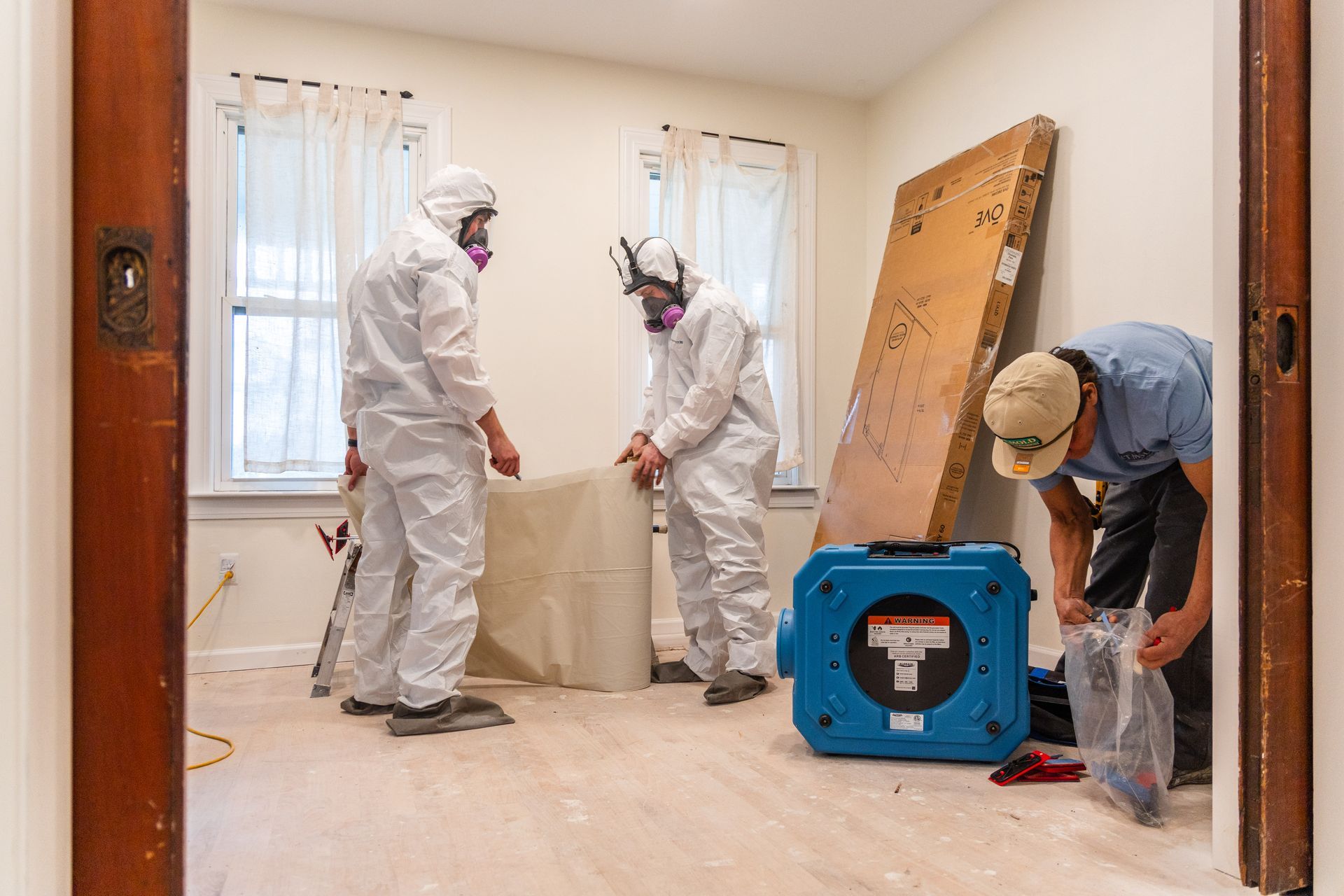
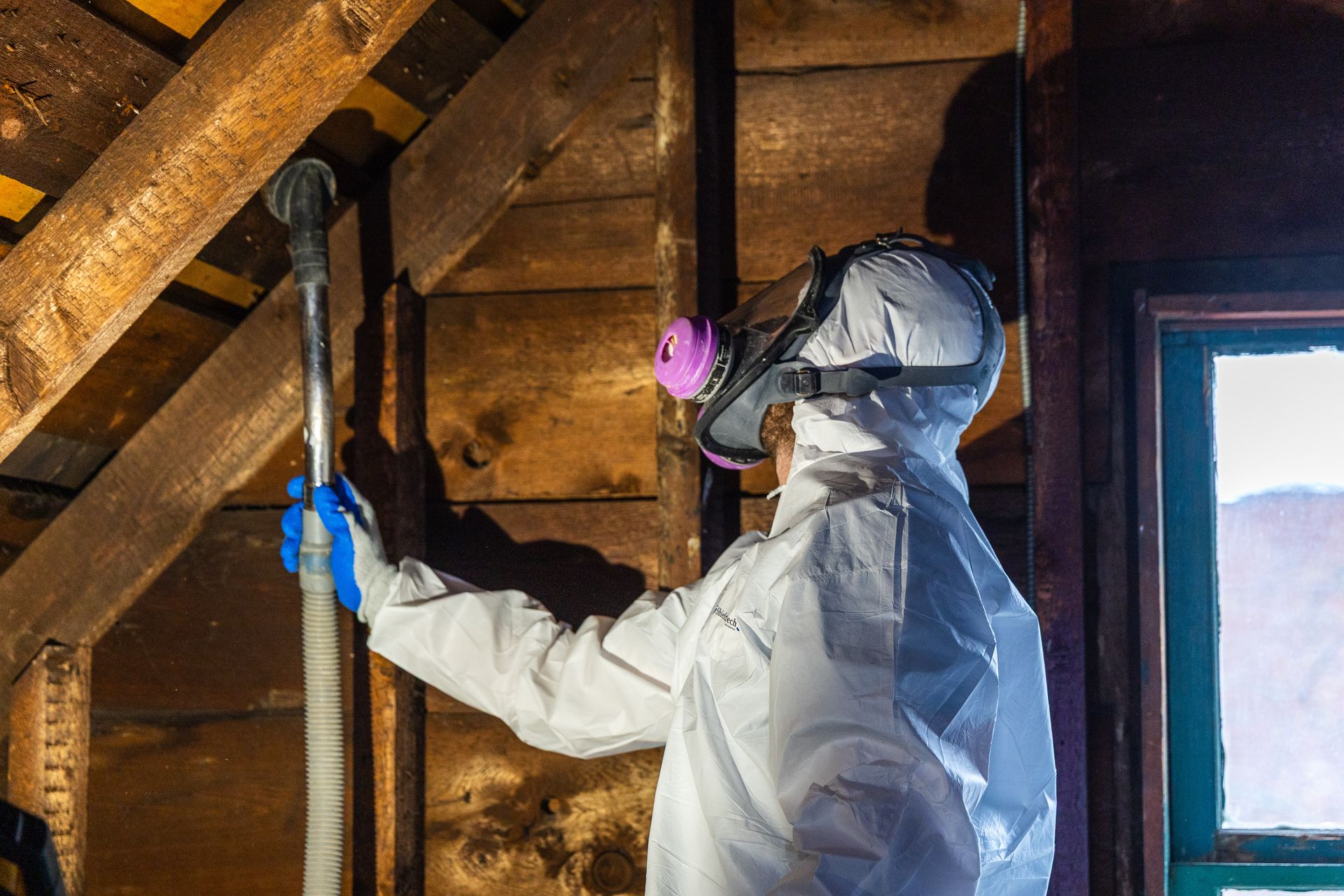
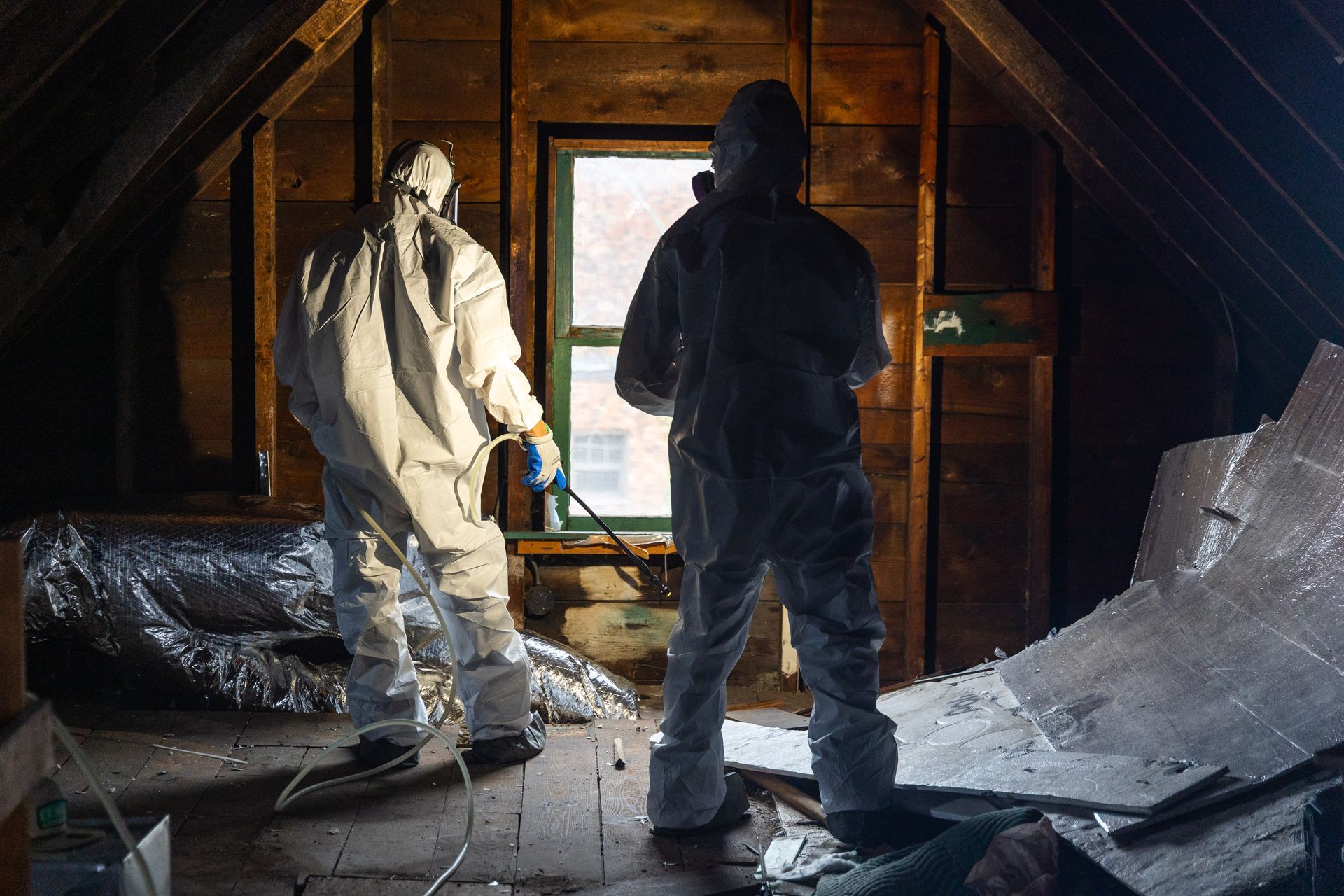
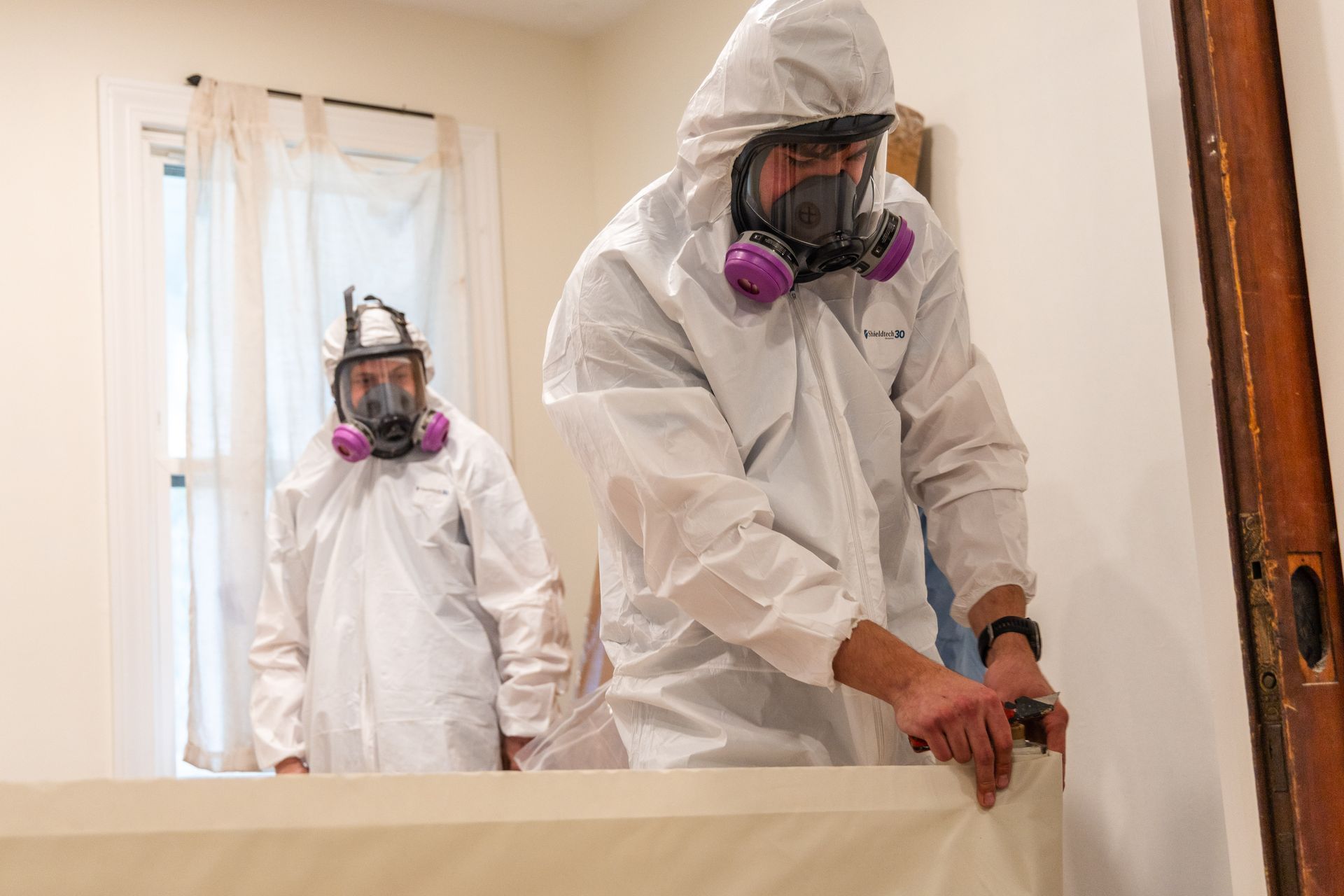
Professional remediation follows a different process: contain the work area, remove contaminated porous materials, treat and dry the structural surfaces, filter the air, and verify the space is clear before rebuilding. The goal is not just to make it look clean, it is to make sure you are not sealing a problem back inside your wall.
What a Post-Leak Assessment Involves
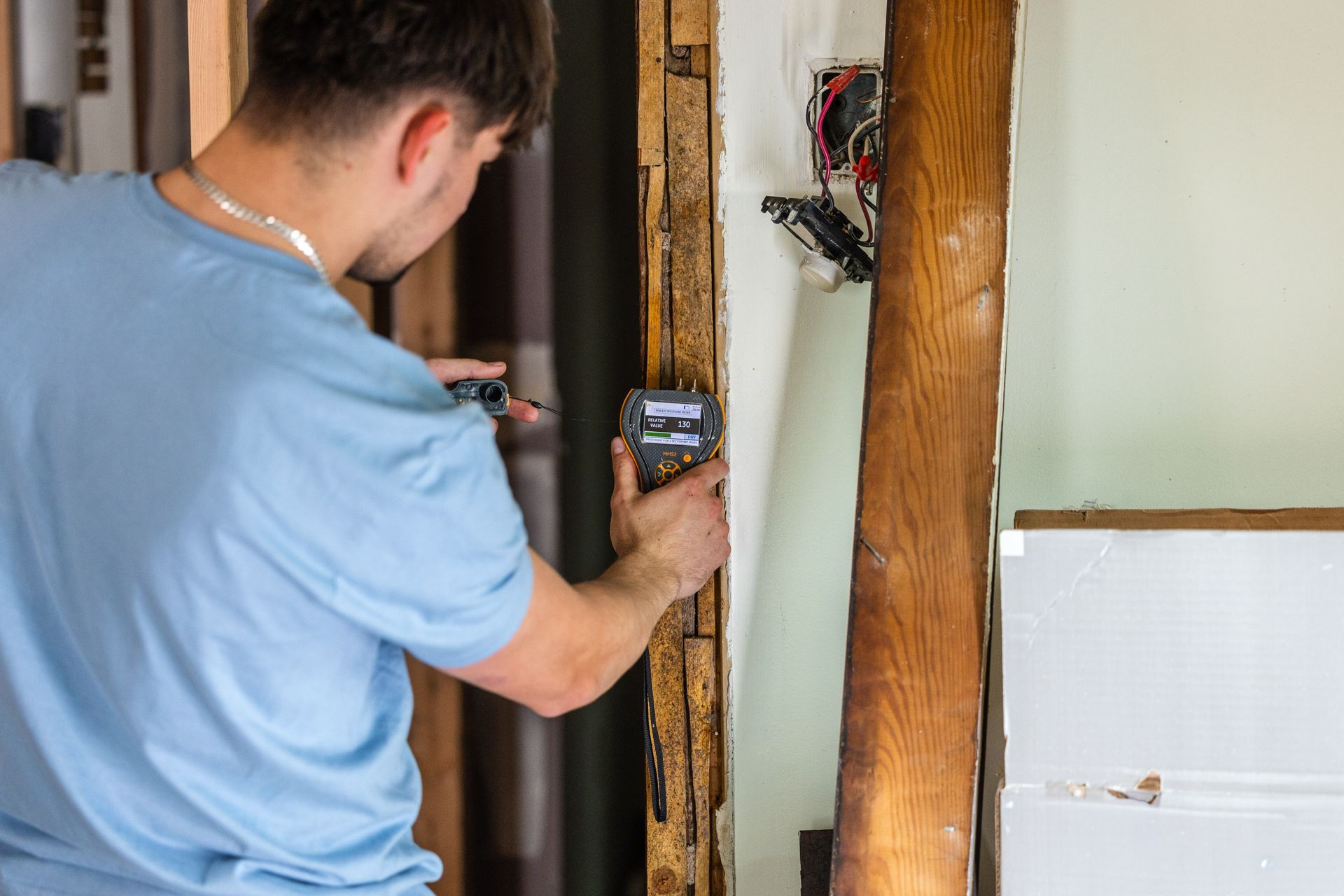
A post-leak mold assessment is straightforward. An inspector reviews the repair area, uses moisture meters and thermal imaging to check whether materials behind the surface are still damp, looks for visible growth in accessible areas, and can collect air samples if hidden mold is suspected. You get a clear picture of whether cleanup is needed and how extensive it would be.
If nothing is found, you have documentation and peace of mind, which is especially useful if you plan to sell the home or file an insurance claim later. If mold is found, catching it now is far less expensive than discovering it during a future renovation or home inspection. For a sense of what remediation typically involves, see our mold remediation cost guide.
frequently asked questions
Does mold die once a leak is fixed?
No. Mold goes dormant but stays in place, and spores can still affect air quality and reactivate with new moisture.
How do I know if mold grew before the leak was found?
An inspection with moisture readings and, if needed, air sampling can confirm whether growth occurred.
Why is mold cleanup a separate step from fixing the leak?
Plumbers stop the water; remediation removes the contaminated materials the water already affected.
Can I just paint over old mold stains?
No. Paint traps mold without removing it, and it will bleed through or return.
How soon after a leak should I get a mold inspection?
Within days, since mold can establish within 24 to 48 hours of the leak starting.
Finished the Repair? Let's Make Sure the Mold Is Gone Too
If you recently fixed a leak in your Connecticut home and want to be certain nothing is growing behind the repair, CT Mold Man can check. We provide honest post-leak mold inspections, air quality testing, and professional remediation for homeowners across Connecticut. Contact us today to schedule your inspection and close the book on that leak for good.