
Can You Stay in Your Home During Mold Remediation?

August 7, 2026

You can usually stay in your home during mold remediation if the work area is properly contained under negative pressure. Leaving is always preferable when possible, but for smaller, contained jobs it is a comfort decision more than a safety one.

Can You Stay in Your Home During Mold Remediation?

This is one of the most practical questions homeowners ask, and the honest answer is that it depends on scope. Roughly half of clients stay and half leave. What determines the right choice is not a universal rule but how much of the home is affected and how disruptive the setup will be.

What Containment Actually Does

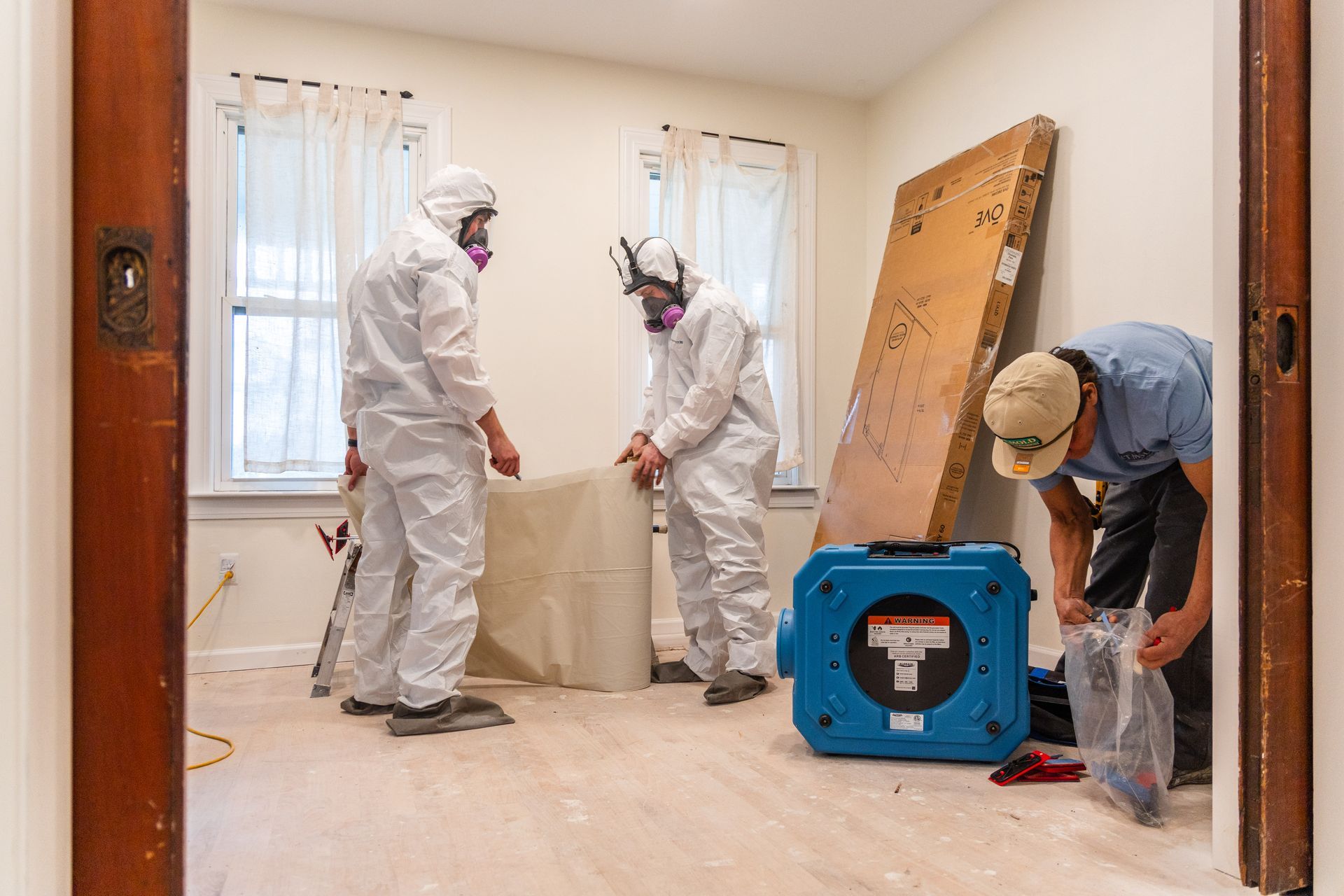
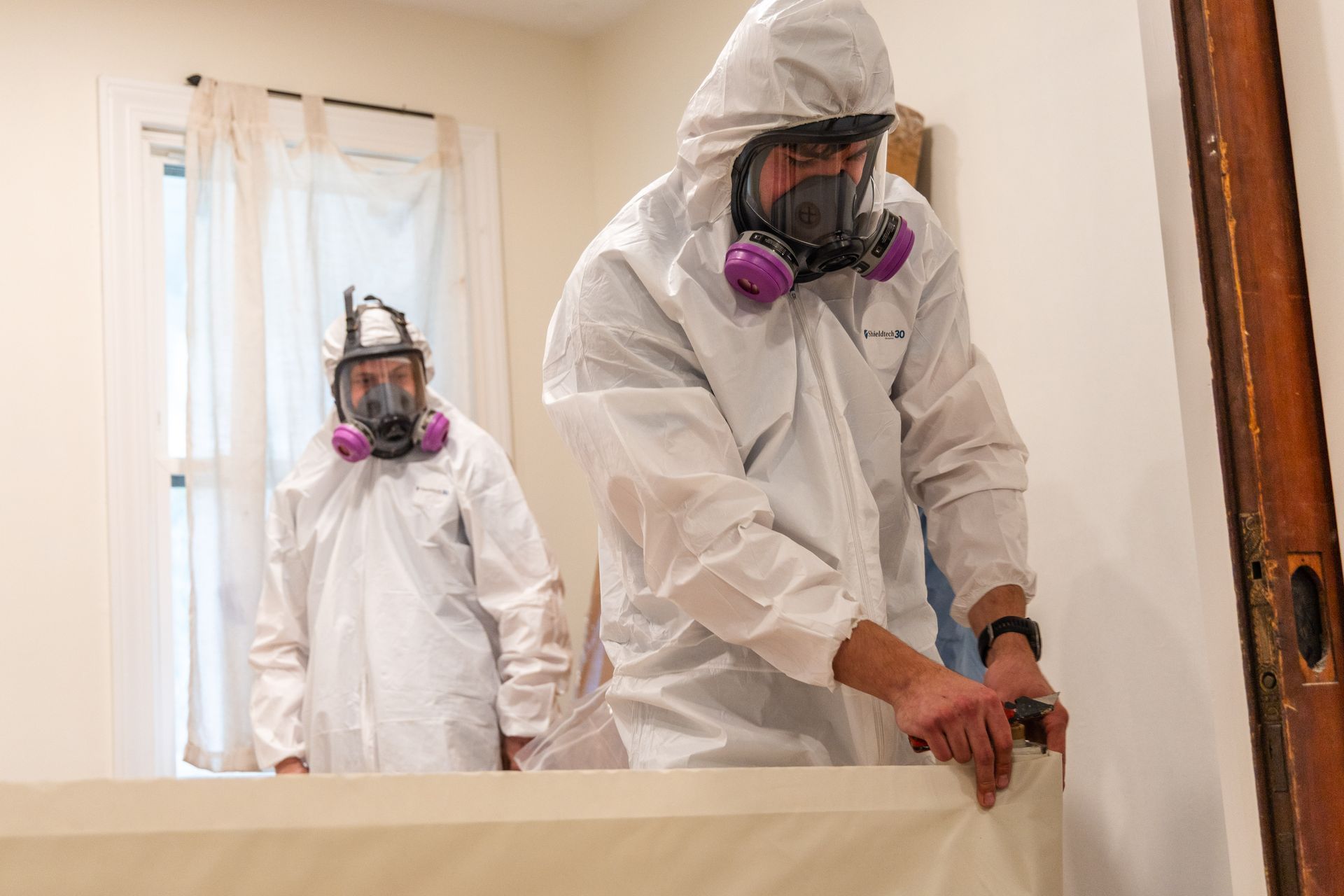
Before any work begins, the affected area is sealed off with plastic barriers and placed under negative pressure. Negative pressure means air flows into the contained area rather than out of it, so spores disturbed during demolition cannot travel into the rest of the home. When containment is set up correctly, there is no health risk to staying in an unaffected part of the house.

The Real Issue Is Comfort

The equipment is loud. Dehumidifiers, air movers, and air scrubbers run continuously, and plastic containment often runs through hallways and living space. Most homeowners who stay find the experience unpleasant rather than unsafe. That distinction is worth knowing in advance so you can plan around it.

When Leaving Makes More Sense

Scope drives this decision. An entire basement plus other areas of the home usually means leaving. A small spot in a bathroom generally does not. If the containment would cut through the main living areas or block access to a bedroom or kitchen, staying becomes impractical even if it is technically safe.

Urgency and Where the Mold Is

Location affects urgency more than most people expect. Mold on the headboard of a bed is more time sensitive than mold in the back corner of a basement, simply because of where people spend their time and what air they are breathing. Most mold situations qualify as urgent from a health perspective when there is a significant quantity affecting the air the occupants breathe.

Frequently Asked Questions

  • Can you stay in your house during mold remediation?

    Often yes. Leaving is always best when possible, but it is not always required. If the work area is contained and the affected portion is small, negative pressure and proper containment mean there is no health risk in staying. The split is roughly fifty fifty among homeowners, and it depends on the scope of the job.

  • Is it loud and disruptive to stay?

    Yes. Dehumidifiers, air movers, and air scrubbers run continuously throughout the process, and plastic containment often runs through the home. Most homeowners who stay describe it as uncomfortable rather than unsafe. For multi day jobs, that discomfort is the main reason people choose to leave.

  • How does negative pressure keep the rest of the house safe?

    Negative pressure means air flows into the contained work area instead of escaping from it. Because mold spreads quickly once growth is disturbed by demolition, that directional airflow is what keeps spores from traveling into the rest of the home. It is the single most important part of a properly set up remediation.

  • What situations qualify as emergency mold remediation?

    Most mold situations qualify from a health perspective, particularly when there is a significant quantity affecting the air occupants breathe. Urgency also depends on location, since mold on a headboard is more time sensitive than mold in a basement corner. Any active water issue is also an emergency, because the leak must be stopped before further damage occurs.

  • Can businesses stay open during remediation?

    Commercial work is scheduled around occupancy, typically on weekends or on days the business is closed. Small retail shops and nonprofits are common commercial clients, and scheduling around their hours is standard practice rather than an exception.

When to Call a Professional

If you are weighing whether to stay during remediation, the answer comes out of the inspection, once the scope is known. CT Mold Man provides mold inspection, remediation, and air quality testing for homes and businesses across Connecticut, and will walk you through what the containment setup will look like before work starts.

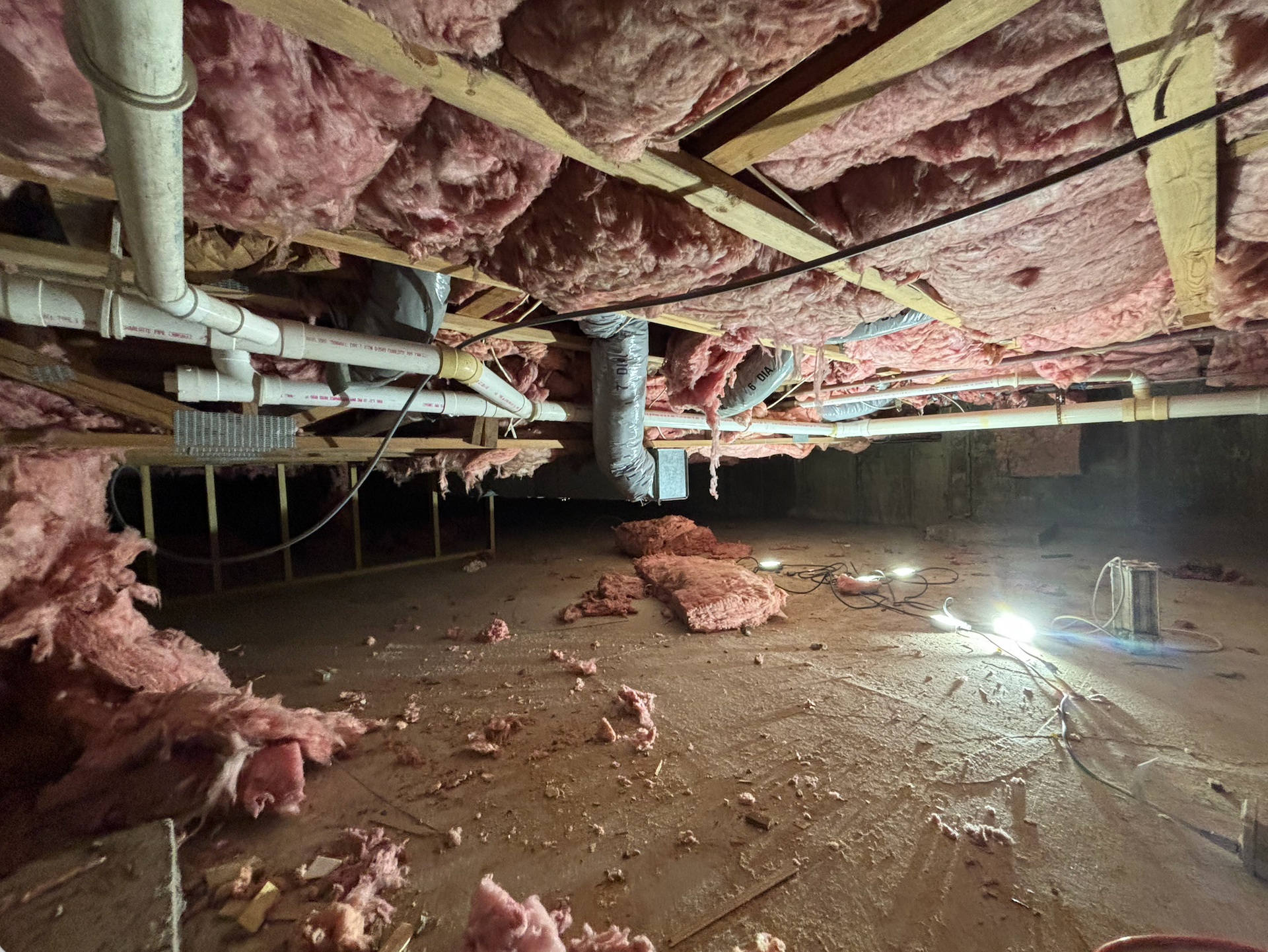
Unfinished basement crawl space with exposed pipes, insulation, and bare concrete
By CT Mold Remediation Specialists August 7, 2026
Crawl space mold is as serious as basement mold, and often worse. Learn why crawl spaces stay humid and where a dehumidifier actually belongs in your home.
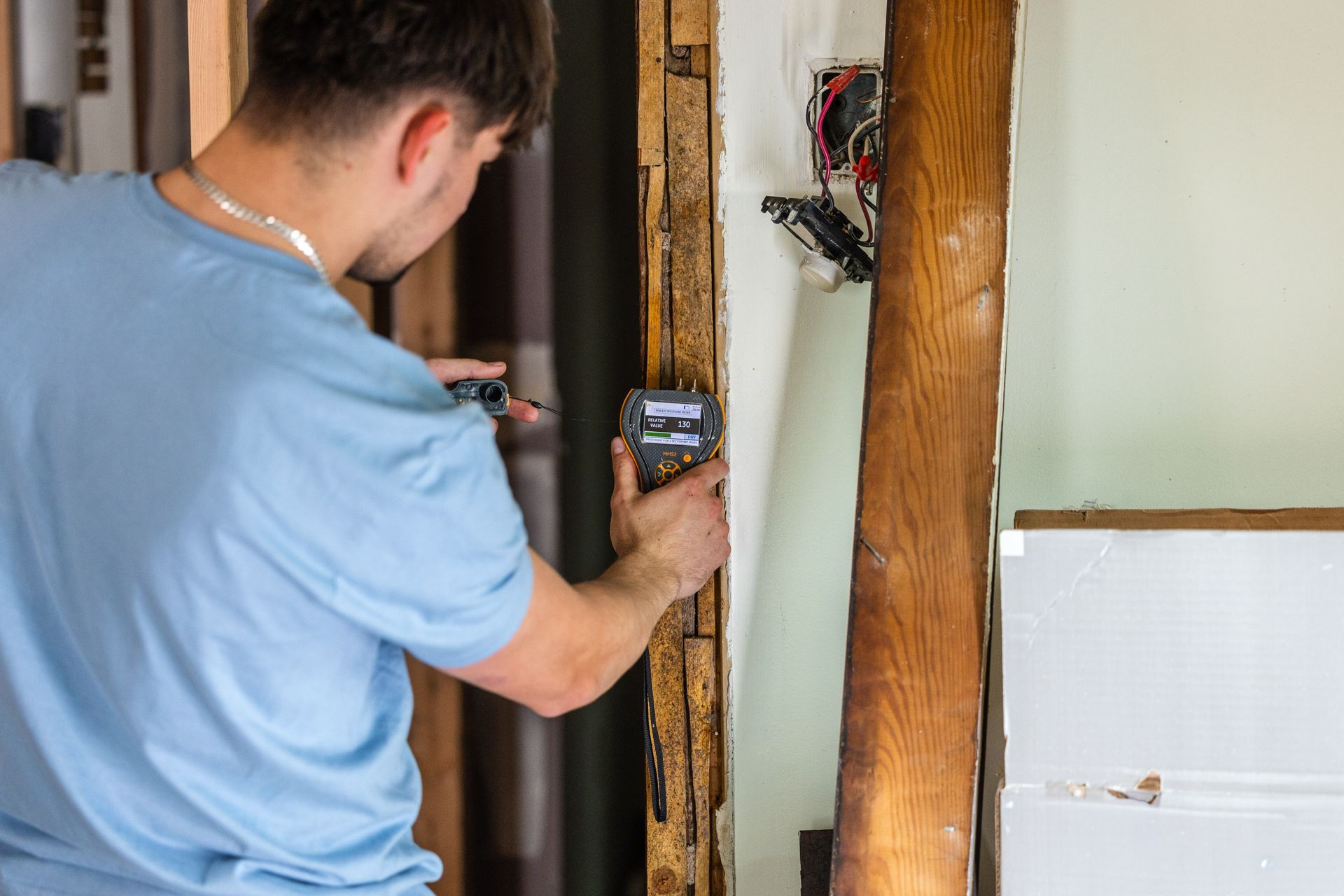
Person using a laser measure on a wooden post indoors
By CT Mold Remediation Specialists August 7, 2026
What do mold test results actually mean? Learn how spore counts are compared to outdoor samples, why season matters, and how accurate air quality testing is.
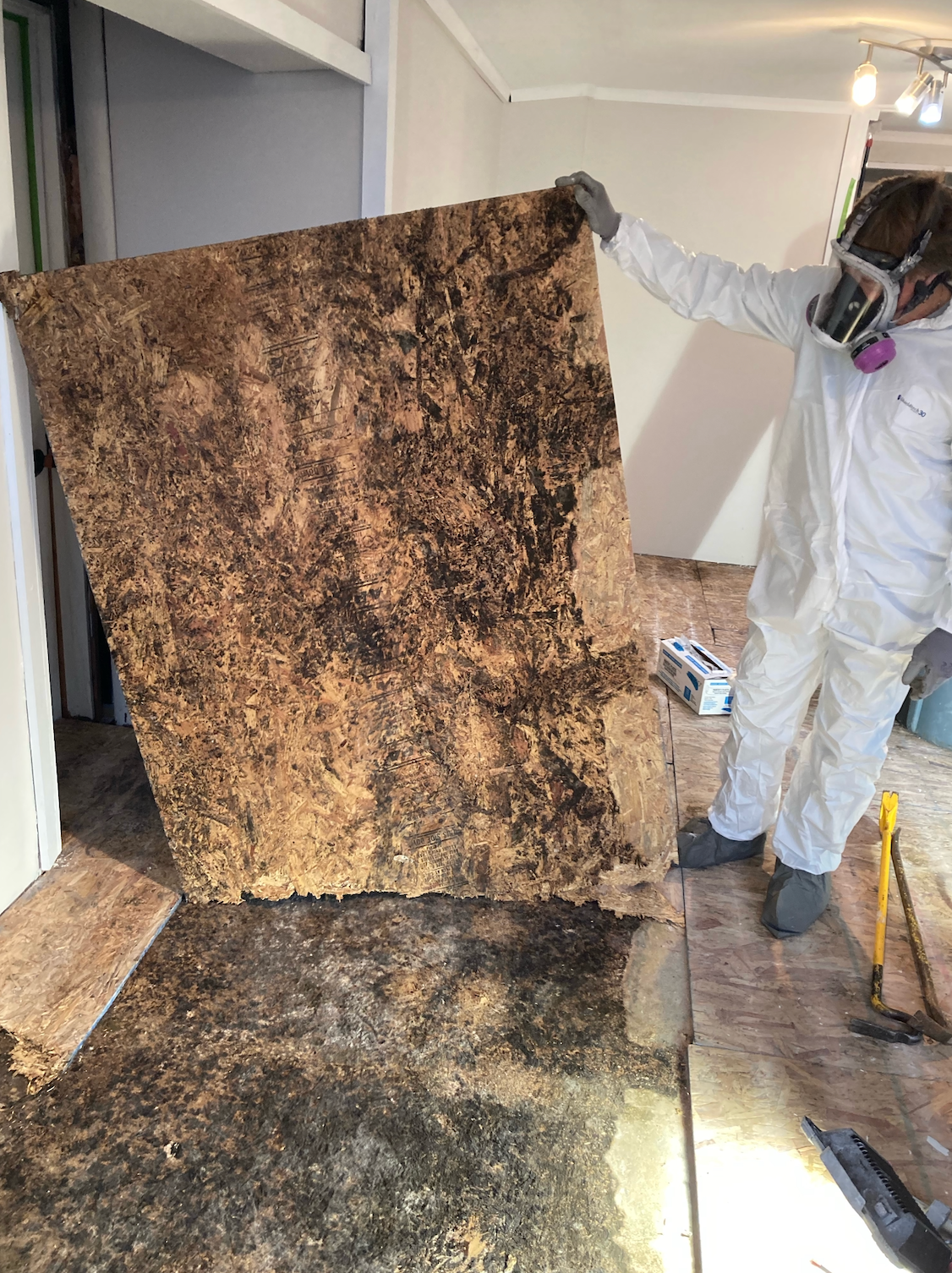
Technician in protective suit removing mold damaged material from a room
By CT Mold Remediation Specialists August 7, 2026
How is black mold identified and removed in Connecticut homes? Learn why testing matters, how containment prevents spread, and why DIY removal backfires.
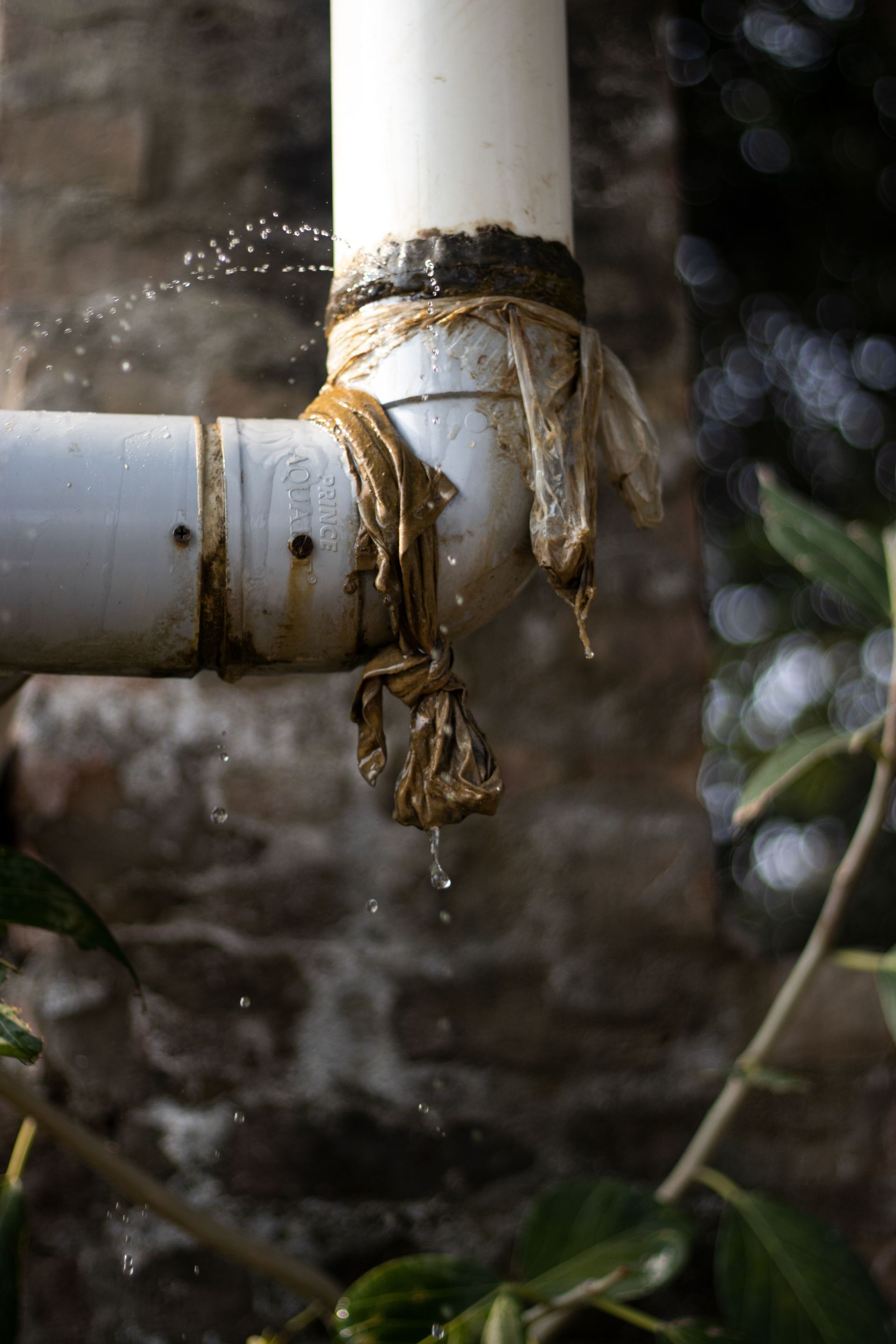
Water pooling on a residential floor near plumbing after a pipe leak
By CT Mold Remediation Specialists August 7, 2026
A pipe burst in your Connecticut home? Learn the exact first steps, why the 24 to 48 hour window matters, and how to prevent mold after water damage.
Workers in protective suits clean a room with a dehumidifier and exposed wall paneling after damage.
By CT Mold Remediation Specialists August 7, 2026
Does homeowners insurance cover water damage and mold in Connecticut? Learn the occurrence rule, why hidden leaks cause denials, and how to protect your claim.
Technician unloading inspection and remediation equipment from a service van
By CT Mold Remediation Specialists August 7, 2026
What happens during a water damage inspection in Connecticut? Learn the full process, from thermal imaging and moisture meters to insurance claim guidance.
Two people in protective suits inspect a damaged attic with insulation debris and a bright window.
By CT Mold Remediation Specialists August 7, 2026
How do professionals know a house is dry after water damage? Learn how moisture mapping works, drying timelines, and the mistakes that let mold come back.
Open kitchen sink cabinet showing plumbing pipes and water damage on the cabinet floor
By CT Mold Remediation Specialists August 7, 2026
Kitchen mold in Connecticut usually starts with a hidden supply line leak behind cabinets or under the sink. Learn the warning signs and when to call a pro.
Two workers in hazmat suits and respirators cleaning a room with a window and mirror.
By CT Mold Remediation Specialists August 7, 2026
Bathroom ceiling mold in your Connecticut home? Learn how to clean it safely, fix the humidity cause, and know when it's time to call a pro.
Damp stained wall above tile baseboard with water pooling on the floor
By CT Mold Remediation Specialists August 7, 2026
Fixed the leak but worried about mold? Learn why cleanup is a separate step, how to spot hidden growth, and when to call a Connecticut mold pro.

Show More