Crawl Space Mold and Where a Dehumidifier Actually Belongs
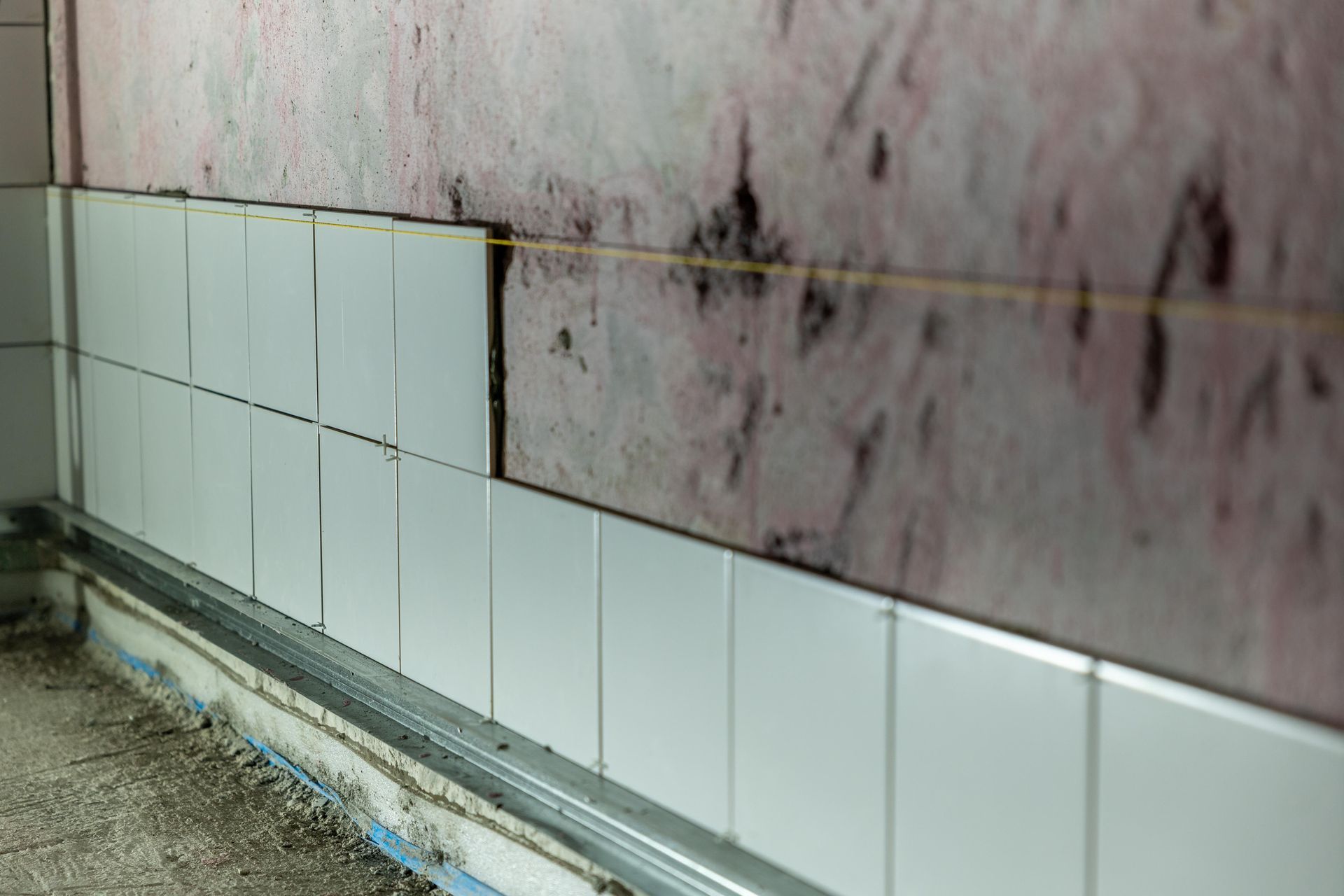
Crawl space mold is just as dangerous as mold anywhere else in the home. A crawl space is essentially a small basement, and it is often worse because it has no HVAC equipment or furnace adding heat and drying the space.
Crawl Space Mold and Where a Dehumidifier Actually Belongs
Crawl spaces are the most forgotten part of a Connecticut home. Nobody goes down there, nothing is stored there, and there is no reason to check on it until something goes wrong. That neglect is exactly why crawl spaces become mold problems: they are humid, unmonitored, and structurally similar to a basement without any of the conditions that help a basement stay dry.
Why Crawl Spaces Are Often Worse Than Basements
Basements typically house HVAC equipment or a furnace, and that equipment adds heat that dries the space to some degree. Crawl spaces have none of that. They sit underground with groundwater pressing in, no heat source, and no reason for anyone to look. The result is a space that is frequently more humid than the basement above it.
Humidity Driven Mold Behaves Differently
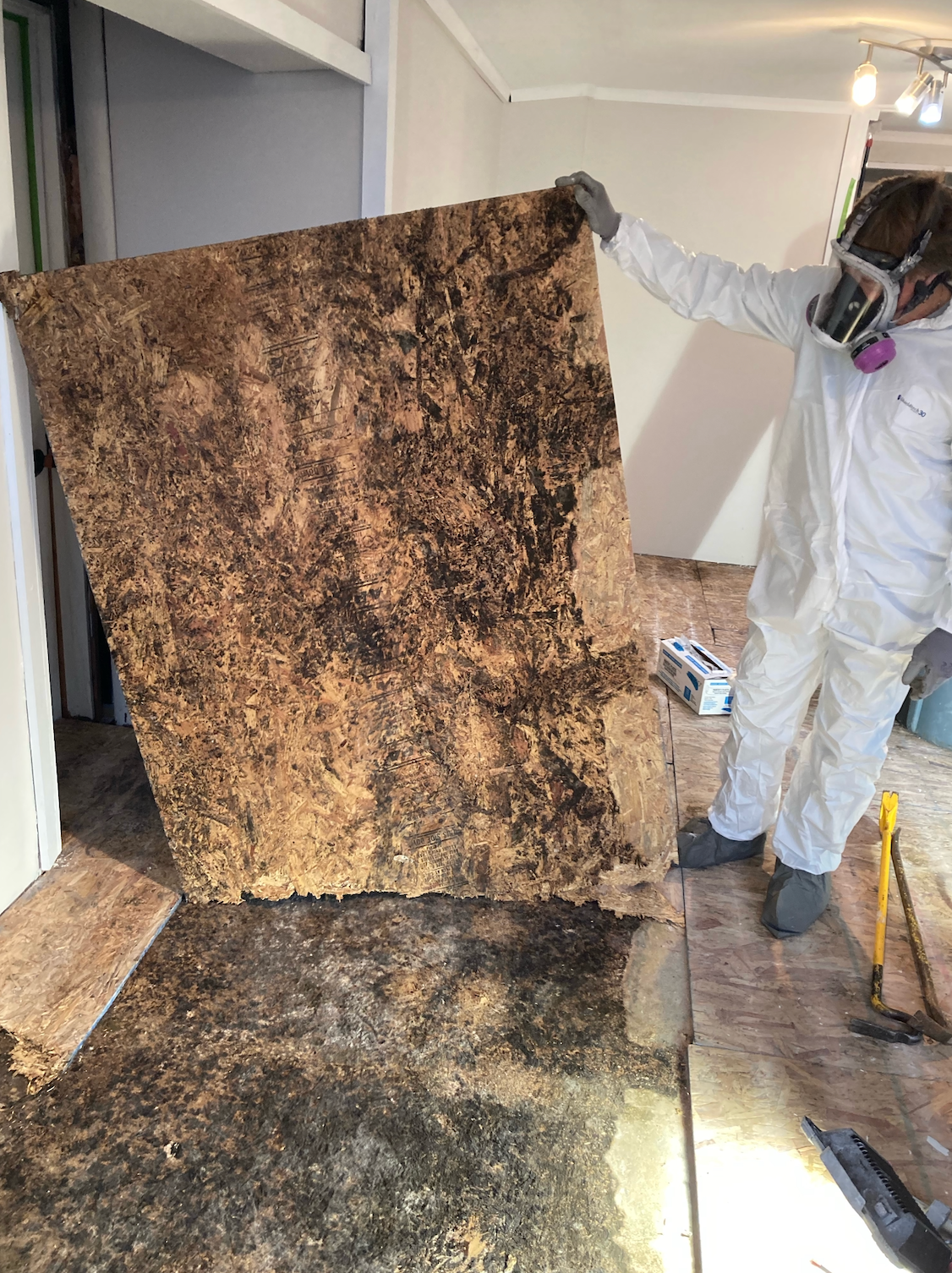
Mold that grows from humidity rather than a water event can grow very fast under the right conditions. If a dehumidifier fails while a homeowner is away, an entire basement or crawl space can become covered. Unlike water source mold, which stops when it reaches a dry area, humidity driven mold keeps going as long as the moisture in the air supports it.
Where a Dehumidifier Should Go
A whole home unit tied into the HVAC system covers anywhere with HVAC supply, which is the broadest coverage available. But basements are the number one location for a dedicated unit. A basement is underground with groundwater pressing in, which makes it an uphill battle, and basements are by far the most humid areas in most homes. Crawl spaces need the same attention for the same reasons.
Controlling Moisture Is What Prevents Recurrence
Mold follows humidity and moisture, so controlling that is the one thing that keeps it from returning. Mold caused by humidity rather than a water event does not require structural drying. What it requires is dehumidification after the underlying issue is corrected. Remediation without addressing the moisture source is a temporary fix.
Frequently Asked Questions
Is crawl space mold dangerous?
Yes, the same as mold anywhere else in a home. A crawl space is essentially a small basement, and mold forms there for similar reasons. Crawl spaces are often worse than basements because they do not have HVAC equipment or a furnace adding heat and drying the space, and they tend to be forgotten about and very humid.
Where should a dehumidifier be installed?
A whole home unit tied into the HVAC system covers anywhere with HVAC supply, but basements are the number one location for a dedicated dehumidifier. A basement sits underground with groundwater pressing in, which makes moisture control an uphill battle, and basements are by far the most humid areas in most homes.
How fast can mold spread in a crawl space or basement?
Humidity driven molds, which are the type common in basements and crawl spaces, can grow very fast under the right conditions. If a dehumidifier fails while a homeowner is away, an entire basement can become covered. Water indicator molds behave differently and stop once they reach a dry area.
Why does mold keep coming back after remediation?
Because the moisture source has not been corrected. Mold follows humidity and moisture, so controlling that is the one thing that prevents it from returning. In humidity driven cases, the fix is dehumidification and ventilation rather than structural drying, since there was no water event to dry out.
Does crawl space mold need structural drying?
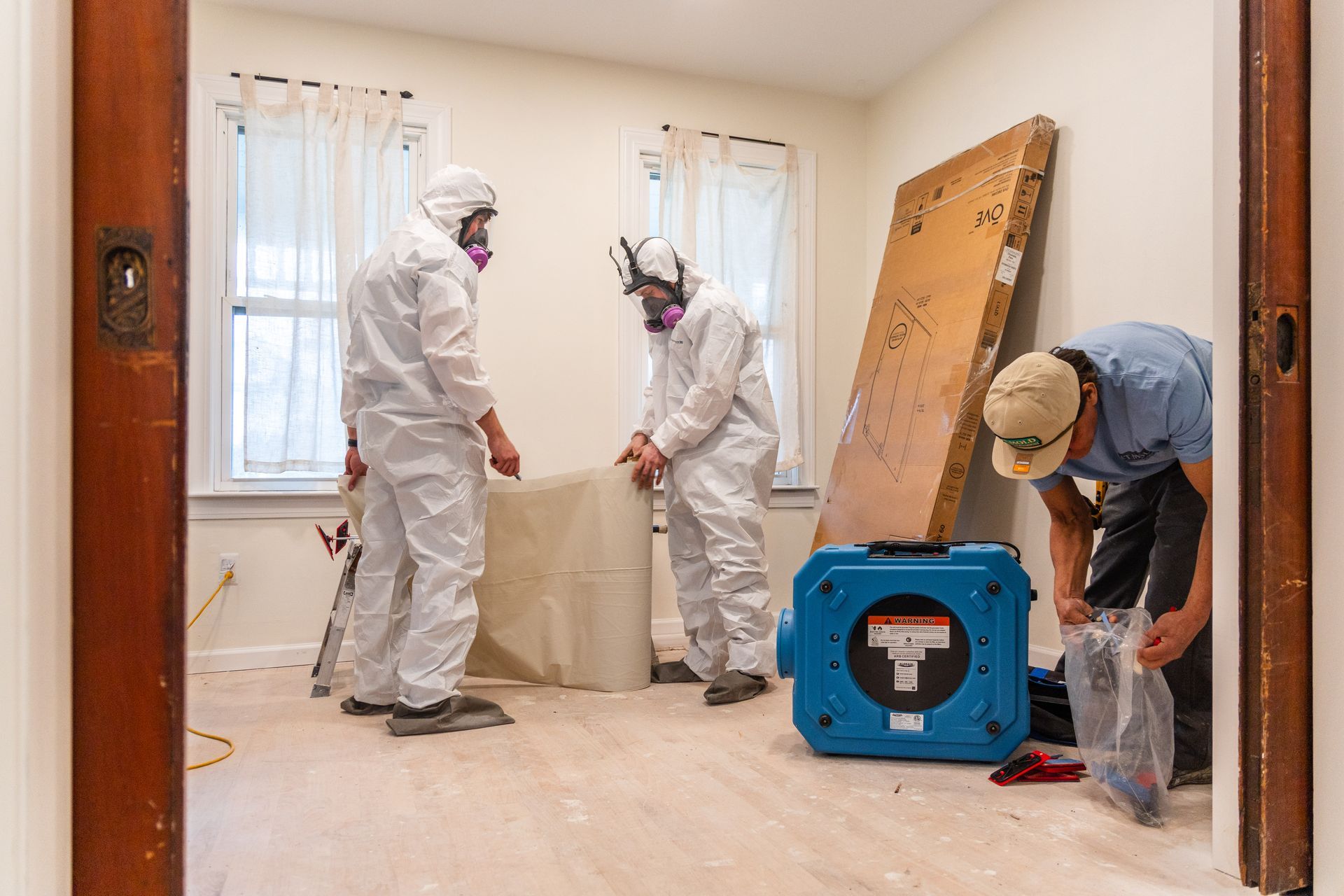
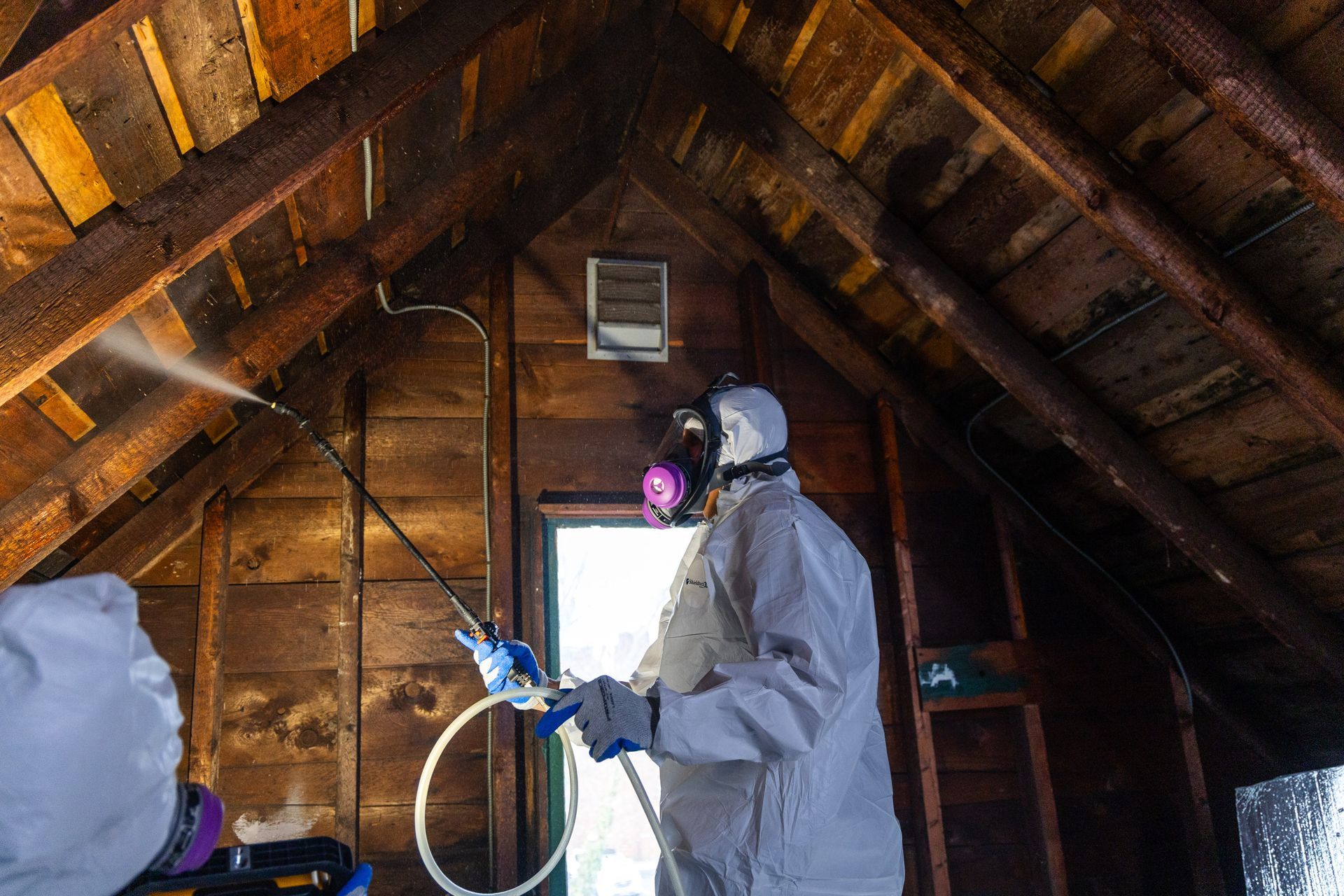
Usually not. Mold caused by humidity rather than a water event is not water damage related, so structural drying is not part of the process. The remediation involves removing or cleaning affected material, sometimes including insulation, followed by dehumidification to keep conditions from allowing regrowth.
When to Call a Professional
If you have not looked at your crawl space in years, or you have noticed persistent musty odors or elevated humidity in the lower level of your home, an inspection is worthwhile. CT Mold Man provides mold inspection, remediation, and air quality testing for homes and businesses across Connecticut.