
Kitchen Mold: Why It Hides Behind Cabinets (and Under the Sink)

August 7, 2026

How long can a kitchen leak sit before mold starts growing?

Kitchen mold in Connecticut homes almost always traces back to a hidden water source, most often a supply line or waterline leak behind the cabinets or under the sink. Because the leak starts behind the wall, it usually isn't discovered until the damage is advanced.

Why Kitchen Mold Stays Hidden

Your kitchen has more concentrated plumbing than almost any other room in the house, and most of it runs behind cabinets and walls where you never see it. When a supply line or waterline develops a slow leak, the water soaks the materials behind the cabinet long before anything shows on the surface. By the time a stain or smell appears, mold has often been growing for a while, and in these cases it is frequently black mold.

The Most Common Spot: Under the Sink

Mold under the sink usually comes from the sink trap or the supply line. Because sink cabinets tend to be cluttered with bottles and cleaning supplies, small drips go unnoticed until the bottom of the cabinet is fully rotted. It is the most common kitchen mold scenario we encounter in Connecticut homes.

Warning Signs to Watch For

You generally don't need to assume mold is lurking behind your kitchen walls. But there are two signs that warrant real concern: water stains on the ceiling of the room below the kitchen, and a kitchen floor that feels damp. Water follows gravity, so the first evidence of a kitchen leak often shows up as staining or puddling in the basement underneath.

What Happens When Mold Is Found

When water has been leaking behind kitchen cabinets, the cabinets are typically deteriorated, and in most cases they have to be removed as part of remediation. Insurance sometimes applies and sometimes doesn't, because the water occurs behind the cabinet and behind the wall and isn't discovered until it gets bad enough to surface. Mold can begin growing on wet materials within roughly 72 hours, so acting quickly matters.

How Connecticut Homeowners Can Prevent Hidden Kitchen Leaks

Maintenance and vigilance are the main defense. Watch for signs of deteriorating plumbing, even on a visible supply line, since what's behind the wall usually looks similar. Confirm nothing is dripping, make sure fixtures are running properly, and periodically check the basement below your kitchen for staining or puddles. In homes with fifty or sixty year old plumbing, preventive options are limited, which makes routine checks even more important.

Frequently Asked Questions

  • Can mold grow behind kitchen cabinets?

    Yes, mold can grow behind kitchen cabinets when a water source is involved, such as a leaking supply line or waterline. Homeowners generally don't need to assume mold is hiding behind their kitchen walls, but water stains on the ceiling below the kitchen or a floor that feels damp are legitimate reasons for concern and worth a professional inspection.

  • Is mold under the kitchen sink dangerous?

    Mold under a sink should be taken seriously like mold anywhere else in the home. It usually comes from the sink trap or the supply line, and because sink cabinets are typically cluttered, the leak often goes unnoticed until the cabinet bottom is fully rotted. If you find mold or rot under your sink, have it inspected promptly.

  • How long can a kitchen leak sit before mold starts growing?

    Roughly 72 hours, based on industry standards. After that point, any material that is still wet and hasn't started drying is considered mold concerning. That's why hidden kitchen leaks are so problematic — they often run for weeks or months before anyone notices.

  • Will insurance cover mold behind kitchen cabinets?

    Sometimes, but not always. Coverage generally applies when the damage comes from a specific occurrence or event. Because kitchen leaks happen behind the cabinet and behind the wall, they often aren't discovered until the damage is significant, and long-running leaks may be classified as maintenance issues that fall on the homeowner. Documenting the damage with testing helps.

  • Do kitchen cabinets have to be removed if mold is found?

    In most cases, yes. When water has been leaking behind kitchen cabinets, the cabinets are usually deteriorated and need to be demoed as part of remediation. Porous materials like drywall must also be removed, while non-porous surfaces can be cleaned. A professional inspection from CT Mold Man can determine exactly what's affected before any work begins.

When to Call a Professional

If you notice water stains below your kitchen, a damp floor, a musty smell, or a rotted sink cabinet, it's time for a professional mold inspection. CT Mold Man provides mold inspection, remediation, and air quality testing for homes and businesses across Connecticut. A prompt inspection can confirm whether mold is present and how far it extends before the damage grows.

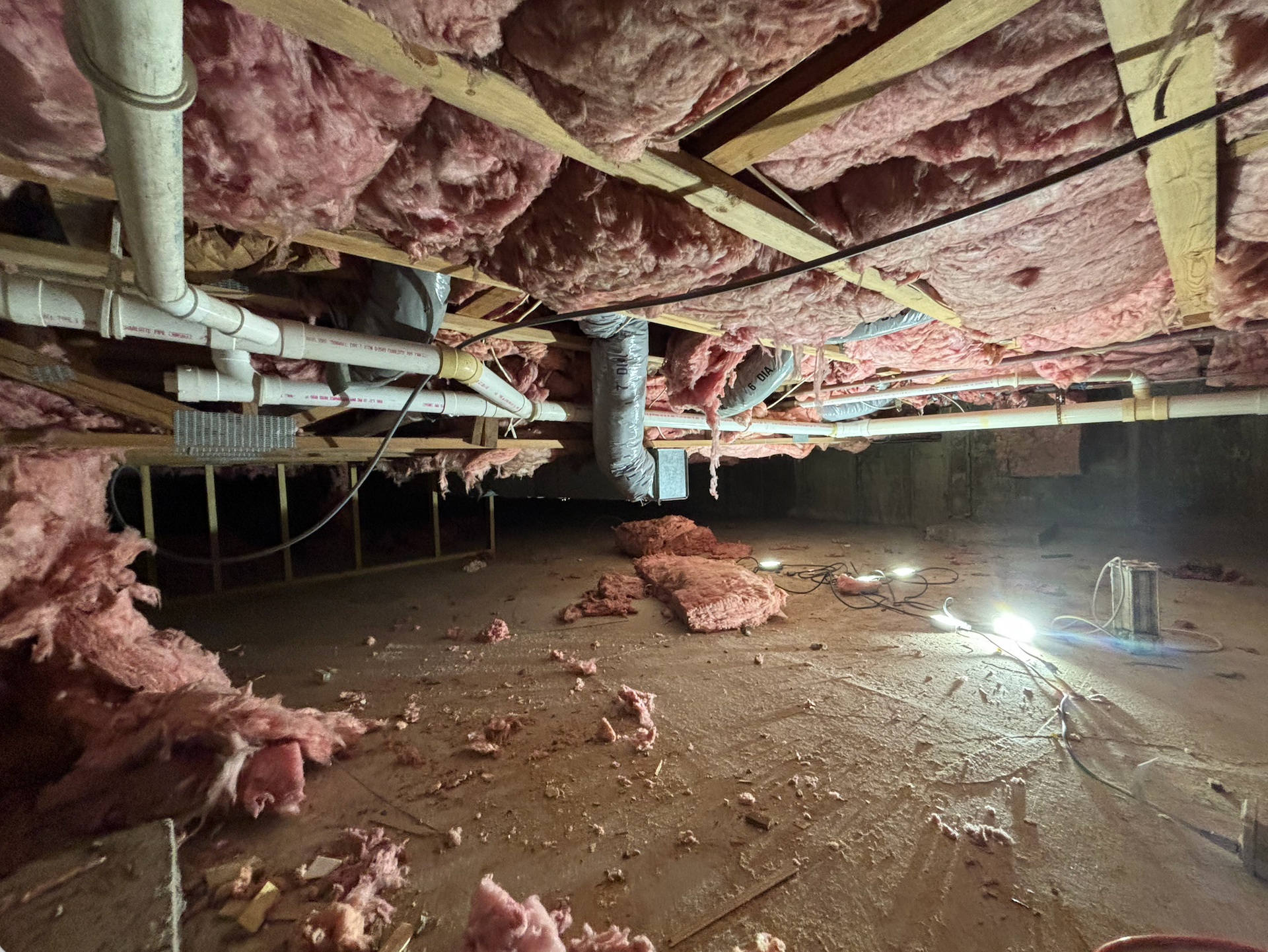
Unfinished basement crawl space with exposed pipes, insulation, and bare concrete
By CT Mold Remediation Specialists August 7, 2026
Crawl space mold is as serious as basement mold, and often worse. Learn why crawl spaces stay humid and where a dehumidifier actually belongs in your home.
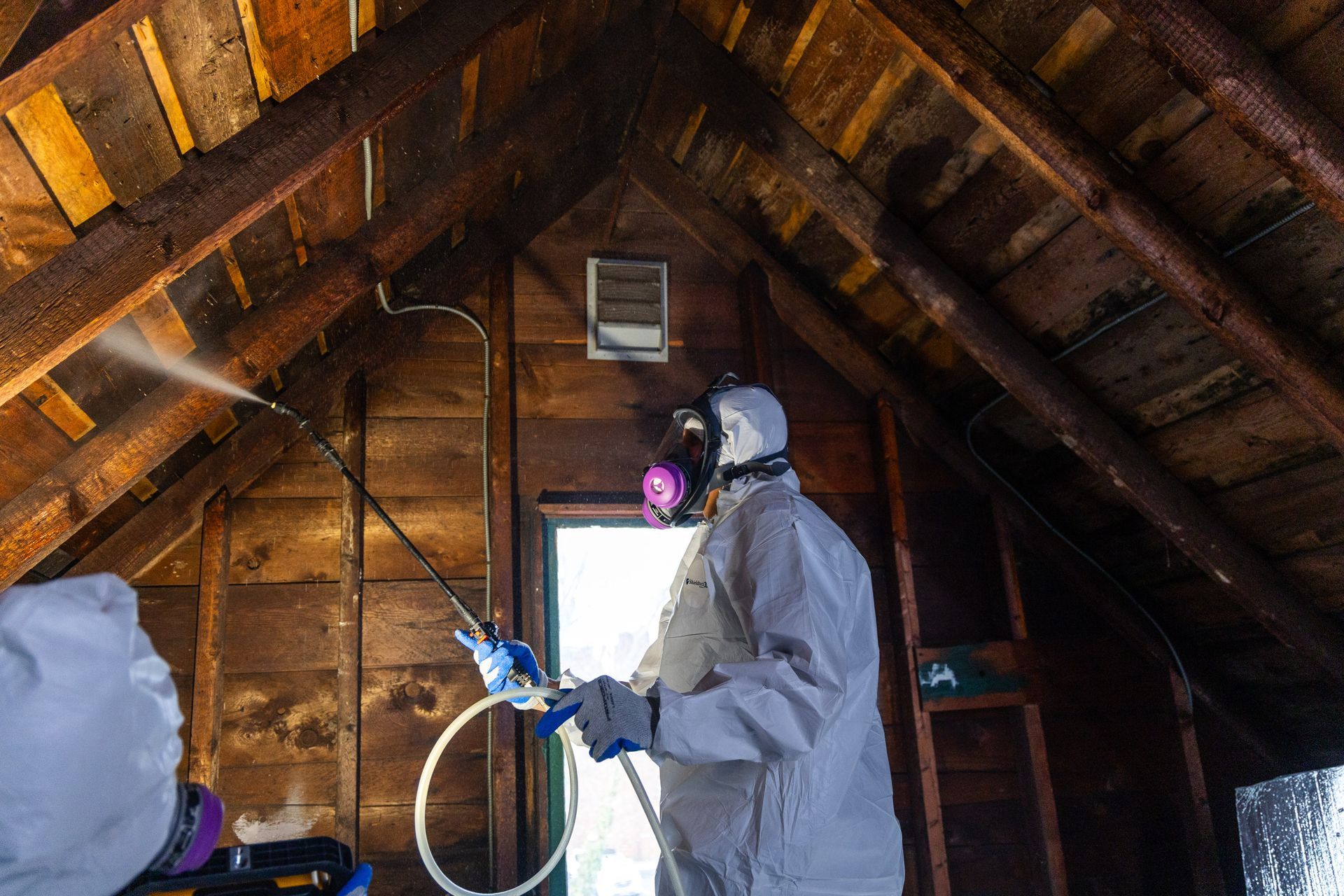
Person in white protective suit spraying the attic rafters with a blue nozzle under exposed wooden beams.
By CT Mold Remediation Specialists August 7, 2026
Can you stay home during mold remediation? Learn how containment and negative pressure work, when leaving makes sense, and what to expect during the process.
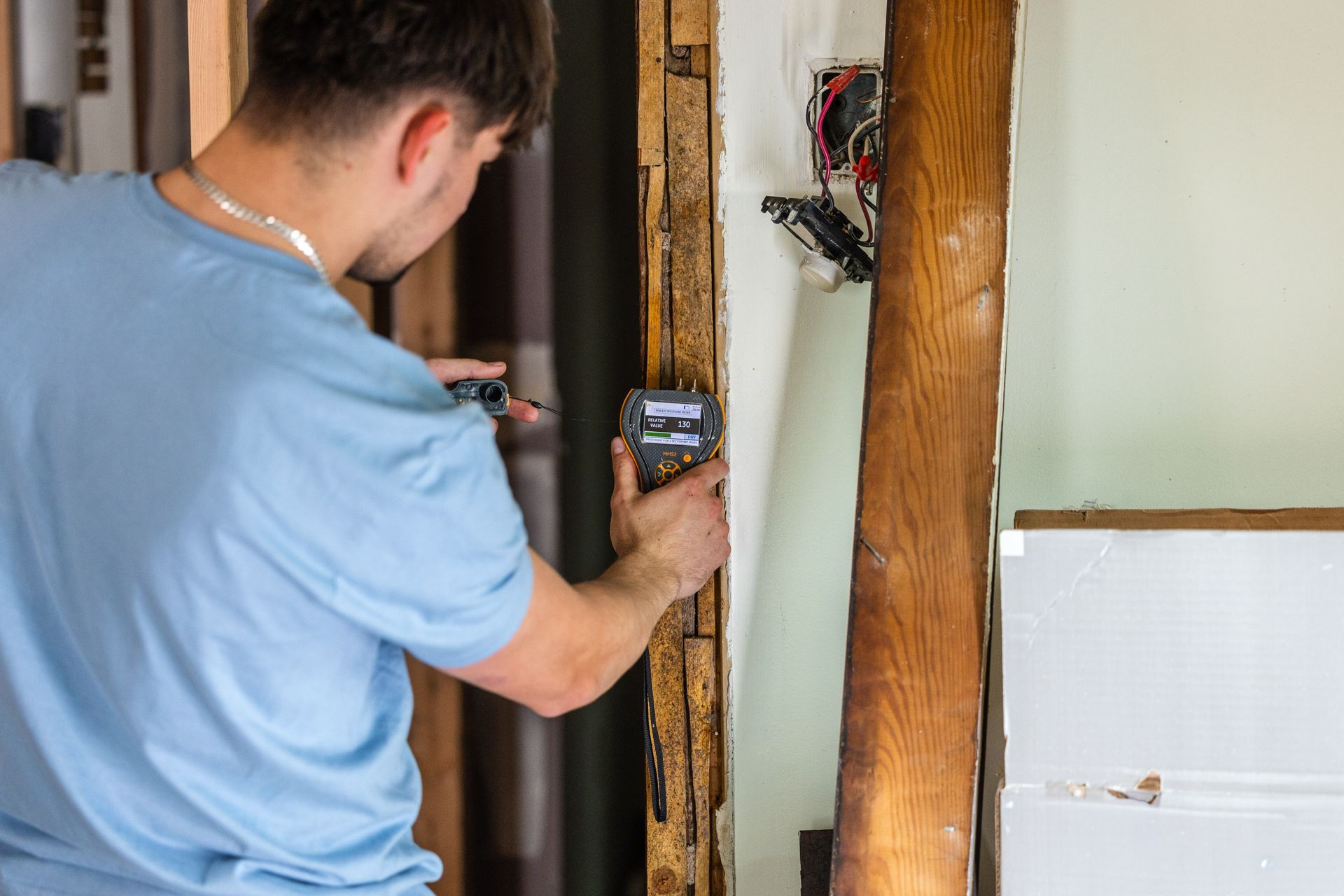
Person using a laser measure on a wooden post indoors
By CT Mold Remediation Specialists August 7, 2026
What do mold test results actually mean? Learn how spore counts are compared to outdoor samples, why season matters, and how accurate air quality testing is.
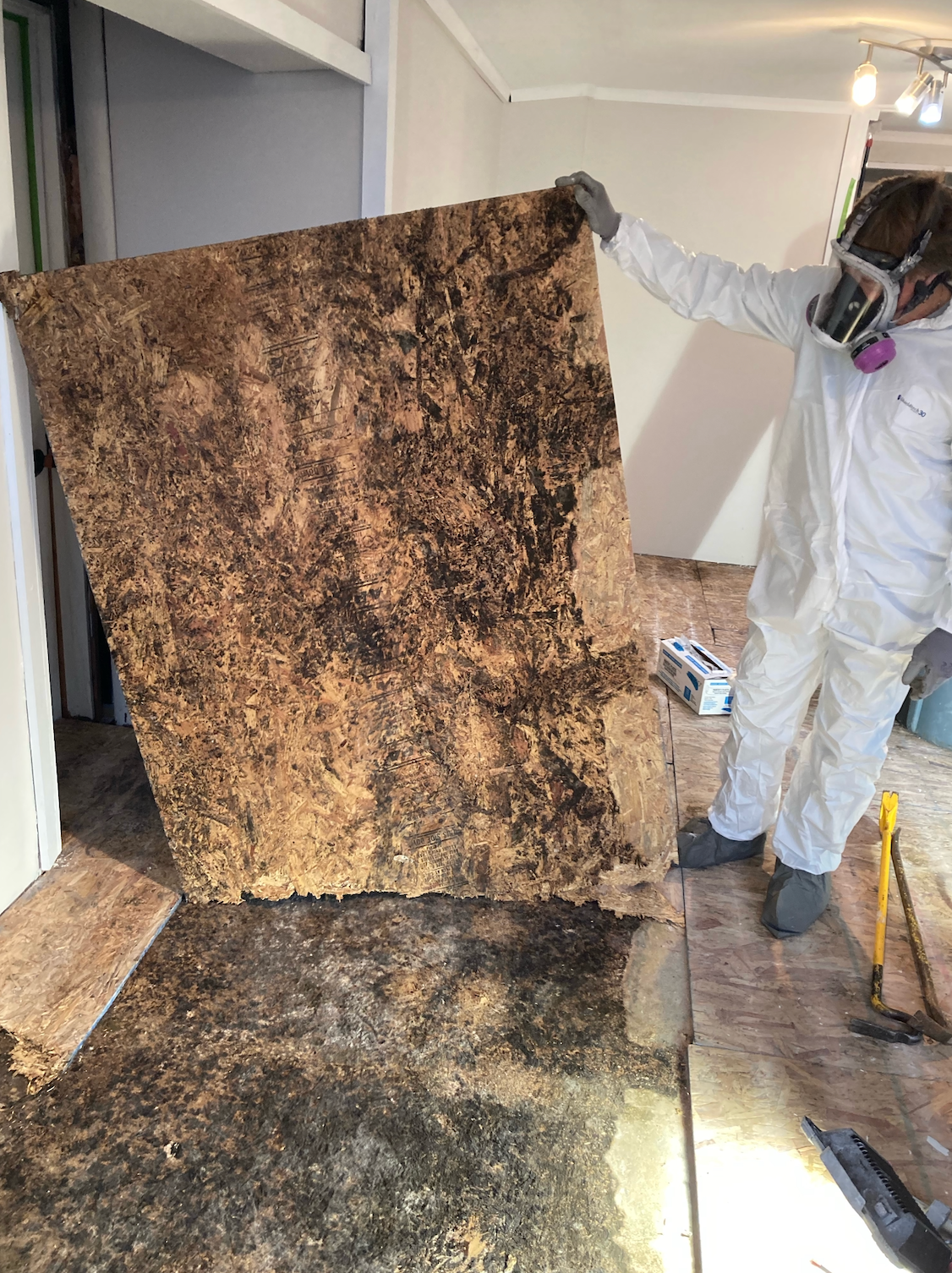
Technician in protective suit removing mold damaged material from a room
By CT Mold Remediation Specialists August 7, 2026
How is black mold identified and removed in Connecticut homes? Learn why testing matters, how containment prevents spread, and why DIY removal backfires.
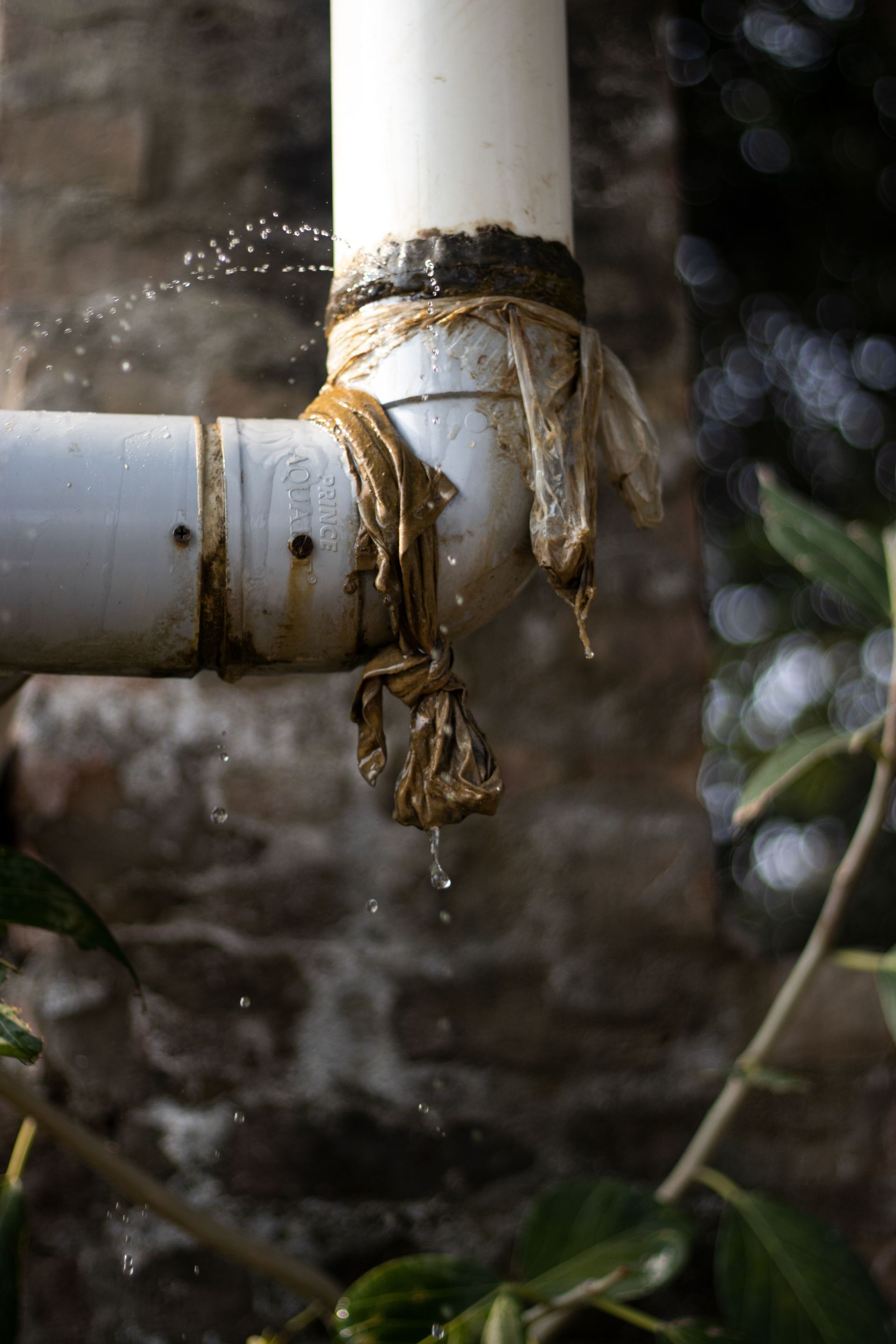
Water pooling on a residential floor near plumbing after a pipe leak
By CT Mold Remediation Specialists August 7, 2026
A pipe burst in your Connecticut home? Learn the exact first steps, why the 24 to 48 hour window matters, and how to prevent mold after water damage.
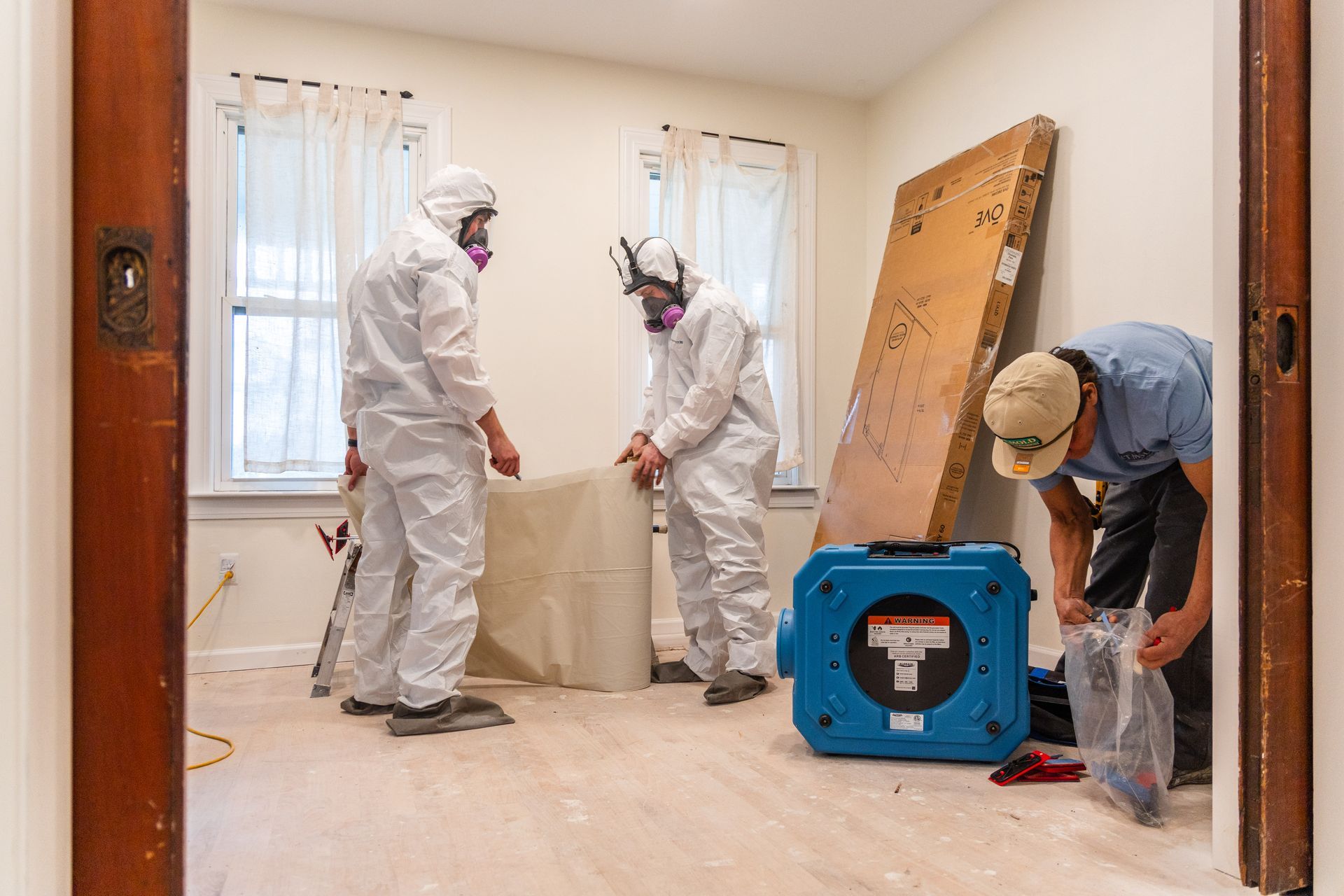
Workers in protective suits clean a room with a dehumidifier and exposed wall paneling after damage.
By CT Mold Remediation Specialists August 7, 2026
Does homeowners insurance cover water damage and mold in Connecticut? Learn the occurrence rule, why hidden leaks cause denials, and how to protect your claim.
Technician unloading inspection and remediation equipment from a service van
By CT Mold Remediation Specialists August 7, 2026
What happens during a water damage inspection in Connecticut? Learn the full process, from thermal imaging and moisture meters to insurance claim guidance.
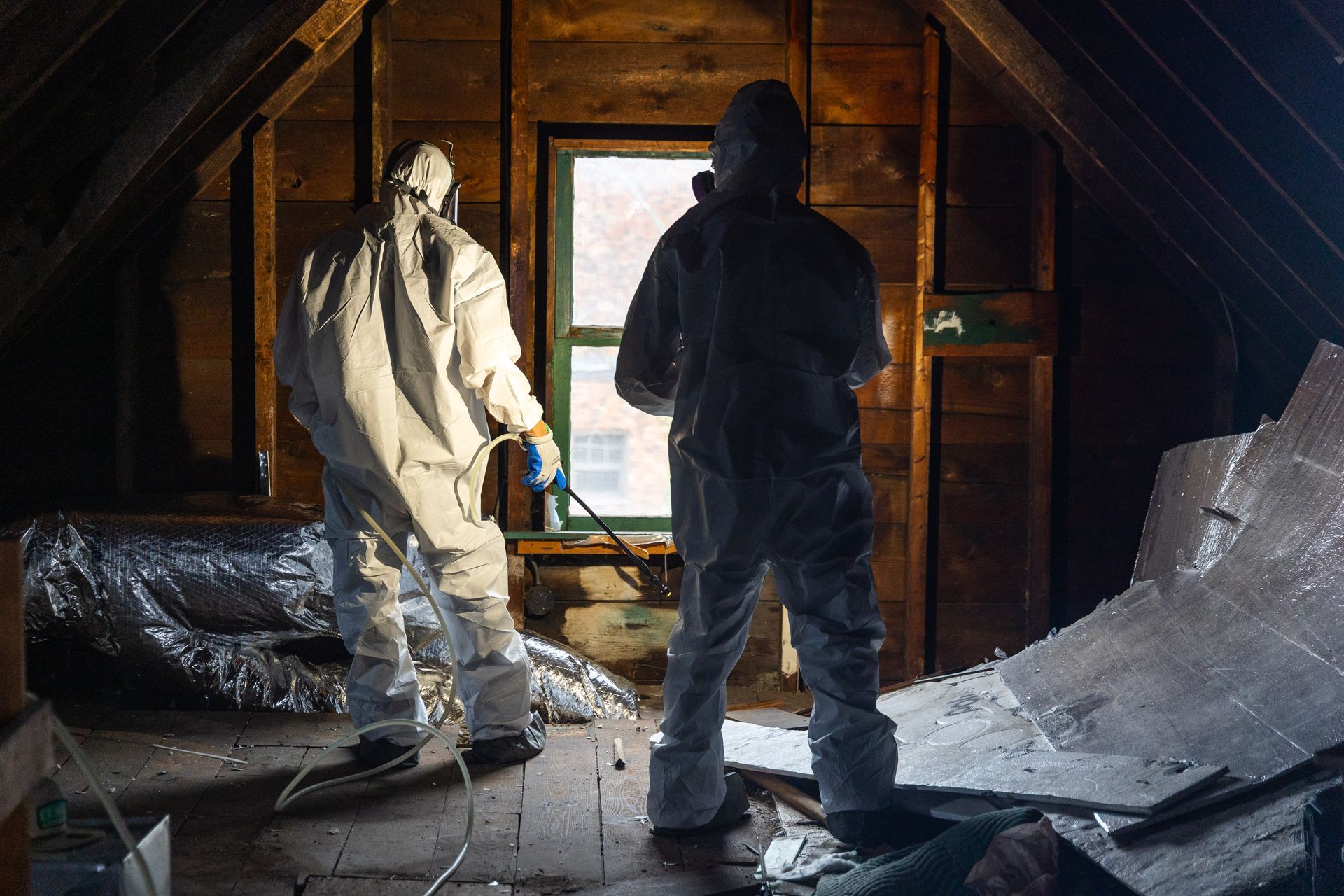
Two people in protective suits inspect a damaged attic with insulation debris and a bright window.
By CT Mold Remediation Specialists August 7, 2026
How do professionals know a house is dry after water damage? Learn how moisture mapping works, drying timelines, and the mistakes that let mold come back.
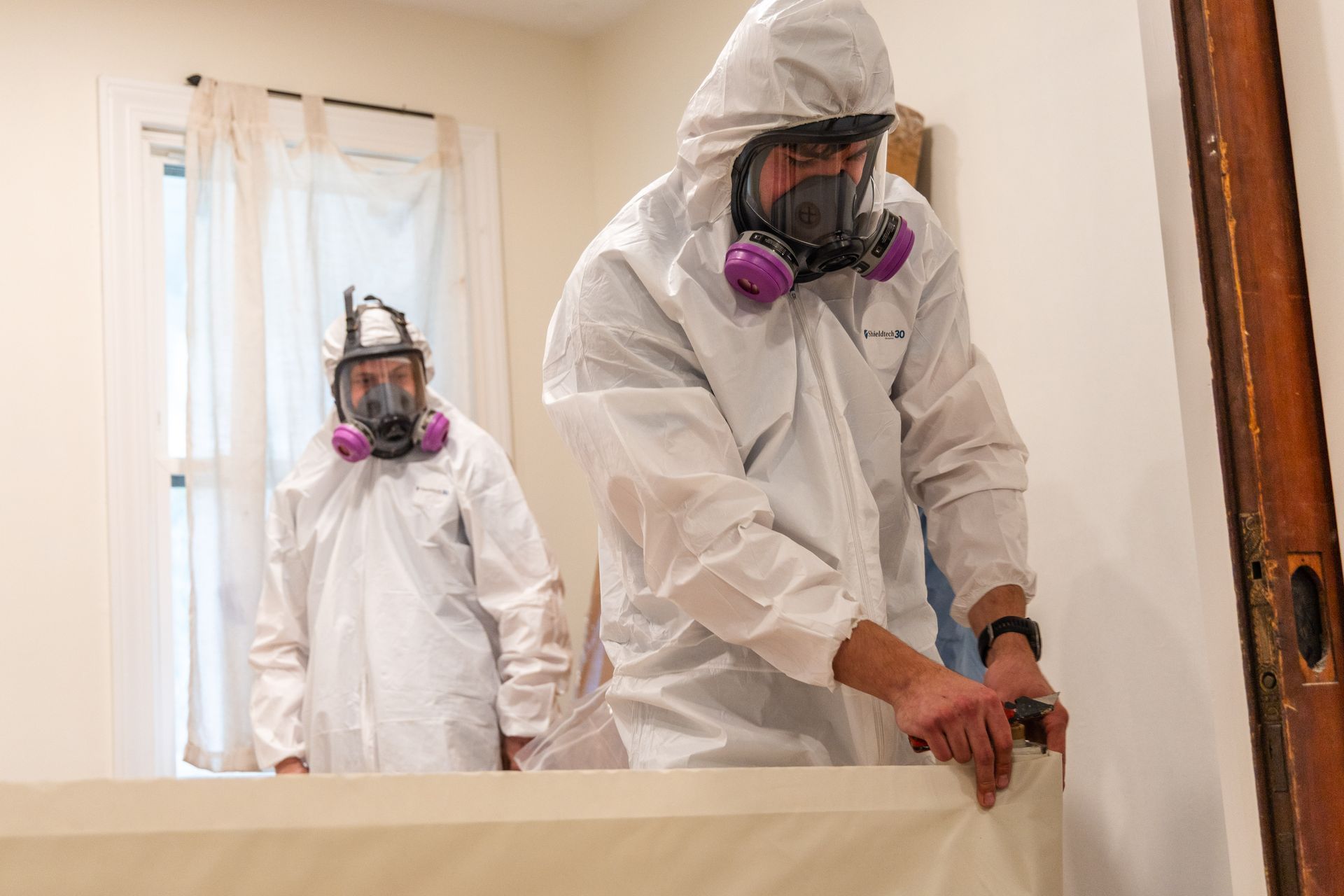
Two workers in hazmat suits and respirators cleaning a room with a window and mirror.
By CT Mold Remediation Specialists August 7, 2026
Bathroom ceiling mold in your Connecticut home? Learn how to clean it safely, fix the humidity cause, and know when it's time to call a pro.
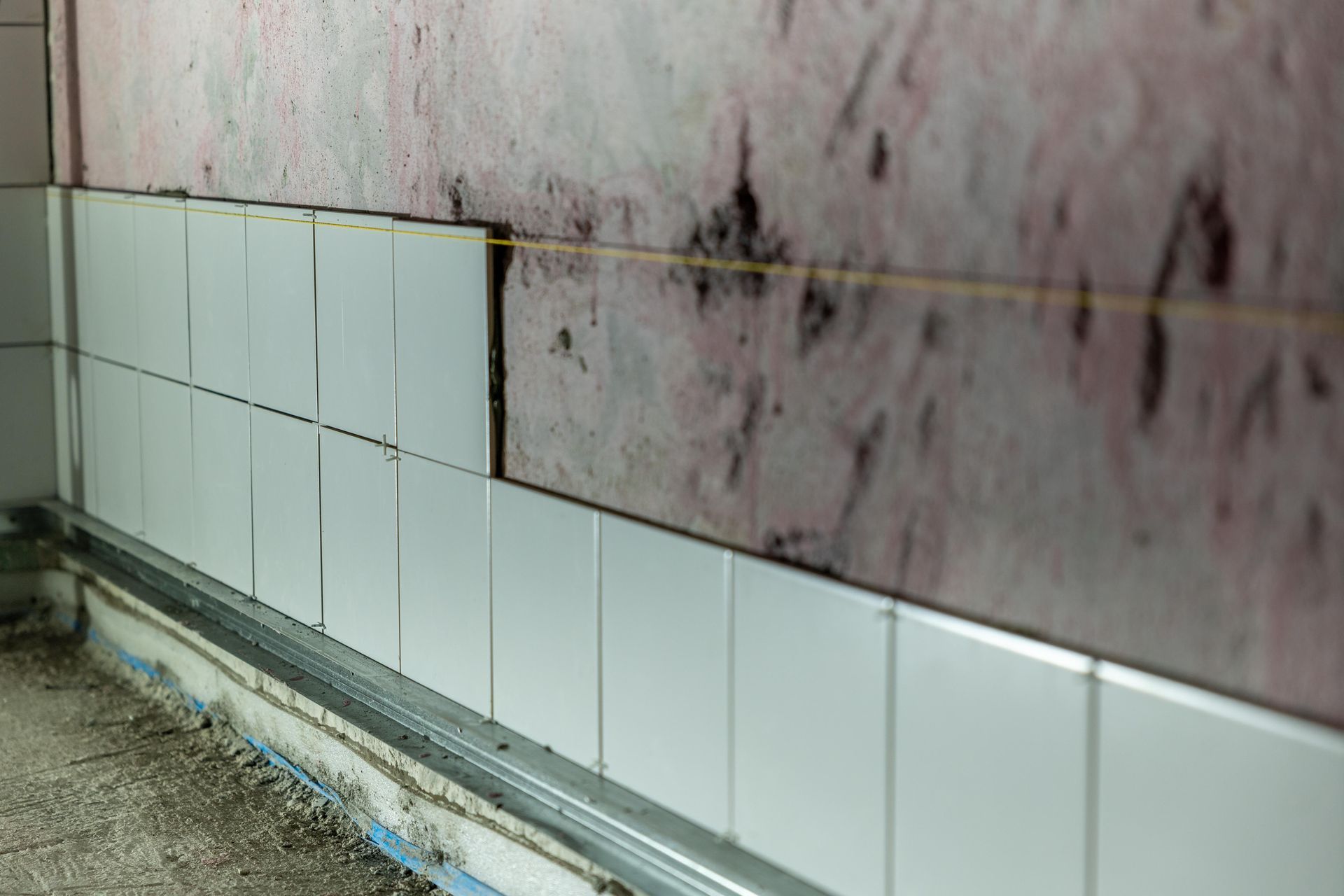
Damp stained wall above tile baseboard with water pooling on the floor
By CT Mold Remediation Specialists August 7, 2026
Fixed the leak but worried about mold? Learn why cleanup is a separate step, how to spot hidden growth, and when to call a Connecticut mold pro.

Show More