Does Insurance Cover Water Damage and Mold in Connecticut?
Homeowners insurance generally covers water damage that results from a specific occurrence, such as a tree coming through the house or a pipe bursting. Long term problems, like a shower that has been leaking for ten years, are typically treated as maintenance and fall on the homeowner.
Does Insurance Cover Water Damage and Mold in Connecticut?
This is one of the first questions homeowners ask after discovering water damage, and the answer has real financial consequences. The distinction insurers draw is not about how much damage there is or how upsetting it is. It is about whether the damage traces back to a sudden event or to a problem that developed slowly over time.
The Occurrence Standard
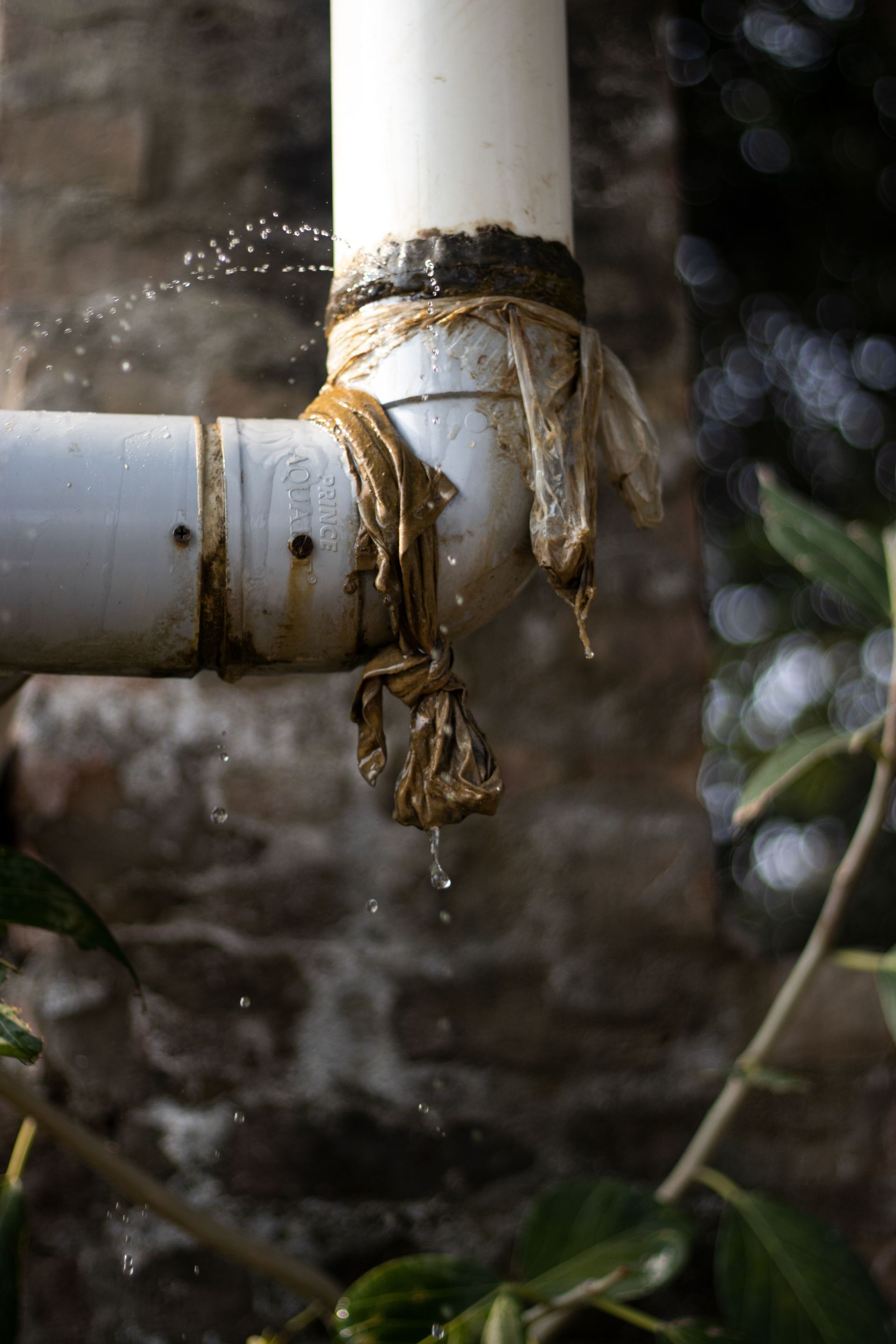
Coverage generally applies when damage comes from an occurrence, meaning a specific event that happened. A tree coming through the roof qualifies. A pipe that bursts qualifies. These are discrete, datable events, and they are typically covered.
Where Coverage Usually Falls Short
A shower that has been leaking slowly for a decade is a different category. Insurers generally classify long running leaks as maintenance issues, which means the cost falls on the homeowner. This is not a technicality applied selectively. It is the standard line between covered losses and homeowner responsibility.
The Gray Area: Hidden Leaks
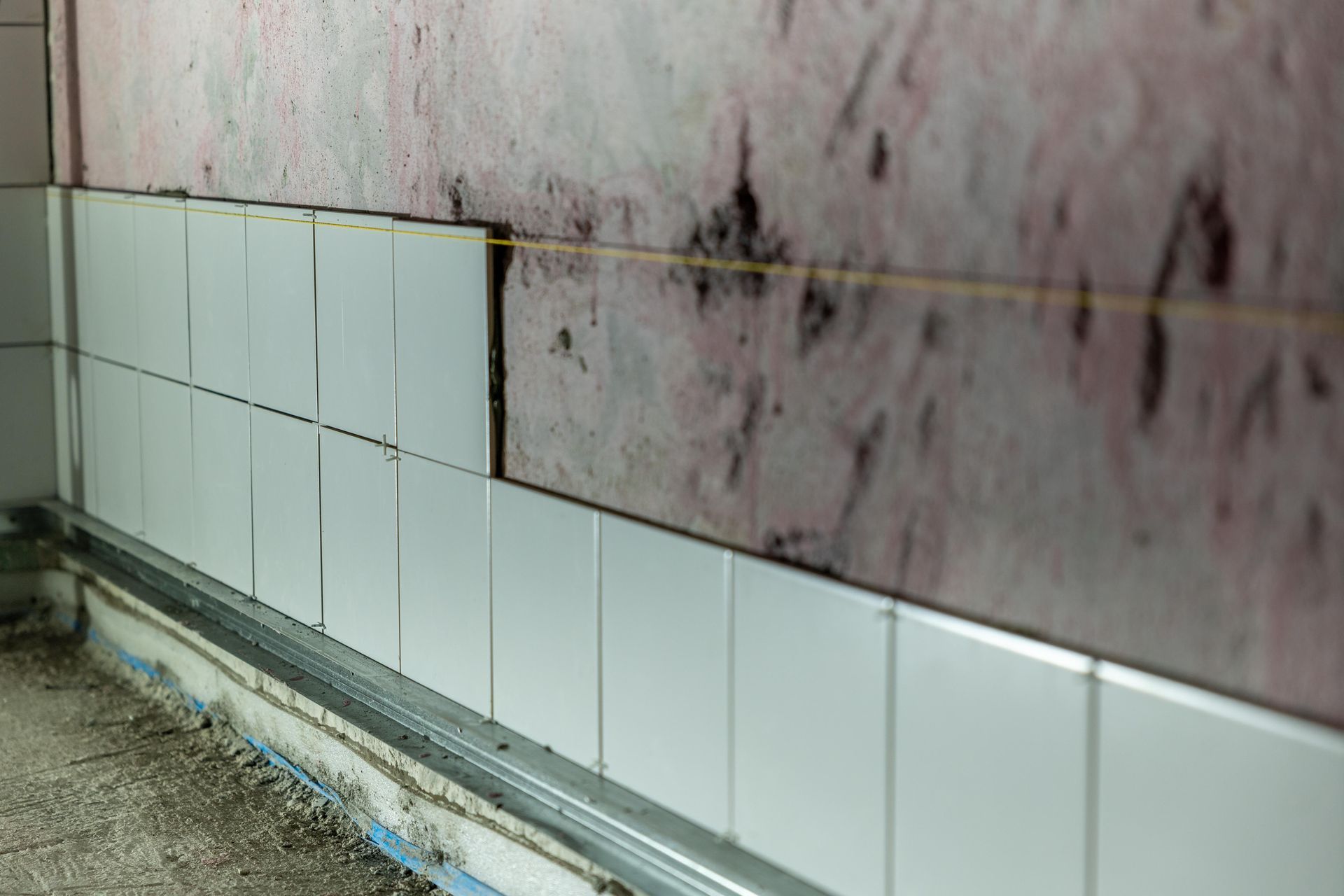
Kitchen and bathroom leaks are where this gets complicated. Sometimes insurance applies and sometimes it does not, because the water occurs behind a cabinet or behind a wall and is not discovered until it gets bad enough to surface. By that point, the leak may have been running long enough that the carrier questions whether it was sudden. This is a common source of denied or reduced claims.
Why Documentation Changes the Outcome
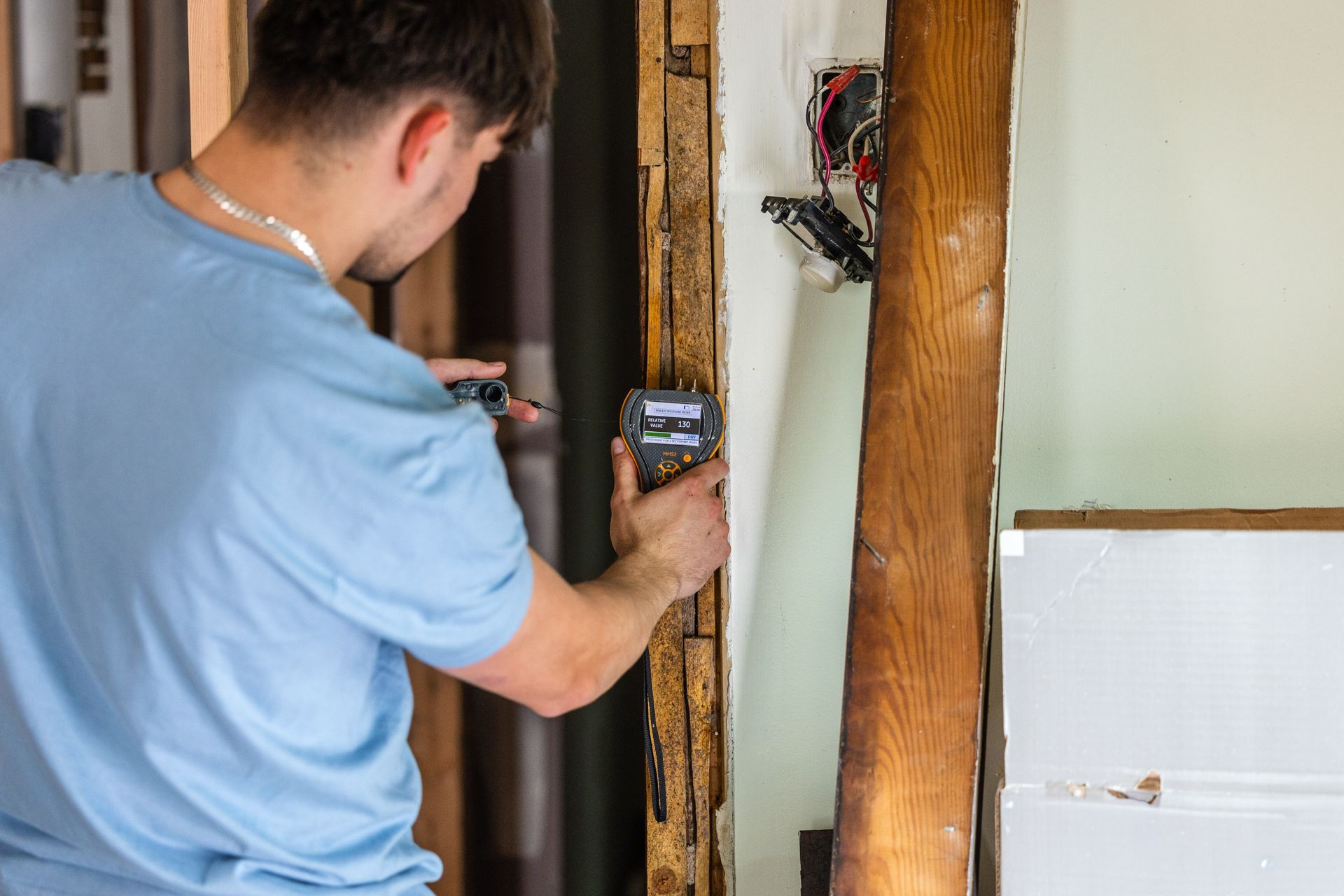
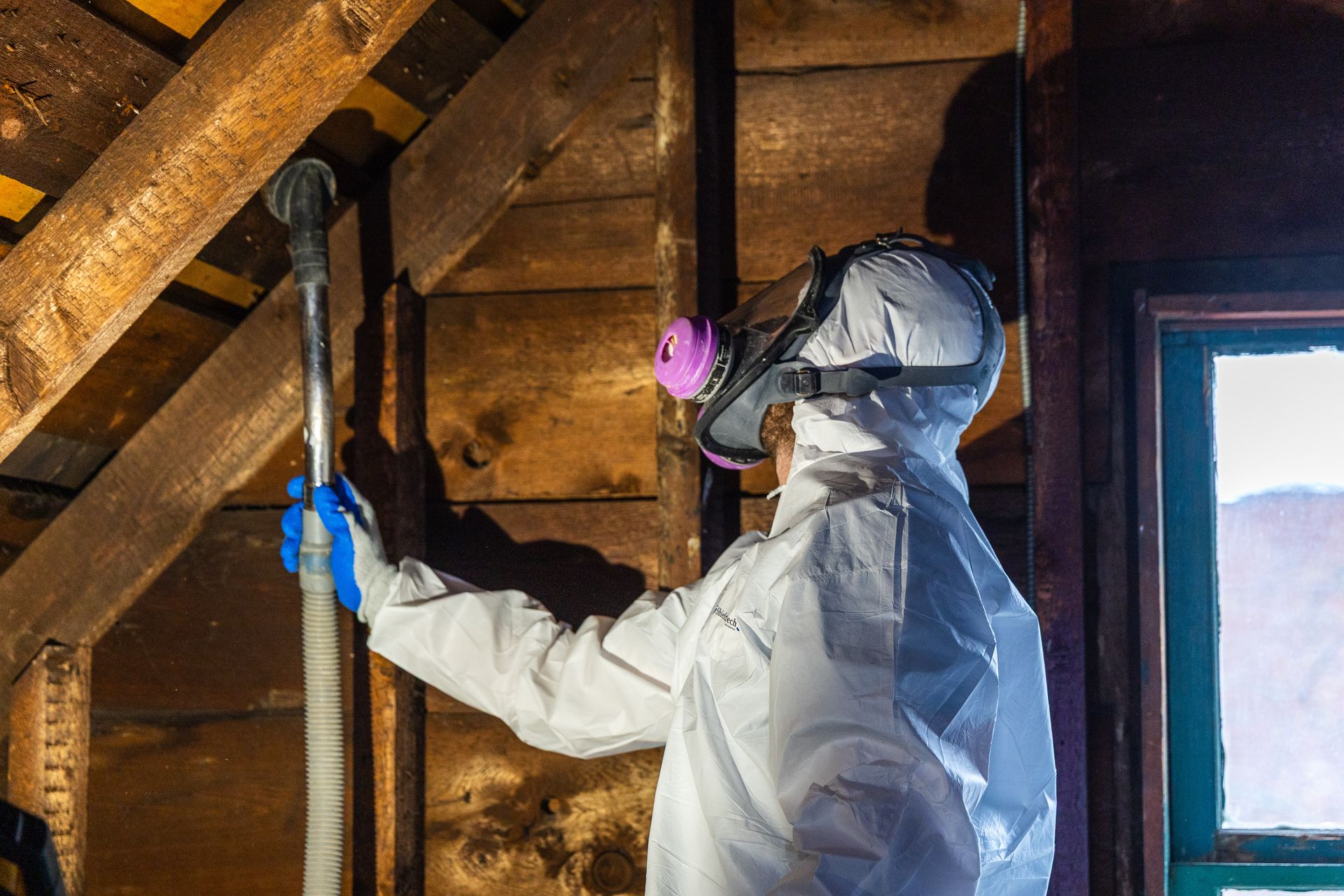
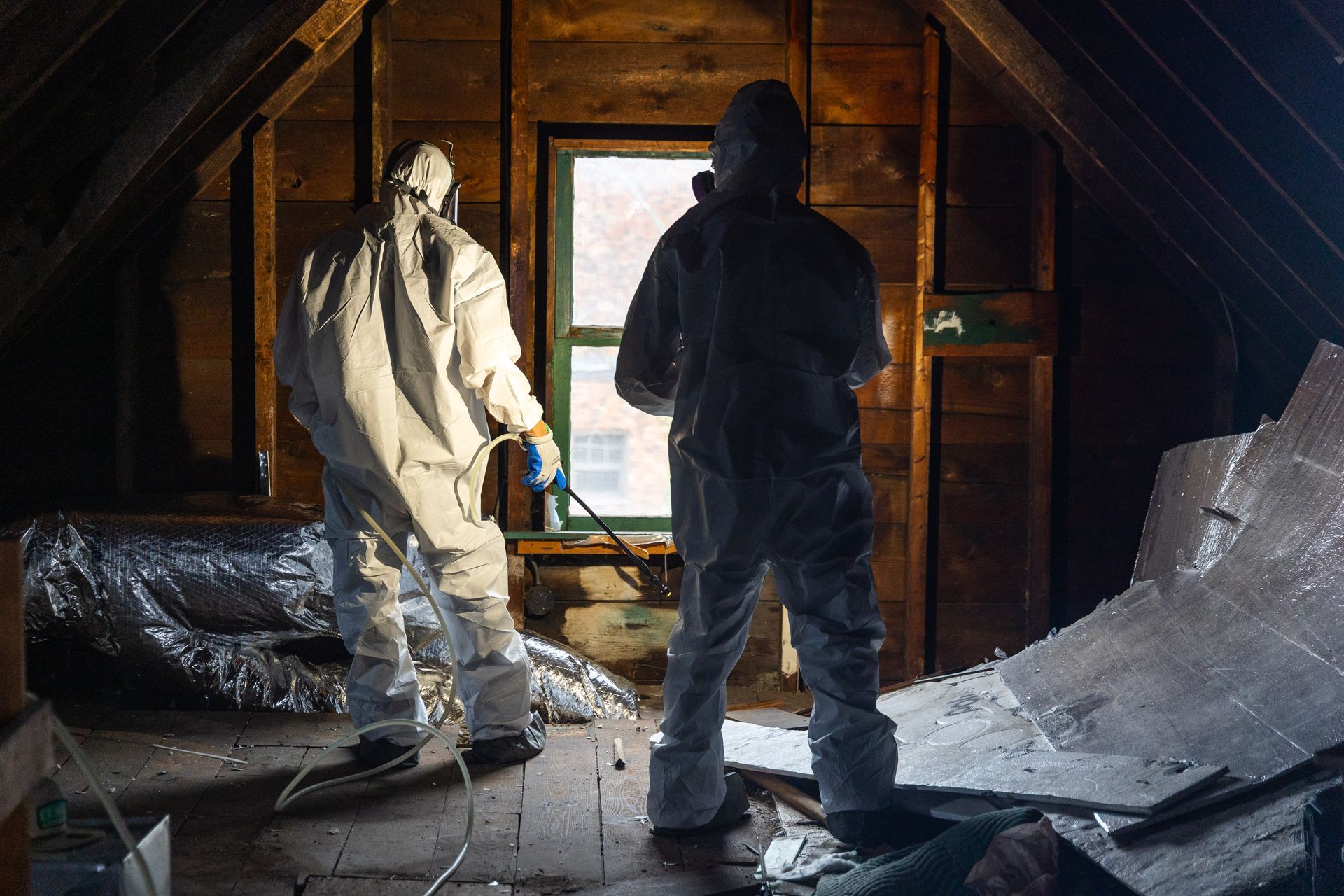
Filing a claim without knowing the full scope of the damage is where many homeowners lose money. Carriers may pay limited amounts or deny the claim outright when the documentation is thin. A professional inspection that maps the full extent of the damage with thermal imaging and moisture meters gives you a documented plan before you make the call. When there is a real mold issue, testing is also valuable for documenting it and determining how far it extends.
Frequently Asked Questions
Is water damage always covered by insurance?
No. Coverage generally applies when the damage comes from an occurrence, meaning a specific event such as a tree striking the house or a pipe bursting. Long term problems, such as a shower that has been leaking for years, are typically considered maintenance and fall on the homeowner. Policies vary, so your carrier and policy language determine the final answer.
Will insurance cover mold that resulted from a covered leak?
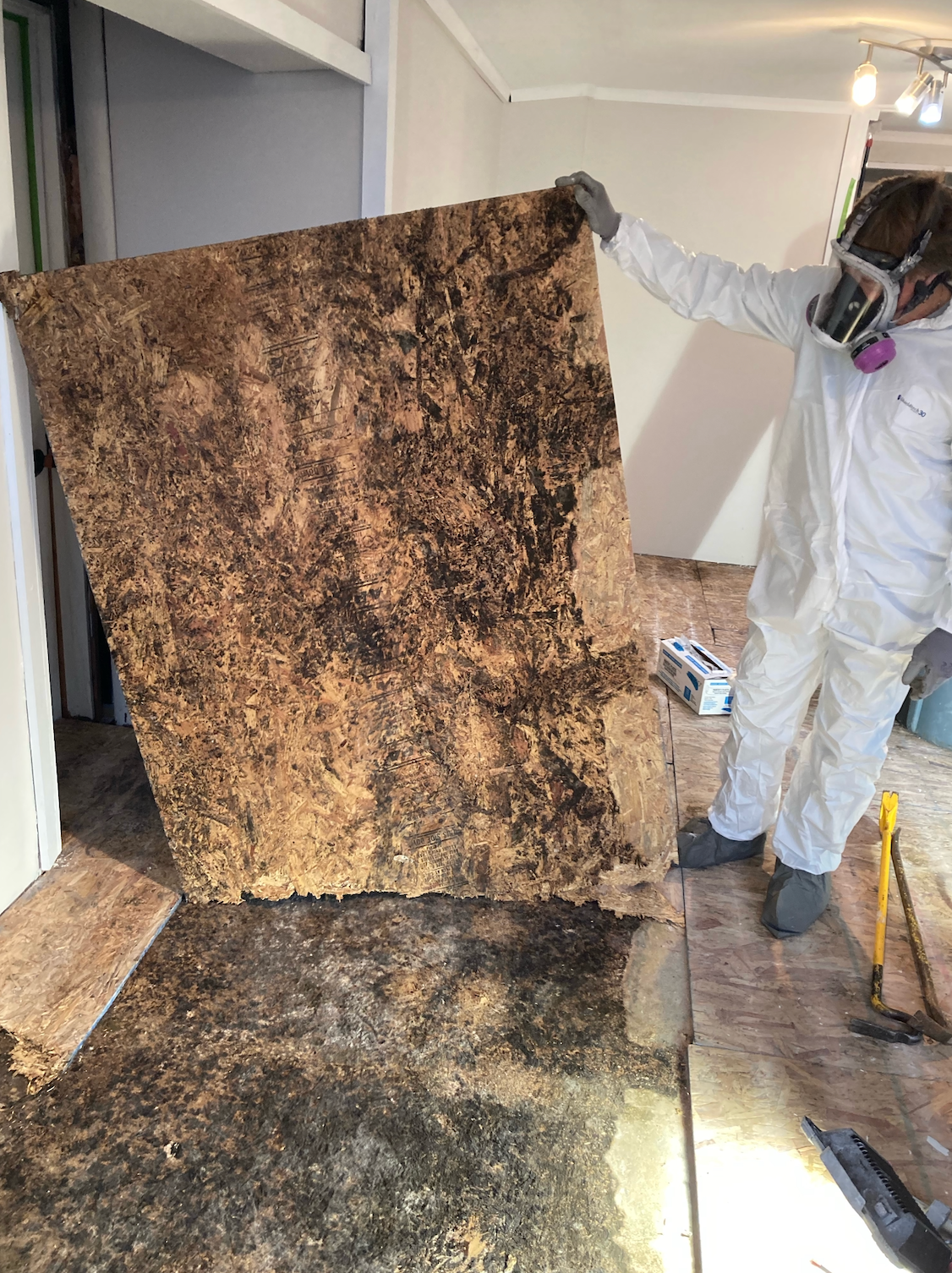
It depends on the policy and the circumstances. When mold results directly from a covered event and is addressed promptly, carriers are more likely to include it. When the underlying leak was long running or discovered late, coverage becomes less certain. Documentation from an inspection and mold testing strengthens the case either way.
Why do hidden kitchen and bathroom leaks cause claim problems?
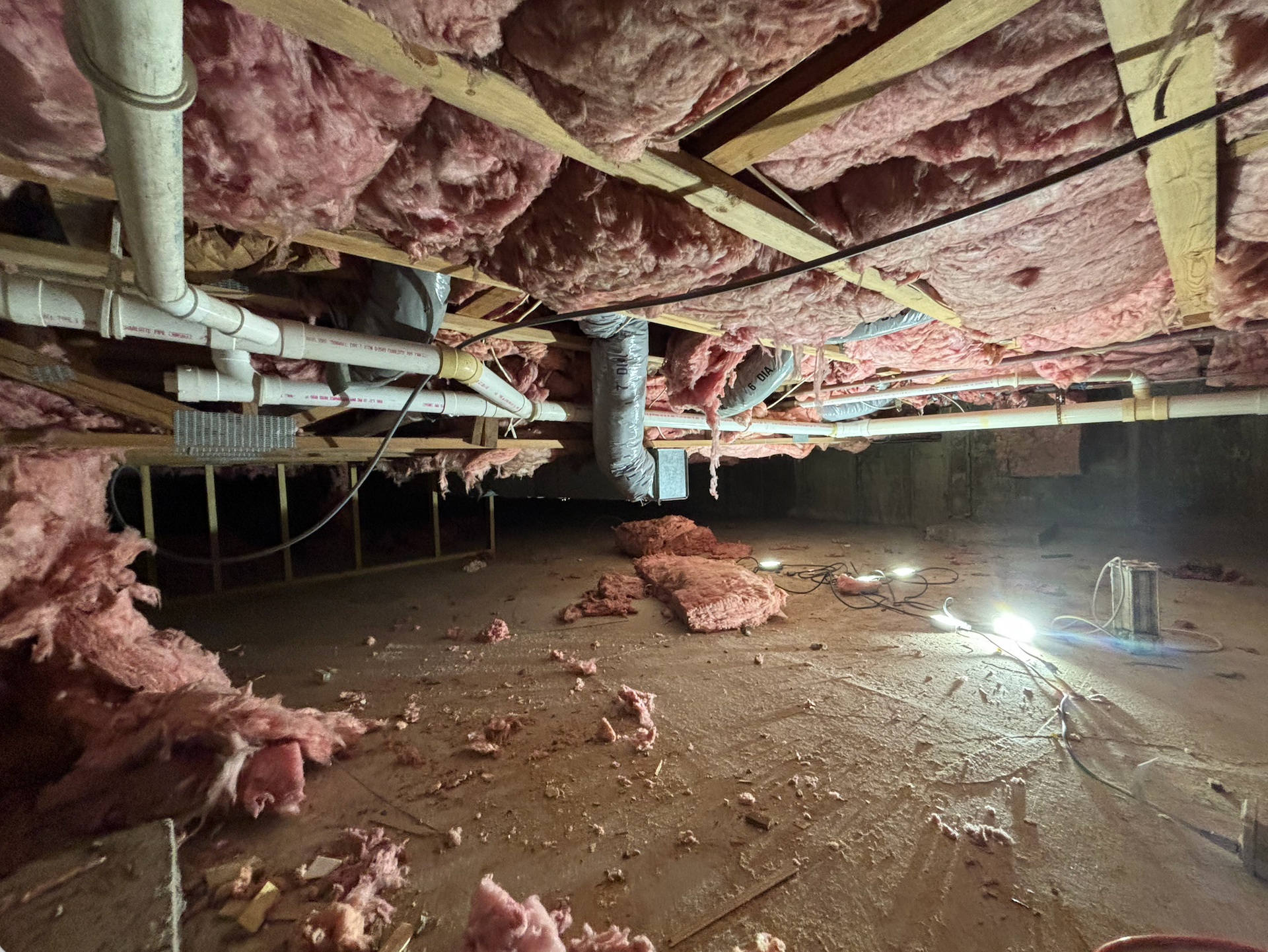
Because the water occurs behind cabinets and behind walls, the leak often is not discovered until damage surfaces. That delay makes it harder to establish the loss as sudden, so insurance sometimes applies and sometimes does not. Catching these leaks early, by checking the space below the kitchen or bath, improves both the repair outcome and the claim outcome.
Should I file the claim before or after an inspection?
Having a plan in place before you call is the safer approach. Filing without knowing the full scope is a common reason homeowners receive limited payment or a denial. An inspection documents the extent of the damage first, which gives the carrier a complete picture from the start.
Is mold testing worth paying for if insurance may not cover it?
Often yes, for two reasons. In many cases it provides peace of mind, and roughly 30 percent of the time a home clearly has no mold issue but the homeowner or their doctor wants confirmation. When there is a real mold issue, testing documents it and determines how far it extends, which is exactly the information a claim needs.
When to Call a Professional
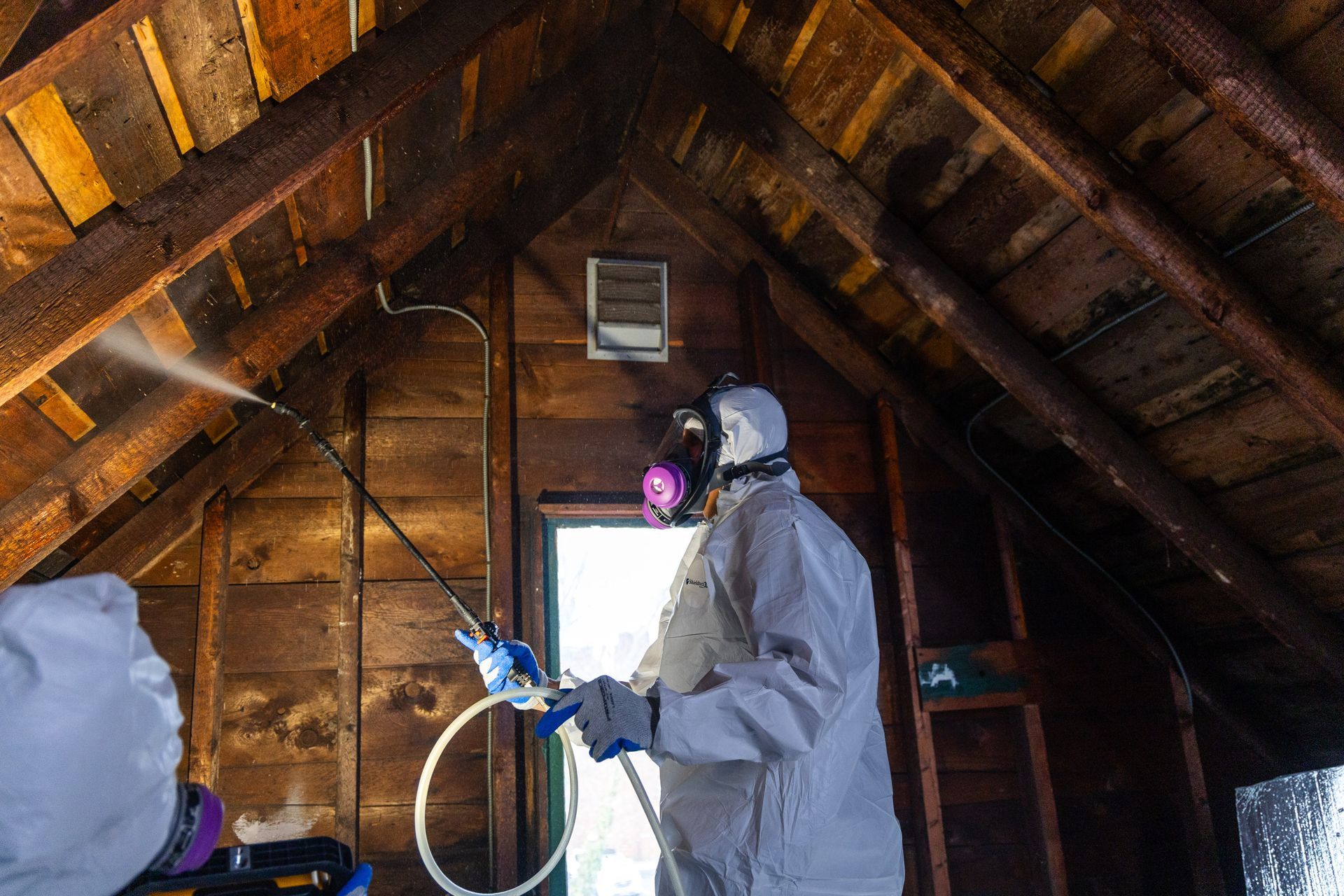
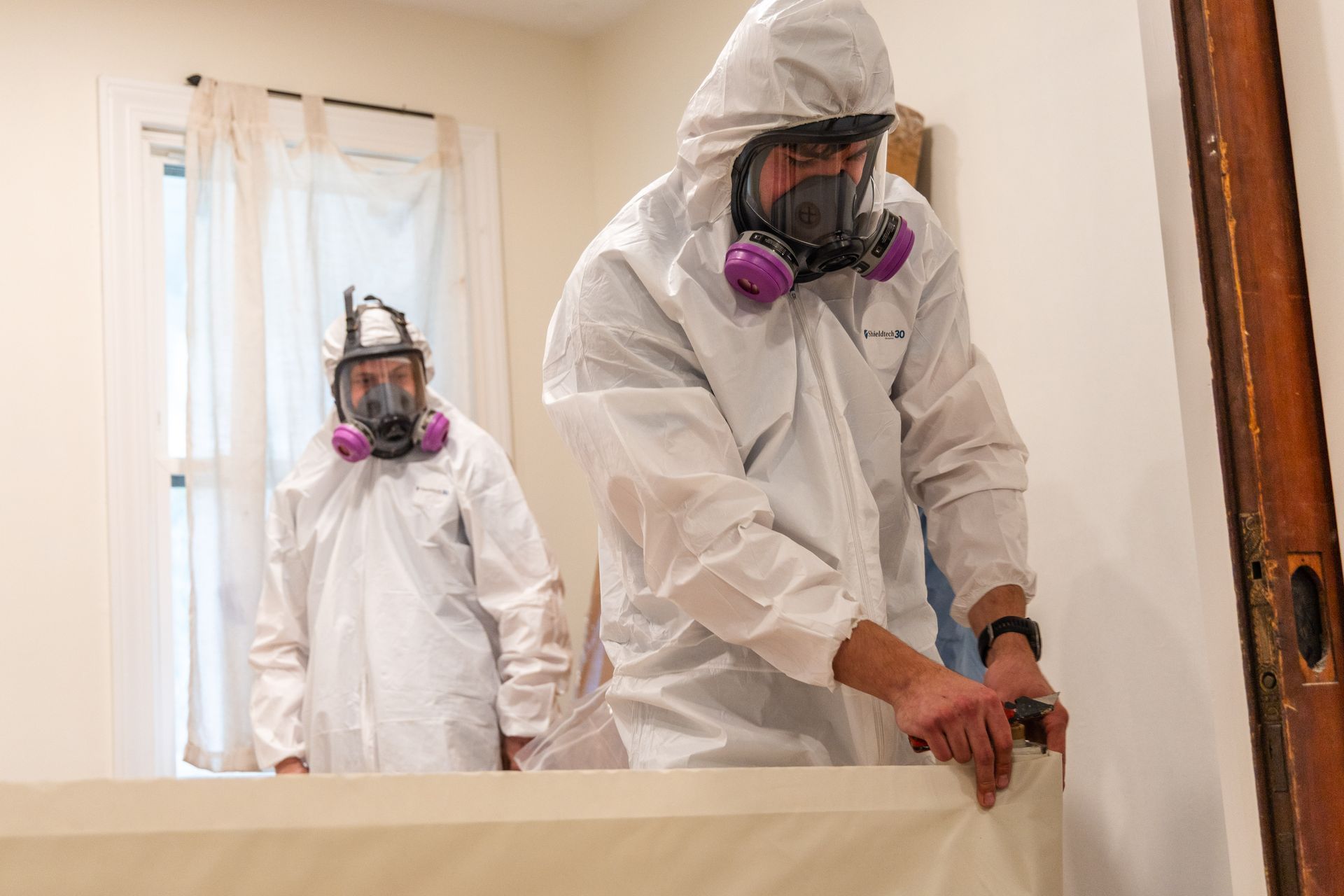
If you have discovered water damage and are unsure whether it will be covered, get the scope documented before filing. CT Mold Man provides water damage inspection, mold remediation, and air quality testing across Connecticut, and in most cases works directly with the insurance company on behalf of the homeowner.