
What a Water Damage Inspection Includes, Start to Finish

August 7, 2026

A water damage inspection takes about an hour and includes discussing the history of the issue, using thermal imaging and moisture meters to map the full scope of the damage, and guidance on filing an insurance claim.

What a Water Damage Inspection Includes, Start to Finish

Most Connecticut homeowners call after they notice something small: paint bubbling, a stain spreading on a ceiling, or the sound of dripping with no obvious source. What makes water damage difficult is that the visible sign is rarely the full extent of the problem. An inspection exists to find the real boundary of the damage before anyone starts opening walls or filing paperwork.

Step One: The Backstory

The inspection starts with a conversation. Understanding when the issue started, what changed in the home, and what has already been repaired shapes where to look. A leak that a plumber fixed last month tells a very different story than a stain that appeared overnight.

Step Two: Thermal Imaging and Moisture Meters

Thermal imaging and moisture meters are used to determine the entire scope of what is involved. This is the part homeowners cannot replicate on their own. A hidden leak can soak an entire ceiling and an entire tile floor while showing only a single small drop on the surface, because the paint thickness, drywall thickness, and insulation in the cavity all hide the water. Without specialized tools, that damage stays invisible.

Step Three: Determining Whether the Damage Is Active or Old

Moisture readings answer this directly. If materials are still physically wet, the issue is active, which changes both the urgency and the approach. Old, dried damage is handled differently than a leak that is still running.

Step Four: Insurance Guidance

Once the scope is determined, the findings are documented and used to guide the homeowner through filing a claim with their insurance company. This is where many homeowners lose money. Filing without knowing the full scope often results in limited payment or a denied claim, so having a documented plan in place before the call matters. In most cases CT Mold Man works directly with the insurance company.

Frequently Asked Questions

  • How long does a water damage inspection take?

    About an hour for a typical residential inspection. That includes discussing the history of the problem, walking the affected areas, and using thermal imaging and moisture meters to map the full extent of the damage. Larger or multi level losses can take longer depending on how many areas are involved.

  • When should someone get a water damage inspection?

    As soon as there are signs of water. Common indicators include bubbling paint, water stains on a ceiling, visible moisture with no clear source, dripping you can hear but not locate, or a musty smell that was not there before. If something changed noticeably in a home you have lived in for years, that change is worth inspecting.

  • Can water damage exist without visible stains?

    Yes, and more often than not it does. Depending on the thickness of the paint, the thickness of the drywall, and whether there is insulation in the wall cavity, water can soak the material without ever showing on the surface. In those cases the back side of the drywall is usually where mold is growing.

  • What do homeowners most often miss?

    Hidden leaks, especially after a remodel. One common scenario involves a bathroom remodeled a year earlier where the only visible clue was a faint smell and a single water drop on the ceiling below. The entire ceiling and the entire tile floor turned out to be soaked. Slow leaks are easy to overlook without moisture detection tools.

  • Does CT Mold Man work with insurance companies?

    Yes, in most cases. The inspection findings are used to help document the claim and guide homeowners through the filing process. Having the full scope identified before filing is what protects the claim, since incomplete documentation is a common reason claims come back with limited payment or a denial.

When to Call a Professional

If you have noticed bubbling paint, ceiling stains, unexplained moisture, or a musty smell that was not there before, an inspection is the right first step. It also matters if a recent remodel is showing early signs of trouble. CT Mold Man provides water damage inspection, mold remediation, and air quality testing across Connecticut, and refers homeowners to trusted contractors for the rebuild work.

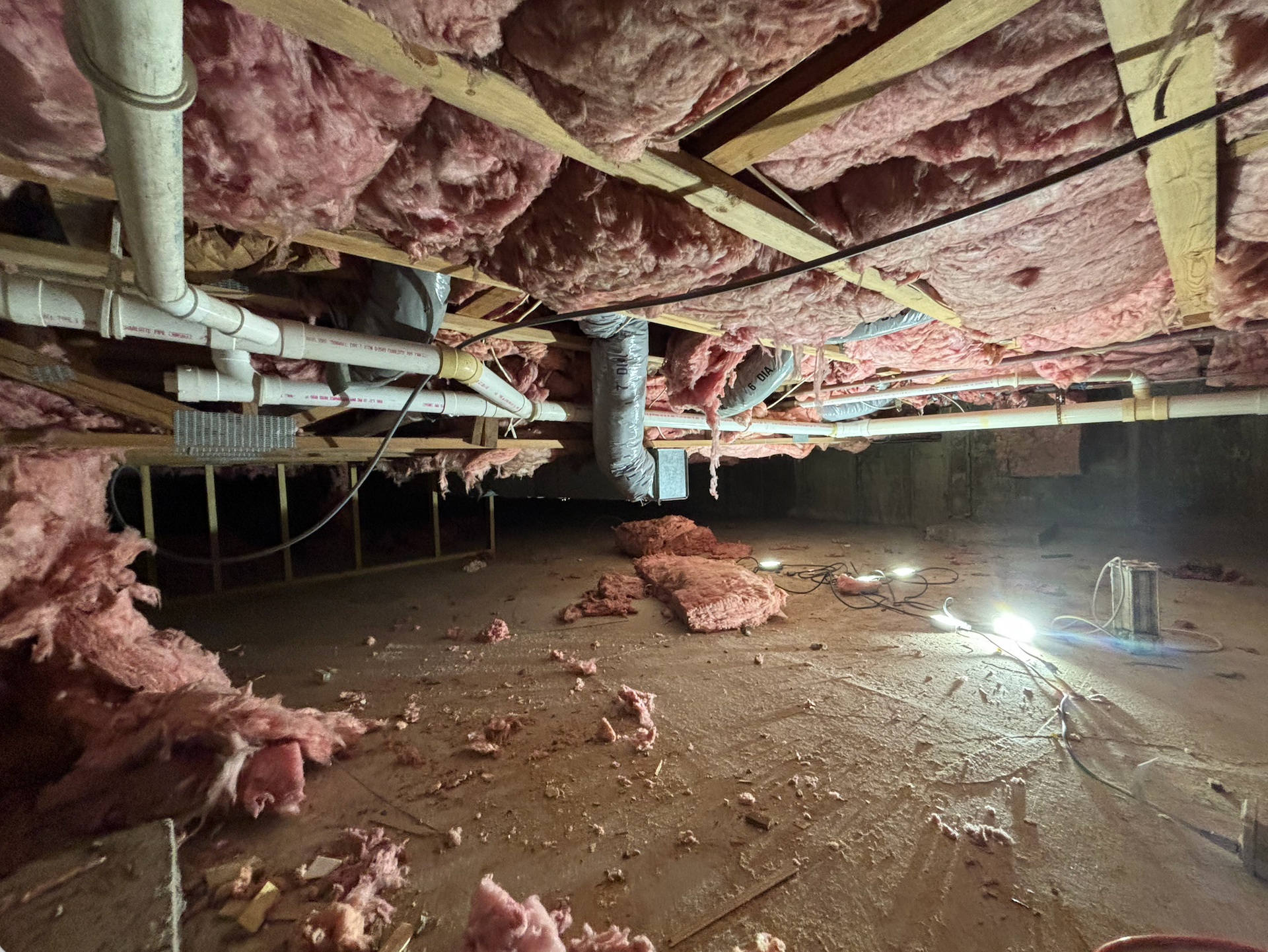
Unfinished basement crawl space with exposed pipes, insulation, and bare concrete
By CT Mold Remediation Specialists August 7, 2026
Crawl space mold is as serious as basement mold, and often worse. Learn why crawl spaces stay humid and where a dehumidifier actually belongs in your home.
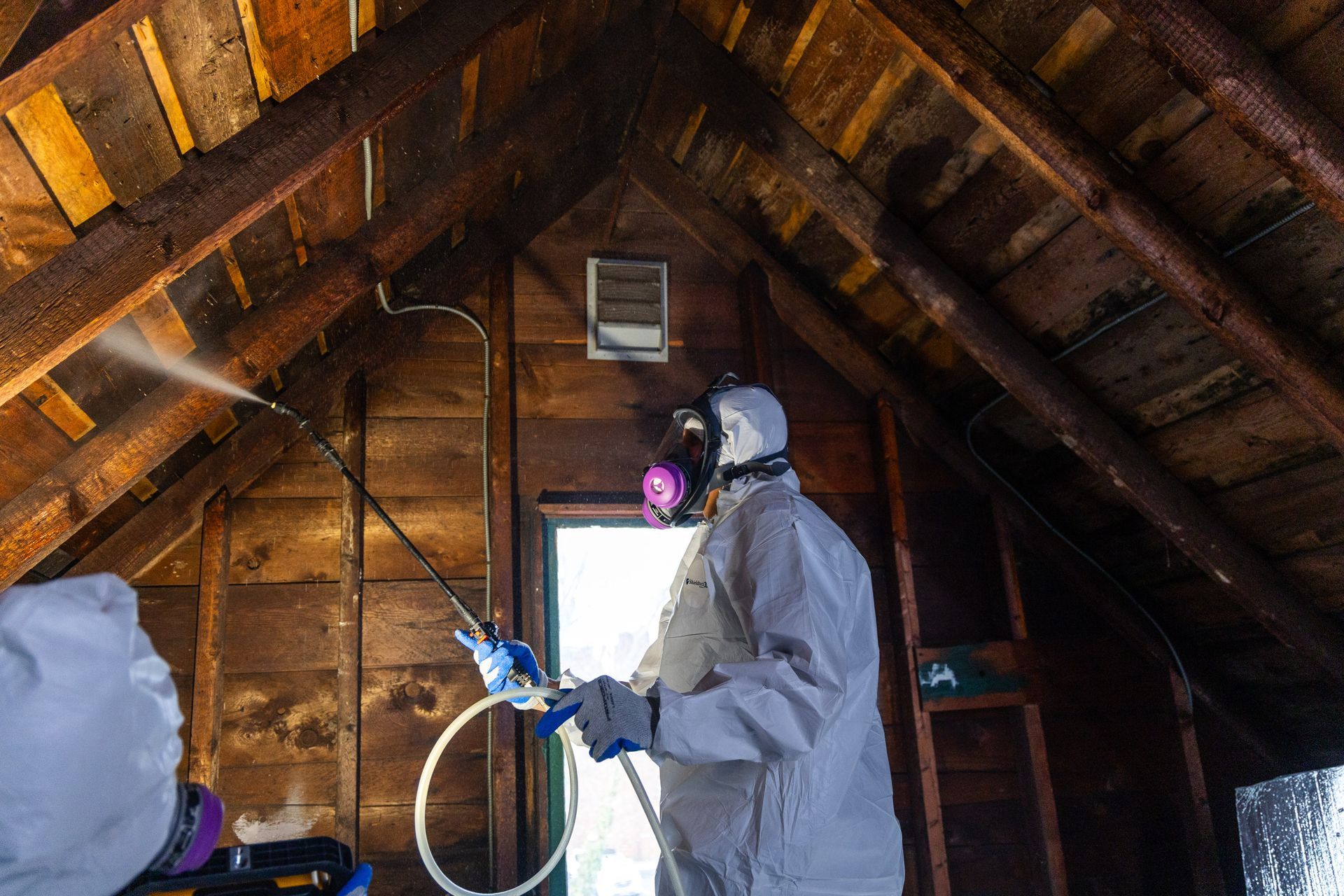
Person in white protective suit spraying the attic rafters with a blue nozzle under exposed wooden beams.
By CT Mold Remediation Specialists August 7, 2026
Can you stay home during mold remediation? Learn how containment and negative pressure work, when leaving makes sense, and what to expect during the process.
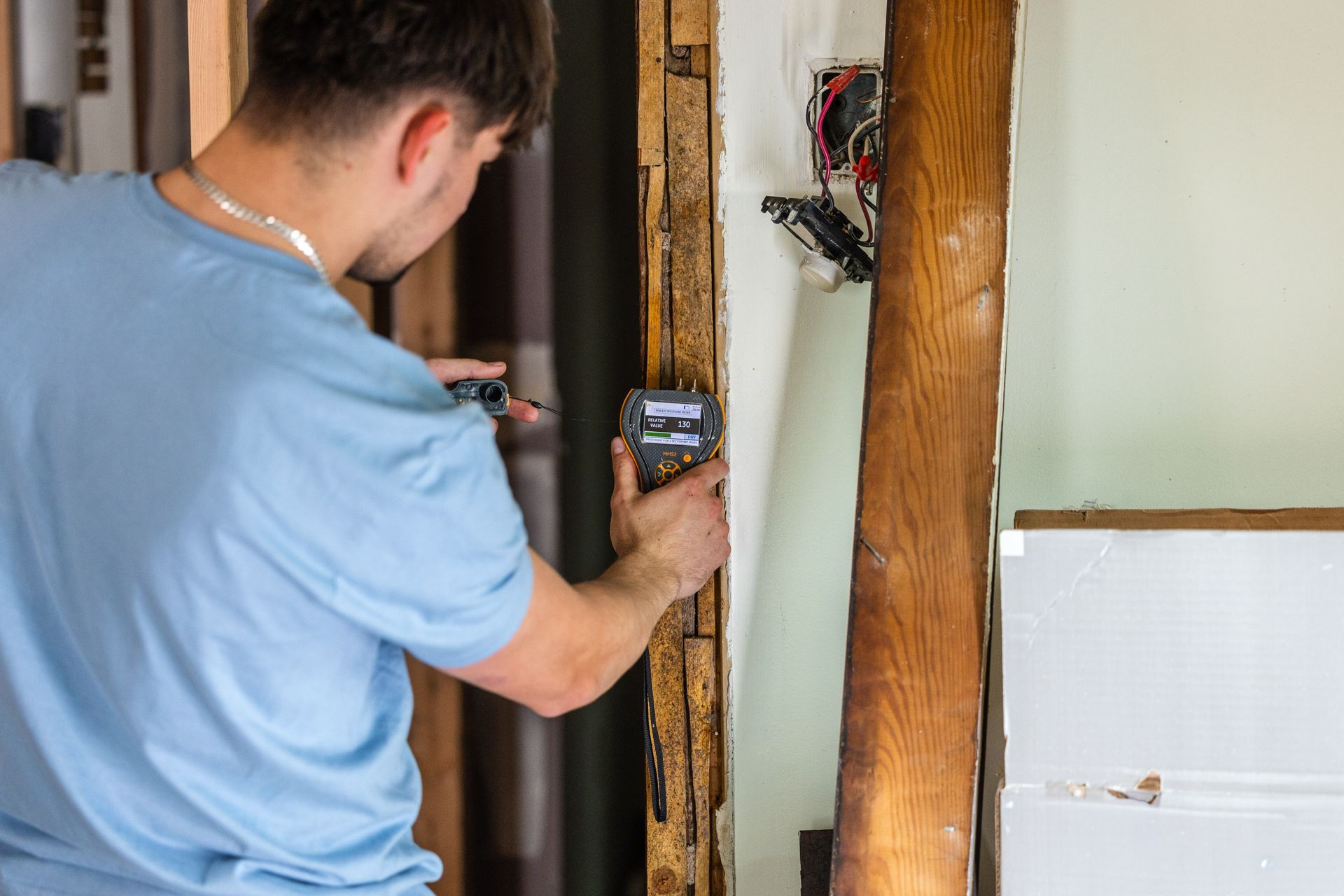
Person using a laser measure on a wooden post indoors
By CT Mold Remediation Specialists August 7, 2026
What do mold test results actually mean? Learn how spore counts are compared to outdoor samples, why season matters, and how accurate air quality testing is.
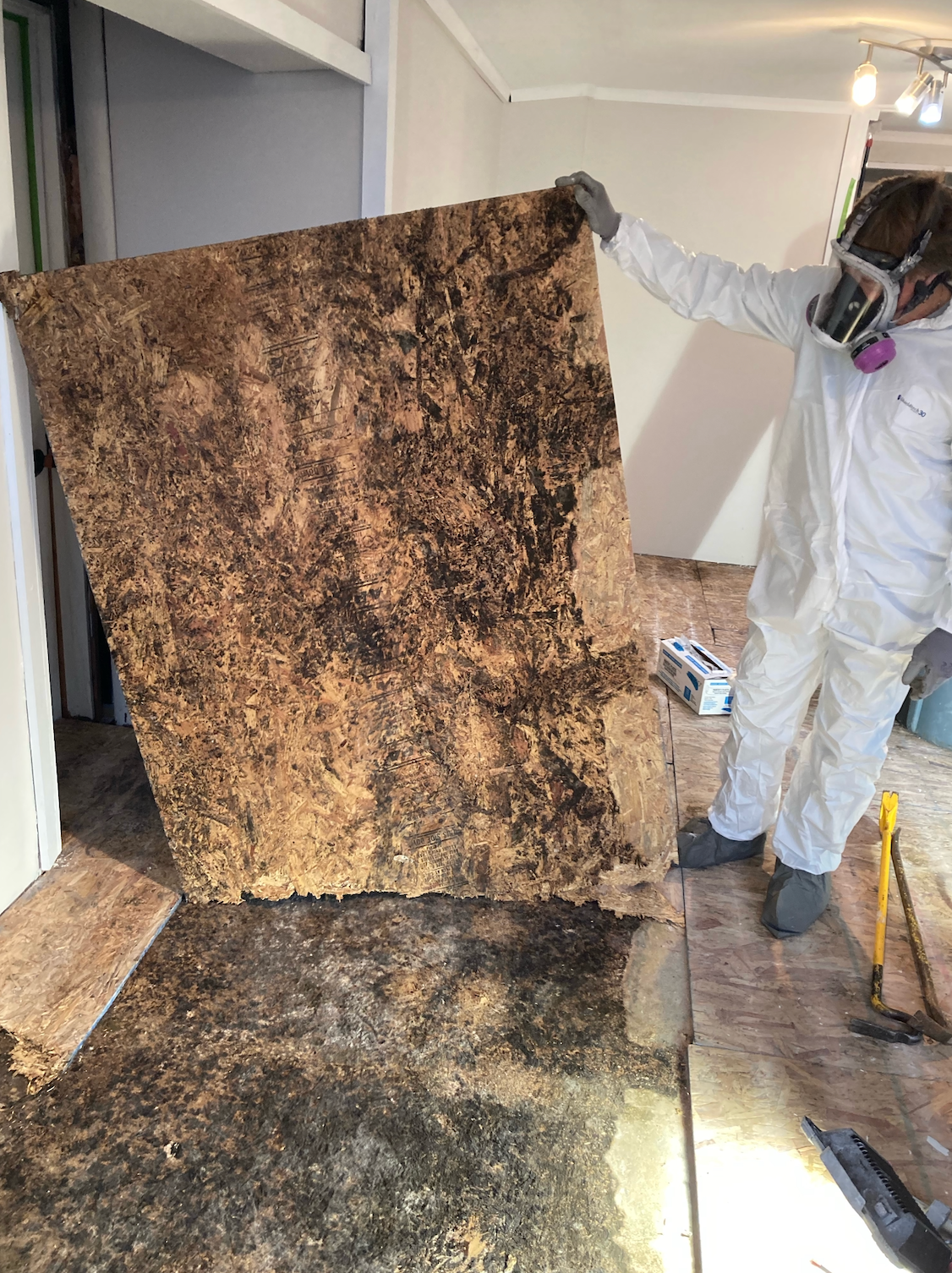
Technician in protective suit removing mold damaged material from a room
By CT Mold Remediation Specialists August 7, 2026
How is black mold identified and removed in Connecticut homes? Learn why testing matters, how containment prevents spread, and why DIY removal backfires.
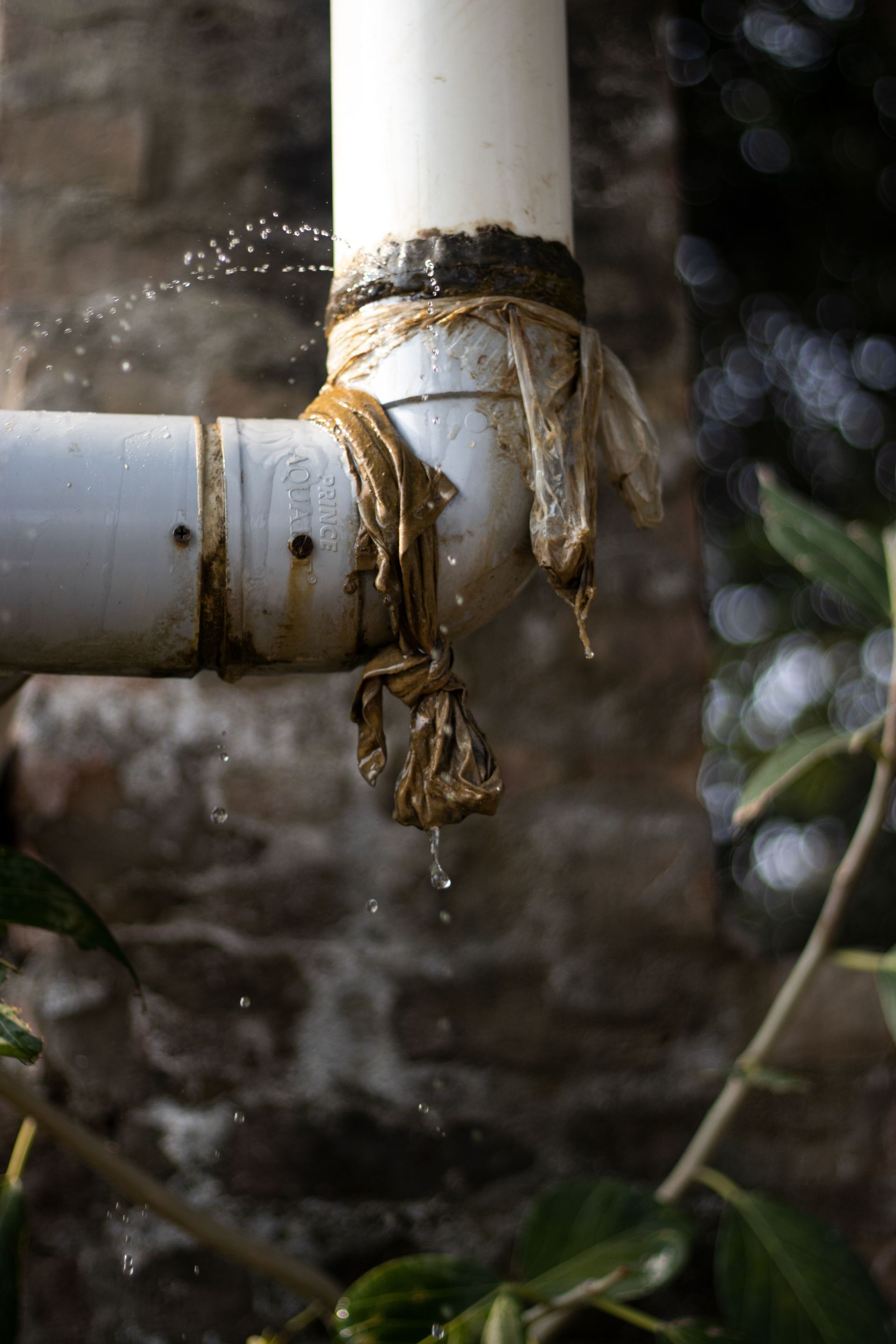
Water pooling on a residential floor near plumbing after a pipe leak
By CT Mold Remediation Specialists August 7, 2026
A pipe burst in your Connecticut home? Learn the exact first steps, why the 24 to 48 hour window matters, and how to prevent mold after water damage.
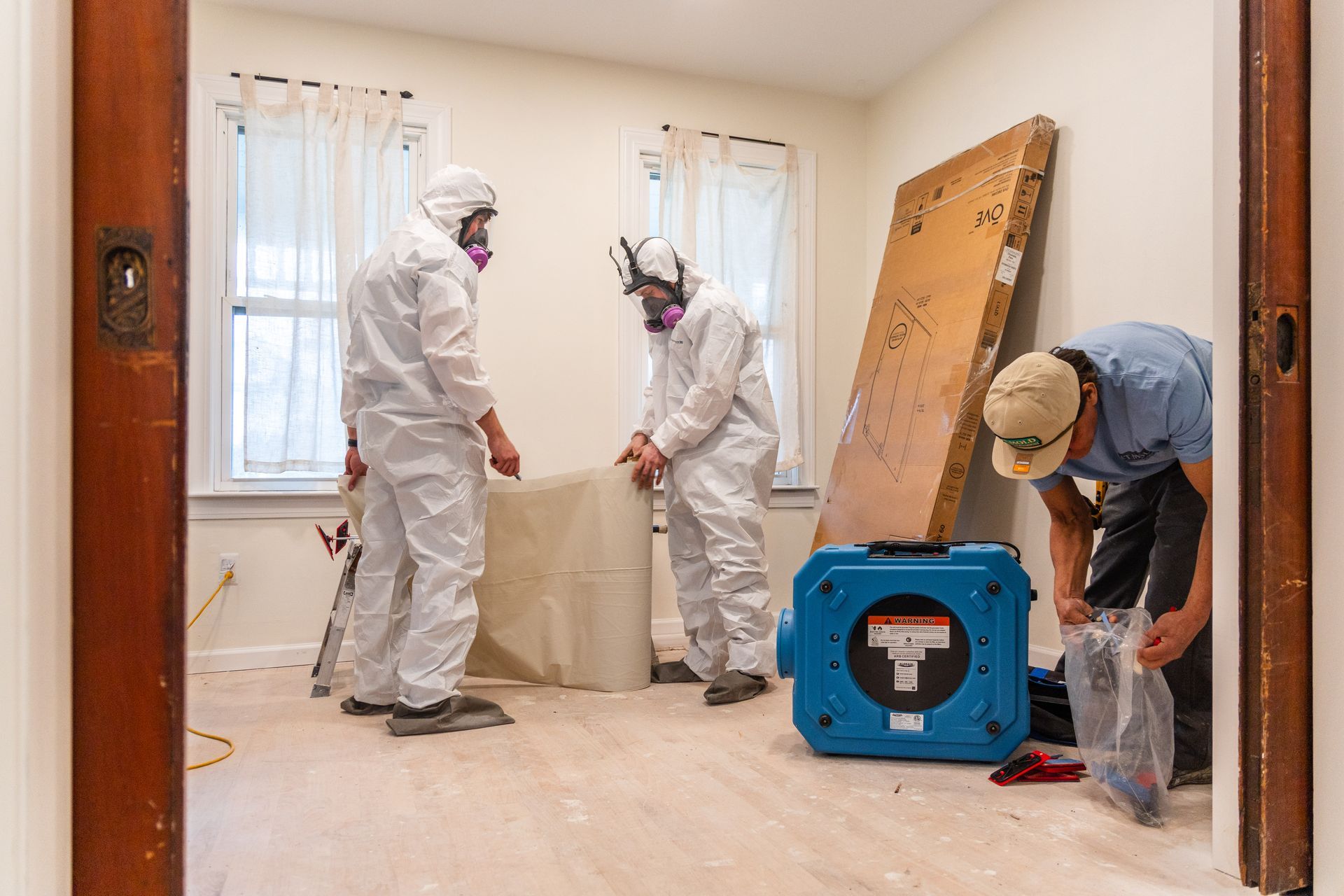
Workers in protective suits clean a room with a dehumidifier and exposed wall paneling after damage.
By CT Mold Remediation Specialists August 7, 2026
Does homeowners insurance cover water damage and mold in Connecticut? Learn the occurrence rule, why hidden leaks cause denials, and how to protect your claim.
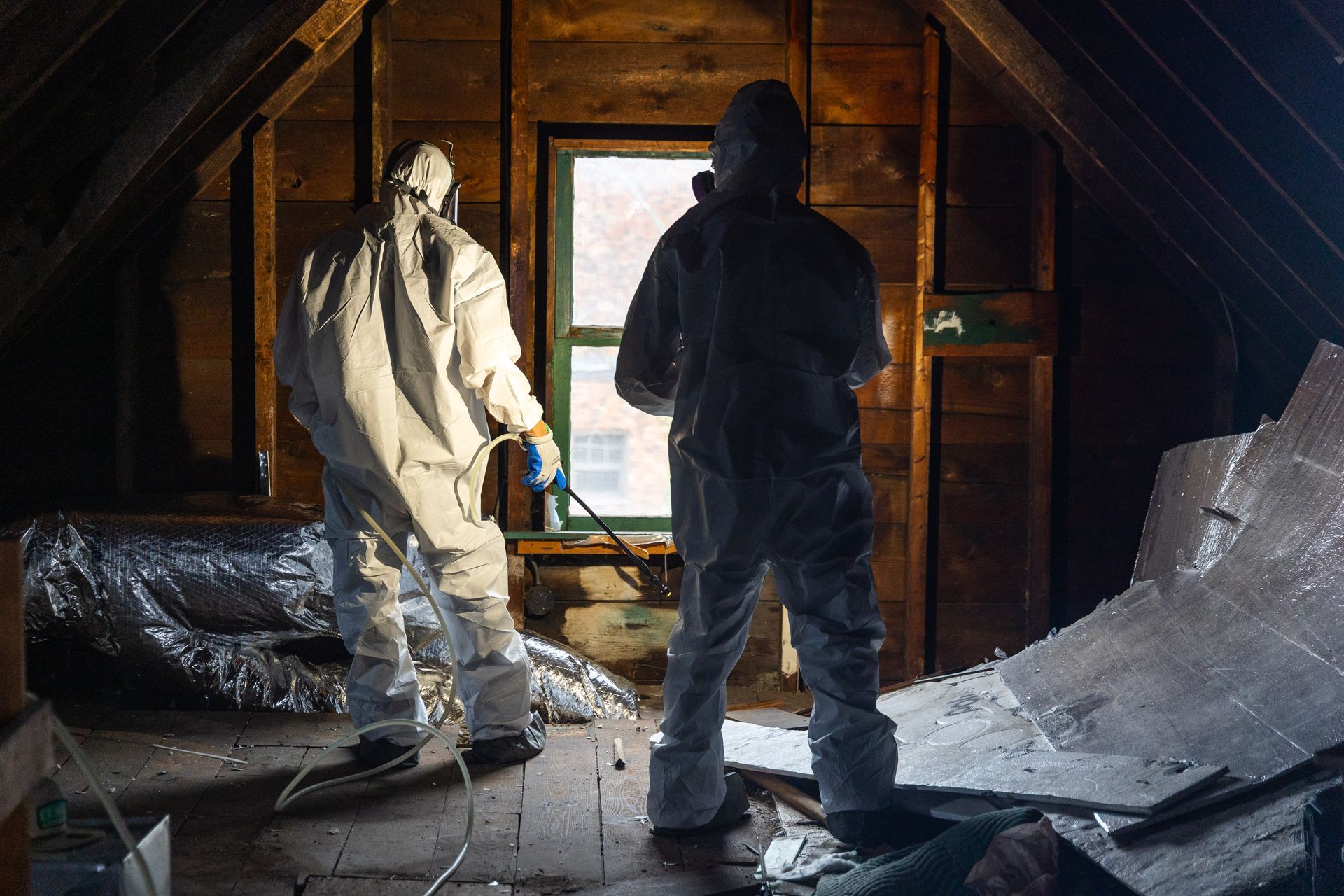
Two people in protective suits inspect a damaged attic with insulation debris and a bright window.
By CT Mold Remediation Specialists August 7, 2026
How do professionals know a house is dry after water damage? Learn how moisture mapping works, drying timelines, and the mistakes that let mold come back.
Open kitchen sink cabinet showing plumbing pipes and water damage on the cabinet floor
By CT Mold Remediation Specialists August 7, 2026
Kitchen mold in Connecticut usually starts with a hidden supply line leak behind cabinets or under the sink. Learn the warning signs and when to call a pro.
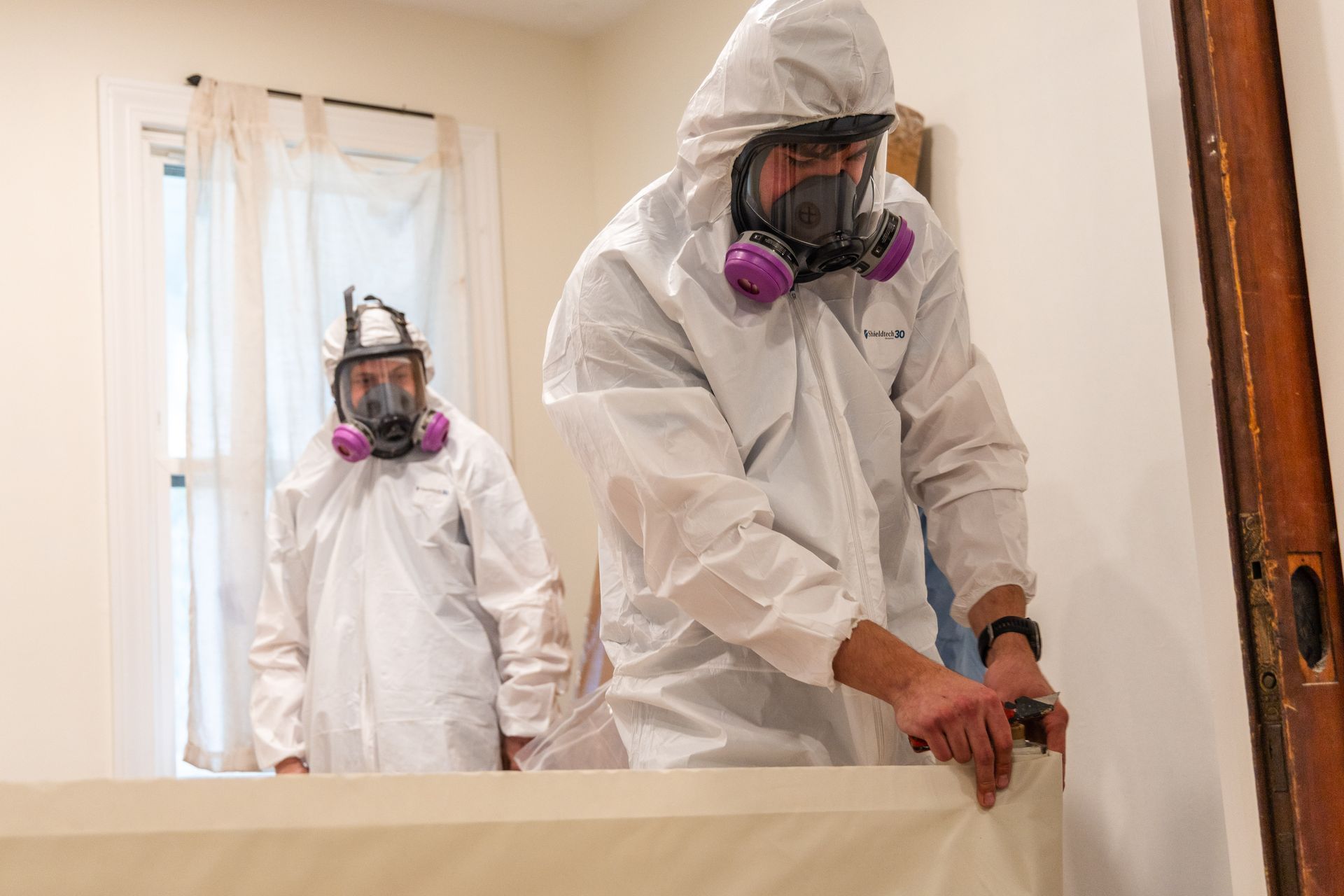
Two workers in hazmat suits and respirators cleaning a room with a window and mirror.
By CT Mold Remediation Specialists August 7, 2026
Bathroom ceiling mold in your Connecticut home? Learn how to clean it safely, fix the humidity cause, and know when it's time to call a pro.
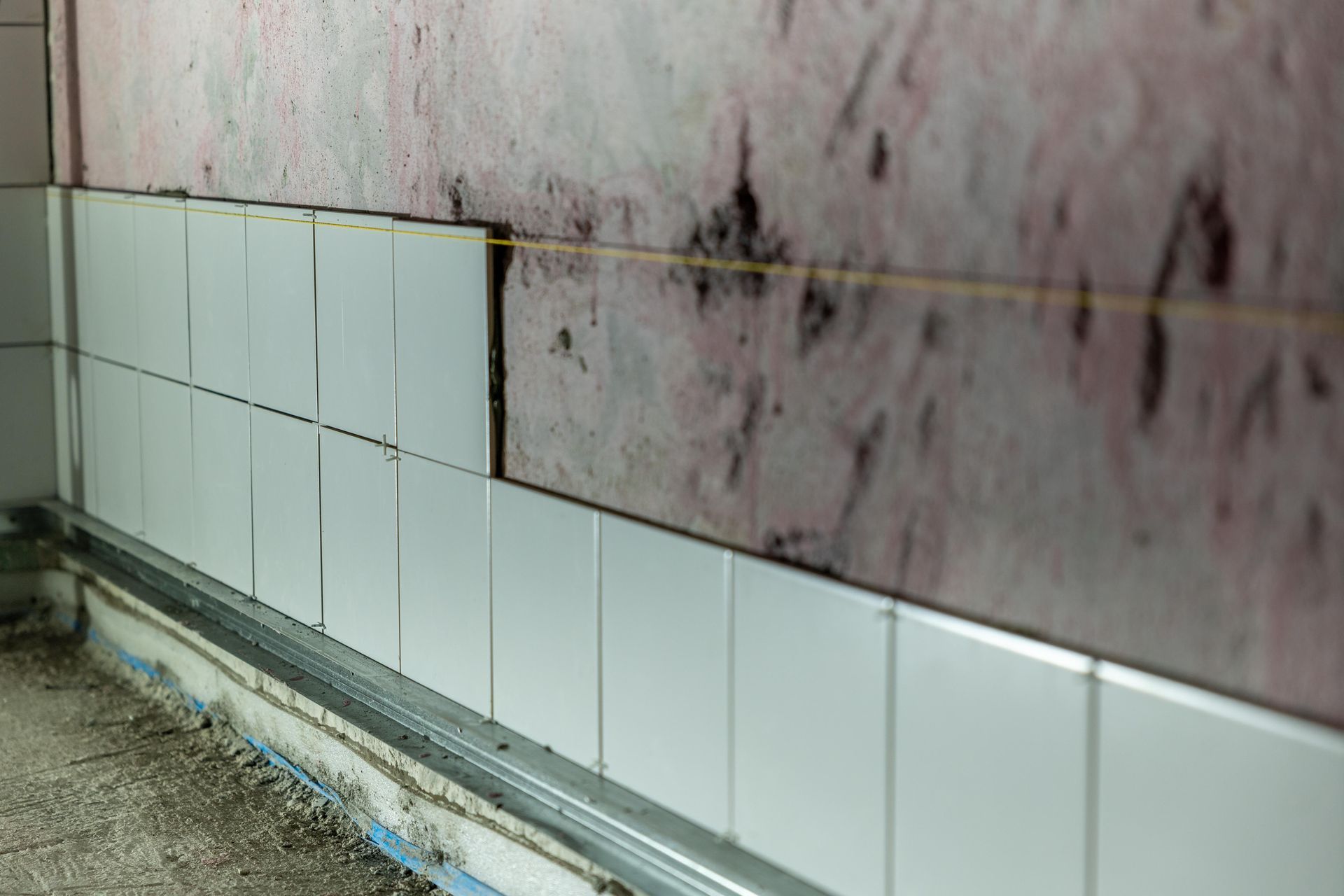
Damp stained wall above tile baseboard with water pooling on the floor
By CT Mold Remediation Specialists August 7, 2026
Fixed the leak but worried about mold? Learn why cleanup is a separate step, how to spot hidden growth, and when to call a Connecticut mold pro.

Show More