
Structural Drying: How Pros Know a House Is Actually Dry

August 7, 2026

A structure is considered dry when moisture readings in the affected materials match a baseline taken from an unaffected area of the same property. Professionals confirm this with moisture mapping and daily readings, not by feel or by a fixed schedule.

Structural Drying: How Professionals Know a House Is Actually Dry

After water damage, the visible cleanup is only part of the job. Once wet drywall and finishes are removed, the materials left behind are the ones that cannot come out: studs, subflooring, and concrete floors. Those materials hold water, and if they go back under new drywall while still wet, mold can return. Structural drying is the step that prevents that, and it sits toward the end of the restoration process, after everything has been demoed and cleaned.

What Moisture Mapping Actually Involves

Moisture mapping means measuring and recording moisture levels across every structural surface in the affected area using moisture meters. Dehumidifiers and air movers are installed, and readings are checked daily until levels reach the target range. Equipment stays in place until the numbers say the job is done, not until a certain number of days have passed.

How the Target Range Is Set

There is no universal number for how dry a house should be. The target comes from an unaffected area of the same property, because it is uncommon for an entire house to be one hundred percent wet. Once a dry area is identified, its readings become the baseline, and drying continues until the affected materials reach that same point.

The Equipment Used

Structural drying relies on LGR dehumidifiers, air movers, and air scrubbers running throughout the process. There is also a specialized floor drying system for cases where a tile or hardwood floor got wet and was caught in time. It uses mats that adhere to the floor and pull air out of the flooring, which can save expensive hard flooring if it is caught before mold growth begins, usually within about 72 hours.

The Mistakes That Cause Mold to Return

The most common mistake in the industry is not drying the framing enough. There is often pressure from insurance carriers or condo associations to pull equipment early, because every additional day of equipment costs money. When materials get reinstalled before the structure is actually dry, mold can regrow behind the new drywall. The second mistake is running too much or too little equipment in a room. There are calculations that determine how much equipment each area needs, and many companies do not use them.

Frequently Asked Questions

  • How long does it take to dry water damaged walls?

    Typically three to seven days. Three days is the minimum, three to five days is standard for smaller losses, and larger events can take a week to ten days depending on the volume of water and the conditions in the home. Because drying continues until moisture readings reach the baseline, the timeline depends on measurements rather than a fixed schedule.

  • Can a house dry naturally without equipment?

    Yes, but it takes a very long time and depends heavily on outside conditions. Once an exterior wall is opened up it is no longer a conditioned space, so outdoor humidity moves right through it. Natural drying is possible but highly inefficient, and the longer materials stay wet, the higher the risk of mold growth.

  • What happens if the wood framing is not dried properly?

    The problem shows up after reinstallation. Once drywall or finishes go back over wet framing, mold can regrow because moisture is still present. Growth may be at lower levels since the main moisture source was addressed, but soaking wet wood behind new drywall will still cause a mold problem that requires reopening the wall.

  • Where does structural drying fall in the restoration process?

    Toward the end. Once everything affected has been demoed and cleaned, drying is the final step that brings the property back to a condition ready for reconstruction. Attempting to rebuild before drying is complete is what leads to repeat mold problems.

  • How do I know if my restoration company dried the structure correctly?

    Ask for the daily moisture readings and the baseline they were measured against. A company doing this properly will have documented readings for each surface over the course of the job. If no readings exist, or equipment was removed on a schedule rather than on data, an independent inspection is a reasonable next step.

When to Call a Professional

If your Connecticut home has had a water loss and you are unsure whether the framing was dried properly, or a contractor pulled equipment early, it is worth having the space evaluated before finishes go back up. CT Mold Man provides mold inspection, remediation, and air quality testing for homes and businesses across Connecticut.

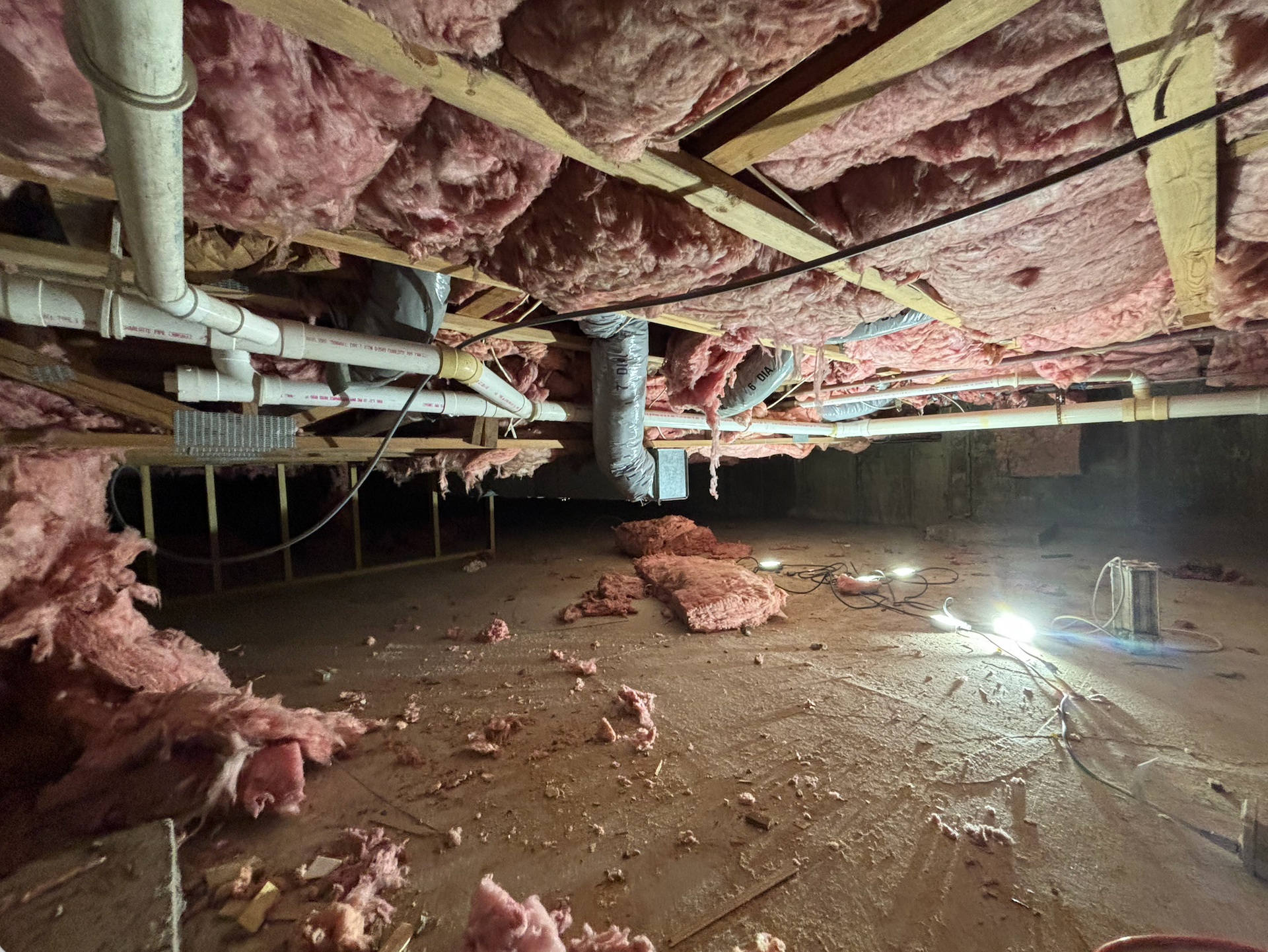
Unfinished basement crawl space with exposed pipes, insulation, and bare concrete
By CT Mold Remediation Specialists August 7, 2026
Crawl space mold is as serious as basement mold, and often worse. Learn why crawl spaces stay humid and where a dehumidifier actually belongs in your home.
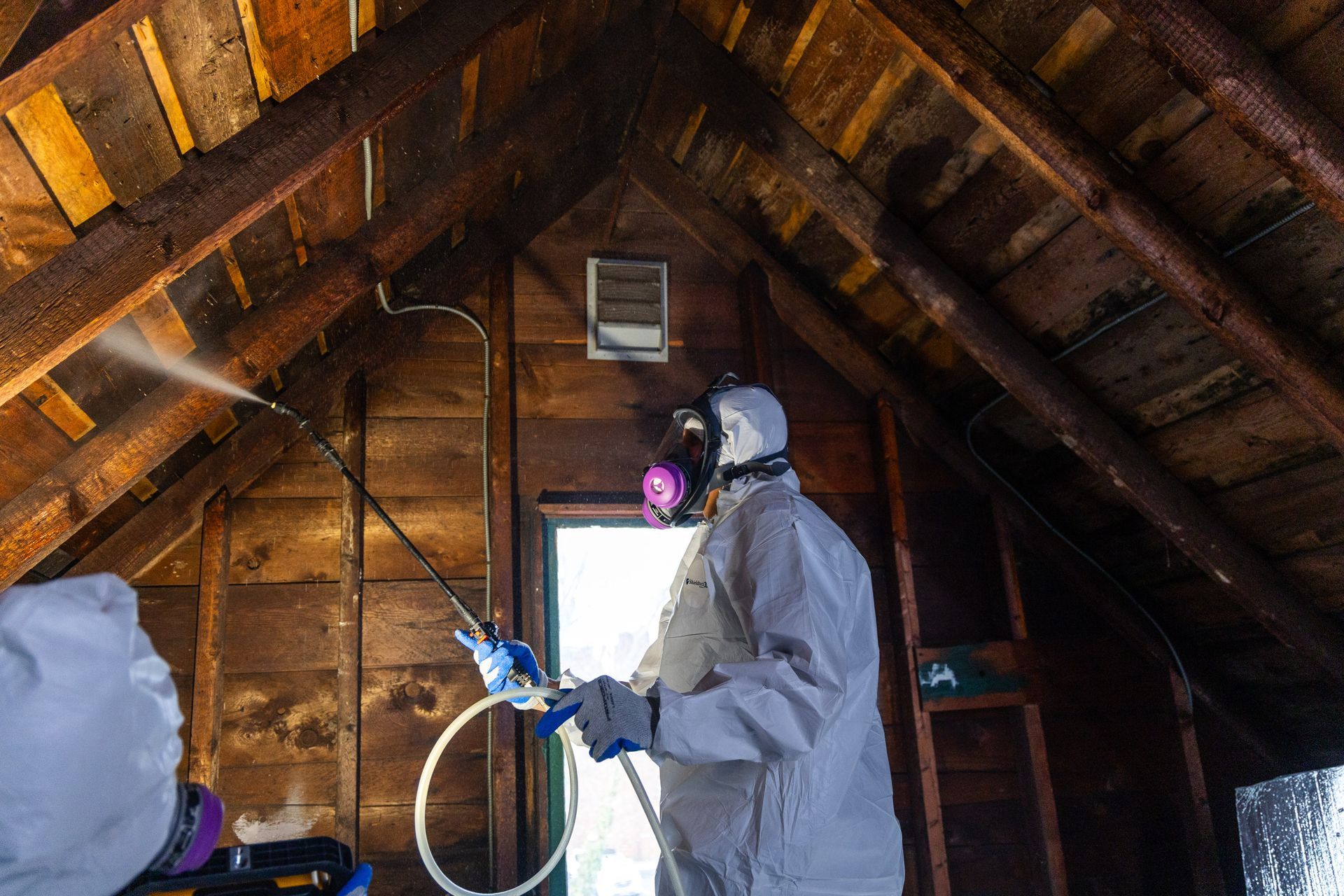
Person in white protective suit spraying the attic rafters with a blue nozzle under exposed wooden beams.
By CT Mold Remediation Specialists August 7, 2026
Can you stay home during mold remediation? Learn how containment and negative pressure work, when leaving makes sense, and what to expect during the process.
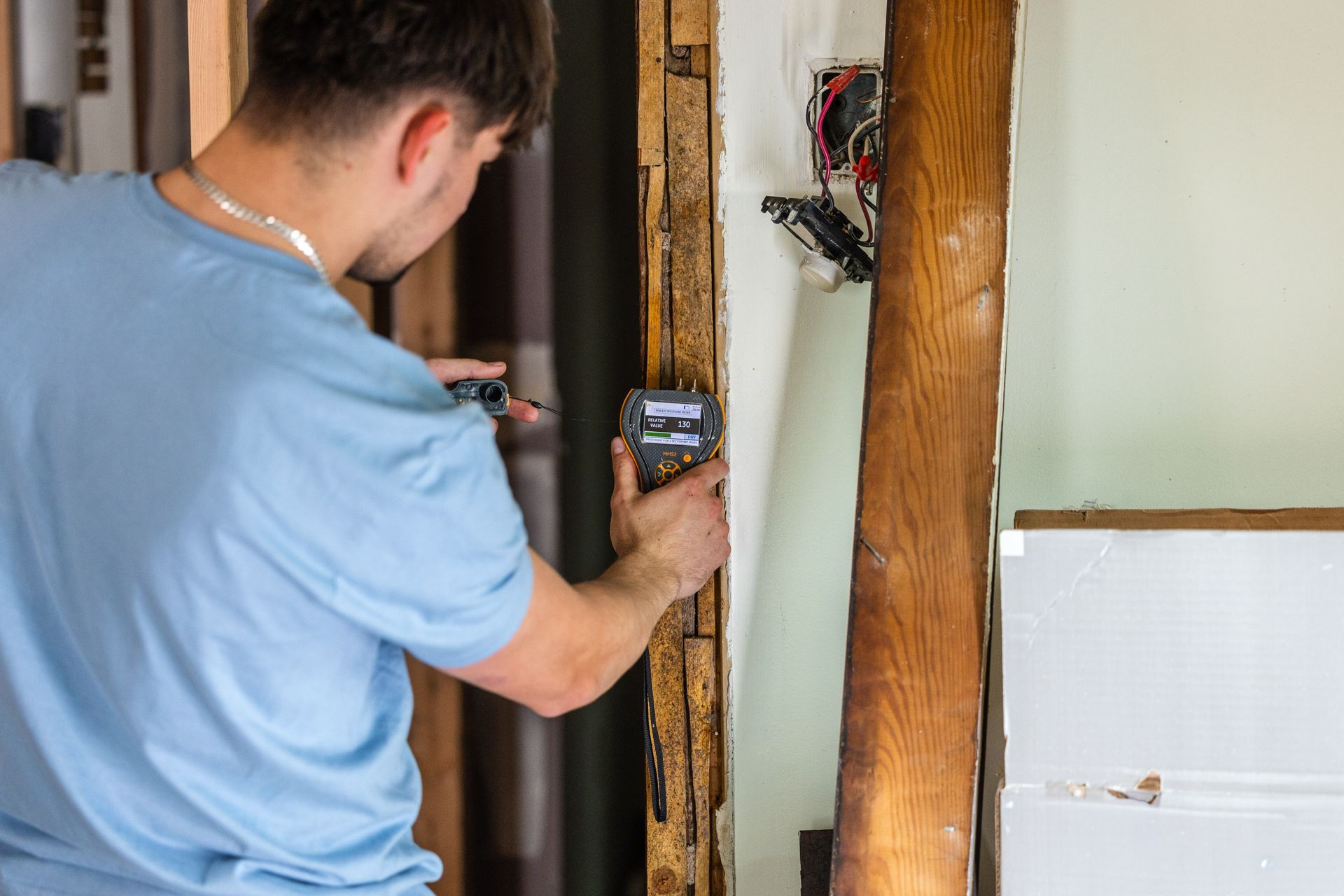
Person using a laser measure on a wooden post indoors
By CT Mold Remediation Specialists August 7, 2026
What do mold test results actually mean? Learn how spore counts are compared to outdoor samples, why season matters, and how accurate air quality testing is.
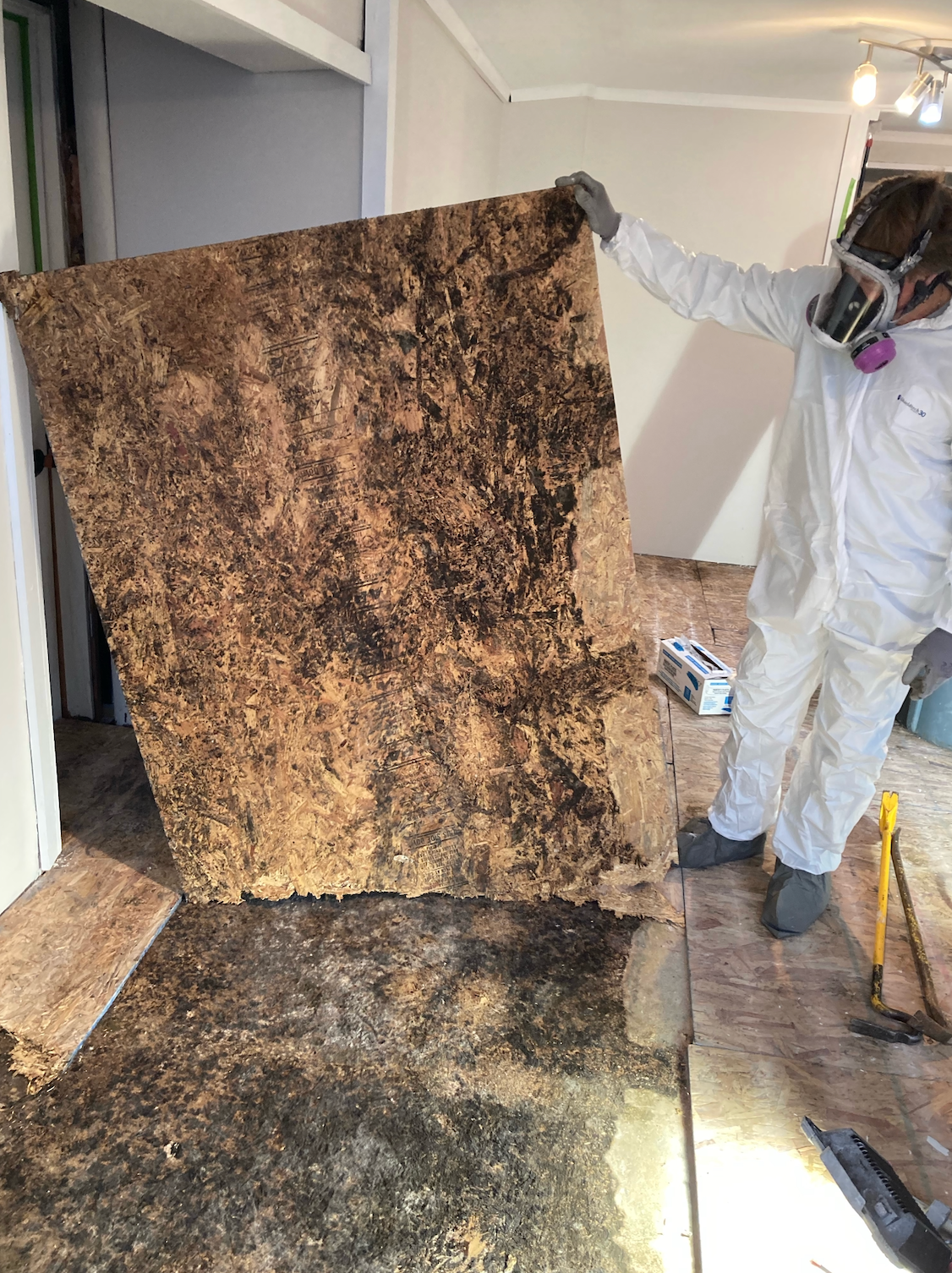
Technician in protective suit removing mold damaged material from a room
By CT Mold Remediation Specialists August 7, 2026
How is black mold identified and removed in Connecticut homes? Learn why testing matters, how containment prevents spread, and why DIY removal backfires.
Water pooling on a residential floor near plumbing after a pipe leak
By CT Mold Remediation Specialists August 7, 2026
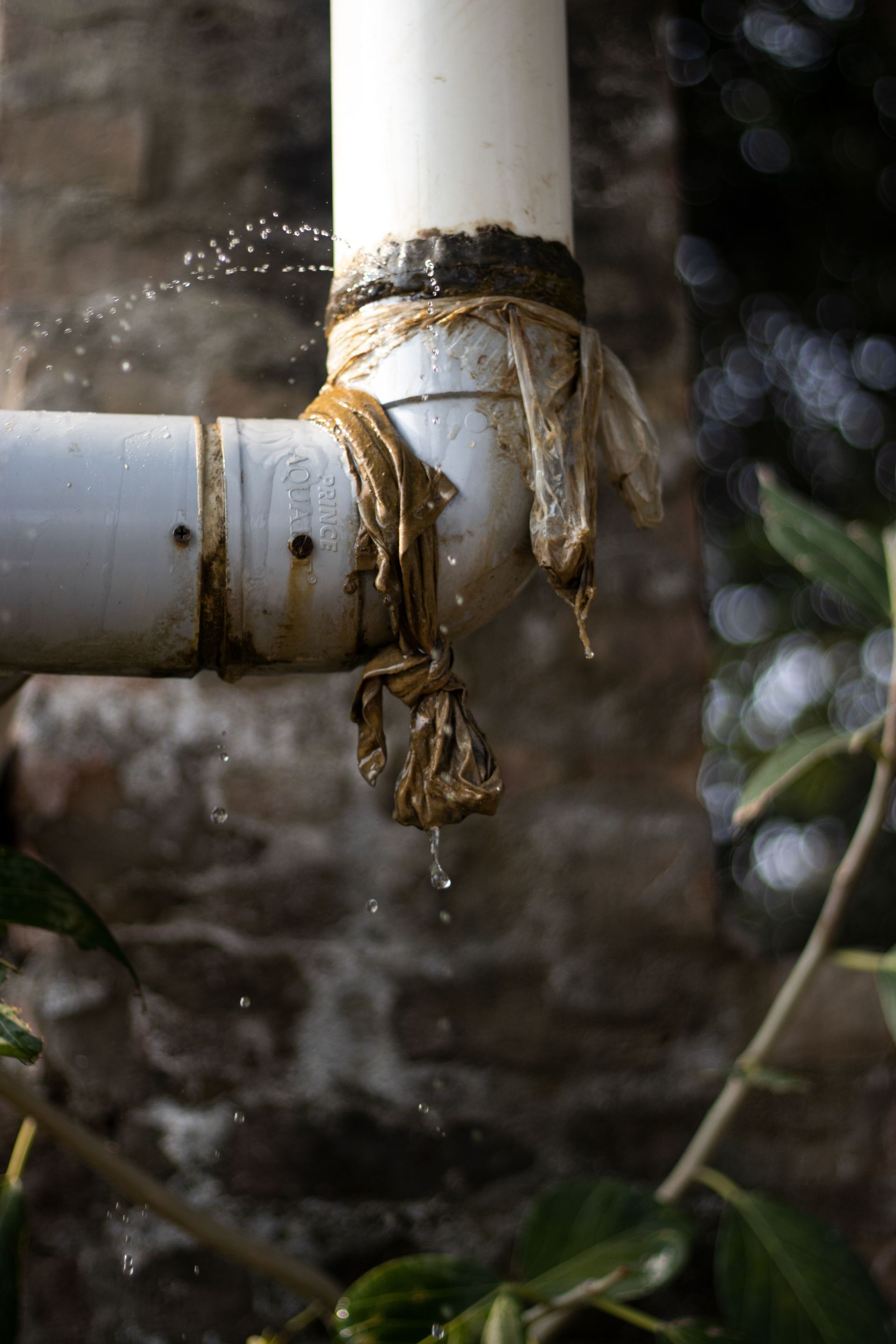
A pipe burst in your Connecticut home? Learn the exact first steps, why the 24 to 48 hour window matters, and how to prevent mold after water damage.
Workers in protective suits clean a room with a dehumidifier and exposed wall paneling after damage.
By CT Mold Remediation Specialists August 7, 2026
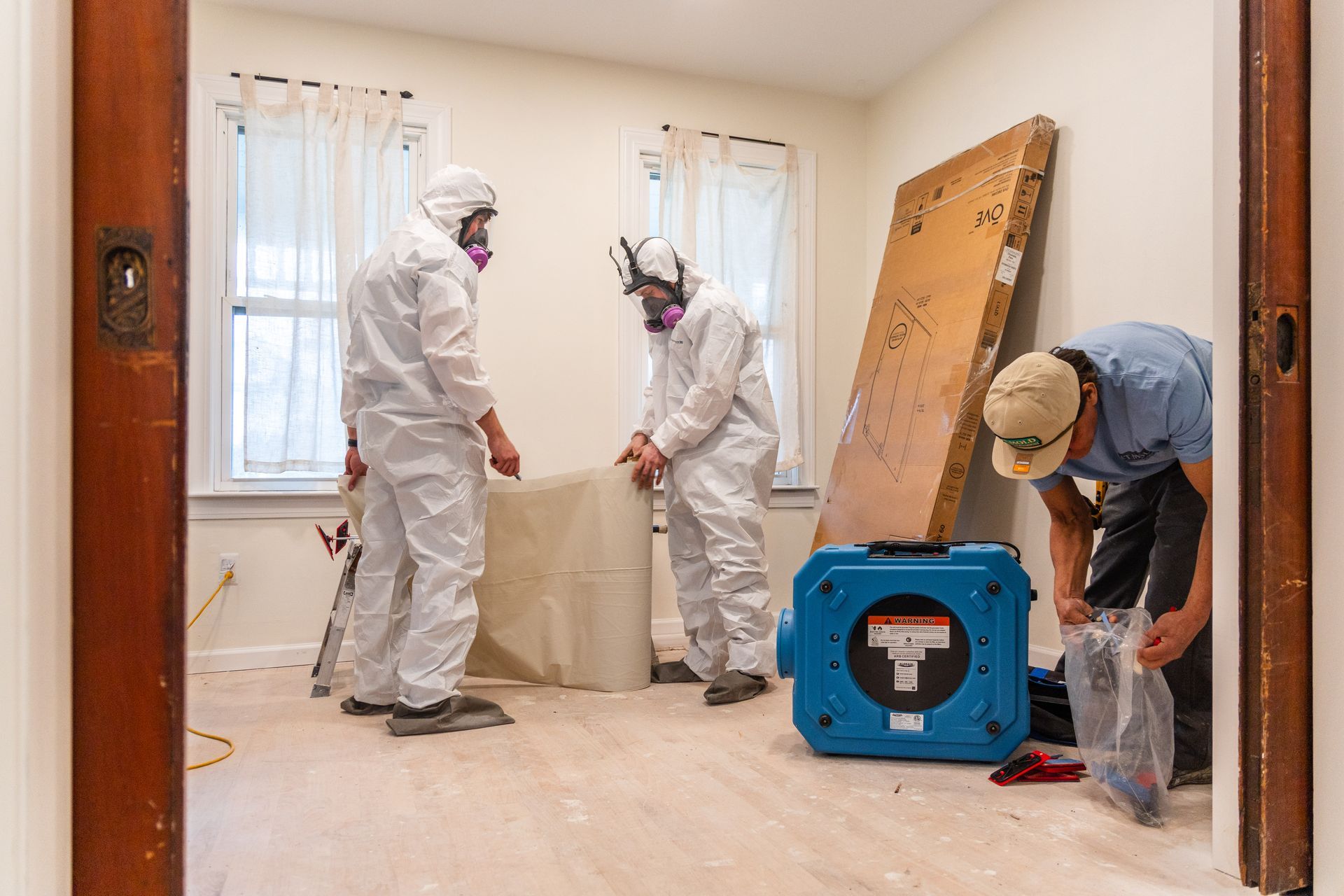
Does homeowners insurance cover water damage and mold in Connecticut? Learn the occurrence rule, why hidden leaks cause denials, and how to protect your claim.
Technician unloading inspection and remediation equipment from a service van
By CT Mold Remediation Specialists August 7, 2026
What happens during a water damage inspection in Connecticut? Learn the full process, from thermal imaging and moisture meters to insurance claim guidance.
Open kitchen sink cabinet showing plumbing pipes and water damage on the cabinet floor
By CT Mold Remediation Specialists August 7, 2026
Kitchen mold in Connecticut usually starts with a hidden supply line leak behind cabinets or under the sink. Learn the warning signs and when to call a pro.
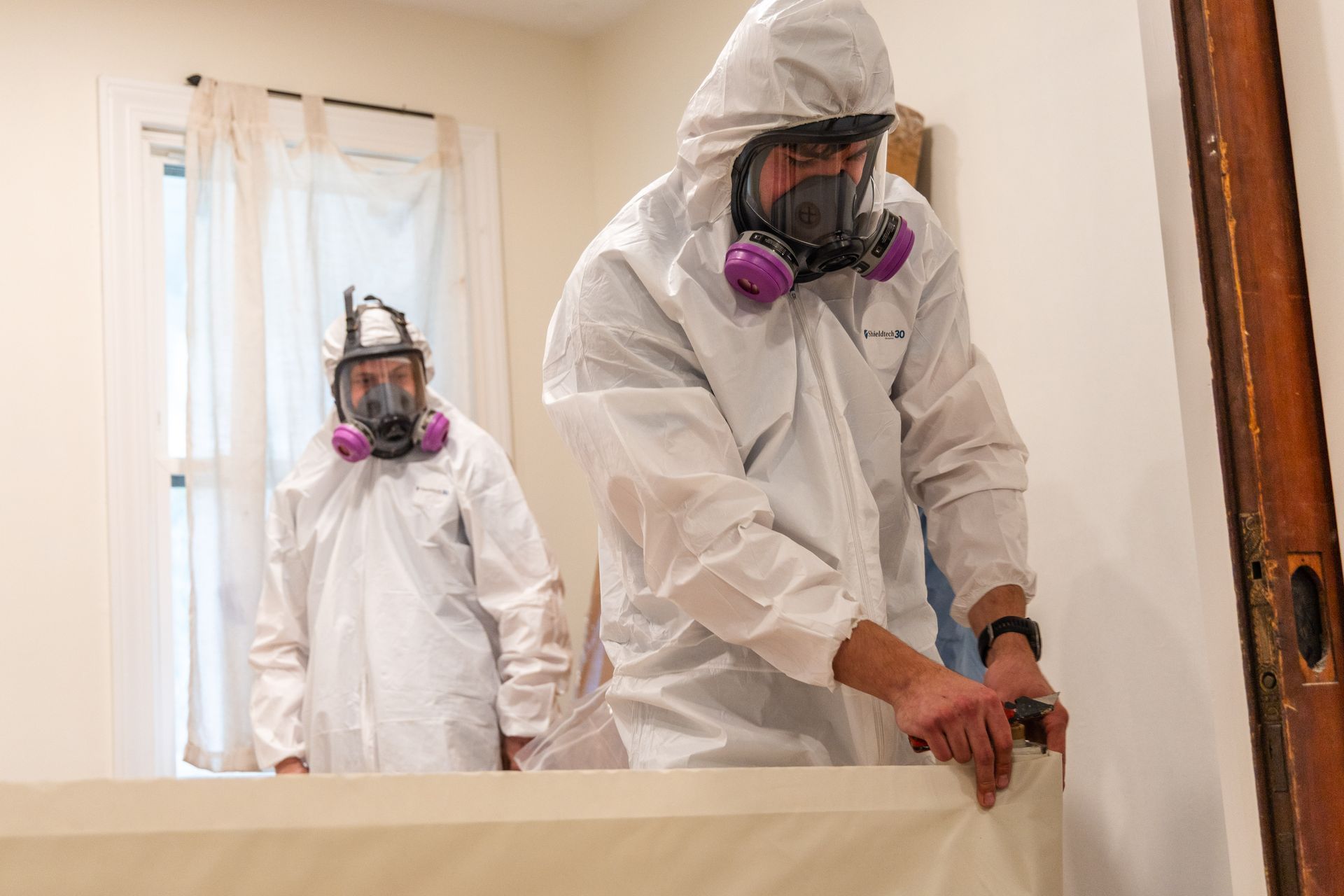
Two workers in hazmat suits and respirators cleaning a room with a window and mirror.
By CT Mold Remediation Specialists August 7, 2026
Bathroom ceiling mold in your Connecticut home? Learn how to clean it safely, fix the humidity cause, and know when it's time to call a pro.
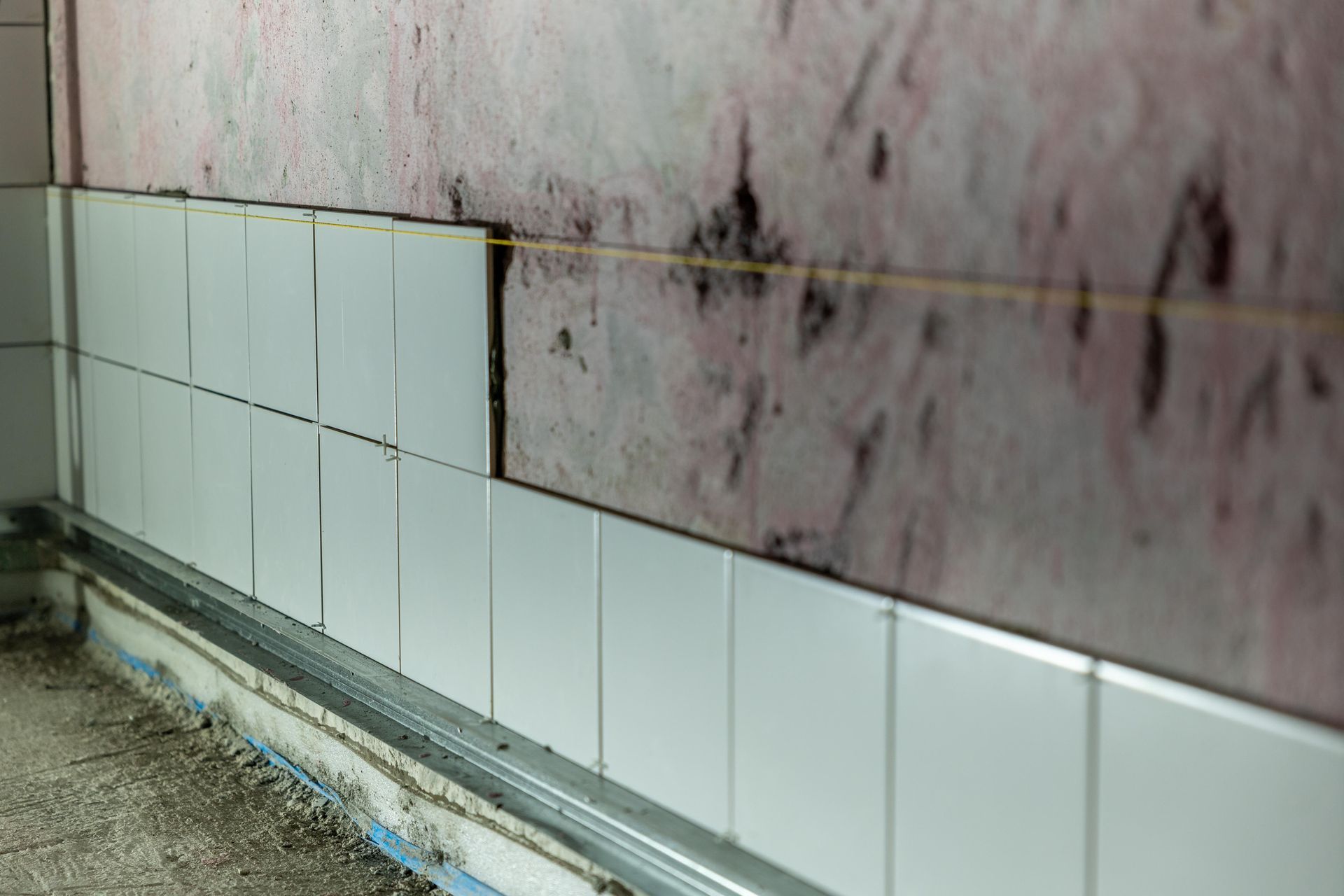
Damp stained wall above tile baseboard with water pooling on the floor
By CT Mold Remediation Specialists August 7, 2026
Fixed the leak but worried about mold? Learn why cleanup is a separate step, how to spot hidden growth, and when to call a Connecticut mold pro.

Show More