
How to Get Rid of Bathroom Ceiling Mold (and When to Call a Pro)

August 7, 2026

Black or greenish spots creeping across your bathroom ceiling are one of the most common mold problems Connecticut homeowners deal with. It usually starts small, near the shower or above the tub, and it is tempting to scrub it off and move on. Sometimes that works. Other times the spots come right back within weeks, because the real problem is not on the surface at all. This guide covers how to safely clean minor bathroom ceiling mold, how to fix the cause so it stays gone, and the clear signs that you need a professional.

Why Bathroom Ceilings Grow Mold in the First Place

Bathroom ceiling mold is almost always a ventilation and humidity problem. Every hot shower releases warm, moist air that rises and condenses on the coolest surface in the room, which is usually the ceiling. If that moisture is not exhausted out of the house quickly, it settles into the paint and drywall and gives mold everything it needs to grow.

The most common causes we see in Connecticut homes are exhaust fans that are undersized, not used long enough, or vented into the attic instead of outside, bathrooms with no exhaust fan at all, poorly insulated ceilings below a cold attic, and small roof or plumbing leaks that people mistake for shower humidity. Distinguishing between humidity and an actual leak matters, because they call for different fixes.

How to Safely Clean Minor Surface Mold

If the affected area is smaller than about ten square feet, the ceiling feels firm and dry, and the growth looks like surface spotting on painted drywall, careful DIY cleaning is reasonable. Ventilate the room, wear gloves, eye protection, and an N95 mask, and use a mild detergent solution or a product labeled for mold on painted surfaces. Wipe rather than scrub aggressively, and dry the area thoroughly afterward.

Two things to avoid: do not mix bleach with ammonia or other cleaners, and do not simply paint over mold. Painting traps the growth and it will bleed back through, often within a season. Cleaning also does not solve anything on its own if the humidity problem remains, which is why the next step matters more than the scrubbing.

Fixing the Cause So It Doesn't Come Back

Run your exhaust fan during every shower and for at least twenty minutes afterward, and confirm that it actually vents outdoors rather than into the attic, which is a surprisingly common installation error in older Connecticut homes. If your bathroom has no fan or the fan barely moves air, upgrading it is the single most effective fix. Keeping the door open after showering and wiping down surfaces also helps.

Worth noting: if your exhaust fan has been dumping moist air into the attic for years, the mold on your bathroom ceiling may be the smaller half of the problem. Attic sheathing above a bathroom is a frequent trouble spot, which is covered in our attic mold guide.

When to Call a Professional Instead

Call a professional if the affected area is larger than roughly ten square feet, the mold keeps returning after cleaning, the drywall feels soft, sagging, or stained beyond the visible growth, you notice a musty smell even when the ceiling looks clean, or anyone in the household has asthma or a compromised immune system. Those situations usually mean growth extends into or above the drywall, where surface cleaning cannot reach.

A professional inspection identifies whether you are dealing with humidity or a hidden leak, uses moisture readings to map how far the problem extends, and removes affected material under containment so spores do not spread through the rest of the home. That distinction between "cleaned" and "actually resolved" is what protects the ceiling from repeating the cycle next year.

frequently asked questions

  • What causes bathroom ceiling mold?

    Shower steam condensing on the ceiling, usually from weak or unused exhaust ventilation.

  • Can I clean bathroom ceiling mold myself?

    Small surface patches on painted drywall can be cleaned, but recurring or spreading mold signals a deeper issue.

  • When should I call a professional for bathroom mold?

    If mold keeps returning, covers a large area, or the ceiling shows staining that suggests a leak above.

  • Does a bathroom fan really prevent ceiling mold?

    Yes, running a properly sized exhaust fan during and 20 to 30 minutes after showers removes the humidity mold needs.

  • Is bathroom ceiling mold dangerous?

    Any indoor mold can affect air quality; the bigger risk is what recurring growth says about hidden moisture.

Get Your Bathroom Ceiling Handled the Right Way

If bathroom ceiling mold keeps coming back, or the area is bigger than you want to tackle yourself, CT Mold Man can take a look. We provide honest mold inspection, air quality testing, and professional remediation for homeowners across Connecticut. Contact us today to schedule an inspection and get a straight answer on what is really going on above your shower.

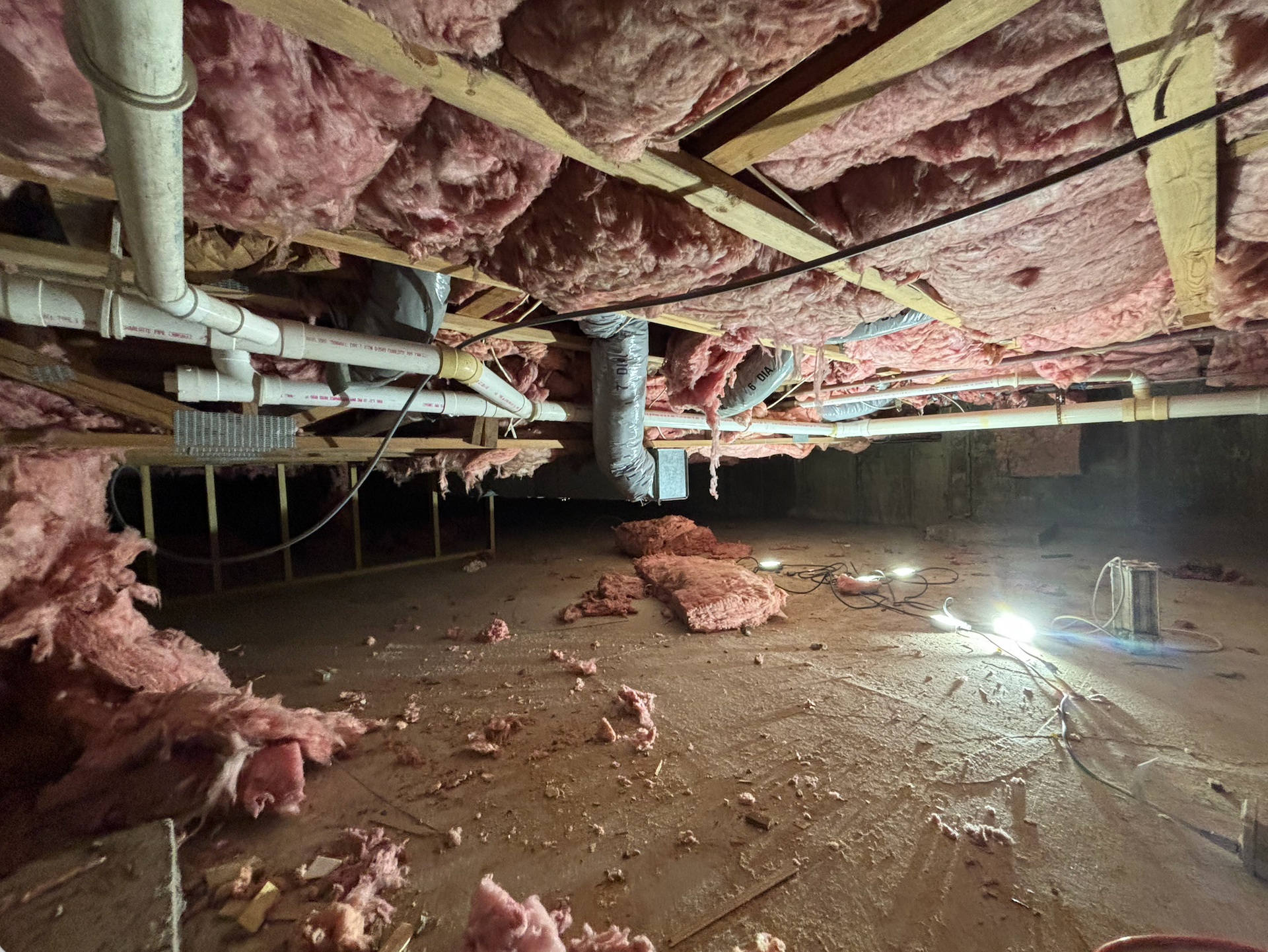
Unfinished basement crawl space with exposed pipes, insulation, and bare concrete
By CT Mold Remediation Specialists August 7, 2026
Crawl space mold is as serious as basement mold, and often worse. Learn why crawl spaces stay humid and where a dehumidifier actually belongs in your home.
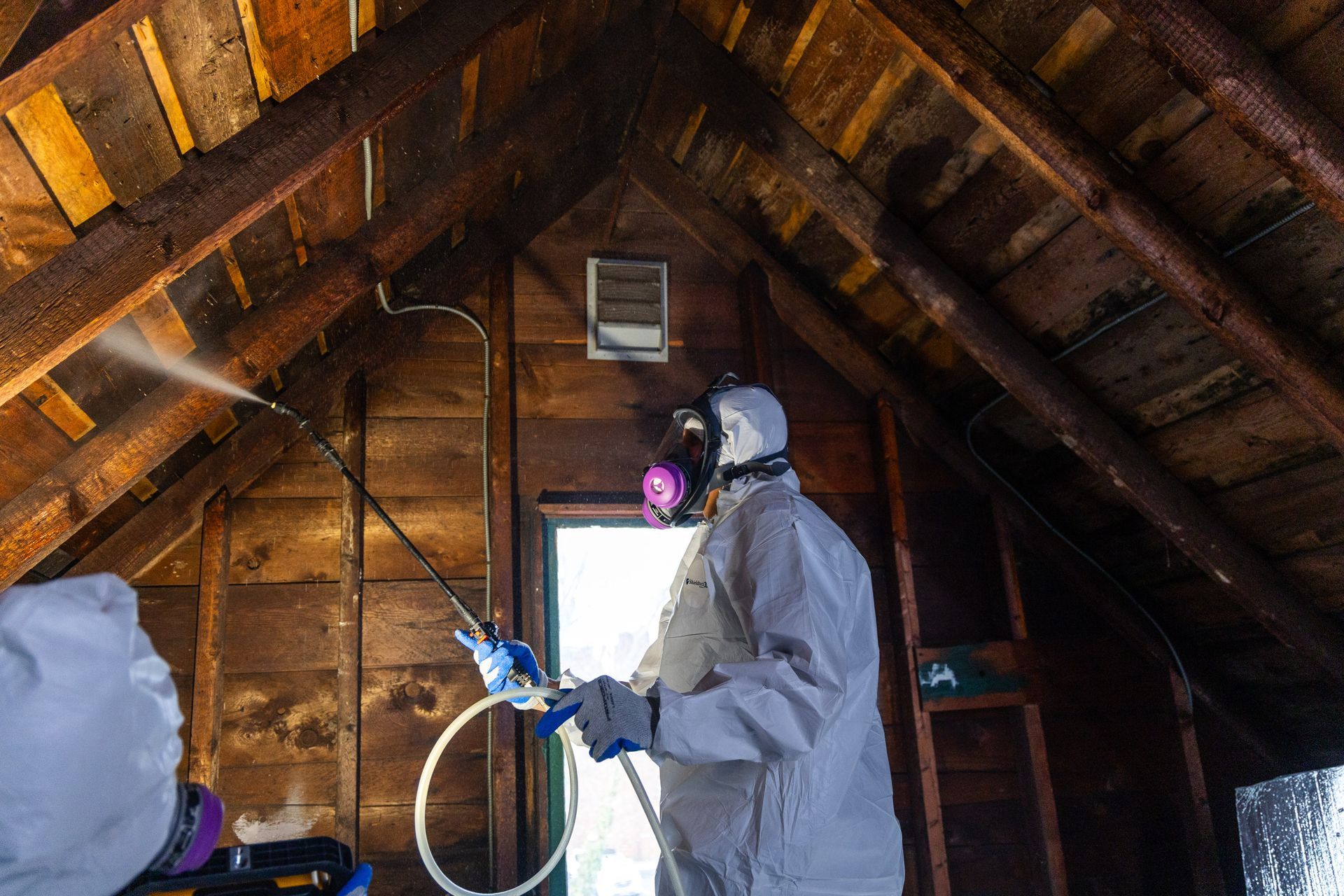
Person in white protective suit spraying the attic rafters with a blue nozzle under exposed wooden beams.
By CT Mold Remediation Specialists August 7, 2026
Can you stay home during mold remediation? Learn how containment and negative pressure work, when leaving makes sense, and what to expect during the process.
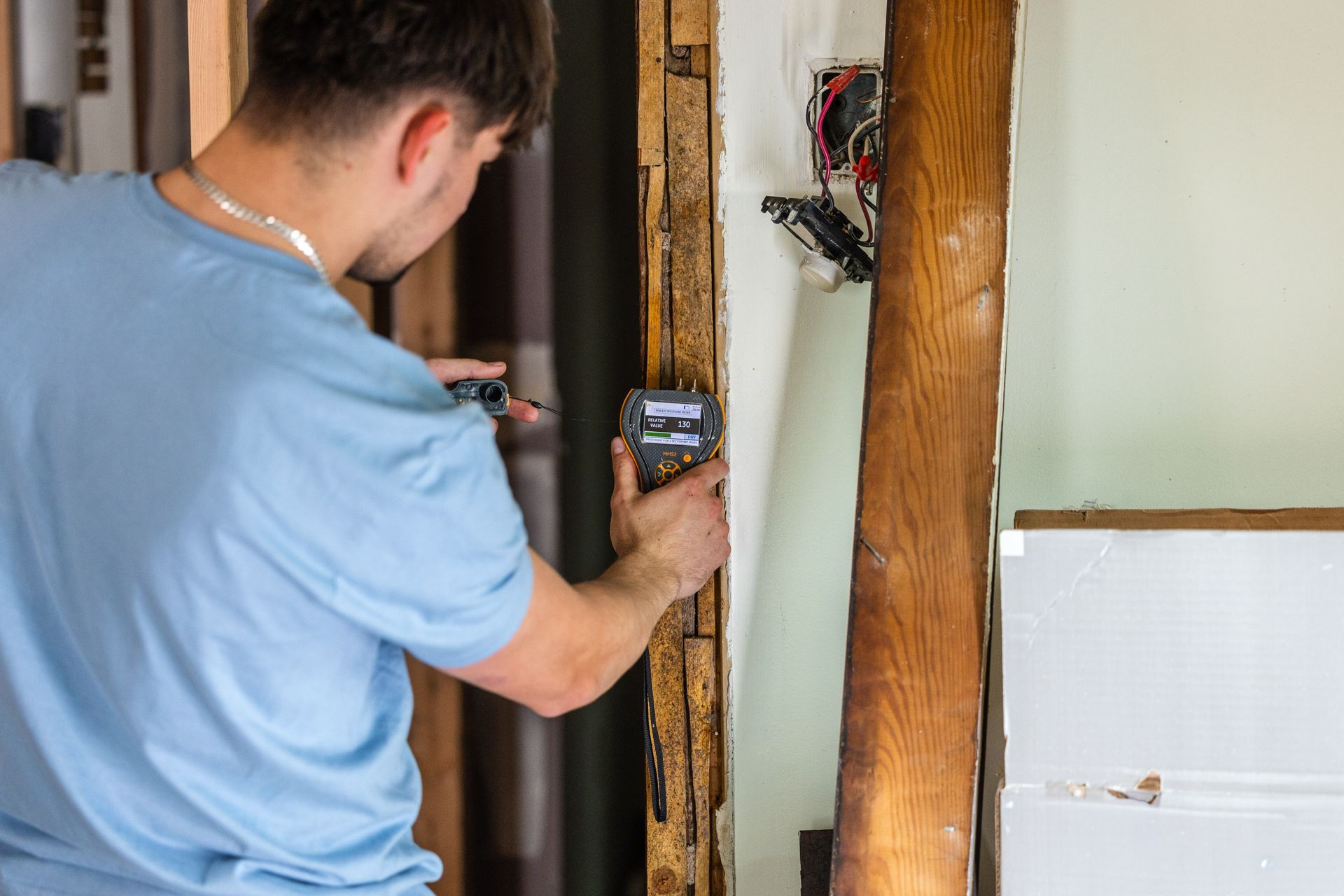
Person using a laser measure on a wooden post indoors
By CT Mold Remediation Specialists August 7, 2026
What do mold test results actually mean? Learn how spore counts are compared to outdoor samples, why season matters, and how accurate air quality testing is.
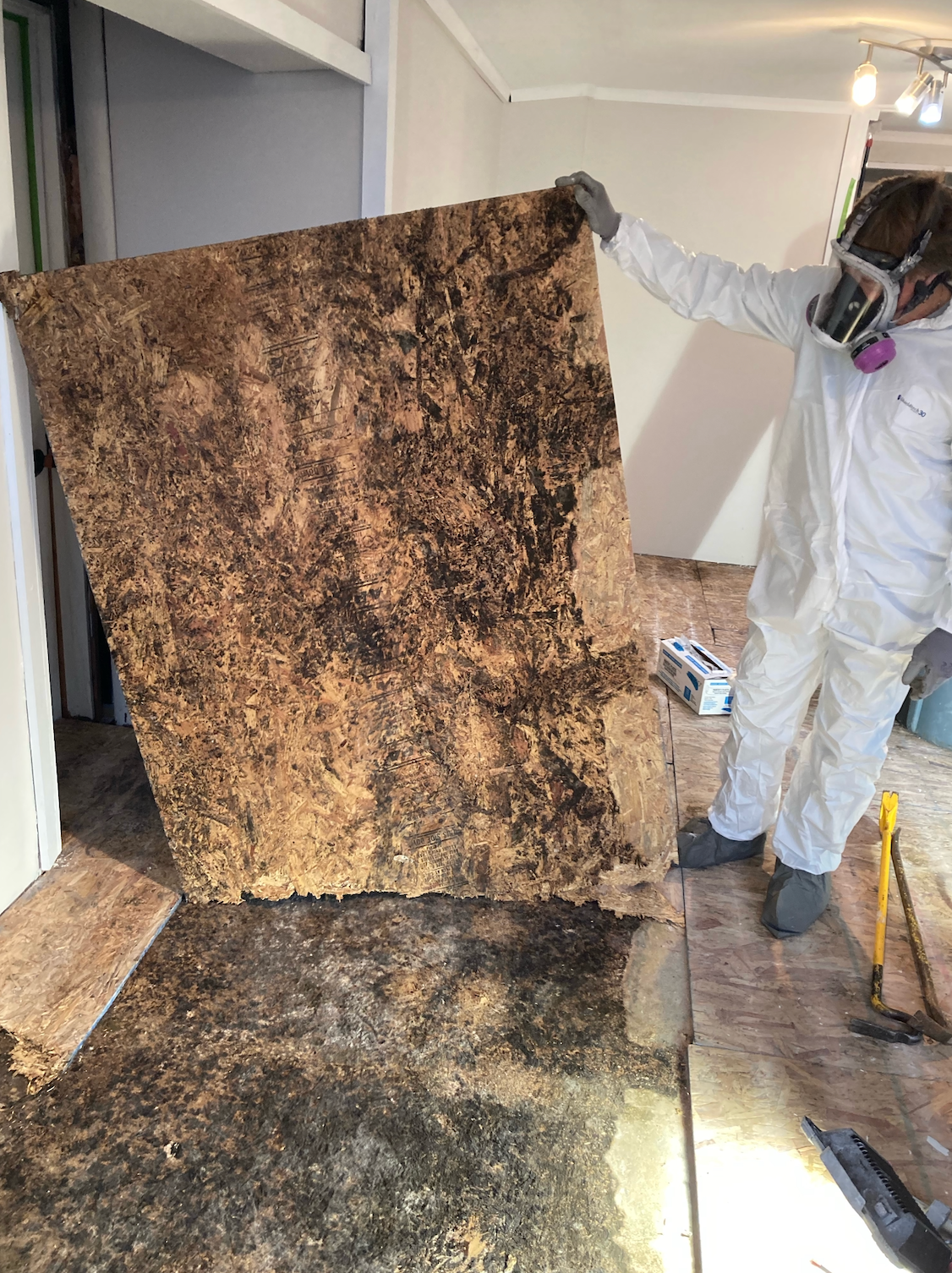
Technician in protective suit removing mold damaged material from a room
By CT Mold Remediation Specialists August 7, 2026
How is black mold identified and removed in Connecticut homes? Learn why testing matters, how containment prevents spread, and why DIY removal backfires.
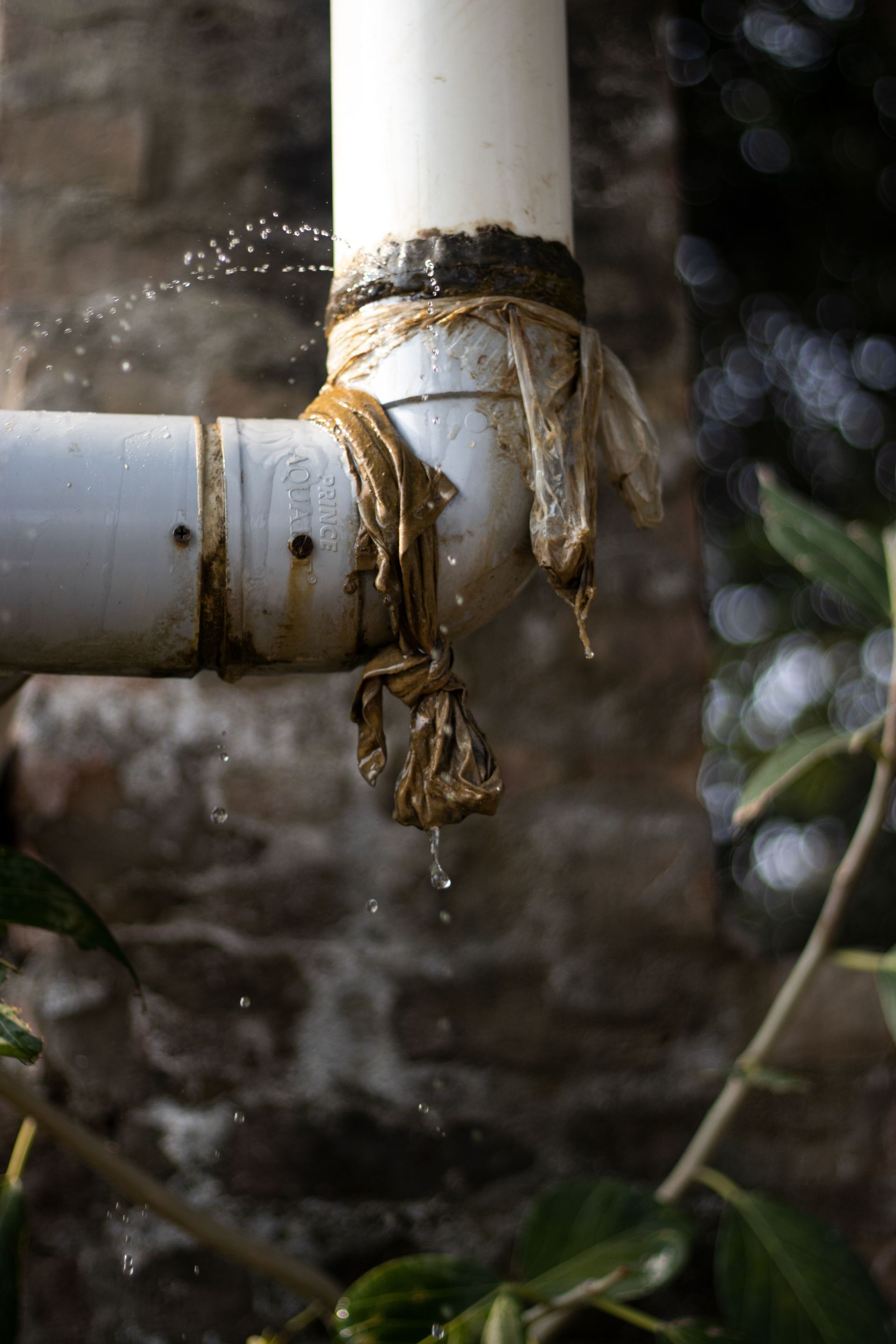
Water pooling on a residential floor near plumbing after a pipe leak
By CT Mold Remediation Specialists August 7, 2026
A pipe burst in your Connecticut home? Learn the exact first steps, why the 24 to 48 hour window matters, and how to prevent mold after water damage.
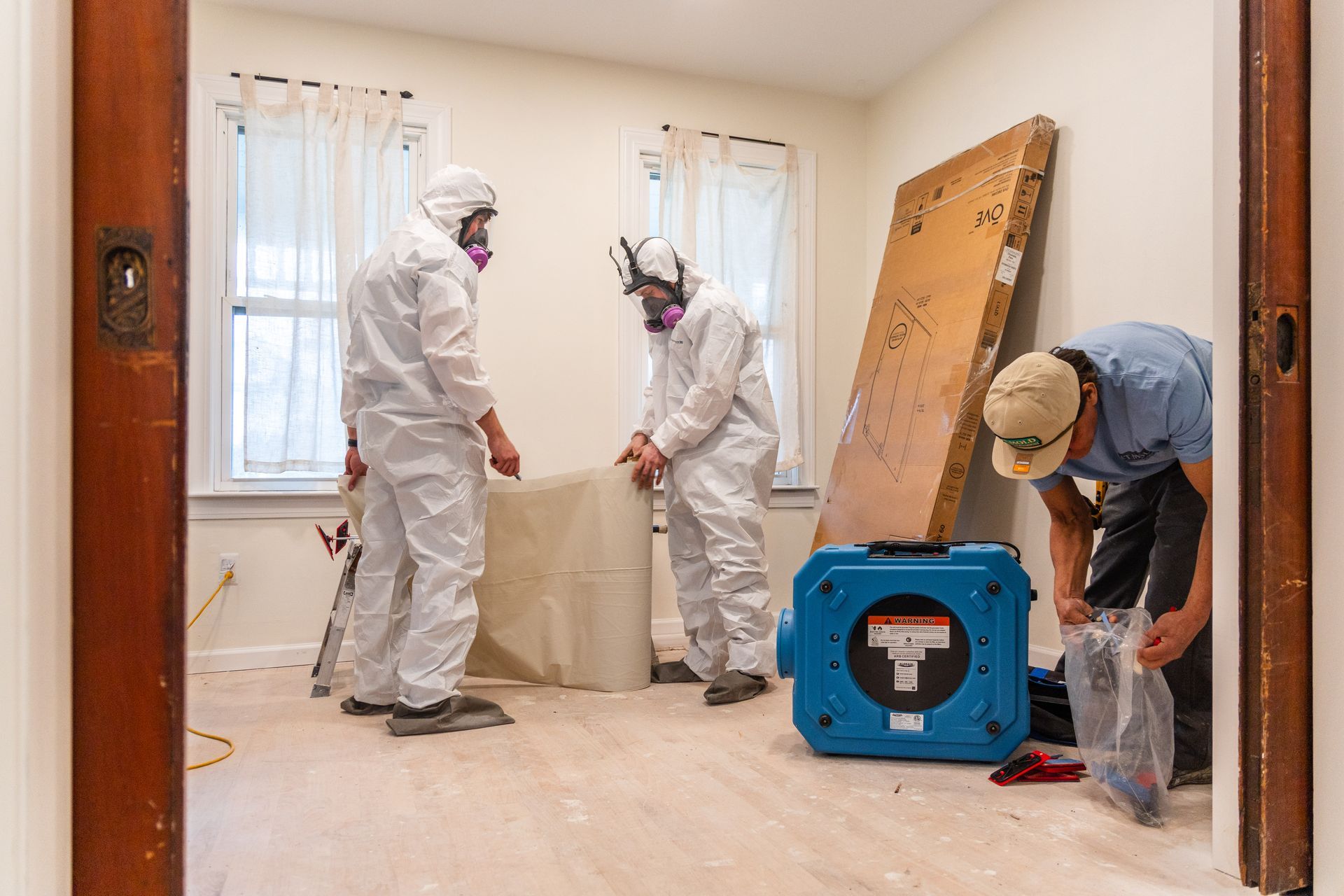
Workers in protective suits clean a room with a dehumidifier and exposed wall paneling after damage.
By CT Mold Remediation Specialists August 7, 2026
Does homeowners insurance cover water damage and mold in Connecticut? Learn the occurrence rule, why hidden leaks cause denials, and how to protect your claim.
Technician unloading inspection and remediation equipment from a service van
By CT Mold Remediation Specialists August 7, 2026
What happens during a water damage inspection in Connecticut? Learn the full process, from thermal imaging and moisture meters to insurance claim guidance.
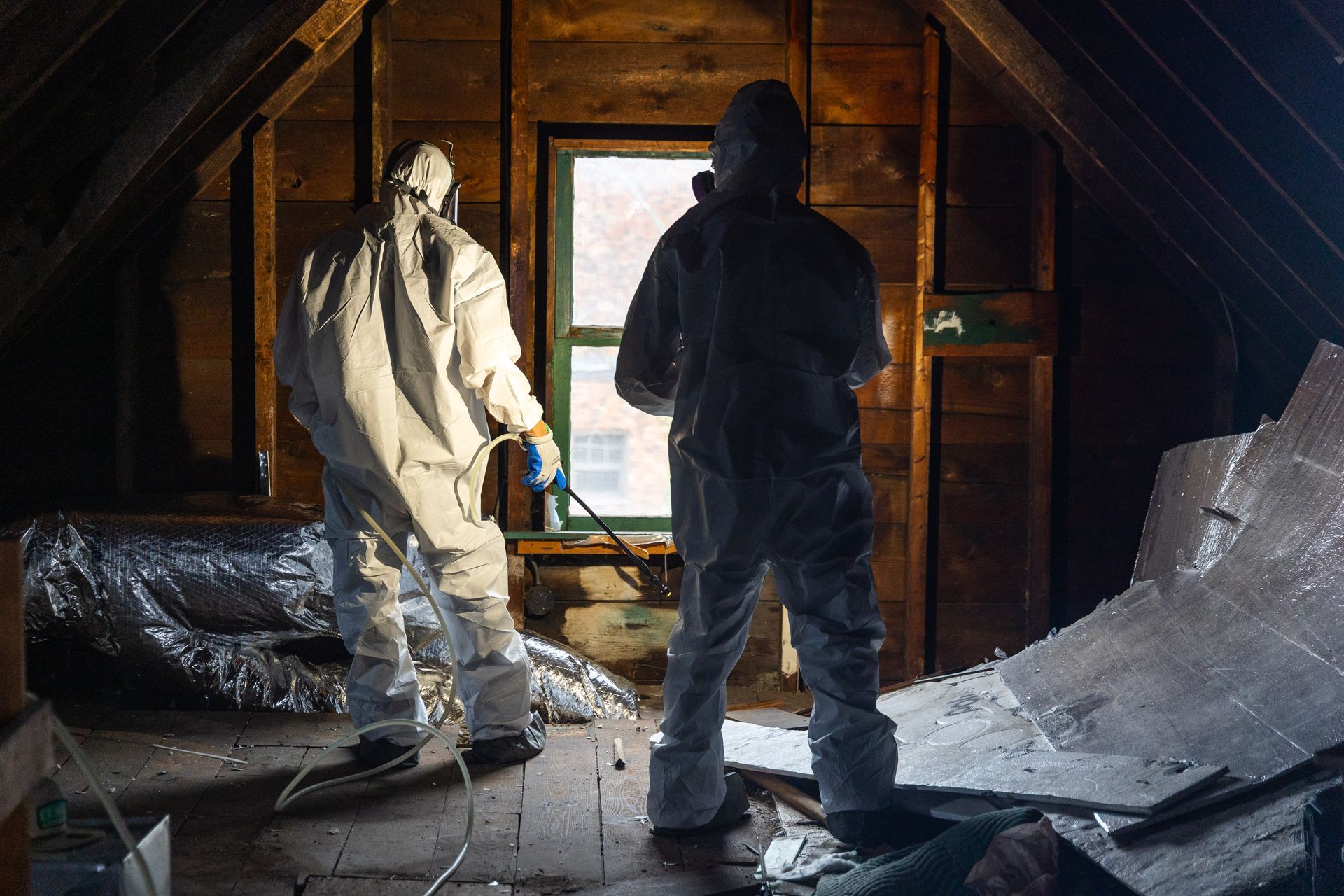
Two people in protective suits inspect a damaged attic with insulation debris and a bright window.
By CT Mold Remediation Specialists August 7, 2026
How do professionals know a house is dry after water damage? Learn how moisture mapping works, drying timelines, and the mistakes that let mold come back.
Open kitchen sink cabinet showing plumbing pipes and water damage on the cabinet floor
By CT Mold Remediation Specialists August 7, 2026
Kitchen mold in Connecticut usually starts with a hidden supply line leak behind cabinets or under the sink. Learn the warning signs and when to call a pro.
Damp stained wall above tile baseboard with water pooling on the floor
By CT Mold Remediation Specialists August 7, 2026
Fixed the leak but worried about mold? Learn why cleanup is a separate step, how to spot hidden growth, and when to call a Connecticut mold pro.

Show More