Attic Mold in Connecticut: What Homeowners Need to Know

June 22, 2026

Attic mold is one of the most overlooked — and most damaging — problems a Connecticut homeowner can face. Because most people rarely visit their attic, mold can grow undisturbed for months or even years before it's ever discovered. By the time it's noticed, it often has spread across large areas of sheathing, rafters, and insulation.

Connecticut's cold winters, humid summers, and frequent precipitation create ideal conditions for attic mold growth. Understanding what causes it, how to identify it, and what to do about it can protect your home, your health, and your property value.

What Causes Mold in Connecticut Attics?

Attic mold doesn't appear randomly — it develops when moisture accumulates in a space that lacks proper ventilation. In Connecticut homes, this happens more often than homeowners realize.

One of the most common causes is inadequate attic ventilation. When warm, humid air from the living spaces below rises into the attic and has nowhere to escape, it condenses on the cold wood surfaces of the roof deck and rafters. That persistent moisture creates the perfect environment for mold spores to take hold and multiply.

Improperly vented bathroom fans, kitchen exhaust fans, and dryer vents are another frequent culprit. When these vents are directed into the attic rather than out through the roof, they push warm, moisture-laden air directly onto cold surfaces — setting off a cycle of condensation and mold growth.

Ice dams — a common winter occurrence in Connecticut — can also contribute to attic moisture. When ice accumulates along roof edges and melts, water can back up under shingles and seep into the attic structure. Over time, this repeated moisture exposure leads to mold and wood rot.

How to Identify Attic Mold

Attic mold often goes undetected because most homeowners don't inspect their attics regularly. Knowing what to look for — and what to smell for — can help you catch a problem early.

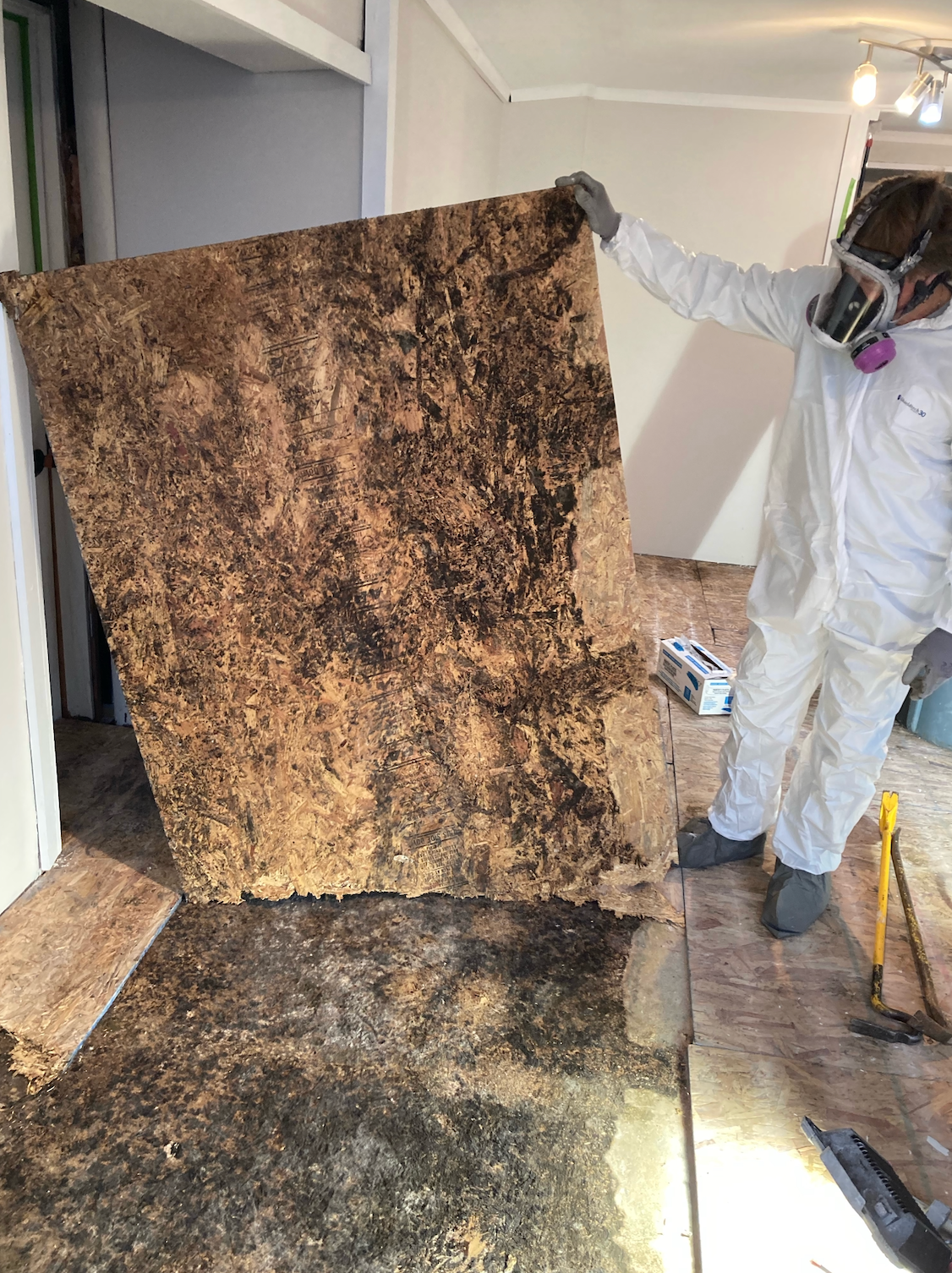
The most obvious sign is visible discoloration on the wood surfaces of your attic. Mold may appear as dark black or gray staining, green or white fuzzy patches, or streaking across roof sheathing and rafters. It's often confused with dirt or normal wood aging, which is why a professional inspection is valuable.

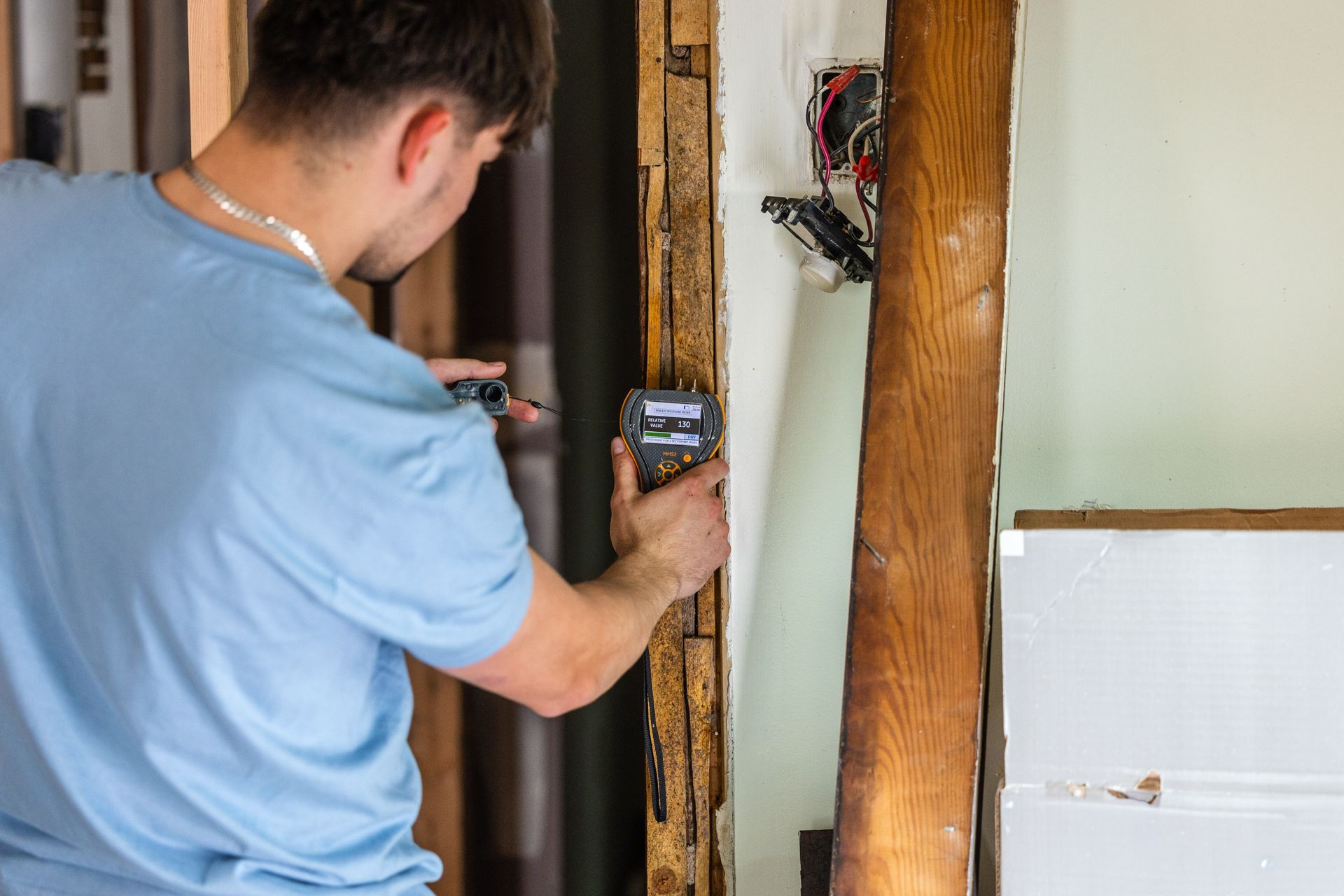
A musty, earthy odor in your attic or upper floors of your home is another common indicator. If you notice this smell — especially after rain or during humid months — it's worth having your attic inspected. Air quality testing can confirm whether mold spores are present even when visible mold isn't obvious.

Staining on insulation, peeling paint or moisture stains on ceilings below the attic, and unusually high indoor humidity can all be indirect signs that moisture is entering and collecting in your attic space.

Why Attic Mold Is a Serious Problem

Some homeowners are tempted to dismiss attic mold as a cosmetic issue or address it with a simple bleach treatment. This approach rarely works — and can make things worse. Mold remediation in an attic requires more than surface cleaning; it requires addressing both the mold itself and the moisture source driving its growth.

Left untreated, attic mold can compromise the structural integrity of your roof system. Mold weakens wood over time, and widespread growth on roof sheathing may eventually require costly structural repairs alongside remediation.

Mold spores also affect indoor air quality. As air moves through your home, spores from the attic can circulate into living spaces — a particular concern for household members with allergies, asthma, or respiratory sensitivities. Connecticut's older housing stock, much of which lacks modern vapor barriers and ventilation systems, makes this risk even more common.

From a real estate perspective, attic mold discovered during a home inspection can derail a sale, require price reductions, or create legal liability. Addressing it proactively protects your investment.

Professional Attic Mold Remediation

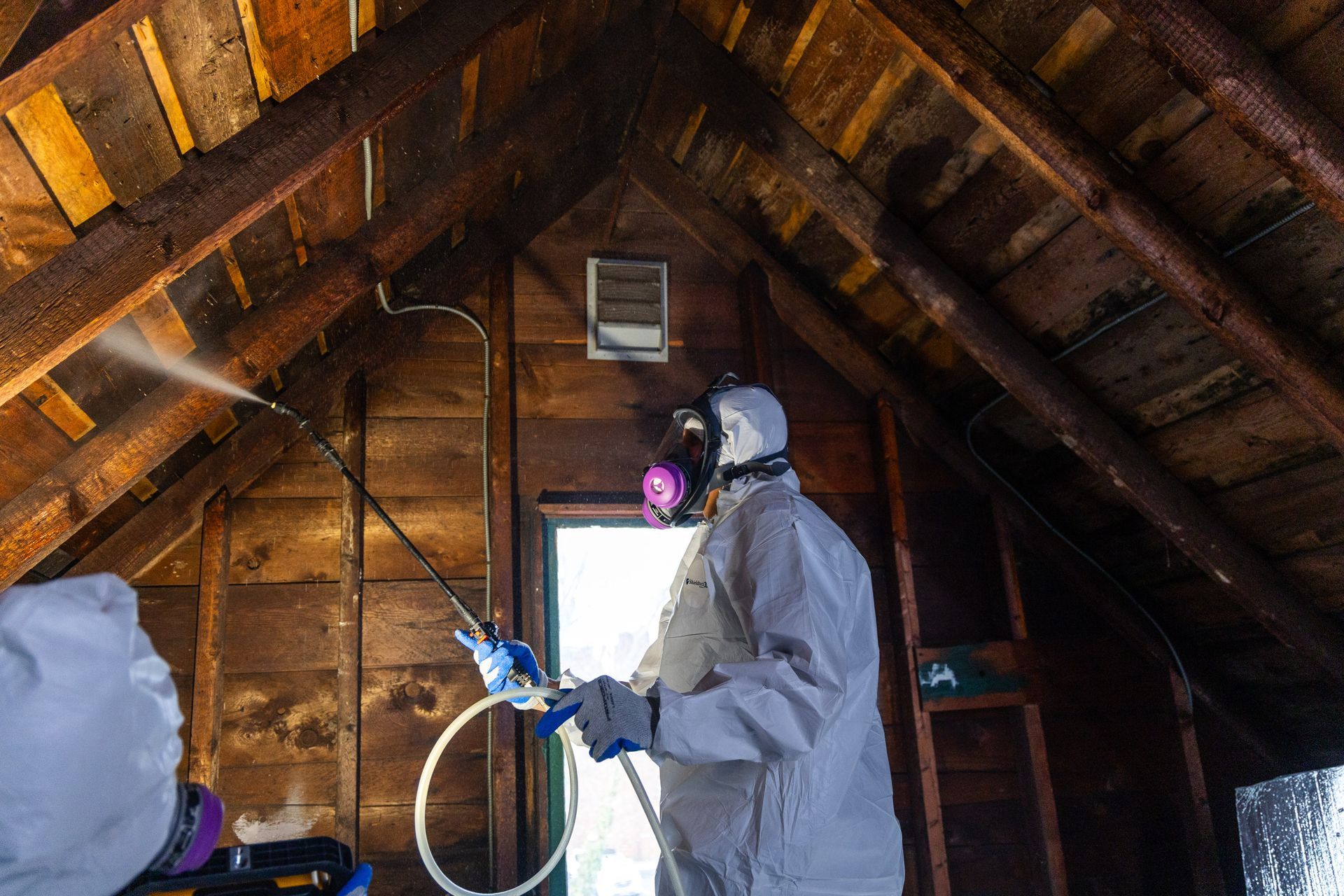
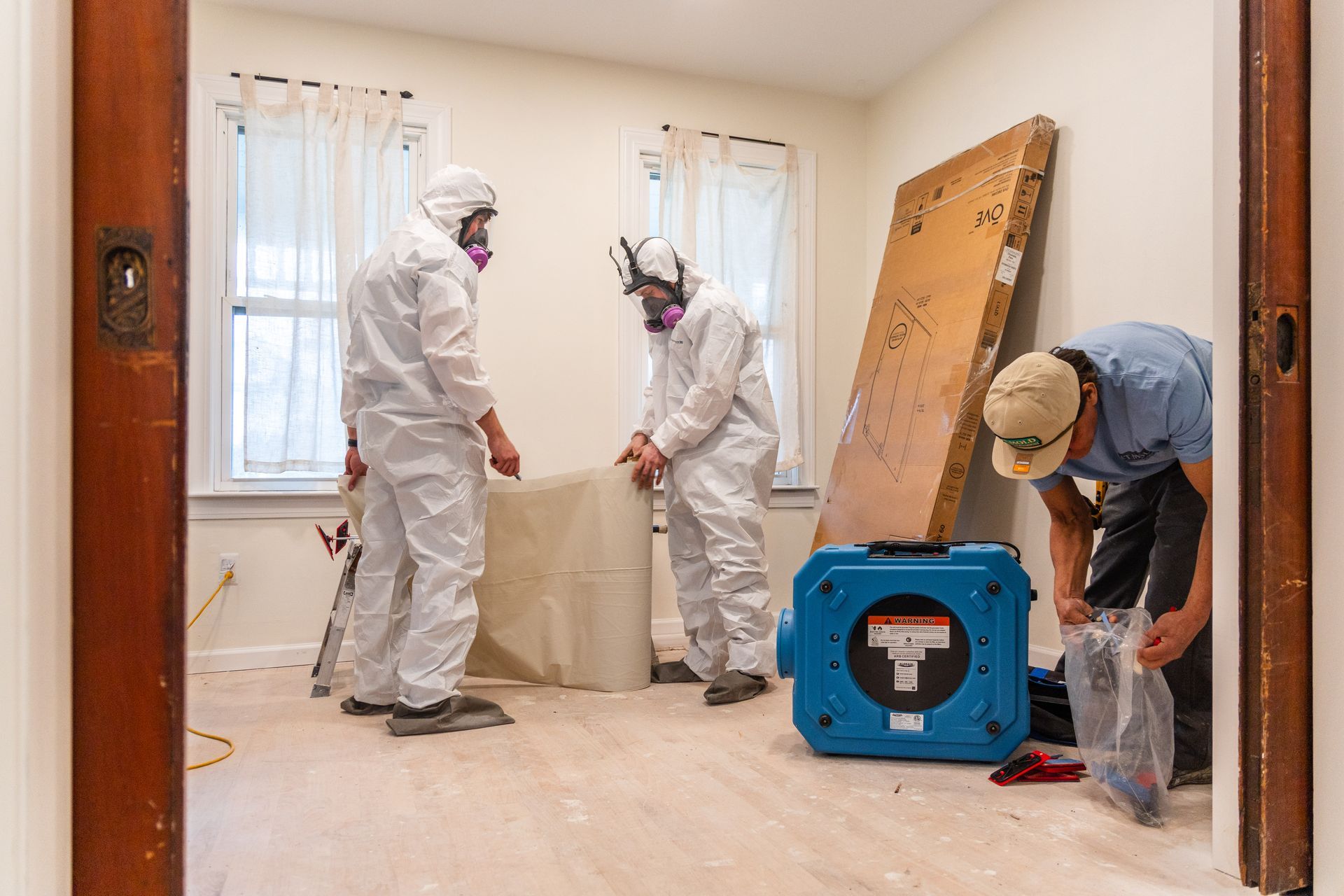
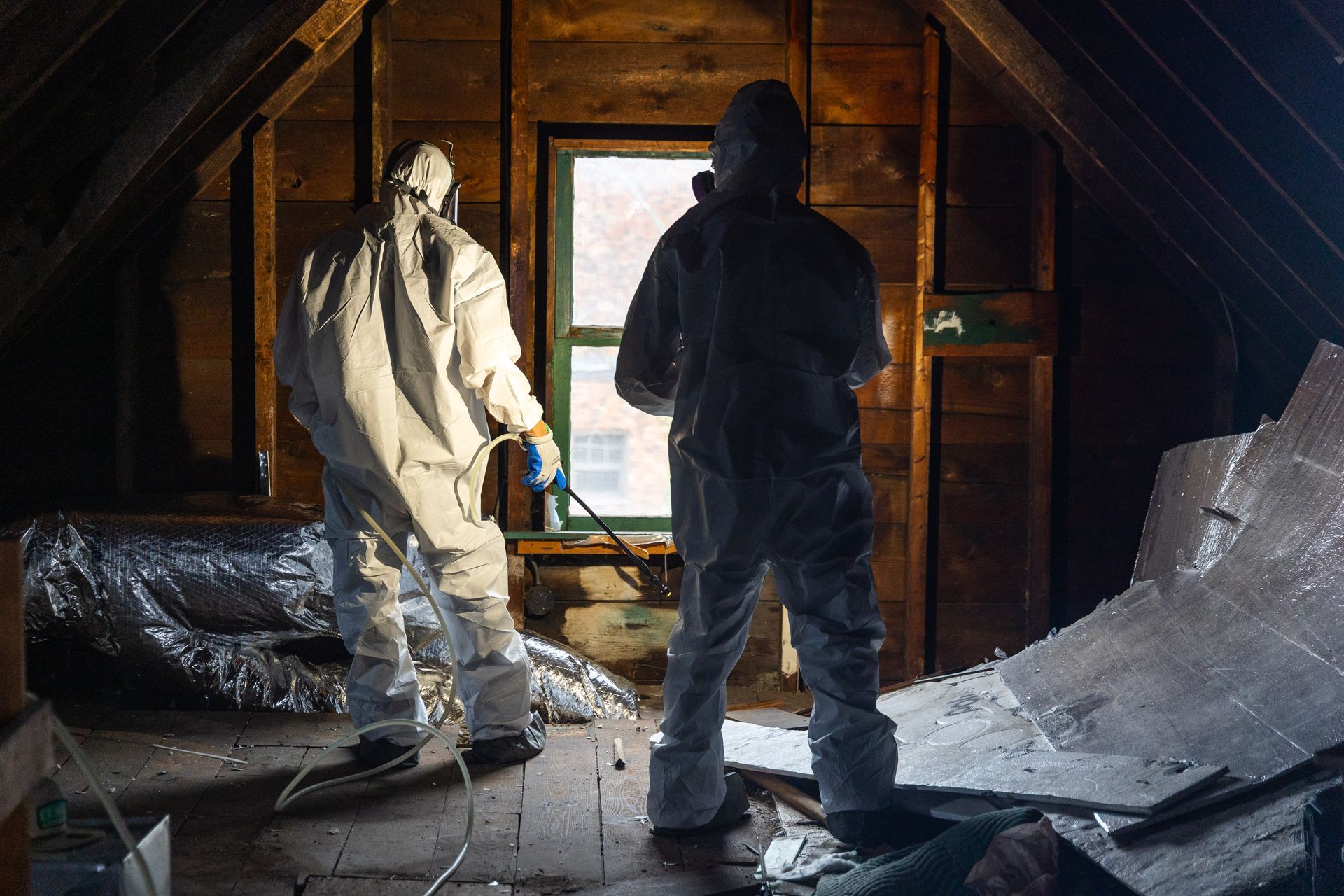
Effective attic mold remediation follows a systematic process. A qualified professional will assess the full extent of the mold growth, identify all moisture sources, safely remove and treat affected materials, and recommend ventilation or structural corrections to prevent recurrence.

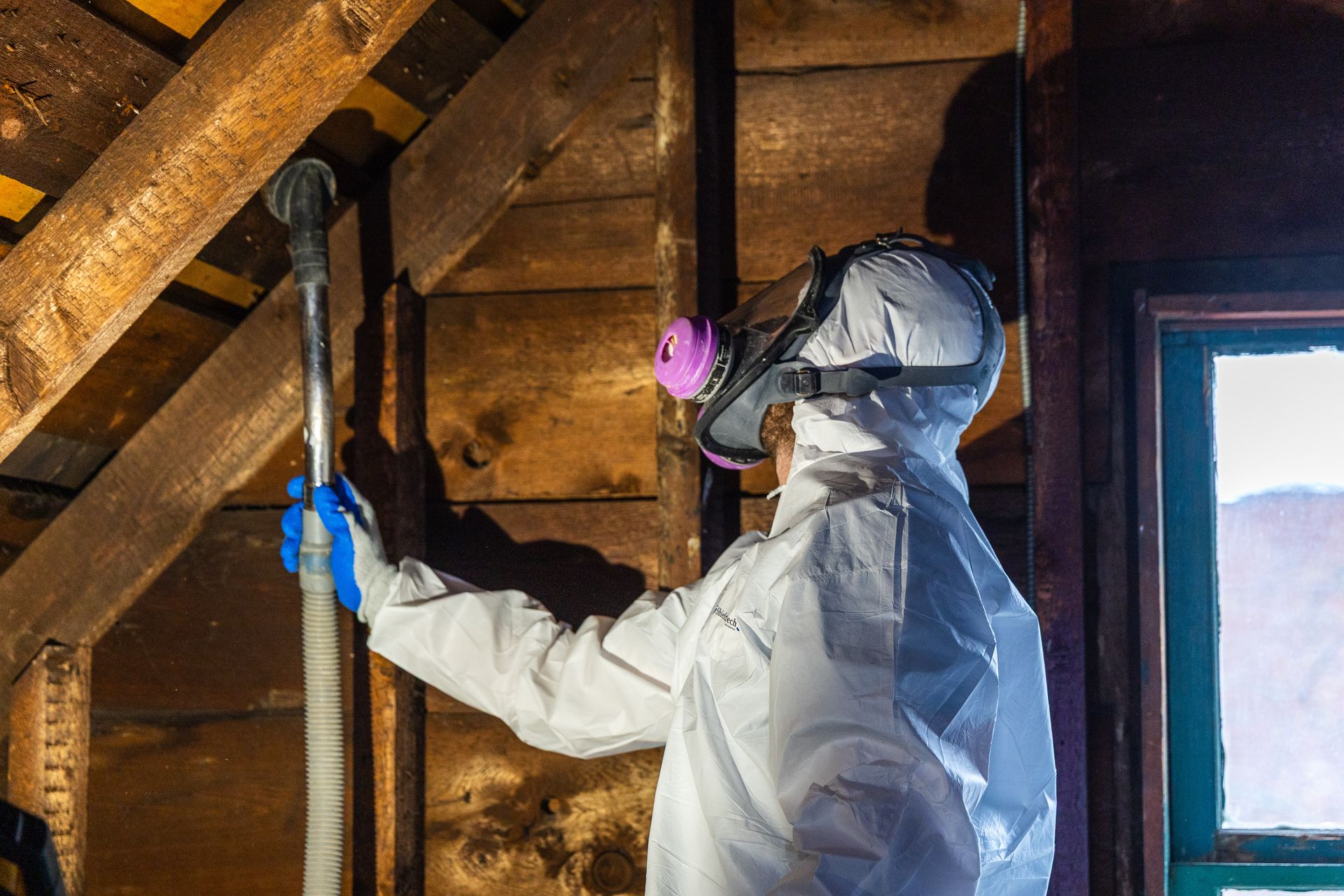
Professional remediation typically involves HEPA vacuuming, antimicrobial treatment of affected surfaces, and in some cases, sanding or replacement of heavily affected sheathing. Simply painting over mold or applying bleach does not eliminate the problem — it only temporarily masks it.

After remediation, proper attic ventilation is critical. A professional may recommend soffit and ridge vent upgrades, redirecting bathroom fans to vent properly through the roof, or adding attic ventilation fans to maintain healthy airflow year-round.

CT Mold Man provides professional mold inspection, air quality testing, and remediation services throughout Connecticut. Every job begins with a thorough assessment to ensure the right solution for your specific situation.

When to Call a Professional for Attic Mold

If you see visible mold covering more than a small area, notice a persistent musty odor in your home, or have recently had a roof leak or ice dam, it's time to call a professional. The longer attic mold goes untreated, the more expensive and extensive the remediation typically becomes.

Don't wait for a home inspection to surface the problem. A proactive mold inspection gives you full knowledge of your home's condition — and the ability to address any issues on your own terms.

CT Mold Man serves homeowners and property managers throughout Connecticut. Contact us today to schedule a professional mold inspection or air quality test.

Frequently Asked Questions About Attic Mold in Connecticut

  • How do I know if my attic has mold?

    The most common signs of attic mold are visible dark staining or fuzzy growth on roof sheathing and rafters, a persistent musty odor in your attic or upper floors, and moisture staining on insulation or ceilings. Because attics are rarely accessed, mold often grows undetected for extended periods. A professional mold inspection is the most reliable way to confirm whether mold is present and assess the full extent of any growth.

  • What causes mold to grow in attics?

    Attic mold is primarily caused by moisture combined with poor ventilation. In Connecticut homes, common causes include inadequately vented bathroom or kitchen exhaust fans, insufficient soffit or ridge ventilation, ice dams, and roof leaks. When warm, humid air rises into a cold, poorly ventilated attic and condenses on wood surfaces, it creates conditions where mold can develop and spread quickly.

  • Is attic mold dangerous to my family's health?

    Attic mold can impact indoor air quality throughout your home as spores circulate through the HVAC system and natural air movement. This is especially concerning for family members with allergies, asthma, or compromised immune systems. While not all mold is equally hazardous, any active mold growth in your home should be professionally assessed and addressed to protect your household's health.

  • How much does attic mold remediation cost in Connecticut?

    The cost of attic mold remediation in Connecticut varies depending on the size of the affected area, the type of mold present, and the extent of structural involvement. Smaller, localized cases are less expensive to address than widespread growth across an entire roof deck. Getting a professional inspection and assessment is the best way to understand the scope of the issue and receive an accurate estimate for your specific situation.

  • Can I clean attic mold myself?

    DIY attic mold treatment is generally not recommended for anything beyond very minor, isolated surface mold. Bleach treatments do not penetrate porous wood surfaces effectively, and without addressing the underlying moisture source, mold almost always returns. Professional remediation ensures complete removal, proper treatment of affected materials, and correction of the conditions causing mold — helping prevent recurrence and protecting your home long-term.

Person in a dark coat standing in a dim, worn room with peeling walls and scattered debris
By Lauren Mahoney June 22, 2026
Connecticut homeowners: learn what to check in your attic every spring for winter mold damage, warning signs to watch for, and when to call CT Mold Man.
White wall tiles along a baseboard with damp, stained wall above and wet floor below.
By Lauren Mahoney June 22, 2026
Planning a bathroom renovation in Connecticut? Learn why mold inspection before demo is critical, what bathroom leaks hide, and when to call CT Mold Man.
Real estate agent on phone beside a house with a red
By Lauren Mahoney June 22, 2026
Buying or selling a home in Connecticut? Learn why a professional mold inspection protects both parties, what it covers, and when to call CT Mold Man.
Staircase landing with wooden steps and a colorful stained-glass window on the left wall.
By Lauren Mahoney June 22, 2026
Found mold on a home inspection report in Connecticut? Learn what it means, what to do next, and when to call CT Mold Man for a professional mold inspection.
Person in protective suit holds up a mold-damaged carpet in a room with heavy floor staining.
By Lauren Mahoney June 22, 2026
Wondering what mold remediation costs in Connecticut? Learn what factors affect pricing, what the process involves, and when to call CT Mold Man.
By Lauren Mahoney June 22, 2026
Wondering if a preventive mold inspection is worth it in Connecticut? Learn why proactive inspections protect your home, health, and property value. Call CT Mold Man today.
Unfinished basement with exposed pipes, pink insulation, and bare concrete floor.
By Lauren Mahoney June 22, 2026
Learn the difference between basement mold and moisture in Connecticut homes, how to identify each, and when to call a professional for mold inspection.