Mold After a Bathroom Leak: What You Need to Know Before Renovating

June 22, 2026

A bathroom renovation is one of the most common home improvement projects in Connecticut — but it's also one of the most likely to uncover hidden mold. Bathrooms are consistently wet environments, and even a single slow leak behind a wall or under a floor can create the moisture conditions mold needs to grow undetected for months or years. Before any demo begins, understanding the mold risk can save you from a much larger and more expensive problem mid-project.

Why Bathroom Leaks and Mold Go Hand in Hand

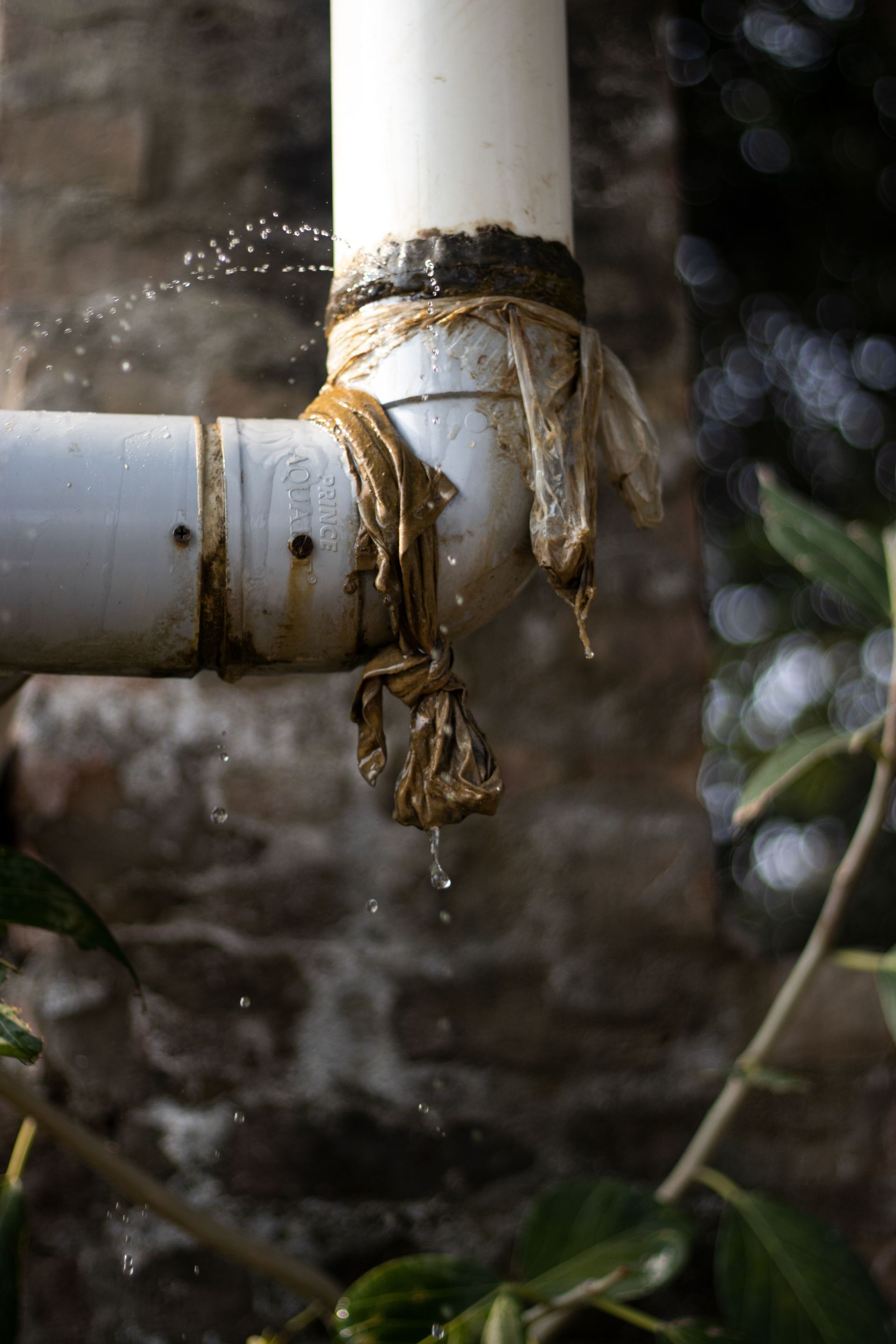
Mold requires three things to grow: moisture, an organic food source, and warm temperatures. Bathrooms supply all three. Hot showers create humidity. Plumbing connections — supply lines, drain pipes, and shutoff valves — can seep or drip slowly without any visible sign. Grout and caulk deteriorate over time, allowing water to penetrate behind tile and into the wall cavity below.

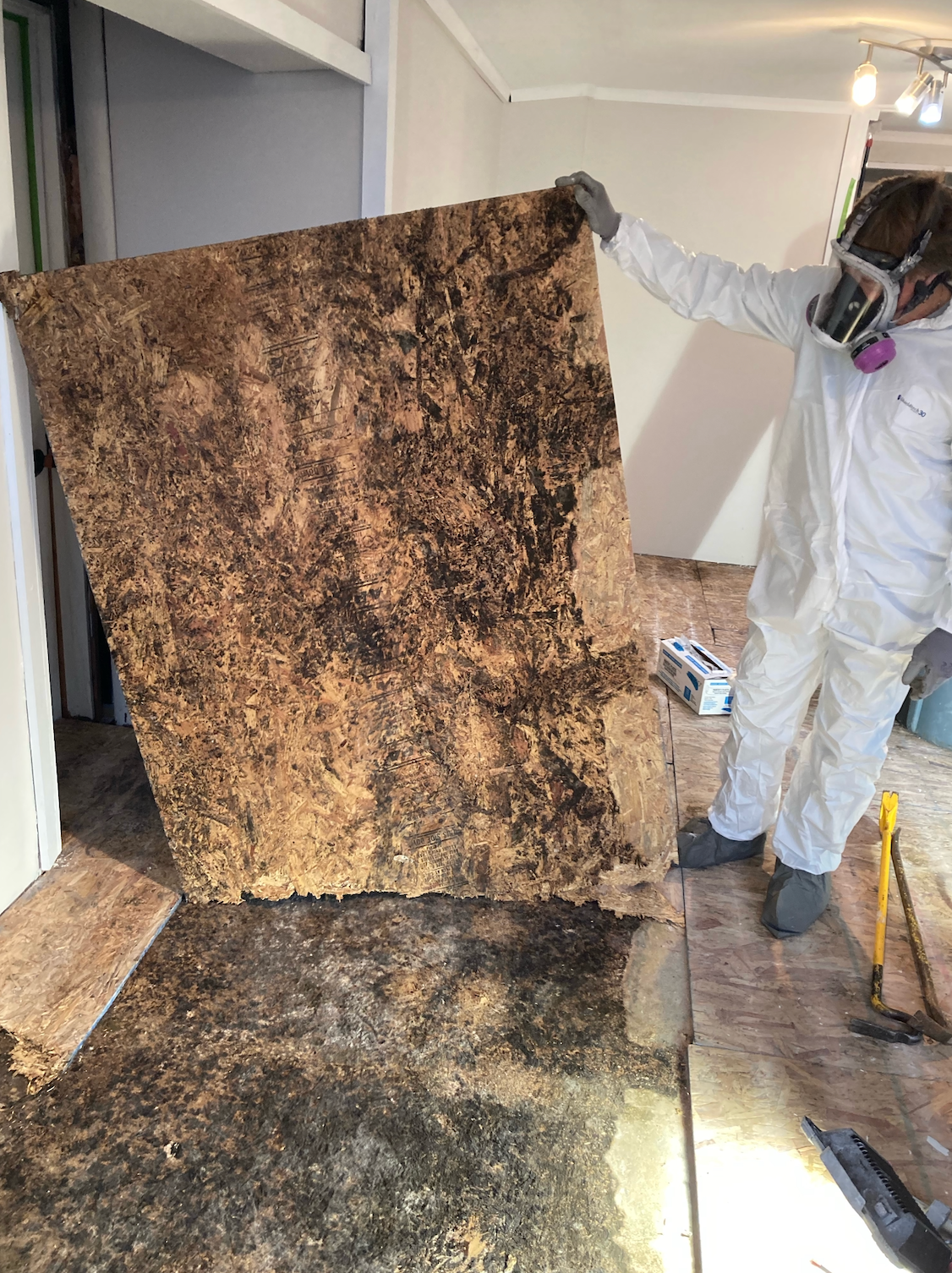
The materials inside a bathroom wall are exactly what mold needs to feed on. Drywall paper, wood framing, and subfloor material are all organic substrates that support mold growth once moisture is present. In Connecticut homes — particularly older construction where original plumbing may be decades old — the conditions for hidden mold growth behind bathroom walls are common.

The problem with bathroom mold is that it's invisible until something forces it into view. A slow leak doesn't flood a room; it saturates materials gradually. By the time a homeowner notices a soft spot in the floor, discoloration on a ceiling below, or a persistent musty odor, mold has typically been growing for a significant period.

What Demo Day Can Reveal — And Why That's a Problem

Many homeowners discover mold for the first time when their contractor starts pulling up tile, cutting into drywall, or removing a vanity. At that point, the renovation has already begun — materials have been ordered, workers are on-site, and the project timeline is running. Discovering active mold growth mid-demo creates an immediate decision point: stop work, call a remediation professional, and add time and cost to the project.

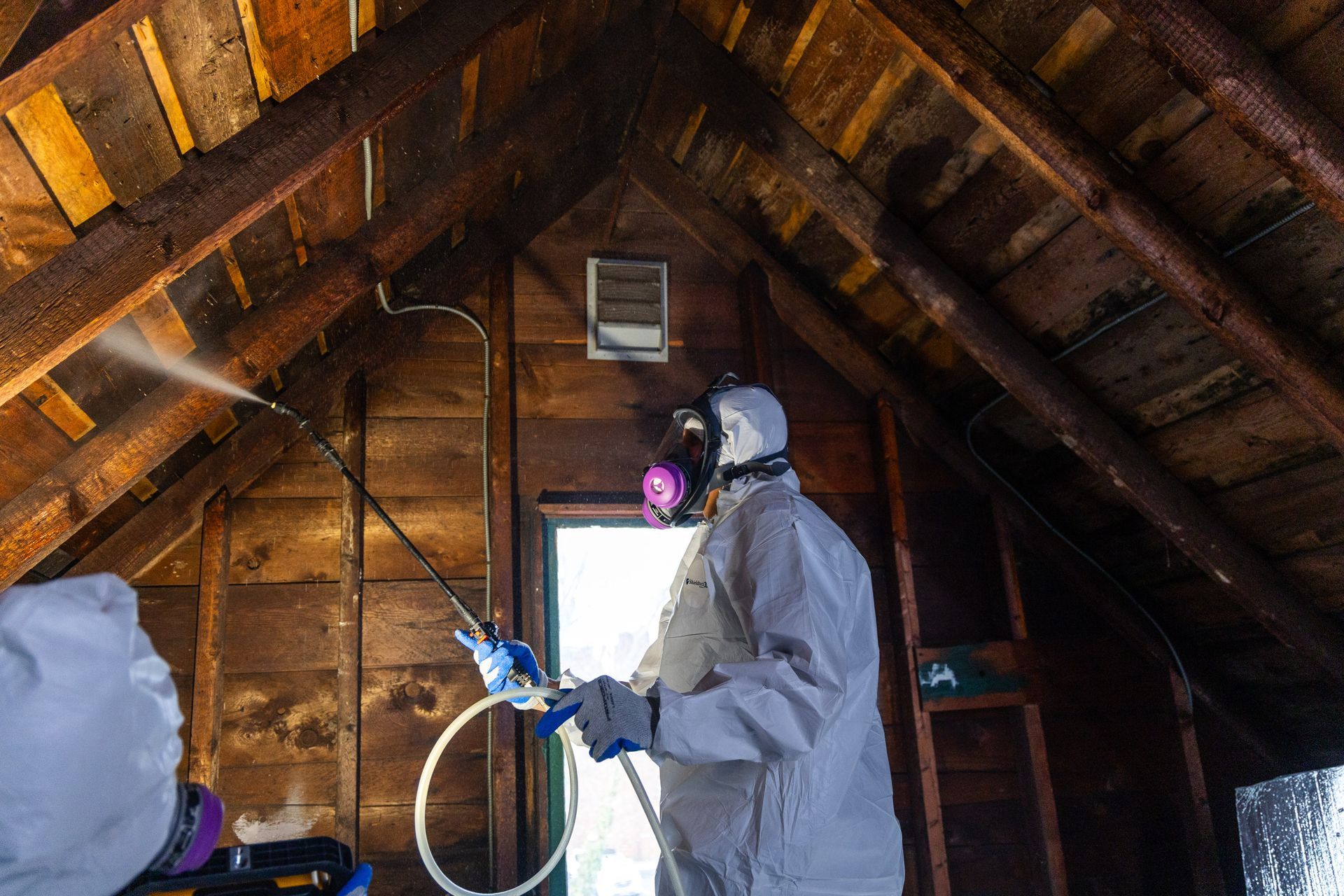
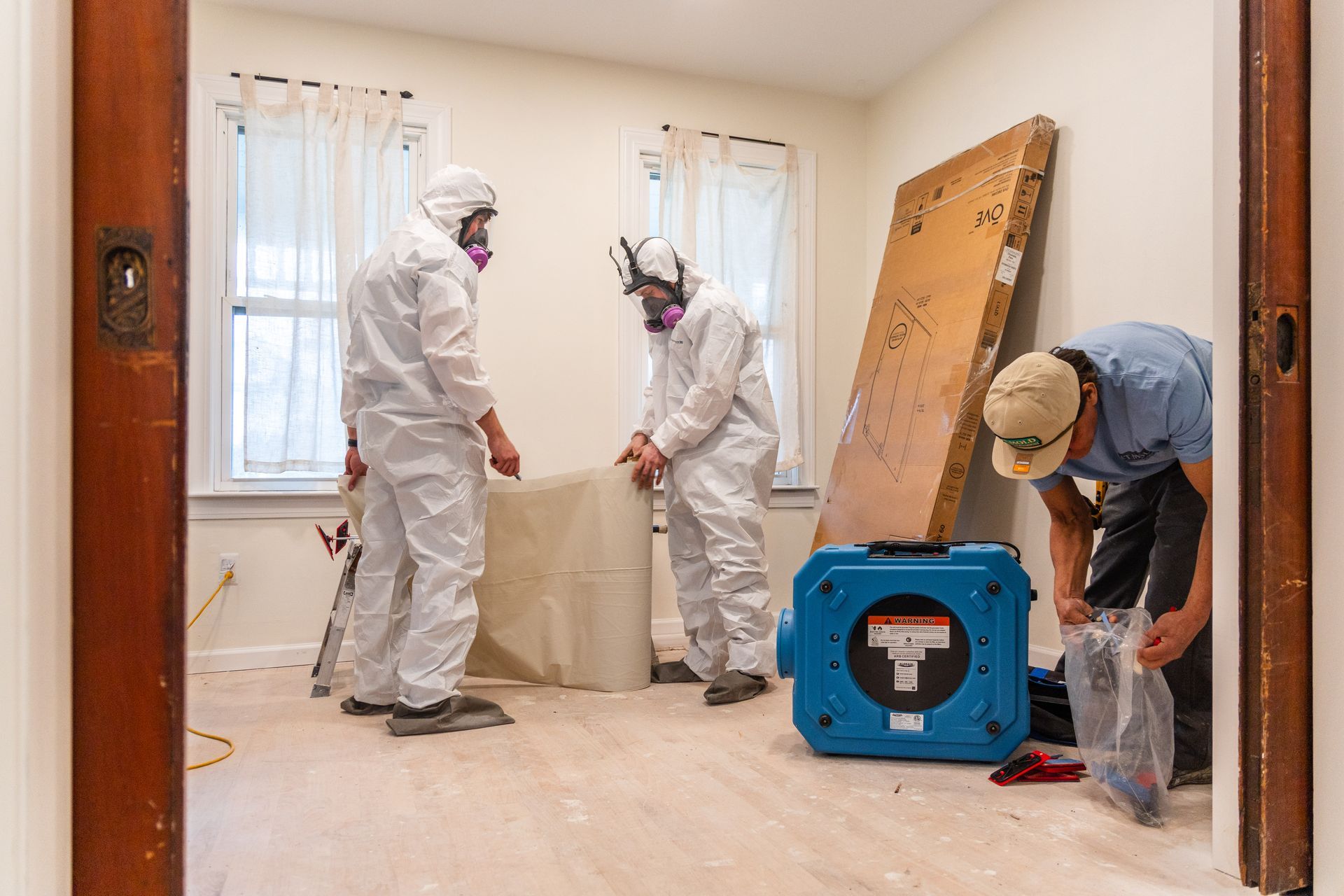
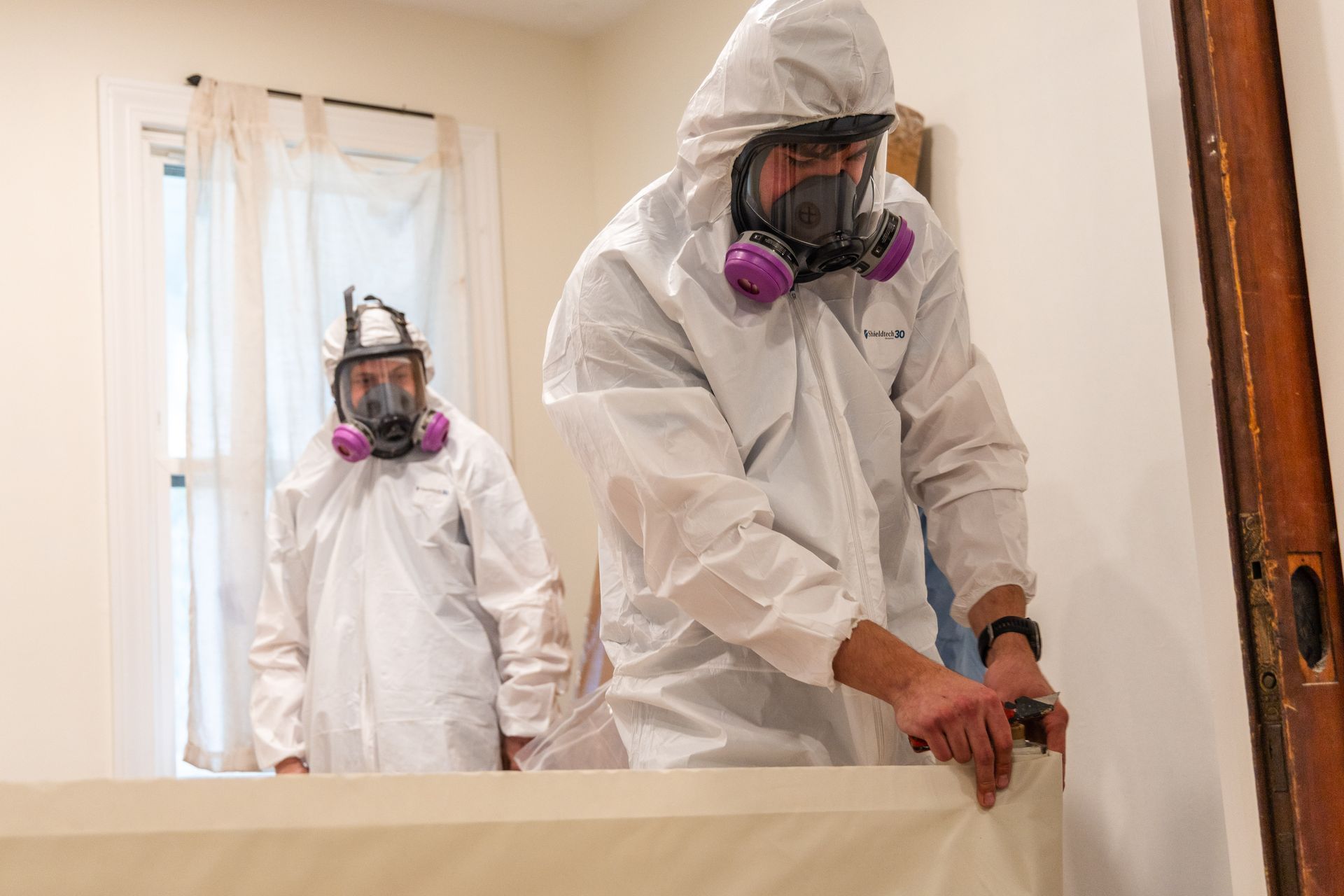
Proceeding with renovation over active mold is not a safe option. Disturbing mold growth without proper containment releases mold spores into the air, spreading contamination to adjacent areas of the home. Standard contractor work is not equipped to handle active mold — remediation requires specialized containment protocols, PPE, and post-clearance air testing to confirm the space is clean before construction continues.

A pre-renovation mold inspection changes this entirely. It identifies what's behind the walls before demo starts, so any remediation can be planned, budgeted, and completed before construction materials arrive and workers begin.

Signs a Bathroom May Have Hidden Mold Before You Renovate

Not all bathroom mold announces itself clearly. Before beginning a renovation — or when deciding whether a pre-renovation inspection is warranted — Connecticut homeowners should watch for these indicators:


  • A persistent musty or earthy smell in or near the bathroom, even after cleaning
  • Soft, spongy, or discolored areas on the floor near the toilet, tub, or shower
  • Grout lines that are cracking, deteriorating, or showing dark discoloration
  • Caulk that is separating, peeling, or showing black or green discoloration
  • Water staining on walls or ceilings in rooms adjacent to or below the bathroom
  • A history of known plumbing leaks, even ones that appear to have been repaired
  • Peeling paint or wallpaper on bathroom walls

Any of these signs suggests moisture has been present long enough to potentially support mold growth inside the wall or floor assembly. A pre-renovation mold inspection can confirm what's actually there before demo begins.

The Right Order of Operations: Inspect Before You Demo

The professional approach to bathroom renovation in a home with any history of water issues — or any of the warning signs listed above — is to schedule a mold inspection before construction begins. This isn't just about protecting the renovation budget; it's about protecting the air quality of your home.

When mold is identified before demo, remediation can be properly scoped, contained, and completed. The affected materials are removed under controlled conditions, the area is treated, and post-clearance air quality testing confirms the space is clean. Only then does renovation proceed — on a clean substrate, without contamination risk to the rest of the home.

Skipping this step in the name of saving time or money almost always costs more when mold surfaces mid-project. A pre-renovation mold inspection is a relatively modest investment compared to the cost of stopping a renovation in progress, re-scoping the project, and conducting emergency remediation under time pressure.

When to Call CT Mold Man Before Your Bathroom Renovation

If you're planning a bathroom renovation in Connecticut — particularly in a home that's more than 15–20 years old, has had any history of plumbing leaks, or is showing any of the warning signs above — schedule a mold inspection before demo begins. CT Mold Man provides certified mold inspections, remediation, and air quality testing for Connecticut homeowners. Contact CT Mold Man to schedule a pre-renovation inspection and go into your project with a clear picture of what's behind your walls.

Frequently Asked Questions

  • Can a bathroom leak cause mold inside the wall?

    Yes — a bathroom leak can absolutely cause mold to grow inside the wall, often without any visible sign on the surface. Slow leaks from plumbing connections, deteriorated grout, or failed caulk allow water to penetrate behind tile and into wall cavities where drywall, wood framing, and subfloor materials provide ideal conditions for mold growth. In Connecticut's humid climate, mold can establish and spread inside a wall within 24–48 hours of moisture being present.

  • How do I know if there's mold behind my bathroom tiles before I renovate?

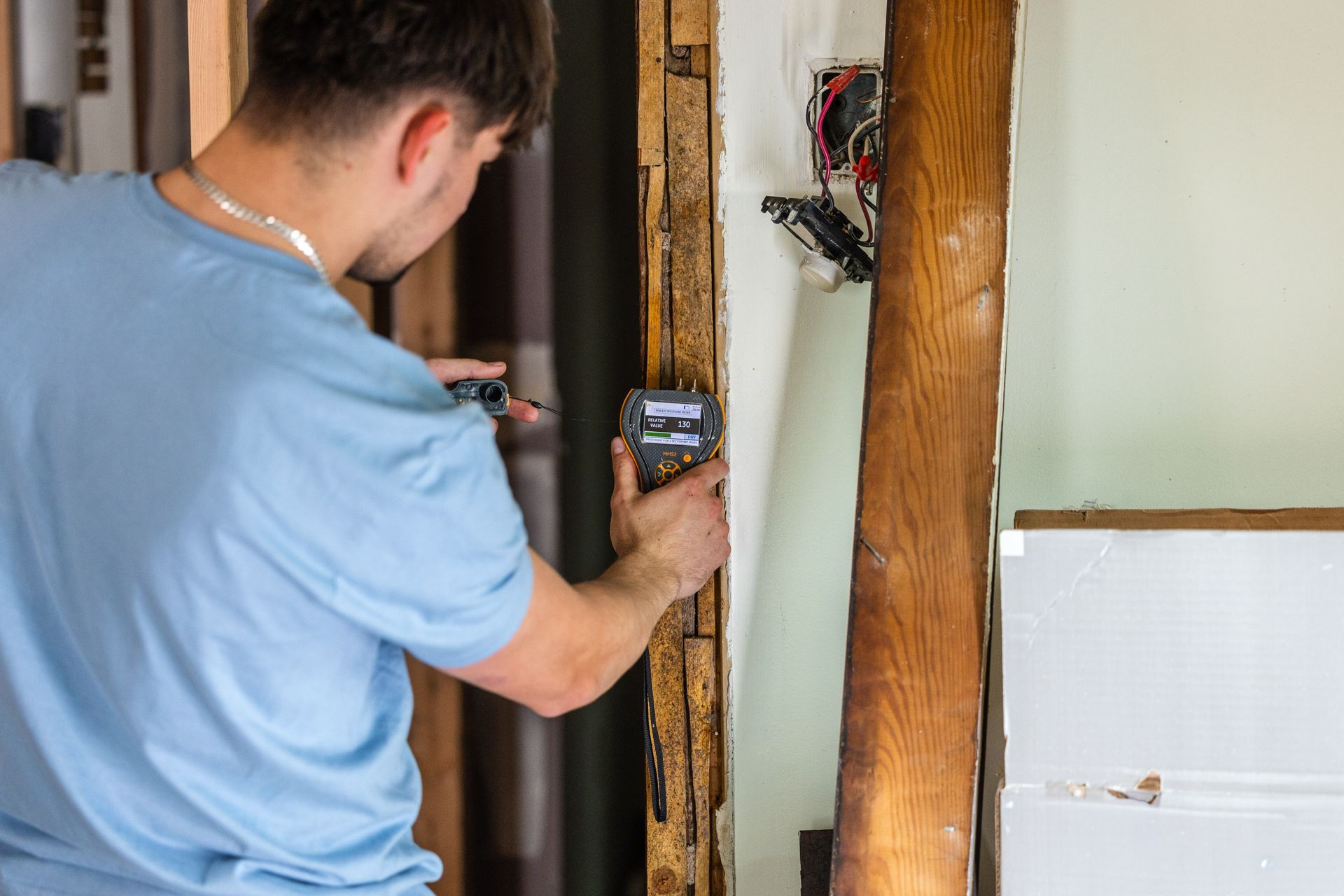
    Common signs of mold behind bathroom tiles include a persistent musty odor, soft or spongy flooring near the tub or shower, discolored or deteriorating grout, caulk that is peeling or separating, and water staining on adjacent walls or ceilings. However, mold behind tile is often completely invisible without opening the wall. A professional mold inspection — which may include moisture mapping and air sampling — is the only reliable way to confirm what's present before renovation begins.

  • Is it safe to renovate a bathroom if there's mold present?

    No — it is not safe to proceed with bathroom renovation over active mold without professional remediation first. Demolition work disturbs mold colonies and releases spores into the air, spreading contamination to other areas of the home. Standard contractor work is not equipped for mold containment. The correct sequence is: mold inspection, then remediation under controlled conditions, then post-clearance air quality testing, then renovation. Proceeding out of order creates health risks and can result in cross-contamination that significantly increases the cost and scope of remediation.

  • How long does mold remediation take before a bathroom renovation can continue?

    The timeline for mold remediation before a bathroom renovation depends on the extent of the growth and the materials affected. Minor surface mold in a contained area may be resolved in one to two days. More extensive growth involving wall cavities, subfloor, or framing may take several days to complete, including time for post-clearance air quality testing. CT Mold Man can assess the scope during a pre-renovation inspection and provide a remediation timeline before construction is scheduled.

  • Should I tell my contractor if I suspect mold in my bathroom before renovation?

    Yes — always disclose any known or suspected mold to your contractor before renovation begins. Reputable contractors will not proceed over known mold without proper remediation, and attempting to conceal it creates liability for everyone involved. The better approach is to schedule a professional mold inspection before any construction begins so you have a documented assessment. If mold is confirmed, CT Mold Man can complete remediation and provide a clearance report before your contractor returns to begin the renovation.

Person in a dark coat standing in a dim, worn room with peeling walls and scattered debris
By Lauren Mahoney June 22, 2026
Connecticut homeowners: learn what to check in your attic every spring for winter mold damage, warning signs to watch for, and when to call CT Mold Man.
Real estate agent on phone beside a house with a red
By Lauren Mahoney June 22, 2026
Buying or selling a home in Connecticut? Learn why a professional mold inspection protects both parties, what it covers, and when to call CT Mold Man.
Staircase landing with wooden steps and a colorful stained-glass window on the left wall.
By Lauren Mahoney June 22, 2026
Found mold on a home inspection report in Connecticut? Learn what it means, what to do next, and when to call CT Mold Man for a professional mold inspection.
Person in protective suit holds up a mold-damaged carpet in a room with heavy floor staining.
By Lauren Mahoney June 22, 2026
Wondering what mold remediation costs in Connecticut? Learn what factors affect pricing, what the process involves, and when to call CT Mold Man.
By Lauren Mahoney June 22, 2026
Wondering if a preventive mold inspection is worth it in Connecticut? Learn why proactive inspections protect your home, health, and property value. Call CT Mold Man today.
Unfinished basement with exposed pipes, pink insulation, and bare concrete floor.
By Lauren Mahoney June 22, 2026
Learn the difference between basement mold and moisture in Connecticut homes, how to identify each, and when to call a professional for mold inspection.
Close-up of a weathered wooden ceiling with diagonal beams and peeling paint
By Lauren Mahoney June 22, 2026
Attic mold is a common problem for Connecticut homeowners. Learn what causes it, how to spot it, and when to call a professional for mold remediation.