
Is a Preventive Mold Inspection Worth It? (Even If You Don't See Mold)

A preventive mold inspection is worth it for most Connecticut homeowners — even when there's no visible mold. Mold frequently grows in hidden areas long before it becomes visible, and by the time it appears on surfaces, a problem has often been developing for months. Proactive inspection gives you the information needed to address issues early, before they become costly remediations.
Why Preventive Mold Inspections Matter for Connecticut Homeowners
Most homeowners think of mold inspections as something you do after a problem shows up — a musty smell, visible discoloration, or a failed home inspection. But in Connecticut, where the climate creates persistent moisture challenges year-round, waiting for visible signs means waiting too long.
Connecticut's combination of humid summers, heavy spring rainfall, snowmelt, and freeze-thaw cycles creates near-constant pressure on home envelopes, basements, crawl spaces, and attics. Add in the state's older housing stock — many homes built before modern vapor barriers and insulation standards — and the conditions for hidden mold growth are common across the region.
A preventive inspection isn't about finding a problem you already know about. It's about discovering one before it finds you.
What a Preventive Mold Inspection Looks For
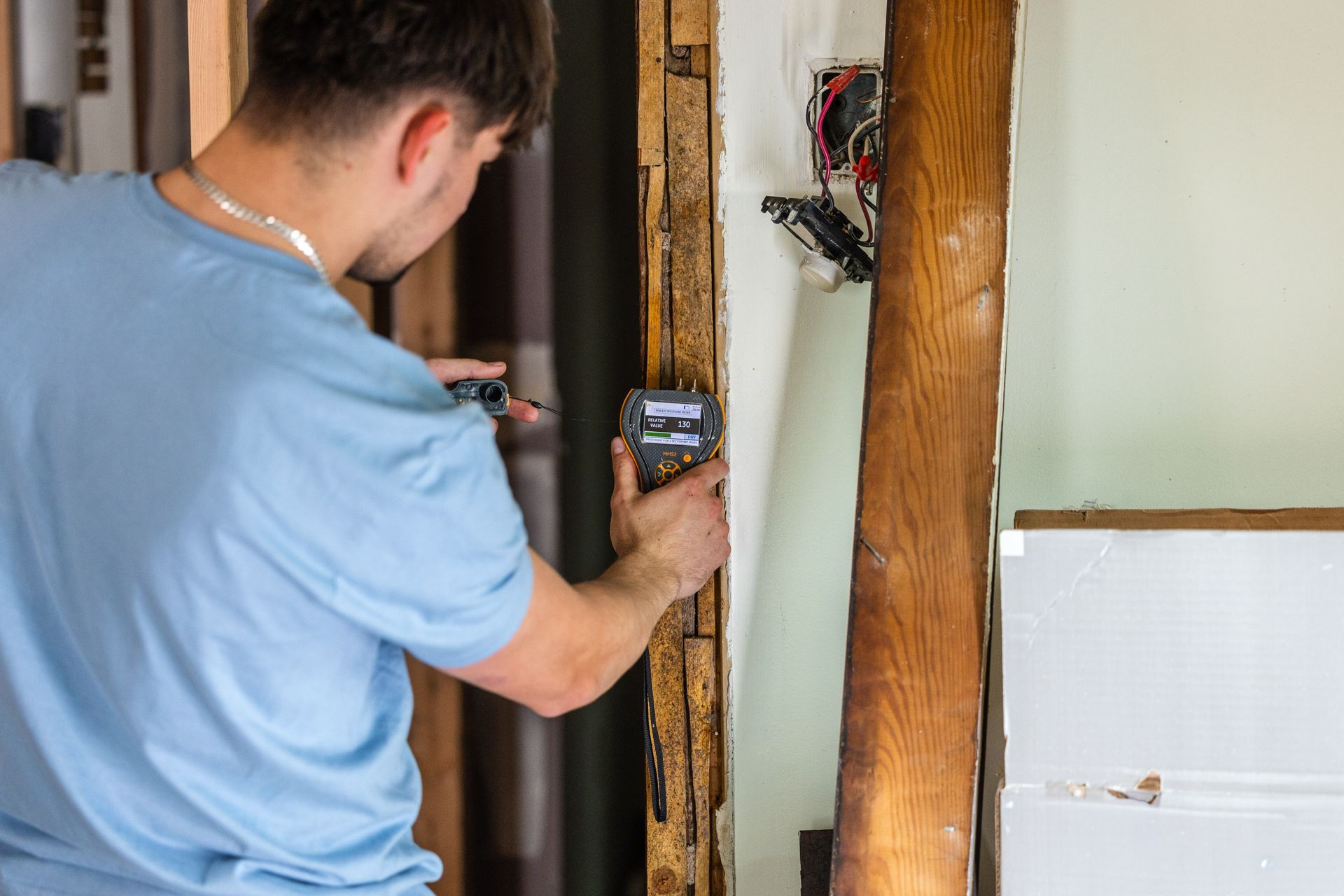
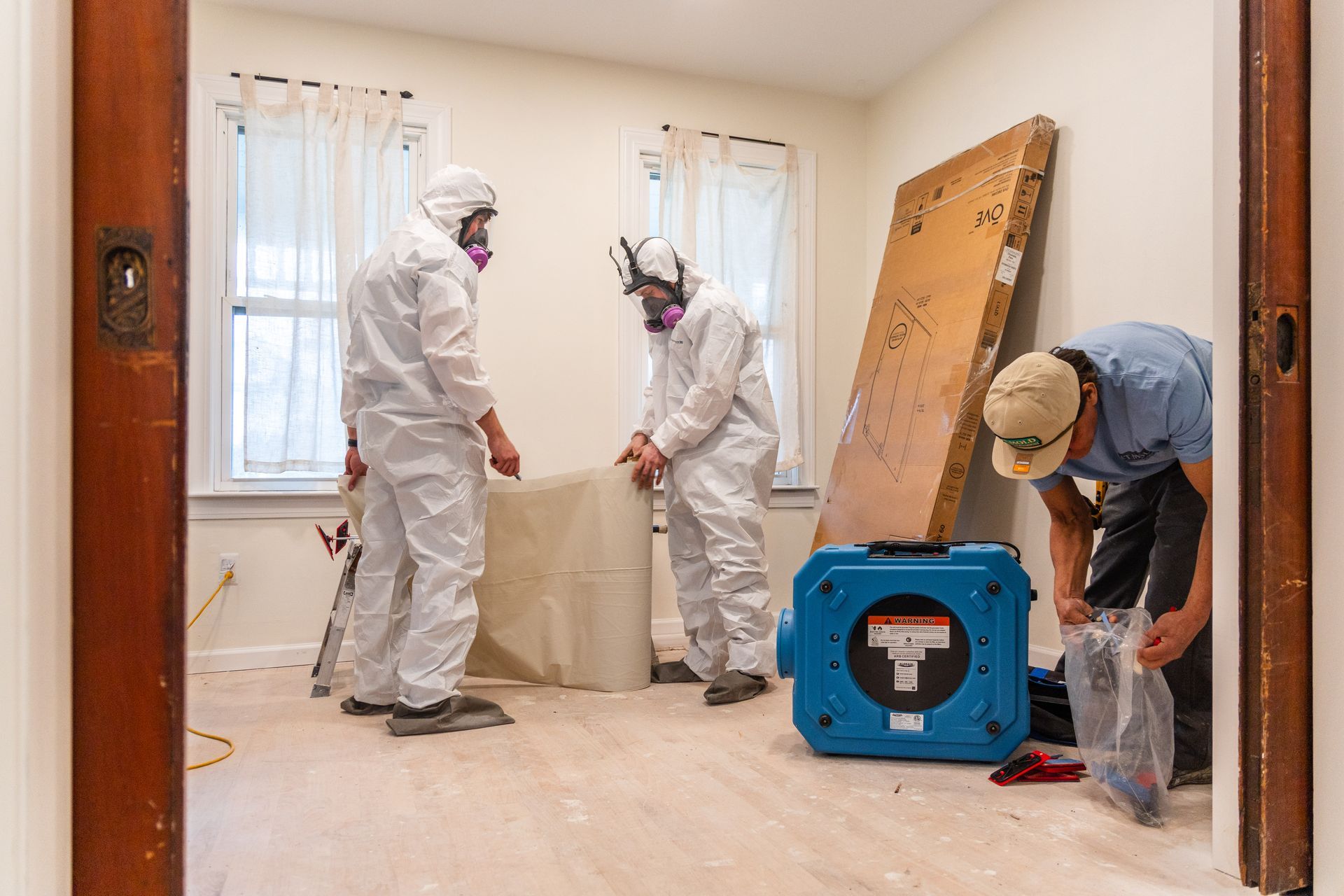
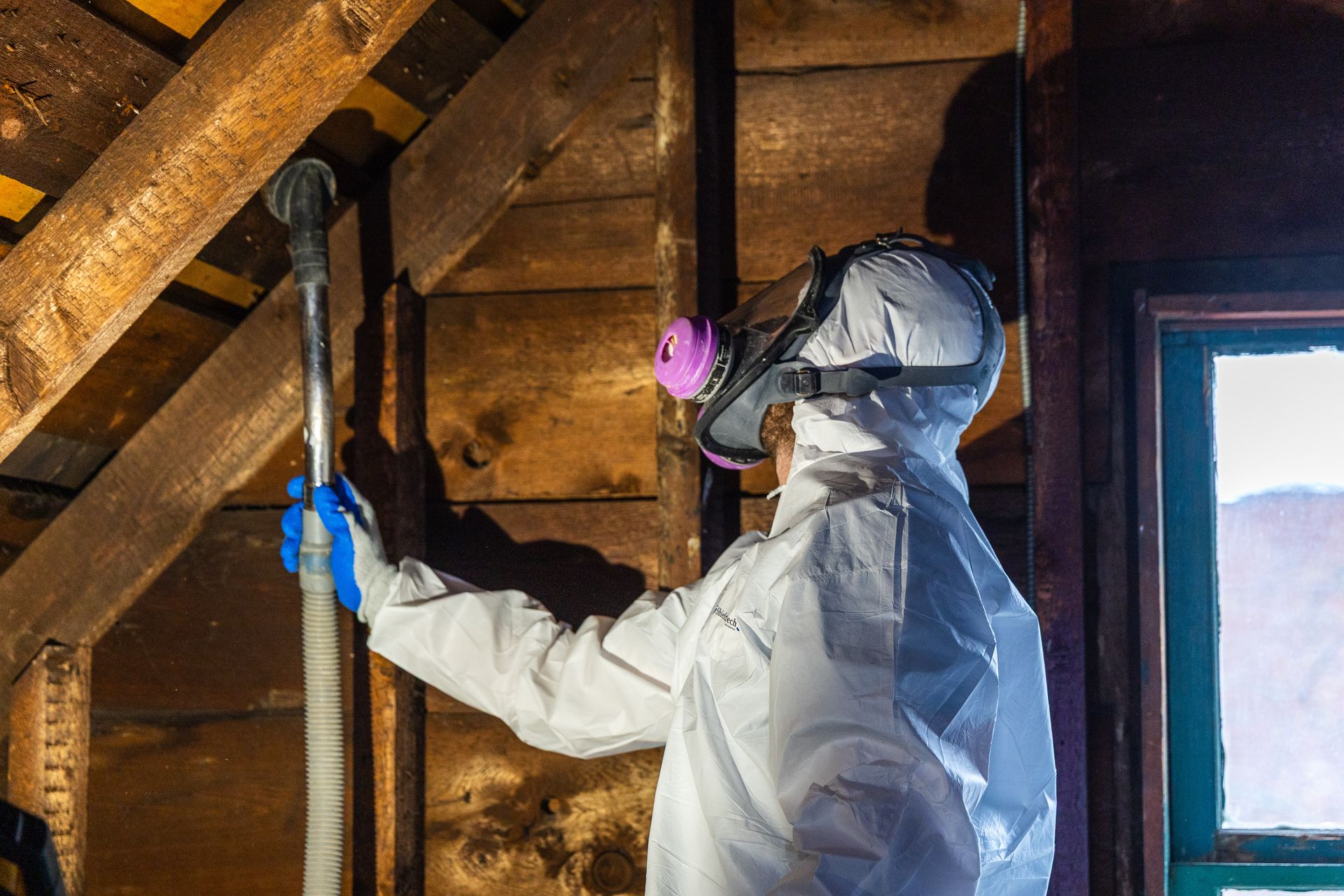
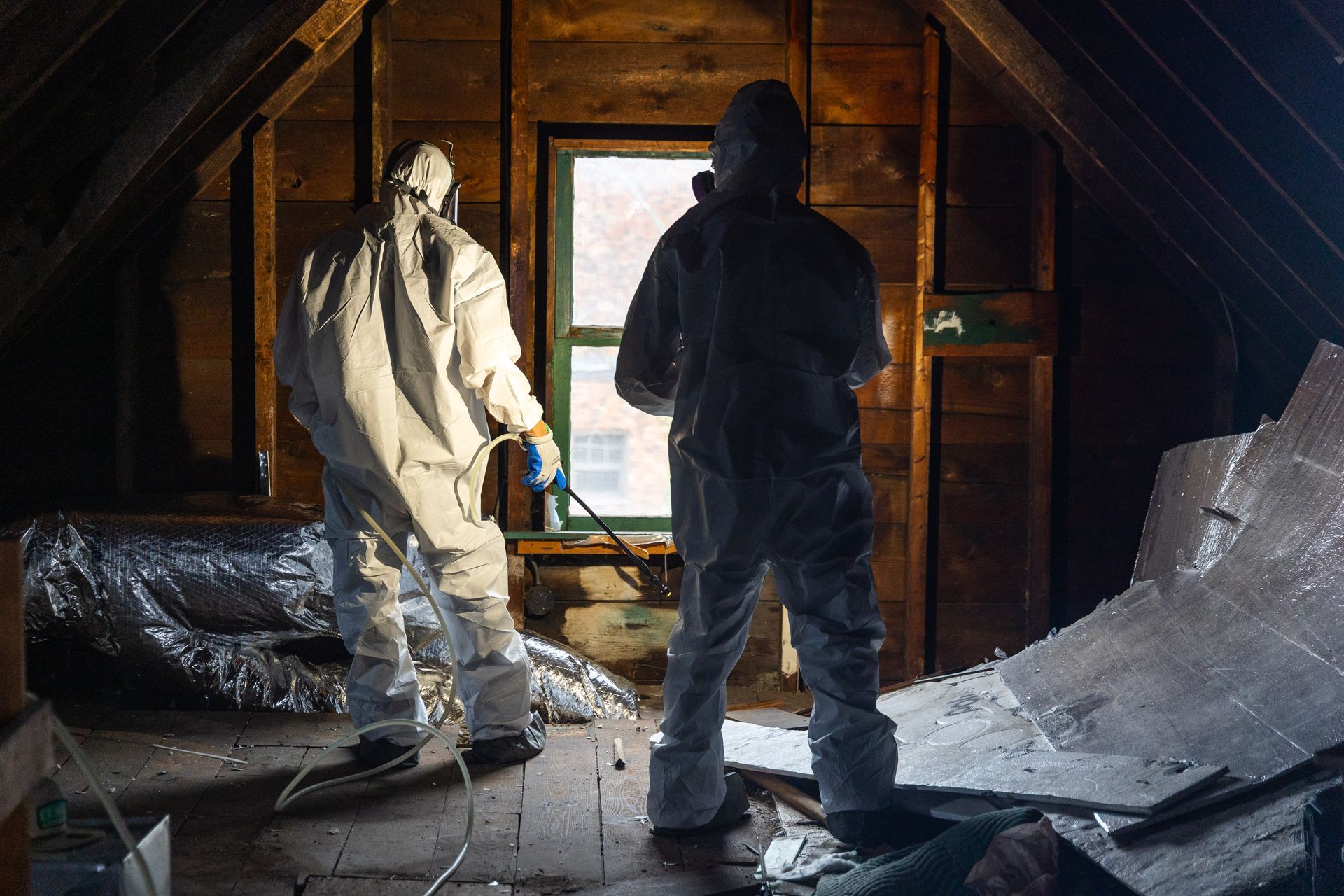
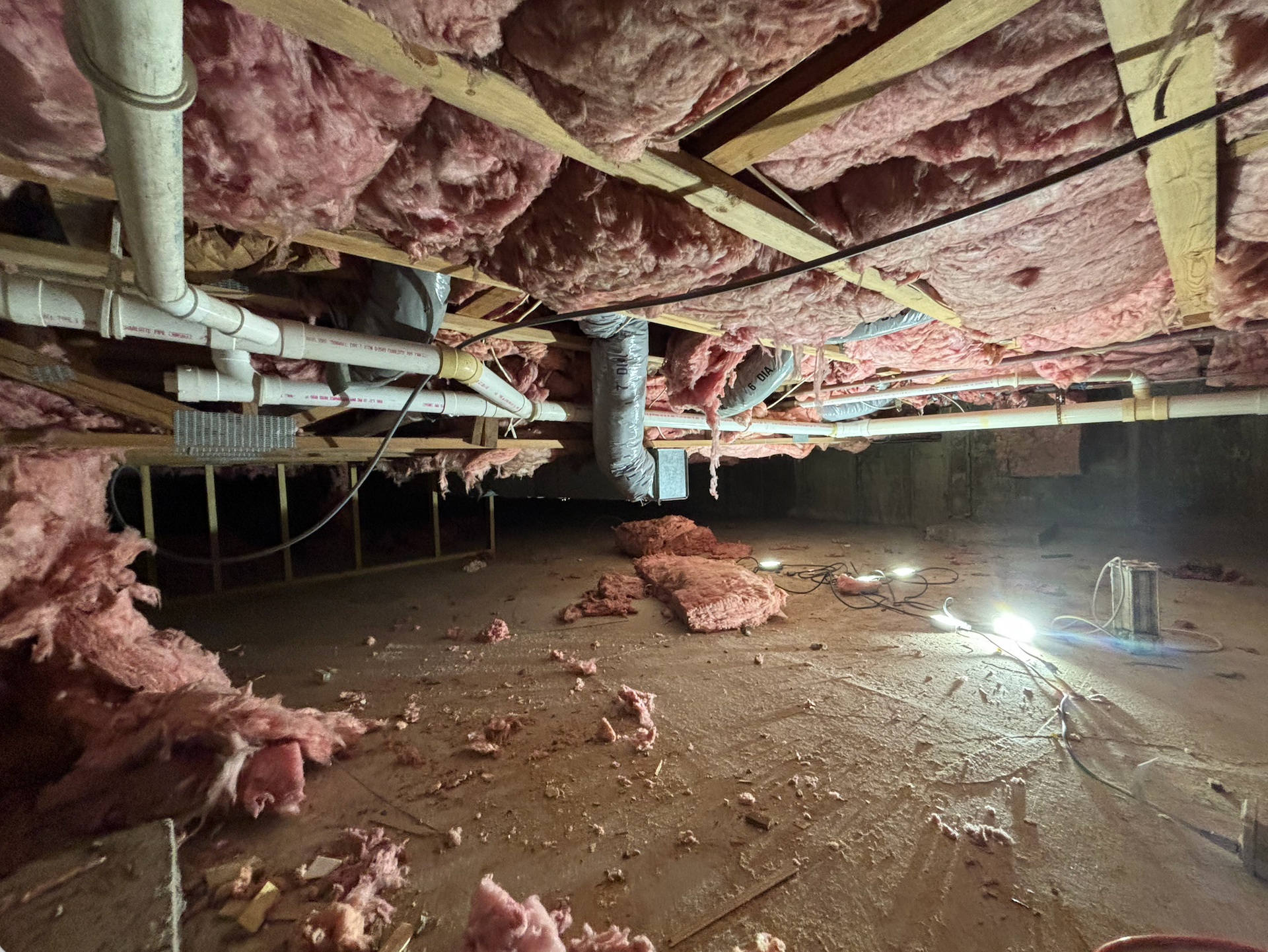
A professional mold inspection goes well beyond a visual walkthrough. Inspectors assess the areas of a home most vulnerable to moisture accumulation and mold growth: attics, basements, crawl spaces, bathroom and kitchen areas, around HVAC systems, and behind walls in spaces with known or suspected water intrusion history.
Even in the absence of visible mold, inspectors look for the conditions that support growth — elevated surface moisture readings, condensation patterns, inadequate ventilation, and signs of past or current water intrusion. These findings are just as actionable as finding mold itself, because they identify where mold is likely to develop if conditions aren't corrected.
Air quality testing is a critical complement to a visual inspection. Mold spore sampling — collected from the air inside the home and compared to outdoor baseline levels — can detect elevated spore counts even when no mold is visible on any surface. This matters because mold can be actively releasing spores from inside walls, under flooring, or above insulation without any outward sign. Air quality testing provides objective data that a visual inspection alone cannot.
Situations Where a Preventive Inspection Makes Particular Sense
While preventive inspections are valuable for any Connecticut homeowner, certain situations make them especially worthwhile.
If you're buying or selling a home, a mold inspection provides documentation of the property's condition. For buyers, it protects against inheriting an undisclosed mold problem. For sellers, a clean inspection report is a meaningful selling point and can reduce the risk of last-minute negotiations or deal failures tied to mold discovered during a buyer's inspection.
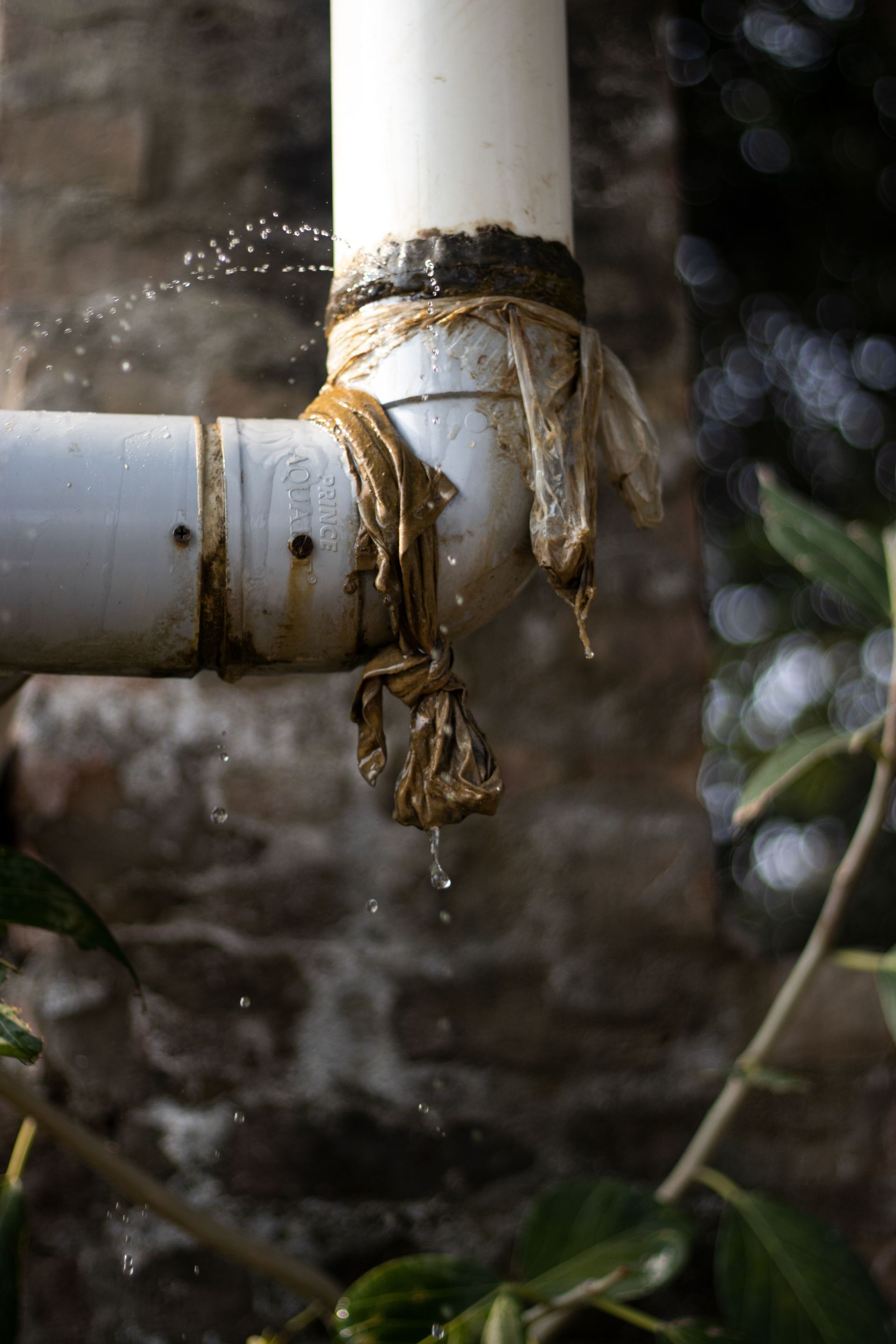
Homeowners who have experienced any water intrusion — a roof leak, basement flooding, ice dam, or plumbing leak — should consider a follow-up inspection even after the visible water issue has been resolved. Moisture that reached structural materials can support mold growth for weeks or months after the source is fixed, particularly in spaces that don't dry out quickly.
If household members experience unexplained allergy or respiratory symptoms that improve when away from home, a preventive air quality test can help determine whether indoor mold spores are a contributing factor — even before any mold becomes visible.
Annual or periodic inspections are also reasonable for homes with known risk factors: finished basements, older construction, flat or low-slope roofing, properties near bodies of water, or homes with a history of moisture issues.
The Cost of Waiting vs. the Value of Acting Early
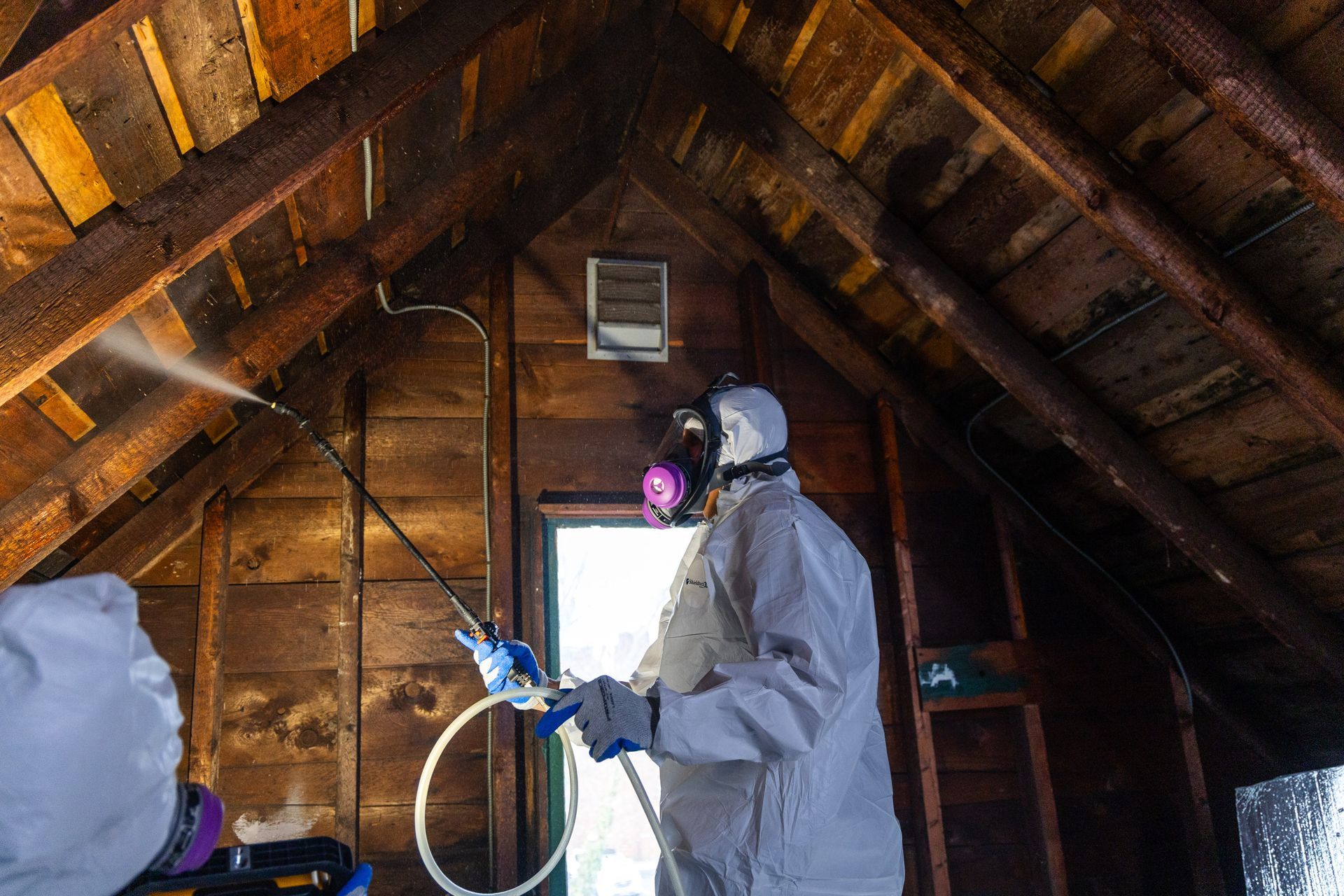
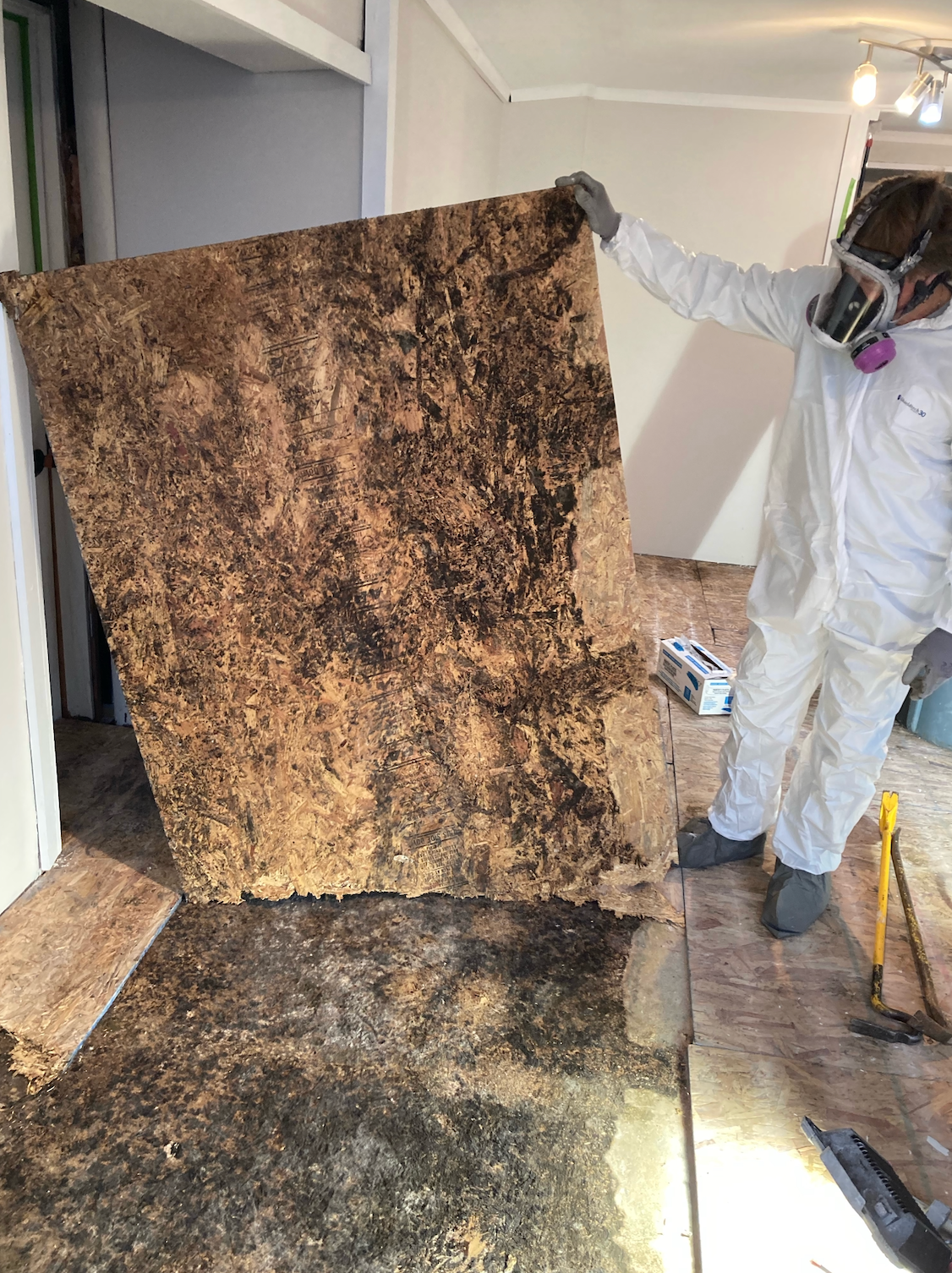
The case for preventive inspection is largely economic. Mold that is caught early — before it spreads to structural materials, insulation, or finished surfaces — is significantly less expensive to remediate than mold discovered after it has established widely. A small amount of mold growth on a concrete foundation wall is a fundamentally different scope of work than mold that has spread across an entire attic deck or penetrated drywall throughout a finished basement.
Beyond remediation costs, undetected mold can affect property value, complicate real estate transactions, and create ongoing air quality concerns for occupants. A preventive inspection is a relatively modest investment that protects against these larger, less predictable outcomes.
CT Mold Man provides professional mold inspection and air quality testing services throughout Connecticut. Whether you have a specific concern or simply want peace of mind about your home's condition, a preventive inspection is a practical and informed choice for Connecticut homeowners.
When to Schedule a Preventive Mold Inspection
You don't need to wait for a problem to justify a mold inspection. Consider scheduling one if you haven't had an inspection in several years, if your home has experienced any water intrusion event, if you're preparing to buy or sell, or if family members have unexplained respiratory symptoms. Spring — following Connecticut's snowmelt season — and fall — before heating systems begin recirculating indoor air — are natural times to assess your home's mold risk.
CT Mold Man serves homeowners and property managers throughout Connecticut. Contact us to schedule a professional mold inspection or air quality test and know your home's condition with confidence.
Frequently Asked Questions About Preventive Mold Inspections
Is a preventive mold inspection worth it if I don't see any mold?
Yes — a preventive mold inspection is worth it even without visible mold. Mold commonly grows in hidden areas like attics, behind walls, and under flooring for months before becoming visible on surfaces. Air quality testing can detect elevated mold spore levels even when no growth is apparent. Catching mold early, or identifying the moisture conditions that allow it to develop, is far less costly than addressing an established problem. For Connecticut homeowners with older homes or known moisture risk factors, preventive inspection is a practical investment.
What does a preventive mold inspection look for?
A preventive mold inspection looks for both visible mold growth and the conditions that support it. Inspectors assess high-risk areas — attics, basements, crawl spaces, bathrooms, and around HVAC systems — for moisture intrusion, condensation patterns, inadequate ventilation, and any surface discoloration or growth. Air quality testing may be used to measure mold spore levels in the indoor air. Together, these findings give homeowners a complete picture of their home's mold risk, even before a visible problem develops.
How often should Connecticut homeowners get a mold inspection?
For most Connecticut homeowners, a mold inspection every one to two years is reasonable — more frequently if the home has risk factors like a finished basement, older construction, flat roofing, or a history of moisture issues. An inspection is also warranted after any water intrusion event, such as a roof leak, basement flood, or ice dam, even after the water source has been resolved. Annual inspections are a practical choice for homes where moisture management is an ongoing concern.
How long does a preventive mold inspection take?
A professional mold inspection typically takes one to two hours for most residential properties, depending on the size of the home and the number of areas being assessed. Homes with finished basements, attics, crawl spaces, or known problem areas may take longer. If air quality testing is included, samples are collected during the inspection and sent to a laboratory for analysis, with results typically available within a few days. Your inspector can give you a more specific time estimate based on your home's layout and scope.
What's the difference between a mold inspection and air quality testing?
A mold inspection is a visual and physical assessment of a home for signs of mold growth and the moisture conditions that support it. Air quality testing involves collecting air samples from inside the home and comparing mold spore levels to outdoor baseline samples — it can detect elevated spore concentrations even when no visible mold is present. The two are complementary: a visual inspection identifies what can be seen, while air quality testing reveals what can't. CT Mold Man provides both services as part of a comprehensive assessment.