Why You Need a Mold Inspection Before Buying or Selling a Home
Whether you're buying or selling a home in Connecticut, a mold inspection is one of the most valuable steps you can take before the transaction closes. Mold doesn't always announce itself — it grows inside walls, beneath flooring, and in spaces that a standard home inspection never reaches. A professional mold inspection gives both parties the accurate, documented information they need to move forward with confidence.
What a Mold Inspection Actually Covers
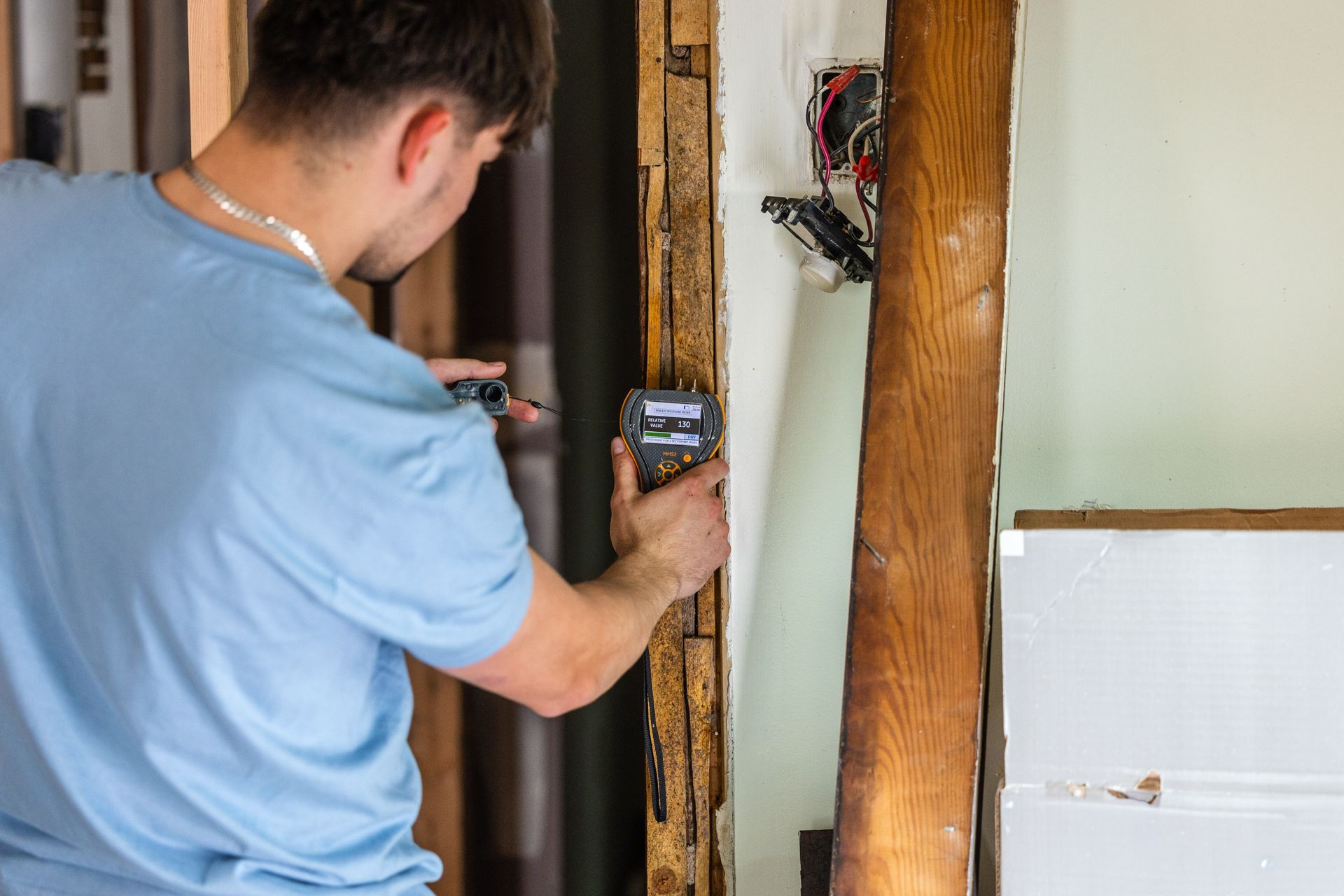
A mold inspection is a specialized evaluation that goes beyond what a general home inspector can offer. A certified mold professional assesses the property for visible mold growth, hidden moisture intrusion points, and environmental conditions that support mold development. Depending on the scope, the inspection may include surface sampling, air quality testing, and moisture mapping.
The result is a documented report that identifies whether mold is present, where it's located, what species may be involved, and what conditions are contributing to its growth. That information is actionable — for negotiation, for remediation planning, and for post-sale peace of mind.
A standard home inspection flags visible concerns but is not designed or equipped to identify mold definitively. Home inspectors are generalists. Mold specialists are trained specifically to find and assess microbial growth, including growth that isn't visible to the naked eye.
Why Buyers Need a Mold Inspection Before Closing
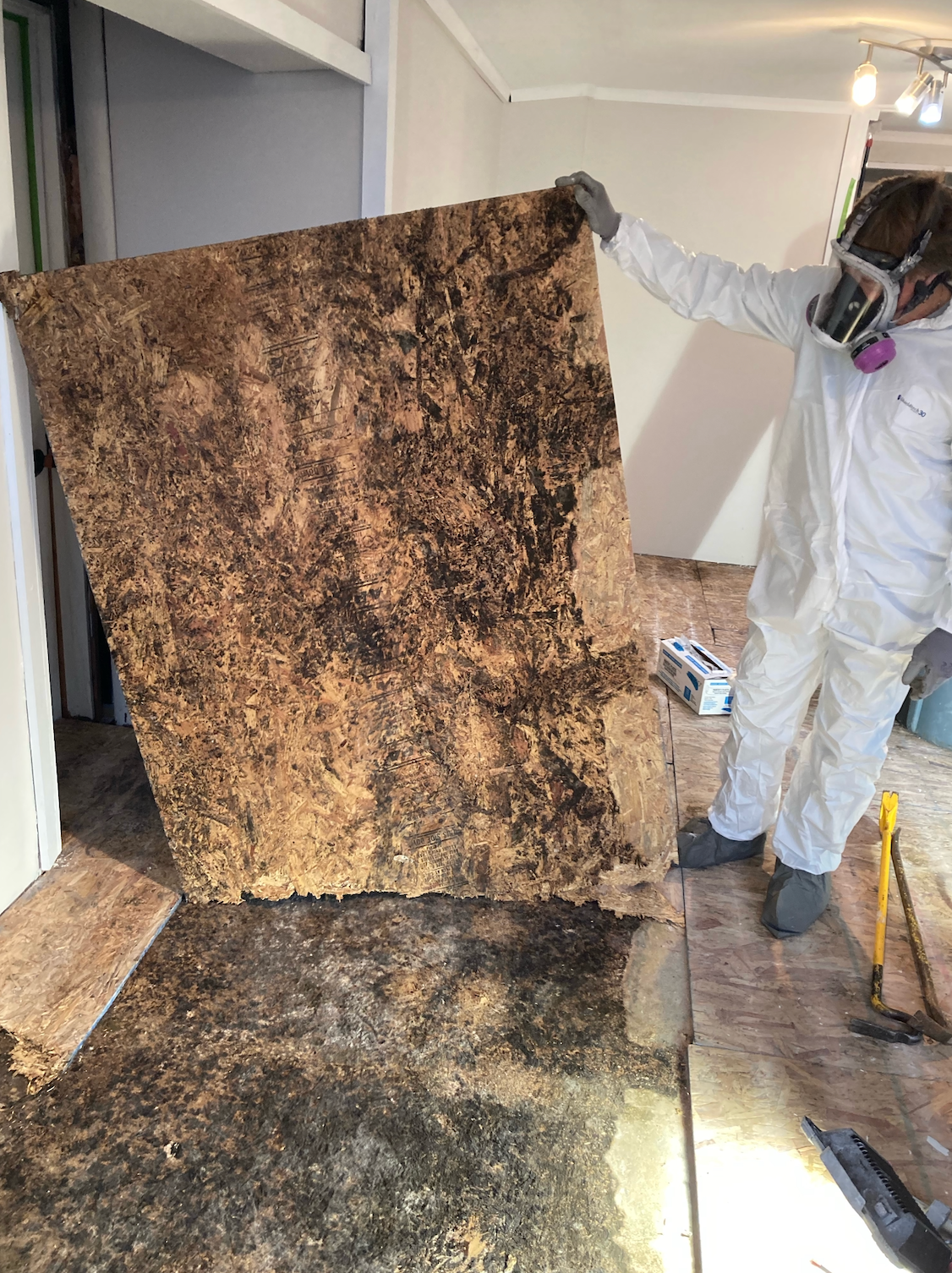
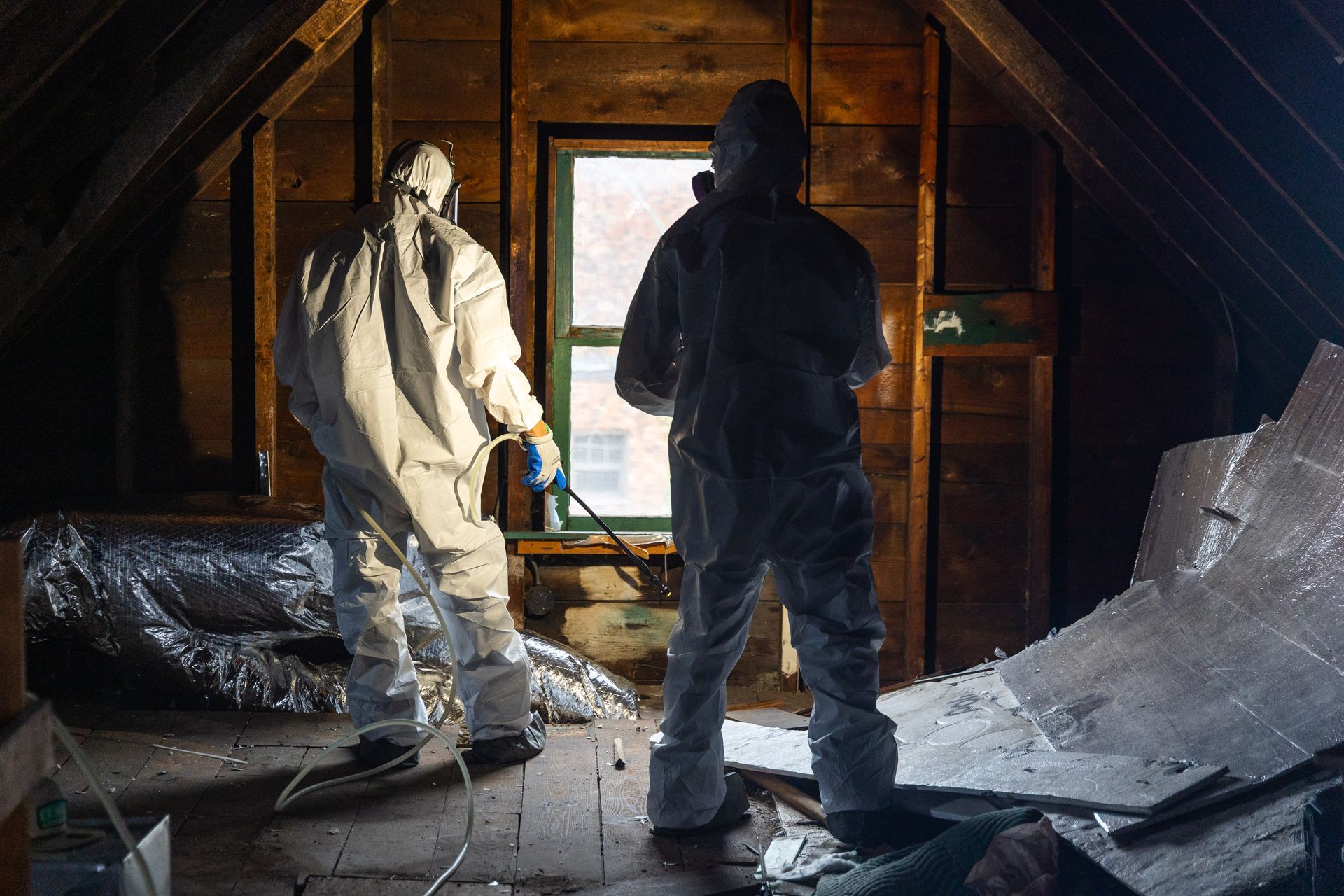
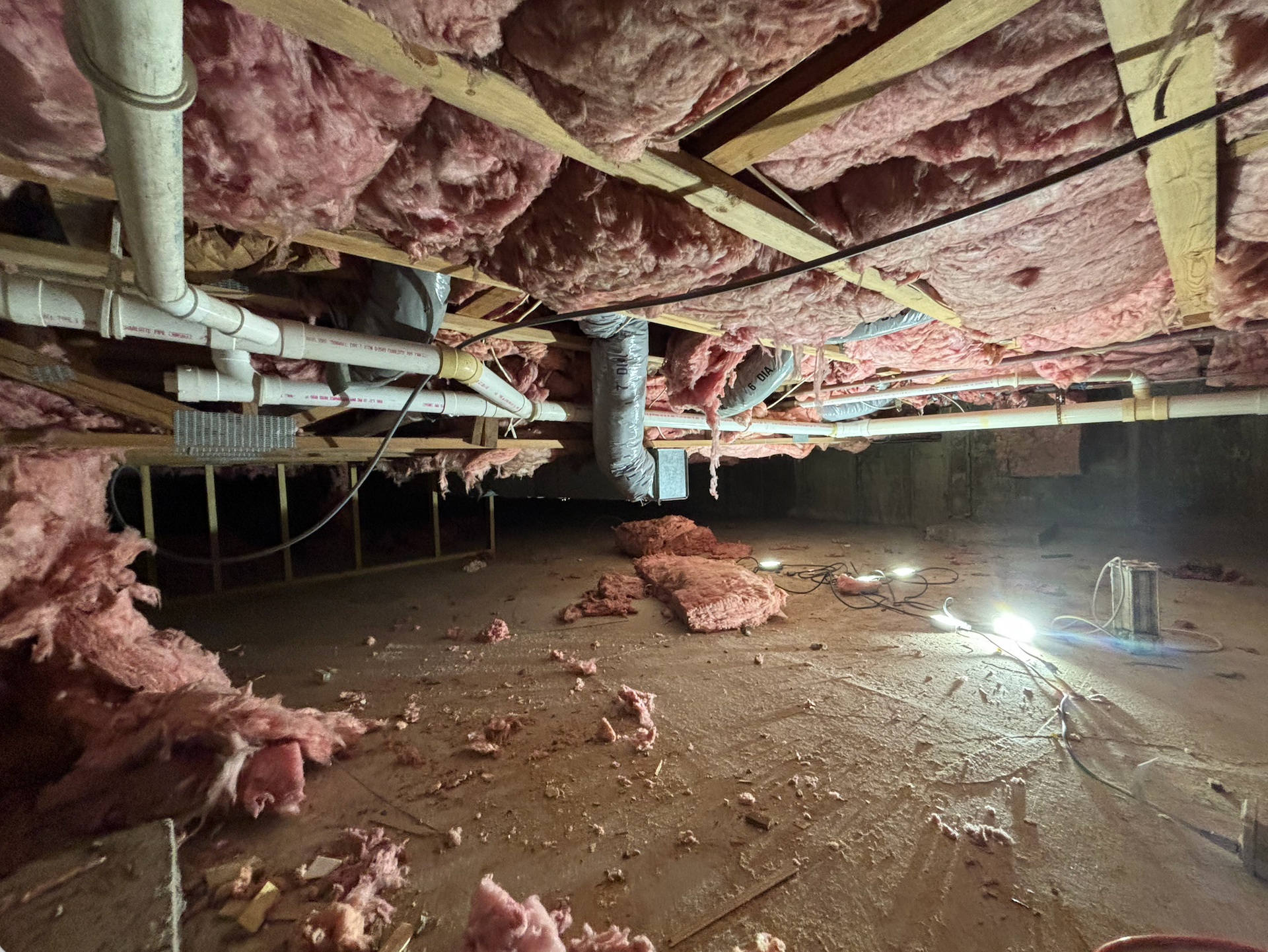
For buyers, a mold inspection is a due diligence step that protects you from inheriting a problem you didn't know existed. Connecticut's older housing stock, combined with its humid climate, means mold is a real and common concern — particularly in basements, attics, crawl spaces, and around older windows and HVAC systems.
Without an independent mold inspection, buyers are relying entirely on the general home inspection and whatever the seller discloses. Neither of those is a substitute for a lab-supported, certified mold assessment. If mold is found after closing, the cost of remediation — and any associated repairs to affected materials — falls entirely on the buyer.
A pre-closing mold inspection gives buyers the leverage to negotiate: requesting remediation as a condition of sale, asking for a price adjustment, or securing a closing credit to cover treatment costs. Without that documentation, there's nothing to negotiate from.
Why Sellers Benefit From a Mold Inspection Too
Sellers who commission a mold inspection before listing their home are in a stronger position than those who don't. Here's why:
It eliminates surprises late in the transaction. A mold finding during a buyer's inspection — especially in the final days before closing — can derail a sale or force rushed, costly decisions. A pre-listing mold inspection lets sellers identify and address any issues on their own timeline, before a buyer is involved.
It supports an accurate listing price. If mold is present and the seller doesn't know about it, the property may be mispriced. Addressing the issue before listing — or pricing the property accordingly — leads to a cleaner, more predictable transaction.
It reduces liability exposure. Connecticut real estate law requires sellers to disclose known defects. A documented mold inspection, and any remediation that follows, creates a clear record of what was found and how it was addressed.
It builds buyer confidence. A clean mold inspection report from a certified professional is a meaningful selling point. It signals that the home has been properly maintained and inspected, which can support faster offers and fewer contingencies.
What to Expect From a Professional Mold Inspection in Connecticut
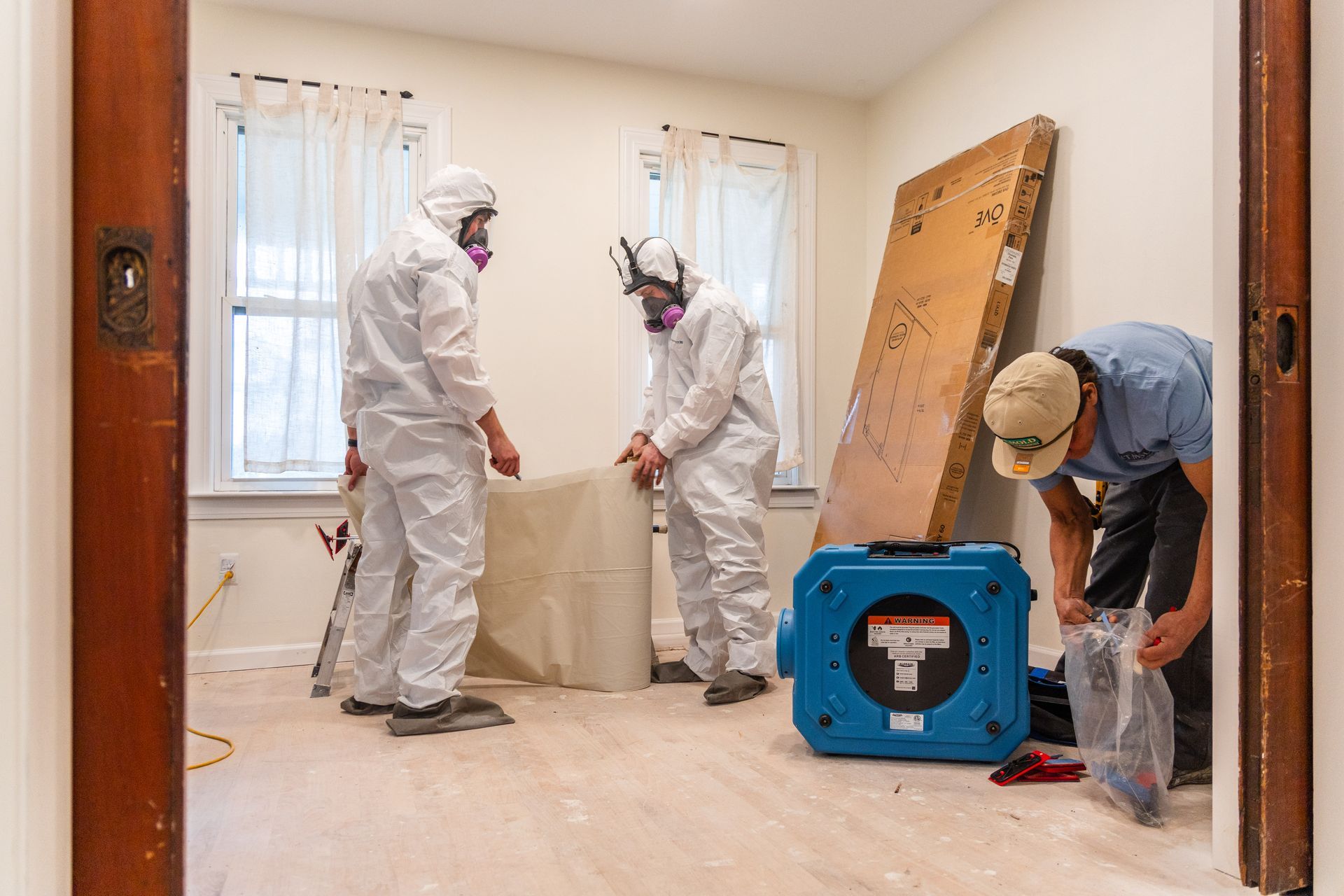
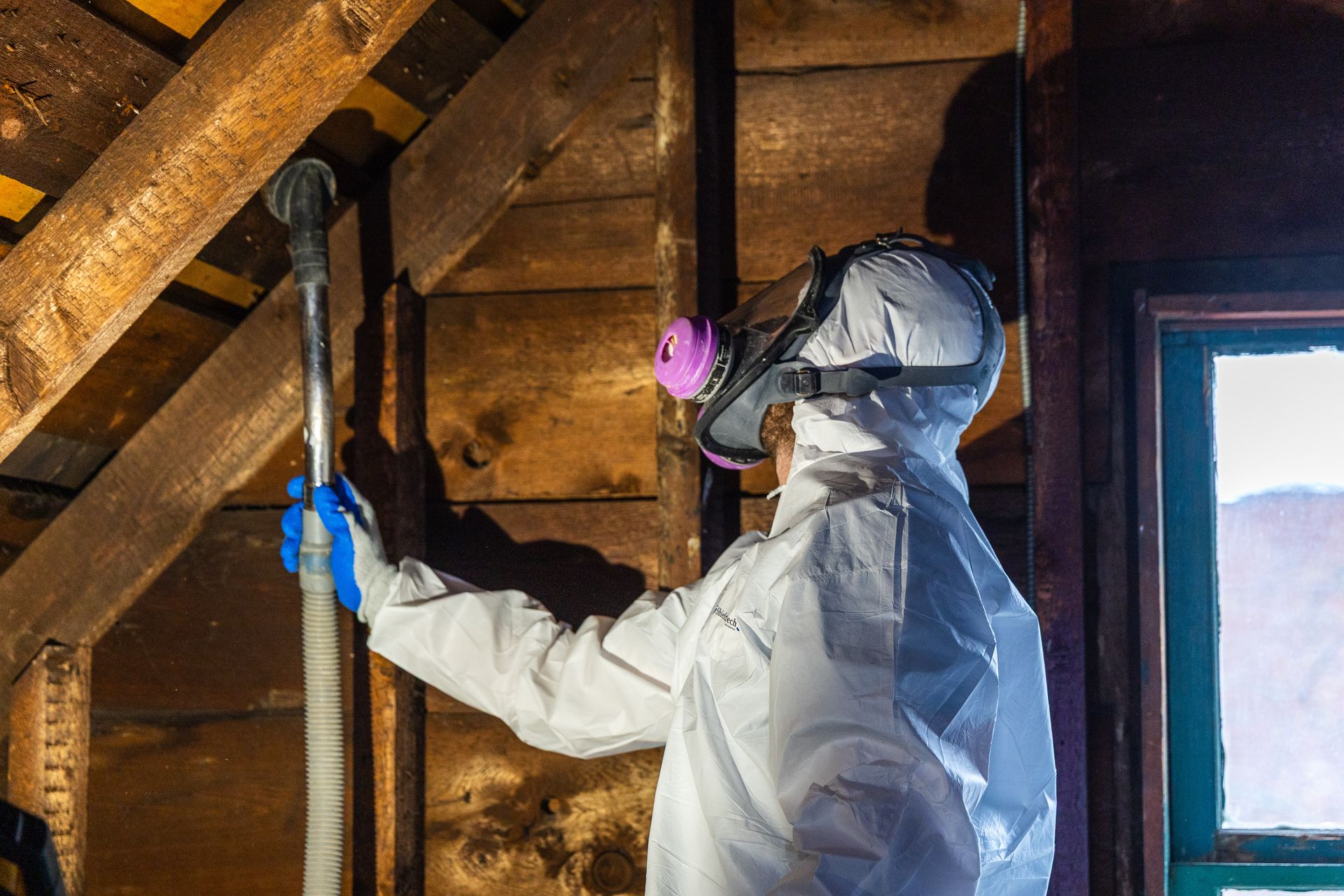
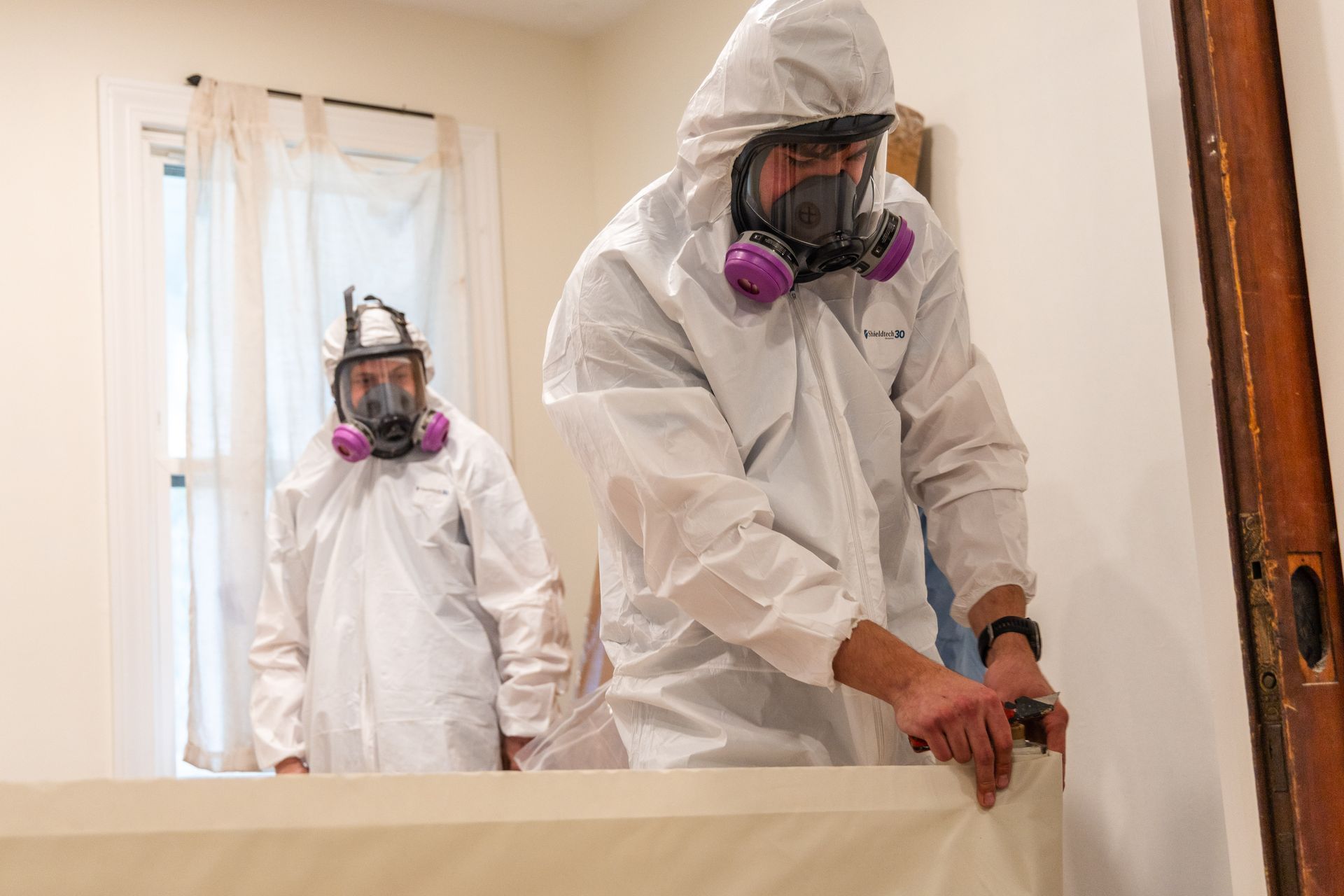
A certified mold inspection typically begins with a visual walkthrough of the property, with the inspector looking for visible mold growth, water staining, moisture damage, and conditions that create mold risk. Areas of concern are examined more closely, and samples may be collected for laboratory analysis.
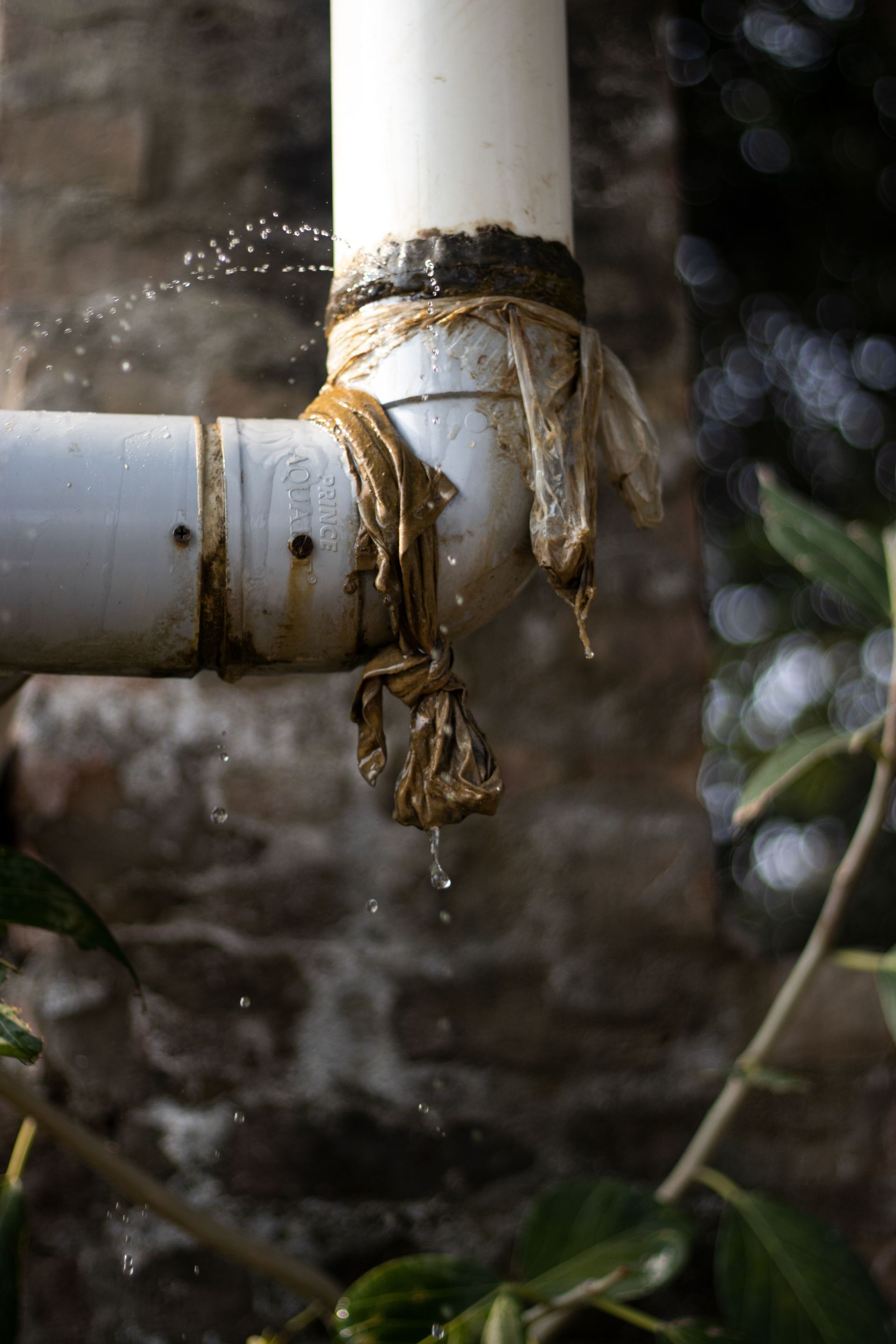
The inspector will assess the home's ventilation, past or current water intrusion, and humidity levels. After the inspection, the homeowner or buyer receives a written report with findings, supporting documentation, and recommended next steps if mold is identified.
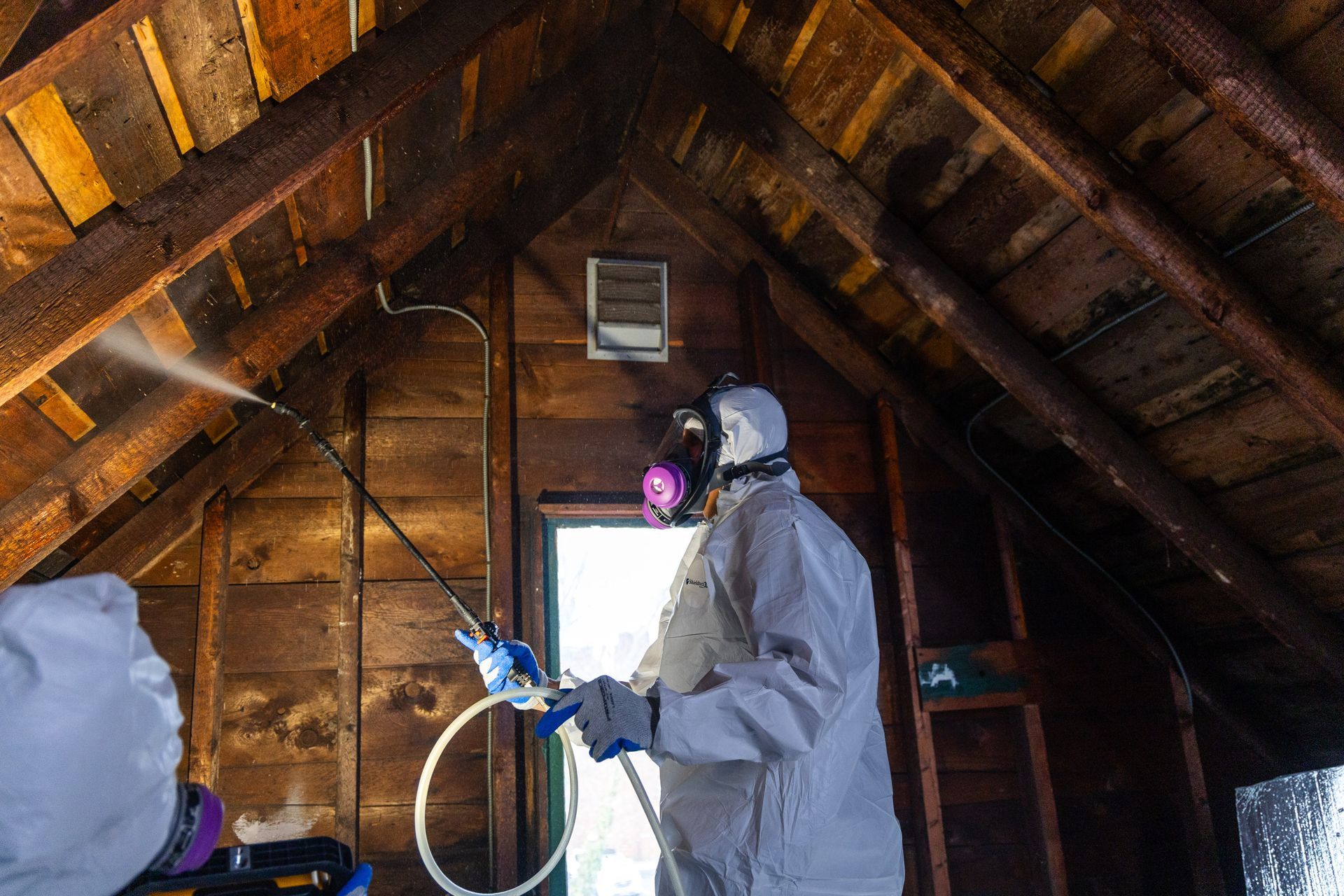
If remediation is needed, a separate remediation plan is typically developed based on the inspection findings. Post-remediation air quality testing confirms that the affected area has been successfully treated before the space is cleared for use.
When to Schedule a Mold Inspection
For buyers, the best time to schedule a mold inspection is immediately after your general home inspection — before you remove contingencies or proceed toward closing. For sellers, the ideal window is before listing, giving you time to address any findings without pressure.
CT Mold Man provides certified mold inspections, remediation, and air quality testing for Connecticut buyers, sellers, and homeowners. If you're preparing for a real estate transaction and want accurate information about the property's mold status, contact CT Mold Man to schedule an inspection.
Frequently Asked Questions
Is a mold inspection required when buying a home in Connecticut?
A mold inspection is not legally required when buying a home in Connecticut, but it is strongly recommended. A standard home inspection does not test for mold or assess air quality. Without a separate mold inspection, buyers have no way to confirm whether mold is present inside walls, in the attic, or in other concealed spaces. Given Connecticut's climate and older housing stock, a mold inspection is a practical and important due diligence step before any purchase.
Should a seller get a mold inspection before listing a home in CT?
Yes — a pre-listing mold inspection is one of the smartest steps a Connecticut seller can take. It eliminates the risk of a surprise mold finding during a buyer's inspection, which can disrupt or delay closing. It also gives sellers the opportunity to remediate any issues on their own timeline, price the home accurately, and provide buyers with documentation that supports buyer confidence and a smoother transaction.
What does a mold inspection include?
A professional mold inspection typically includes a full visual assessment of the property, moisture readings, identification of conditions that support mold growth, and collection of surface or air samples for laboratory analysis where warranted. The inspector produces a written report with findings and recommended next steps. In Connecticut, CT Mold Man also provides air quality testing and can coordinate remediation if mold is confirmed during the inspection.
How long does a mold inspection take for a Connecticut home?
Most residential mold inspections take one to three hours depending on the size of the property and the number of areas that require closer assessment. If laboratory samples are collected, results typically come back within a few business days. The written inspection report is generally provided after lab results are received, giving the buyer or seller a complete picture of the findings before making any decisions.
What happens if mold is found during a pre-sale inspection in Connecticut?
If mold is identified during a pre-sale inspection, the next step is developing a remediation plan based on the scope and location of the growth. For buyers, confirmed mold findings can be used to negotiate with the seller — requesting remediation before closing, a price reduction, or a closing credit. For sellers, addressing mold before listing or providing documentation of completed remediation reduces liability and supports a more transparent transaction. CT Mold Man provides both the inspection and the remediation services needed to resolve the issue.