Buying a Home in CT? Here's What to Do If Mold Shows Up on the Inspection Report
Finding mold noted on a home inspection report can stop a Connecticut home purchase in its tracks — but it doesn't have to. Understanding what those findings mean, and taking the right next steps, can help buyers make informed decisions and protect their investment.
What Does It Mean When a Home Inspection Flags Mold?
A standard home inspection isn't a mold inspection. When a home inspector notes "suspected mold," "microbial growth," or "possible fungal activity," they're flagging a visual concern — not providing a lab-verified diagnosis. What they see may be surface discoloration, efflorescence, or actual mold growth. The distinction matters, and only a certified mold inspection can confirm what's actually there.
In Connecticut, where older housing stock and humid seasonal conditions are common, mold findings during home inspections are not unusual. That doesn't make them less important — it makes professional follow-up essential.
Common Areas Where Mold Is Flagged During Home Inspections
Mold is most often noted in areas with past or present moisture problems. Connecticut home inspectors frequently flag concerns in the following locations:
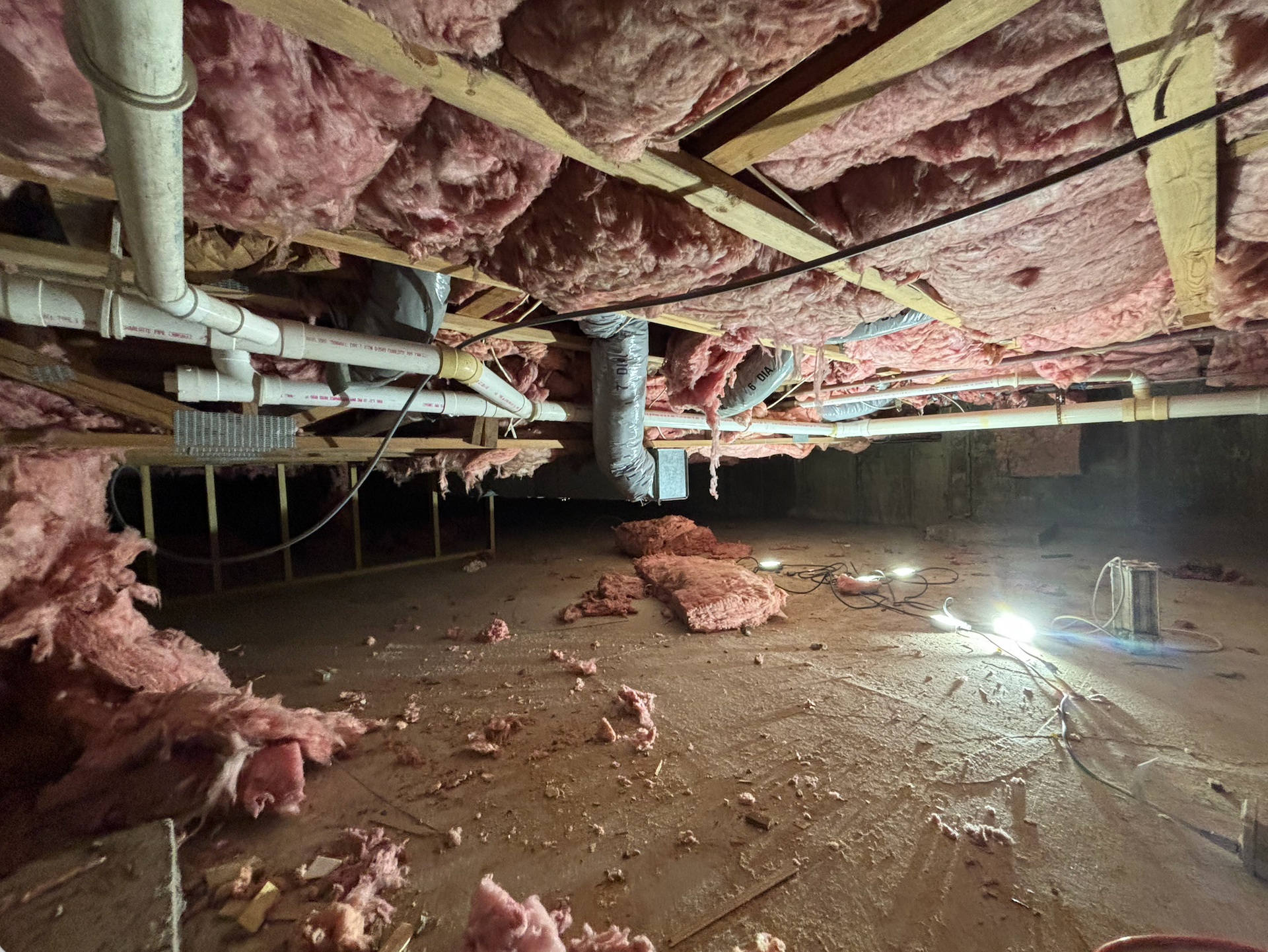
- Basements and crawl spaces with poor drainage or vapor barriers
- Attic spaces with inadequate ventilation or roof leaks
- Bathrooms and laundry rooms with improper exhaust ventilation
- Areas around windows, skylights, or HVAC systems
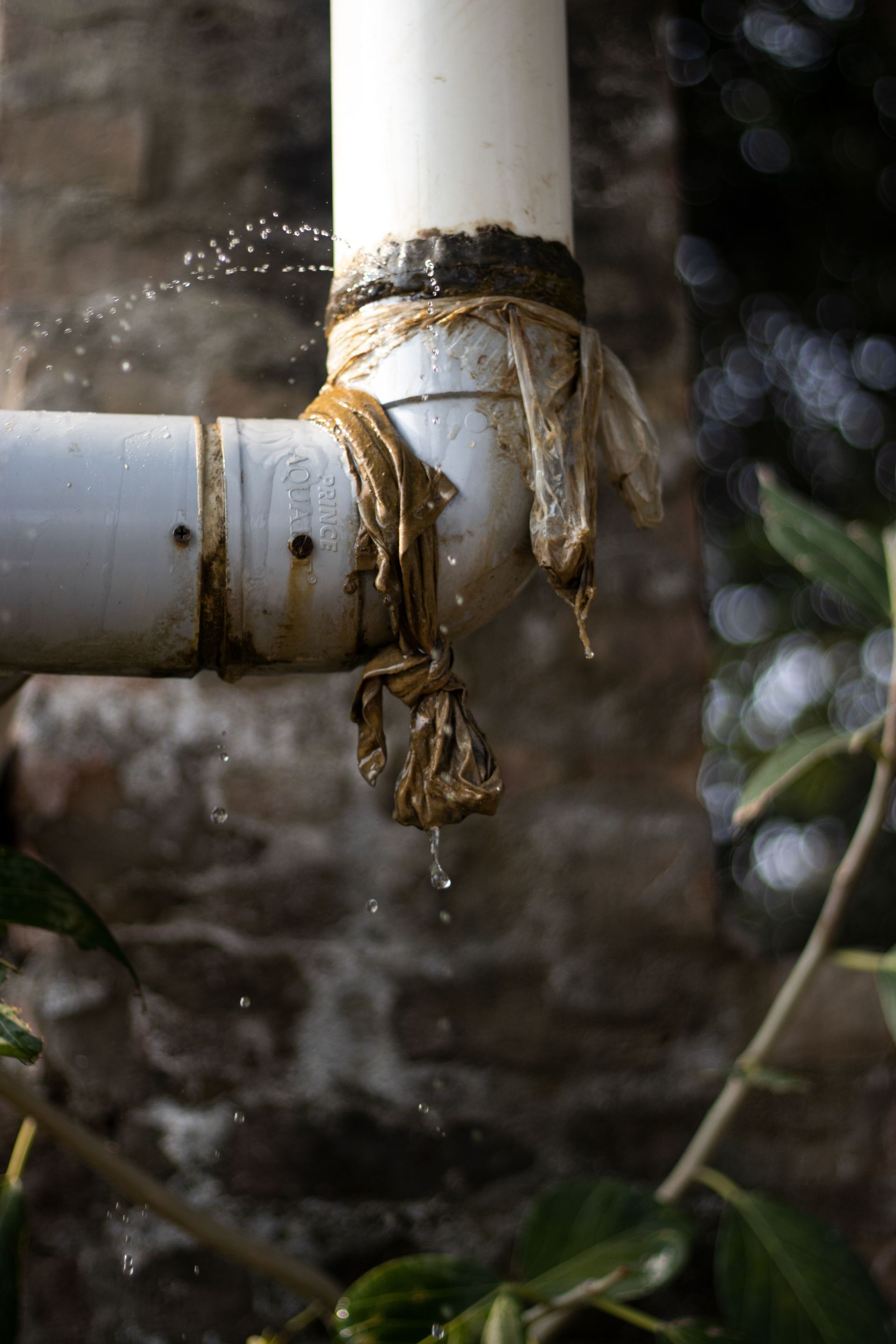
- Wall cavities near plumbing or past water intrusion points
The location of suspected mold often tells you something about the underlying cause — which a professional mold inspection will investigate alongside the visible growth itself.
What to Do After a Mold Flag on an Inspection Report
If your home inspection report notes suspected mold, here's a practical approach for Connecticut buyers:
1. Don't panic — and don't walk away without more information. A visual flag from a home inspector is not the same as a confirmed mold problem. Some findings are minor; others may require remediation. You won't know without a proper assessment.
2. Request a professional mold inspection before closing. A certified mold inspector can identify whether mold is present, what type it is, how extensive the growth is, and what caused it. This gives you real data to work with during negotiations.
3. Use the findings in your purchase negotiations. If mold is confirmed, buyers can typically negotiate with the seller for remediation prior to closing, a price reduction to cover remediation costs, or a closing credit to address the issue after purchase.
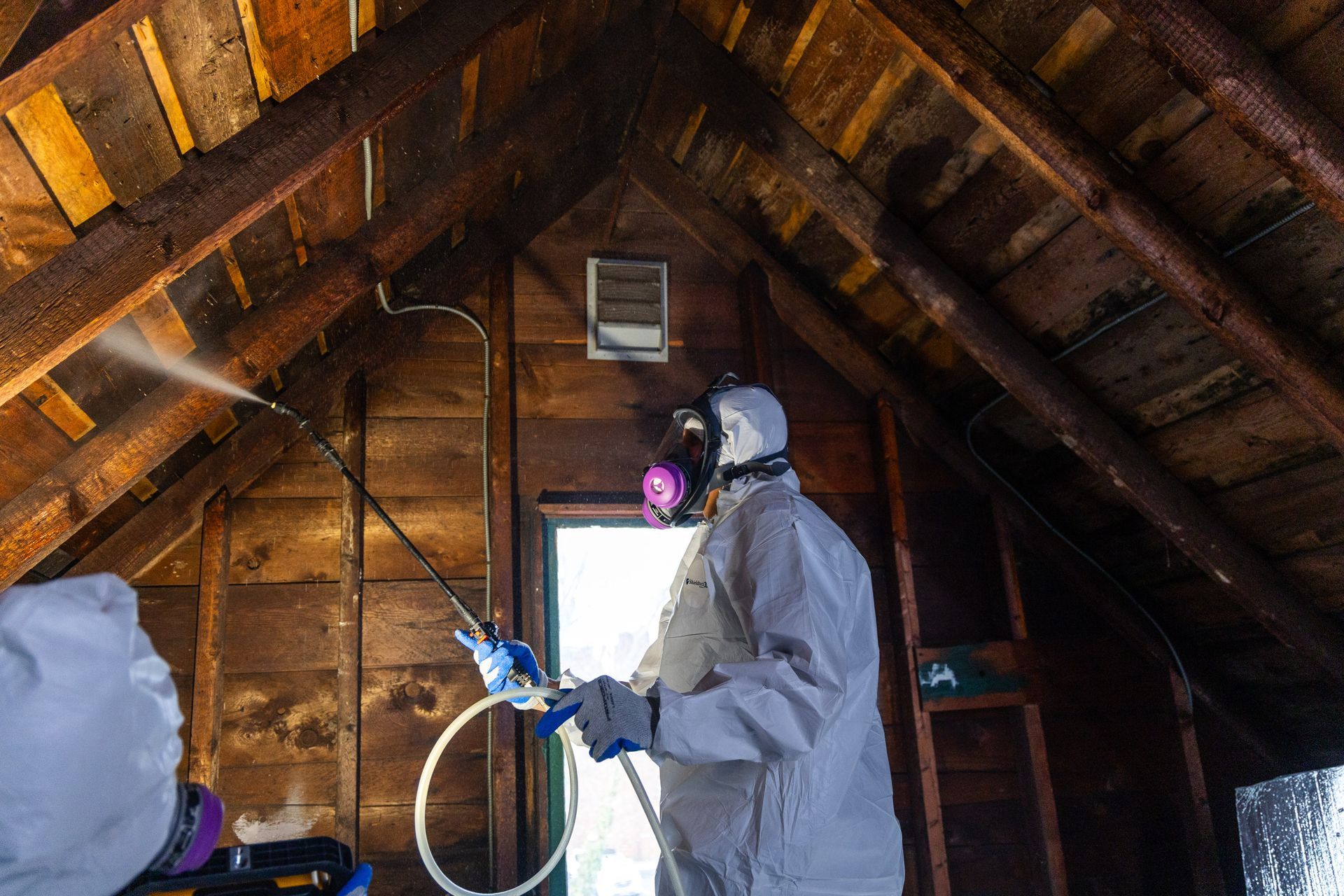
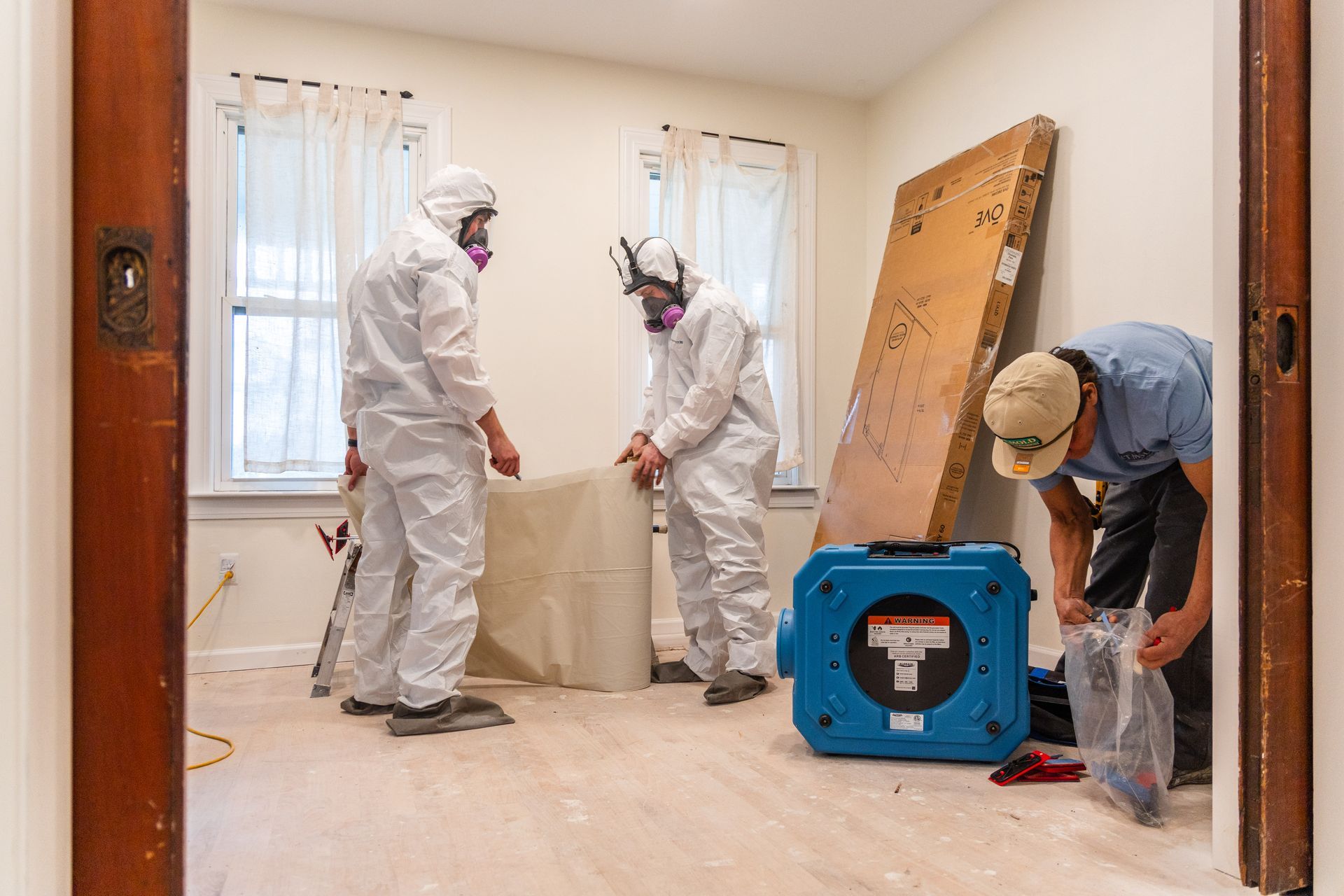
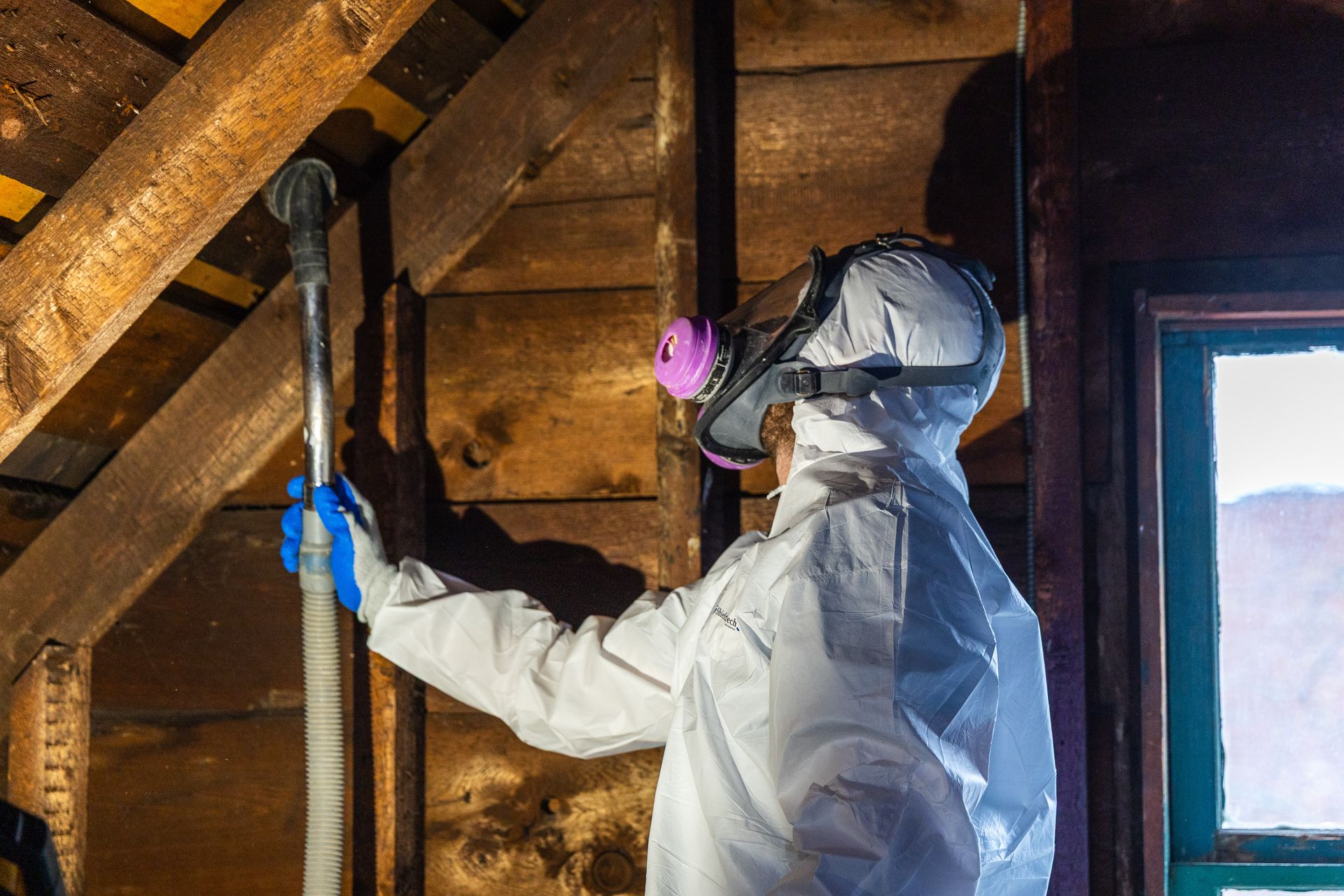
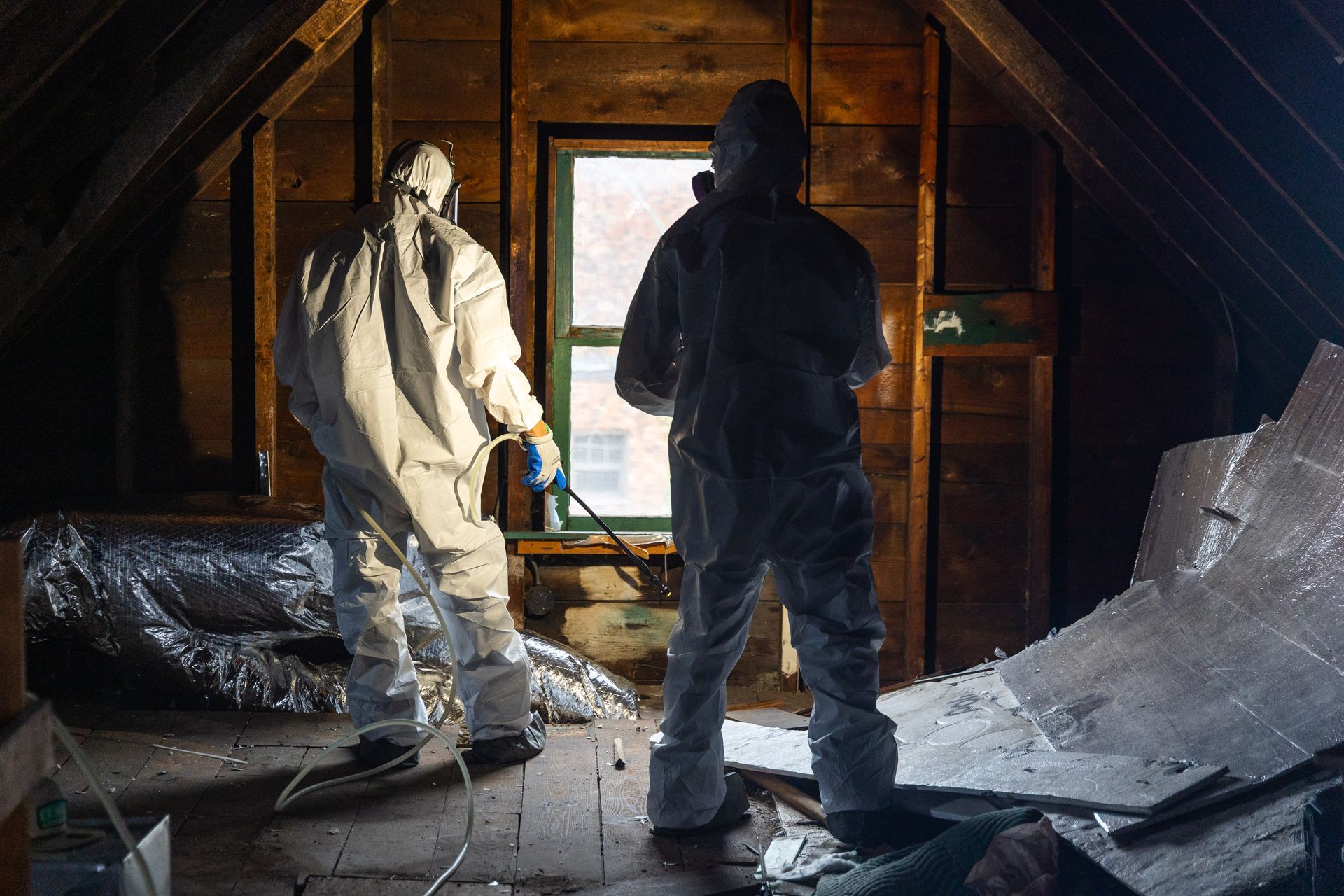
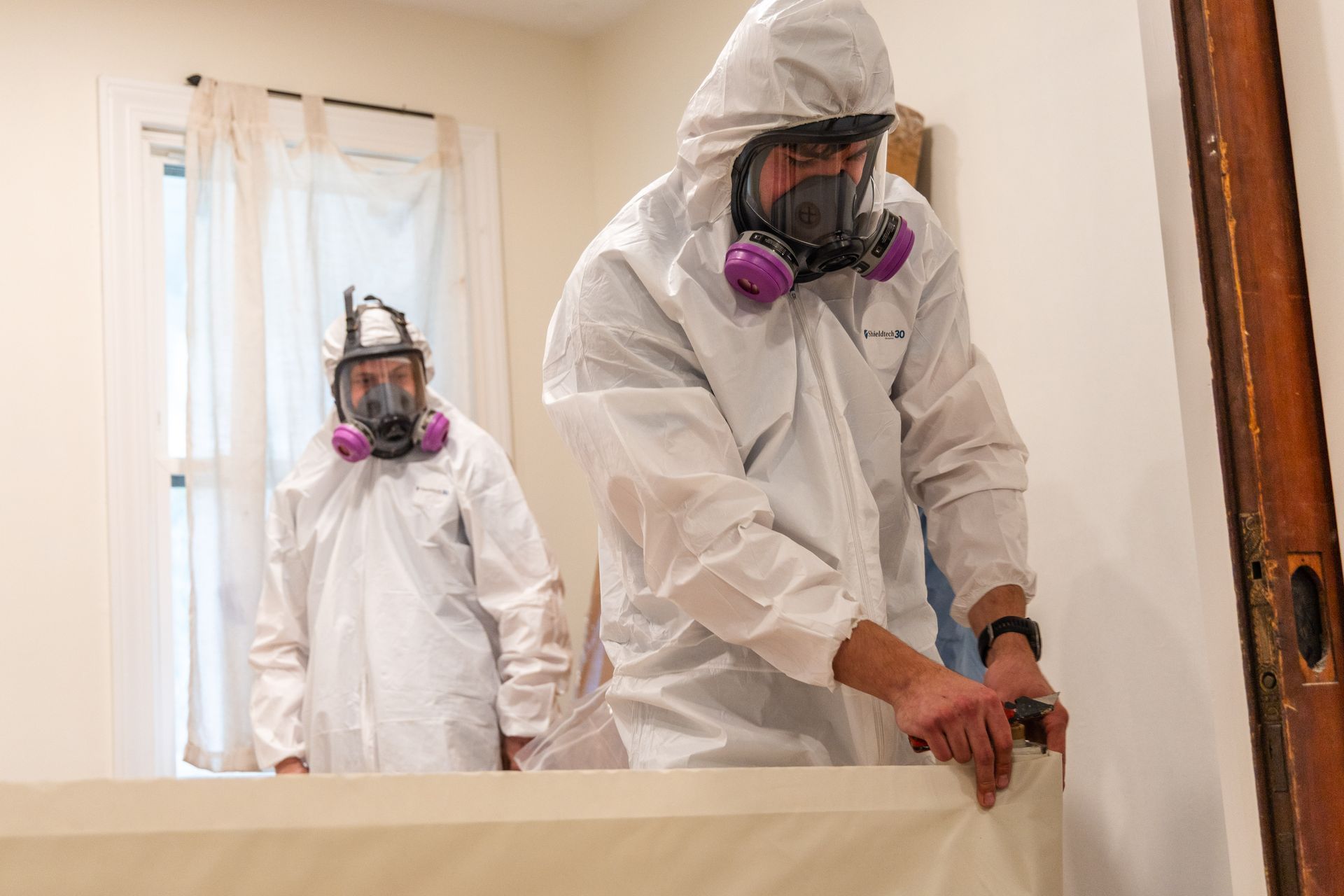
4. Understand what remediation involves. Mold remediation is a structured process: containment, removal of affected materials, treatment, and post-clearance air testing to confirm the space is clean. Knowing the scope helps you evaluate costs and timelines.
5. Get post-remediation air quality testing. If remediation is completed before closing, request an independent air quality test to confirm clearance — not just a report from the company that did the work.
Why Connecticut Buyers Should Take Mold Findings Seriously
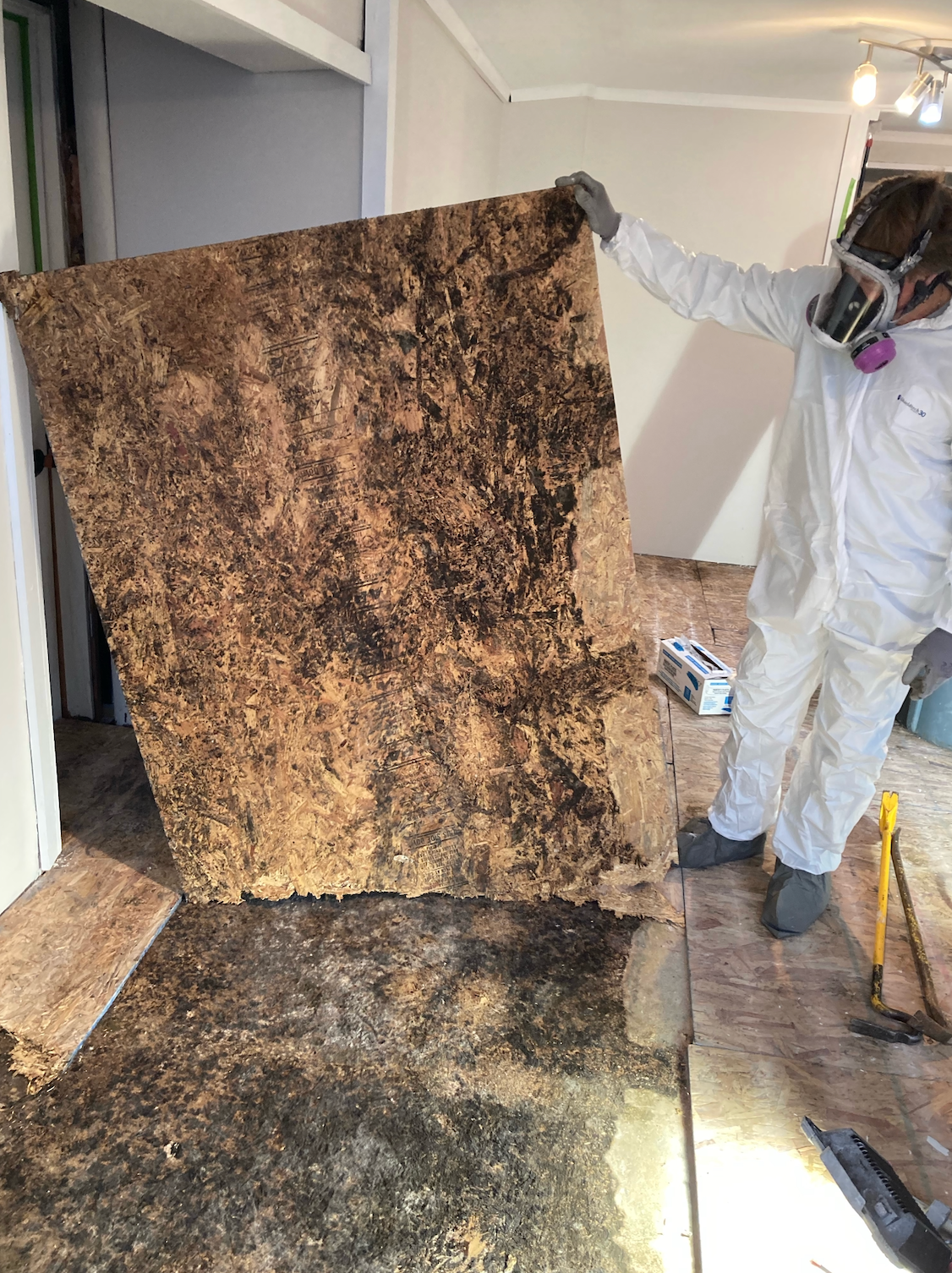
Connecticut's climate — humid summers, wet springs, and homes that frequently have older construction — creates conditions where mold can establish and spread more easily than in drier regions. Mold left unaddressed doesn't stay contained. It spreads when moisture conditions are favorable, can affect indoor air quality, and may cause structural deterioration over time.
Buyers who skip professional evaluation after a mold flag on an inspection report take on unknown risk. Those who get a proper mold inspection come to closing with accurate information and appropriate protections in place.
When to Call a Professional Mold Inspector
If your home inspection report flags any suspected mold — even as a minor notation — it's worth scheduling a professional mold inspection before your closing date. CT Mold Man provides certified mold inspections, remediation, and air quality testing for Connecticut homeowners and buyers. Contact CT Mold Man to schedule an inspection and get the answers you need before you sign.
Frequently Asked Questions
Should I back out of a home purchase if the inspection report mentions mold?
Not necessarily. A mold notation on a home inspection report is a flag for further investigation, not an automatic reason to walk away. A professional mold inspection will tell you whether mold is actually present, how extensive it is, and what remediation — if any — is needed. Many Connecticut home purchases proceed after mold is properly addressed through negotiation or remediation before closing.
What's the difference between a home inspection and a mold inspection in Connecticut?
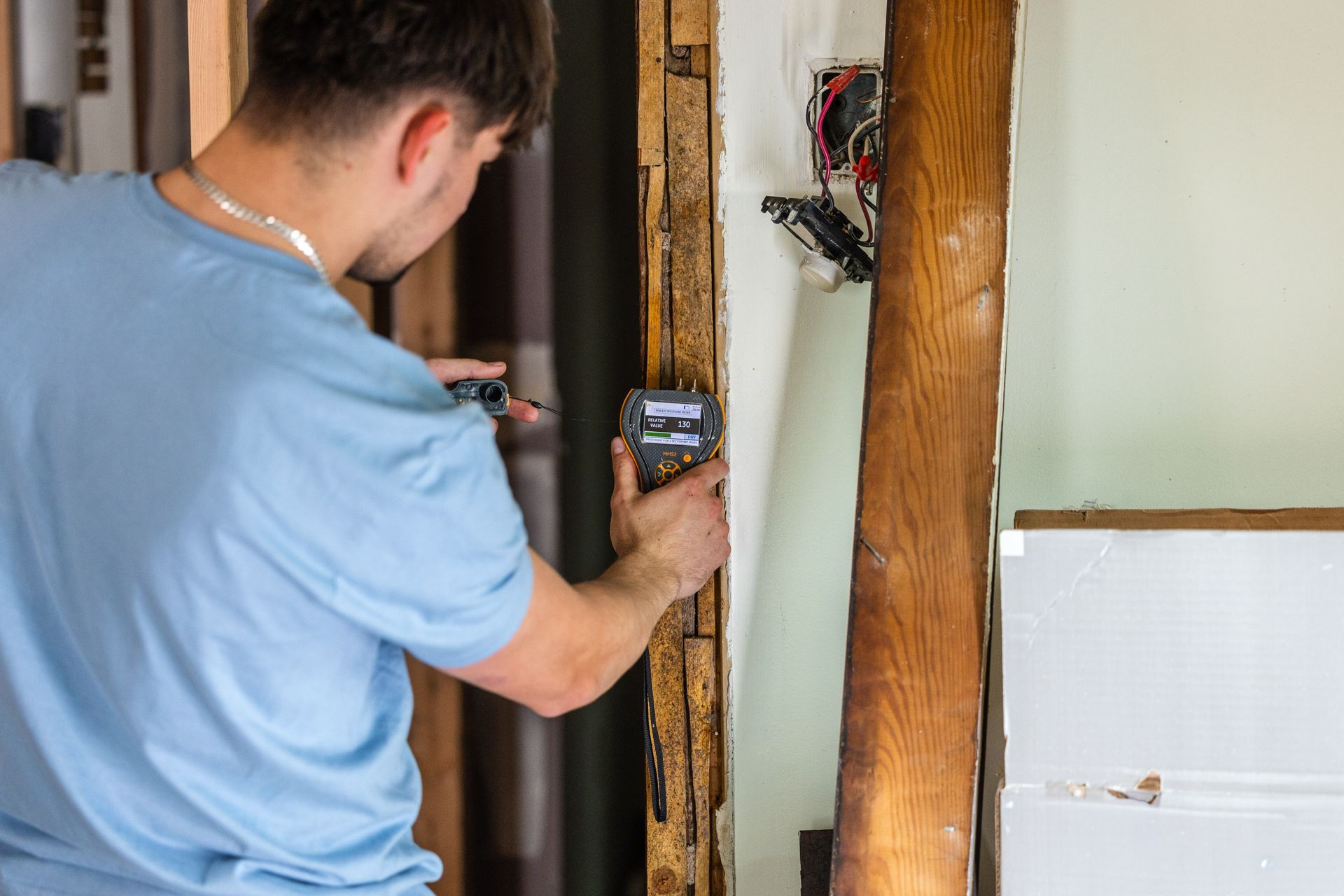
A home inspection is a general assessment of a property's condition, conducted visually by a licensed home inspector. A mold inspection is a specialized evaluation performed by a certified mold professional. It may include surface sampling, air quality testing, and moisture mapping to confirm whether mold is present, identify the species, and determine the extent of growth. Home inspectors are not mold specialists and cannot provide lab-confirmed findings.
How quickly can mold spread if it's left untreated in a Connecticut home?
Mold can begin spreading within 24–48 hours under the right moisture conditions. In Connecticut's humid climate, untreated mold in areas like basements, attics, or wall cavities can expand significantly over weeks or months. This is why buyers should not delay professional evaluation after a mold flag — waiting until after closing increases both remediation scope and cost.
How much does a mold inspection cost for a Connecticut home purchase?
Mold inspection costs in Connecticut vary based on the size of the property and the scope of the assessment. Buyers should treat it as a necessary due diligence cost, similar to a home inspection or radon test. Contact CT Mold Man directly for current pricing and to discuss what the inspection will cover for your specific property and concerns.
Can a seller be required to remediate mold before closing in Connecticut?
Connecticut home buyers can negotiate mold remediation as a condition of sale, particularly when a professional mold inspection confirms the presence of mold. Sellers may agree to complete remediation prior to closing, offer a price reduction, or provide a closing credit to cover costs. Having a certified mold inspection report with documented findings gives buyers the professional documentation needed to support that negotiation. CT Mold Man can provide the inspection report and remediation scope you need.