Basement Mold vs. Basement Moisture: What's the Difference and When to Call a Pro

June 22, 2026

A damp or musty basement is one of the most common concerns Connecticut homeowners face — and one of the most misunderstood. Many people assume that moisture and mold are the same problem, or that one always leads to the other. In reality, they're distinct issues that require different responses. Knowing the difference can help you act appropriately, avoid unnecessary costs, and protect your home before a manageable problem becomes a serious one.

Connecticut's climate — with its humid summers, heavy spring rains, snowmelt, and freeze-thaw cycles — creates persistent moisture challenges for basements throughout the state. Whether you're dealing with condensation on walls, standing water after a storm, or visible discoloration on surfaces, understanding what you're looking at is the first step.

What Is Basement Moisture?

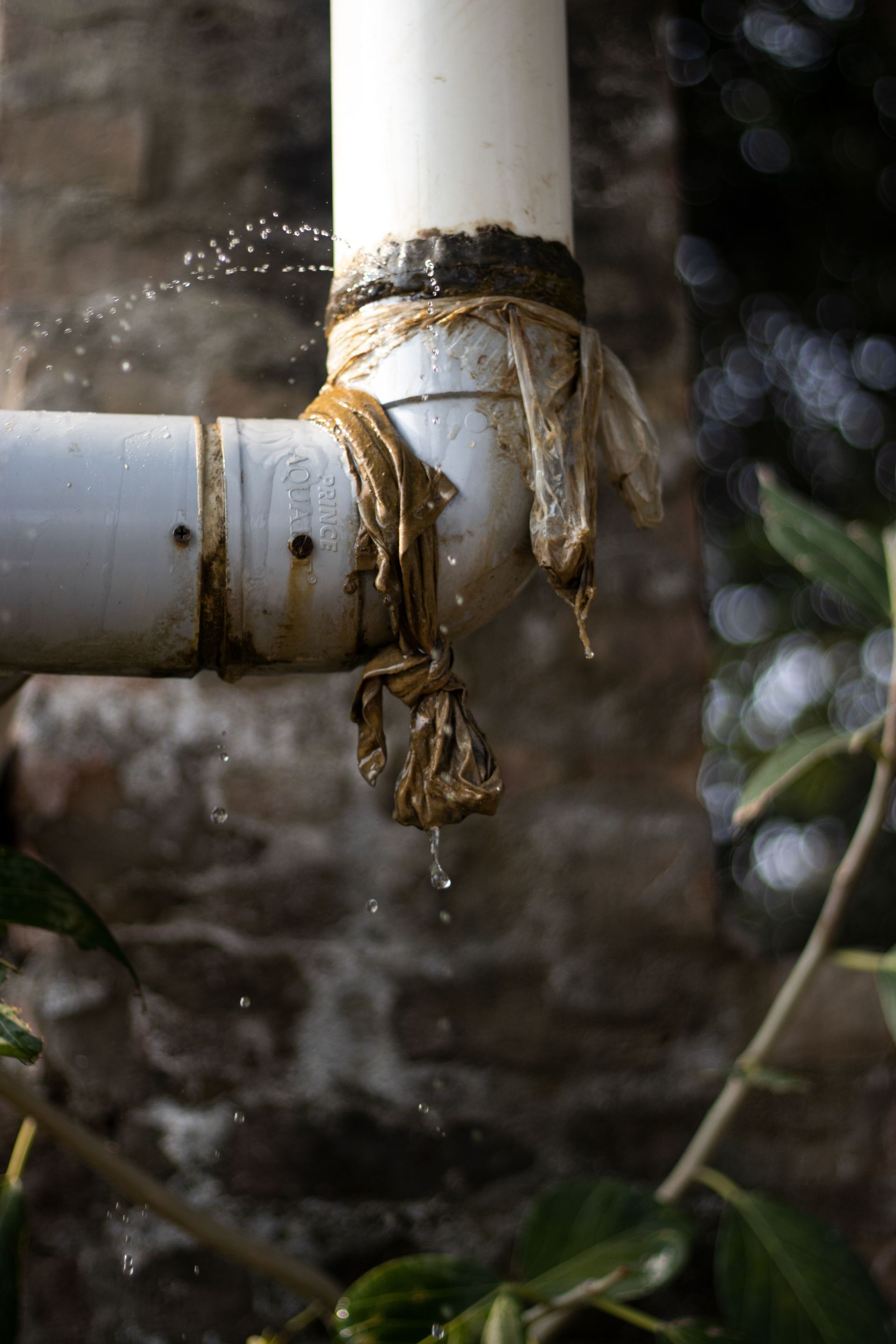
Basement moisture refers to water or humidity entering or accumulating in your basement without necessarily producing mold. It can appear in several forms: condensation on cold surfaces like pipes and walls, water seeping through foundation cracks or window wells, pooling water after heavy rain, or simply elevated humidity that makes the space feel damp and clammy.

Moisture alone is not mold — but it is the primary condition mold requires to grow. A basement that experiences periodic moisture intrusion without persistent dampness may never develop a mold problem, especially if it's well-ventilated and dries out quickly after wet events. However, moisture that goes unaddressed over time almost always creates the conditions where mold can take hold.

Common sources of basement moisture in Connecticut homes include hydrostatic pressure from saturated soil pushing water through foundation walls, improper grading that directs water toward the foundation, failed or aging waterproofing systems, condensation from indoor humidity meeting cold basement walls, and roof or gutter drainage issues that deposit water near the foundation.

What Is Basement Mold?

Basement mold is a biological growth that develops when mold spores — which are present naturally in the air — land on a surface with sufficient moisture and organic material to support growth. In basements, mold commonly grows on drywall, wood framing, carpet, insulation, cardboard boxes, and even on concrete surfaces that have accumulated organic dust and debris.

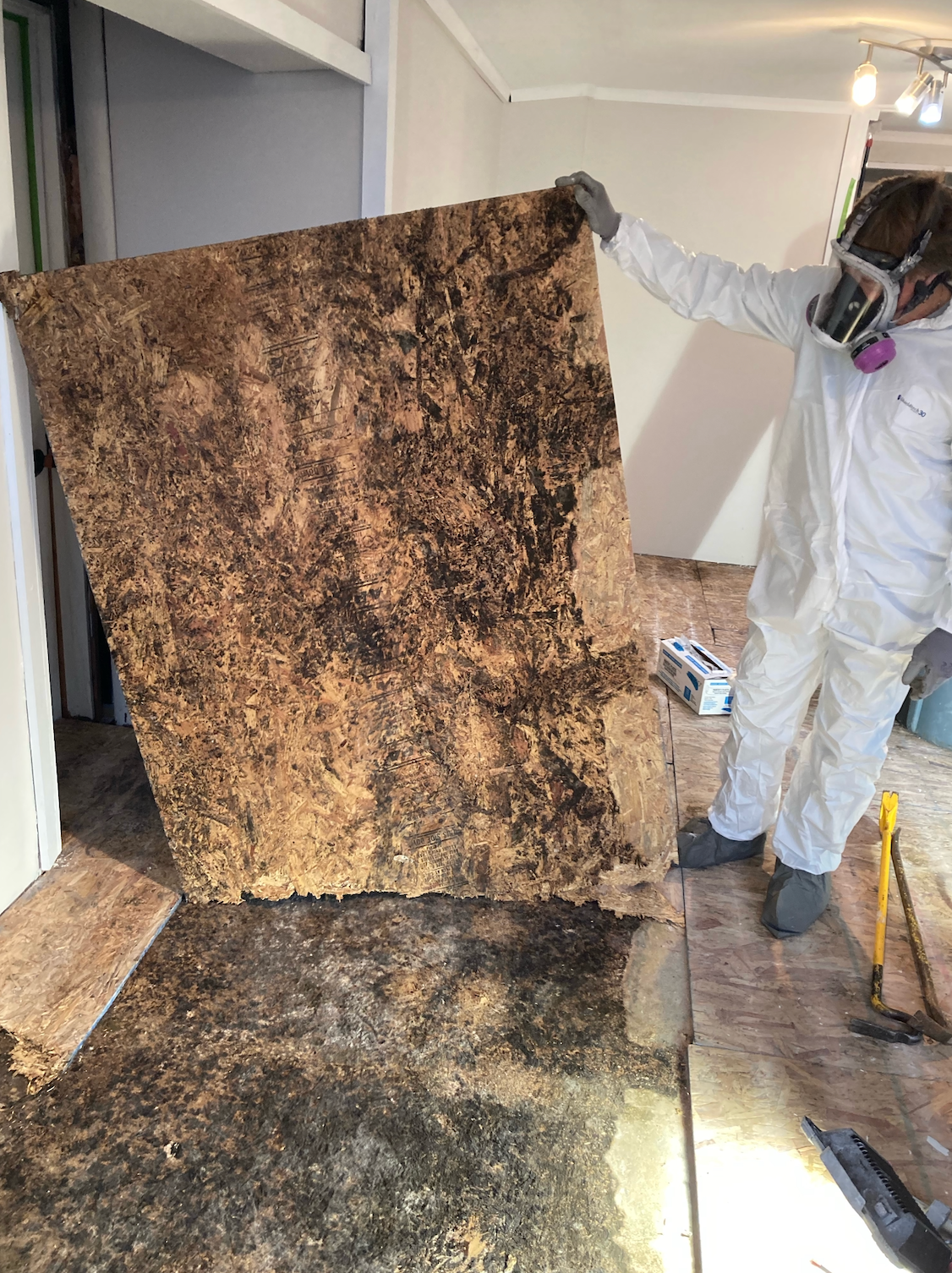
Mold is not always immediately obvious. It often begins growing in hidden areas — behind finished walls, under flooring, inside wall cavities — before it becomes visible on surfaces. When it does appear, it may look like dark spots, fuzzy patches, or staining in shades of black, green, gray, or white. A persistent musty odor in your basement is often the first indicator that mold is present, even before visible growth is apparent.

It's important to understand that mold is a symptom of a moisture problem, not a separate issue unconnected to it. Treating mold without resolving the underlying moisture source will almost always result in recurrence. Effective remediation must address both.

How to Tell the Difference

Distinguishing between moisture and mold isn't always straightforward, but there are clear indicators to look for in your basement.

Signs you likely have a moisture issue without active mold growth include: water stains or white mineral deposits (efflorescence) on concrete walls, condensation on pipes or cold surfaces during warm months, damp flooring after rain events, a slightly humid but not heavily musty smell, and water intrusion that dries within a day or two of a wet weather event.

Signs that mold may be present include: a persistent musty or earthy odor that doesn't go away after the space dries, visible dark staining or fuzzy growth on walls, framing, or stored items, discoloration on drywall or insulation that spreads over time, allergy or respiratory symptoms that improve when you leave the home, and moisture that has been present and recurring for an extended period without remediation.

When in doubt, professional mold air quality testing can confirm whether mold spores are elevated in your basement — providing clarity even when no mold is visible.

Why the Distinction Matters for Connecticut Homeowners

Understanding whether you're dealing with moisture or mold helps you respond appropriately. A moisture issue may be addressed with waterproofing improvements, drainage corrections, or a dehumidifier. Mold, on the other hand, requires professional assessment to determine the type and extent of growth, proper containment and removal, antimicrobial treatment, and correction of the moisture source driving it.

Acting on moisture before mold develops is always the more cost-effective path. Once mold is established — especially behind finished walls or in insulation — remediation becomes more involved and more expensive. Connecticut's older housing stock, combined with the state's climate, makes basement moisture management a year-round priority for homeowners.

CT Mold Man provides professional mold inspection, air quality testing, and mold remediation services throughout Connecticut. If you're unsure whether your basement has a moisture problem, a mold problem, or both, a professional assessment is the most reliable way to know for certain.

When to Call a Professional

You should contact a professional mold inspector if you notice a persistent musty smell in your basement that doesn't resolve after drying, see visible staining or growth on surfaces, have had recurring or long-standing moisture intrusion, are experiencing unexplained allergy or respiratory symptoms, or are preparing to sell your home and want to confirm your basement is mold-free.

Don't wait for visible mold to take action. If your basement has experienced repeated moisture issues, a proactive mold inspection gives you the information you need to address problems before they escalate. CT Mold Man serves homeowners and property managers throughout Connecticut — contact us to schedule an inspection or air quality test today.

Frequently Asked Questions About Basement Mold and Moisture

  • How do I know if my basement has mold or just moisture?

    Moisture typically presents as water stains, efflorescence on concrete, or condensation that dries after weather events. Mold is indicated by a persistent musty odor that doesn't go away, visible dark staining or fuzzy growth on surfaces, or allergy symptoms that improve when you leave the home. If moisture has been present for an extended period without drying out, mold may have developed in hidden areas. A professional mold inspection or air quality test is the most reliable way to confirm which issue you're dealing with.

  • Can basement moisture lead to mold even if I don't see any?

    Yes — mold can grow in hidden areas long before it's visible. Behind finished walls, under flooring, inside wall cavities, and on insulation are all common locations where mold establishes itself before appearing on exposed surfaces. If your basement has experienced recurring moisture over months or years, mold may already be present even if you can't see it. Air quality testing can detect elevated mold spore levels even when no visible growth is apparent, making it a valuable diagnostic tool.

  • Is basement mold dangerous to my family's health?

    Basement mold can affect indoor air quality throughout your home as spores travel through HVAC systems and natural air movement. For household members with allergies, asthma, or respiratory sensitivities, mold exposure can worsen symptoms noticeably. While not all mold is equally hazardous, any active mold growth in a living space warrants professional assessment. If family members experience unexplained respiratory symptoms, fatigue, or worsened allergies, basement mold should be considered as a potential contributing factor.

  • What's the first step if I find mold in my basement?

    The first step is to avoid disturbing the mold, which can release spores into the air and spread contamination. Don't attempt to clean or remove it yourself with bleach or other household products — these treatments don't penetrate porous surfaces and don't address the moisture source causing growth. Contact a professional mold inspector to assess the extent of the problem and recommend the appropriate remediation approach. Addressing both the mold and the underlying moisture source is essential to prevent recurrence.

  • Does fixing basement moisture automatically solve a mold problem?

    No — addressing moisture prevents new mold growth but does not eliminate existing mold. Once mold has established on surfaces, it requires professional remediation including removal and antimicrobial treatment of affected materials. However, resolving the moisture source is an essential part of any remediation plan. Without it, mold will return even after professional treatment. A complete approach addresses both the existing mold and the conditions allowing moisture to enter and accumulate in the basement.

Person in a dark coat standing in a dim, worn room with peeling walls and scattered debris
By Lauren Mahoney June 22, 2026
Connecticut homeowners: learn what to check in your attic every spring for winter mold damage, warning signs to watch for, and when to call CT Mold Man.
White wall tiles along a baseboard with damp, stained wall above and wet floor below.
By Lauren Mahoney June 22, 2026
Planning a bathroom renovation in Connecticut? Learn why mold inspection before demo is critical, what bathroom leaks hide, and when to call CT Mold Man.
Real estate agent on phone beside a house with a red
By Lauren Mahoney June 22, 2026
Buying or selling a home in Connecticut? Learn why a professional mold inspection protects both parties, what it covers, and when to call CT Mold Man.
Staircase landing with wooden steps and a colorful stained-glass window on the left wall.
By Lauren Mahoney June 22, 2026
Found mold on a home inspection report in Connecticut? Learn what it means, what to do next, and when to call CT Mold Man for a professional mold inspection.
Person in protective suit holds up a mold-damaged carpet in a room with heavy floor staining.
By Lauren Mahoney June 22, 2026
Wondering what mold remediation costs in Connecticut? Learn what factors affect pricing, what the process involves, and when to call CT Mold Man.
By Lauren Mahoney June 22, 2026
Wondering if a preventive mold inspection is worth it in Connecticut? Learn why proactive inspections protect your home, health, and property value. Call CT Mold Man today.
Close-up of a weathered wooden ceiling with diagonal beams and peeling paint
By Lauren Mahoney June 22, 2026
Attic mold is a common problem for Connecticut homeowners. Learn what causes it, how to spot it, and when to call a professional for mold remediation.