Attic Mold After Winter: What Connecticut Homeowners Should Inspect Every Spring
Spring is the best time for Connecticut homeowners to check their attic for mold — and most never do. After a long winter of temperature swings, condensation, and potential ice dam damage, attic spaces in Connecticut homes are among the most likely places for hidden mold to have developed between October and April. A spring inspection takes less than an hour and can catch a problem before it spreads through the summer months.
Why Winter Is Mold Season for Connecticut Attics
Attic mold doesn't need a flood or a major leak to get started. In Connecticut, winter itself creates the conditions. Cold outdoor temperatures meet warm, humid air rising from the living space below. When that warm air reaches the attic — through gaps around recessed lights, plumbing penetrations, attic hatches, or inadequate insulation — it hits the cold roof decking and condenses. That condensation, repeated over weeks and months, is enough moisture to support mold growth on wood sheathing, rafters, and insulation.
Ice dams compound the problem. When heat escapes through the roof and melts snow at the ridge while the eaves remain frozen, water backs up under the shingles and can infiltrate the attic edge. That moisture intrusion — often invisible from inside the home — saturates wood and insulation in exactly the areas where ventilation is poorest.
By the time spring arrives, mold that began in November or December may have been growing for four to five months without any visible sign inside the home.
What to Look For During a Spring Attic Check
Homeowners who are comfortable accessing their attic can do a visual check as part of their spring home maintenance routine. The following are the most common indicators of winter-related mold development in Connecticut attics:
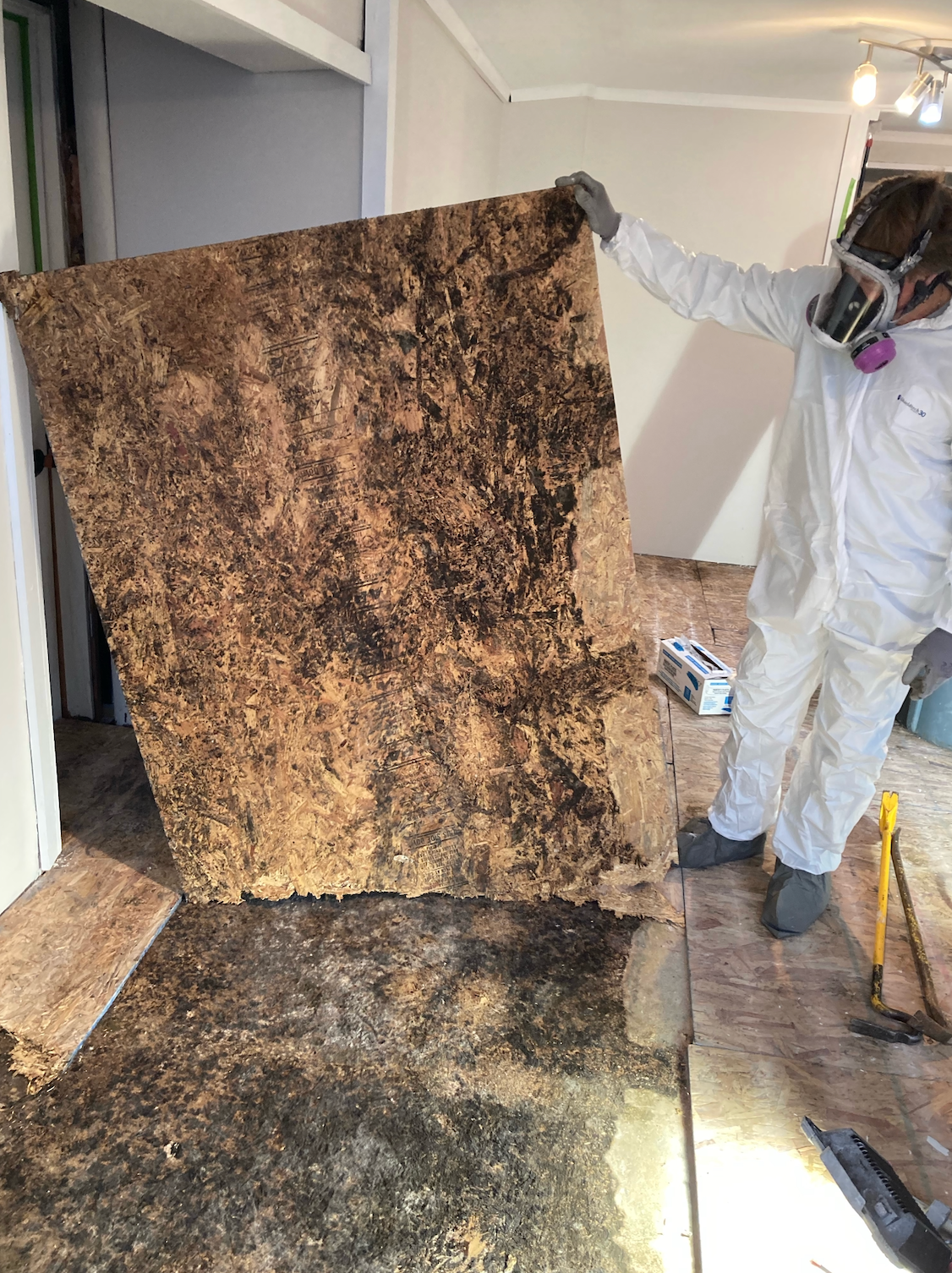
- Dark staining — black, gray, or greenish — on the underside of the roof sheathing or along rafters
- A musty or earthy odor when you open the attic hatch, even if you don't see visible growth
- Frost or condensation staining on the underside of the roof deck, particularly near the ridge or eaves
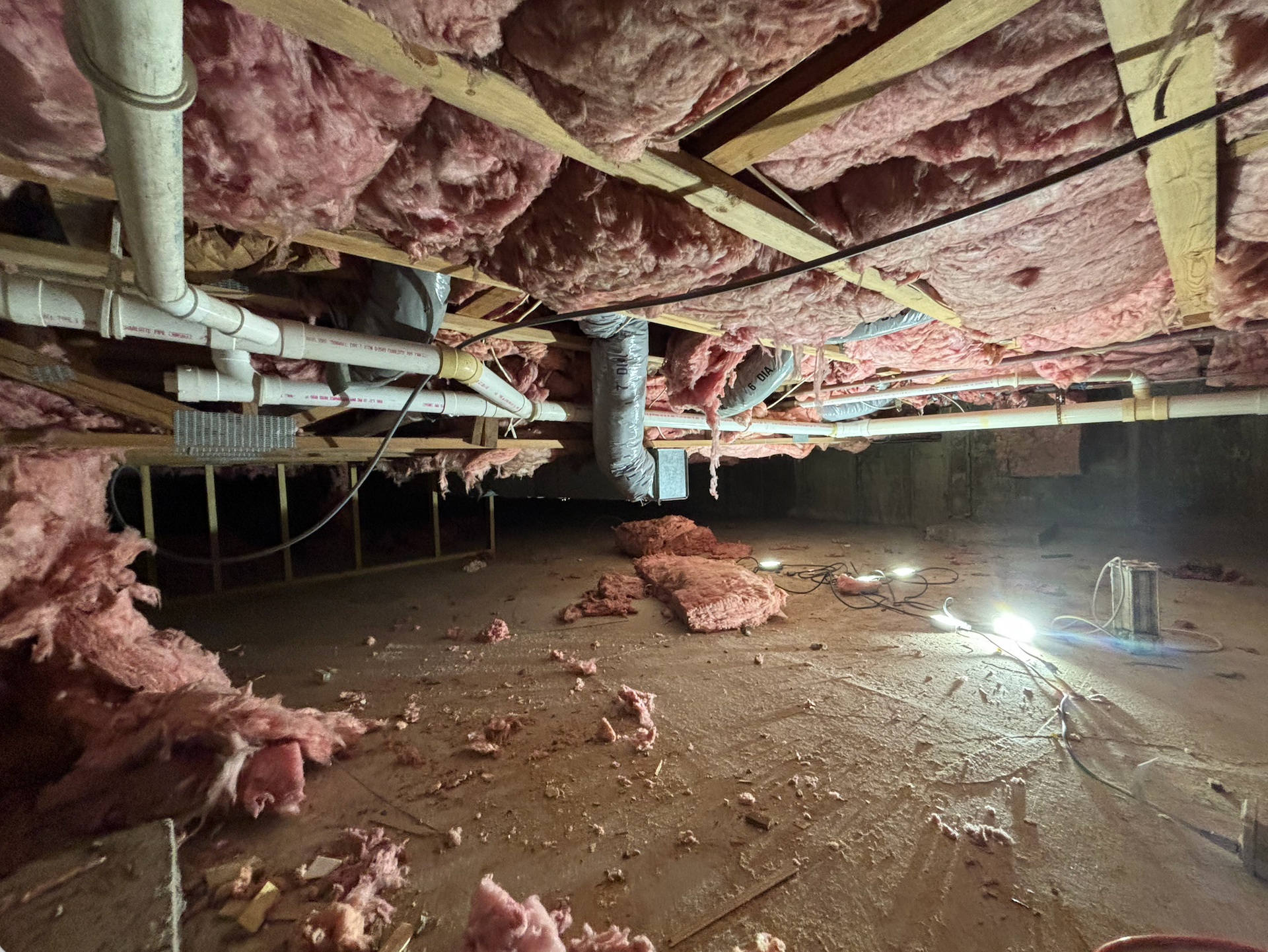
- Insulation that appears wet, compressed, or discolored — especially near the eaves or around any penetrations
- Water staining or tide marks on wood framing, which indicate past moisture intrusion even if currently dry
- Damaged, missing, or blocked soffit vents, which reduce the airflow needed to keep the attic dry
A musty smell alone — even without visible mold — is enough to warrant a professional mold inspection. Mold growing on the back face of roof sheathing or in compressed insulation may not be visible during a casual walk-through but is actively releasing spores into the attic air.
Spring Attic Mold Prevention: What Connecticut Homeowners Should Address Every Year
The best defense against recurring attic mold in Connecticut is a combination of proper ventilation, air sealing, and insulation — and a spring inspection habit that catches problems before summer heat accelerates any growth that began over winter.
Check and clear soffit and ridge vents. Attic ventilation depends on air flowing in through soffit vents and out through the ridge. Insulation that has shifted to block soffits, or debris that has accumulated in vents, reduces airflow and raises attic humidity. A quick visual check in spring confirms vents are clear and functional.
Inspect the attic hatch and any penetrations. Gaps around recessed lights, exhaust fans, and plumbing stacks are major pathways for warm, humid household air to enter the attic. Air sealing these penetrations — ideally in the fall before heating season — is one of the most effective ways to reduce winter condensation in the attic.
Look at insulation levels and placement. Insulation that has settled, been disturbed, or is blocking ventilation at the eaves creates both thermal and moisture problems. Connecticut's climate requires adequate attic insulation to prevent the temperature differential that drives condensation on the roof deck.
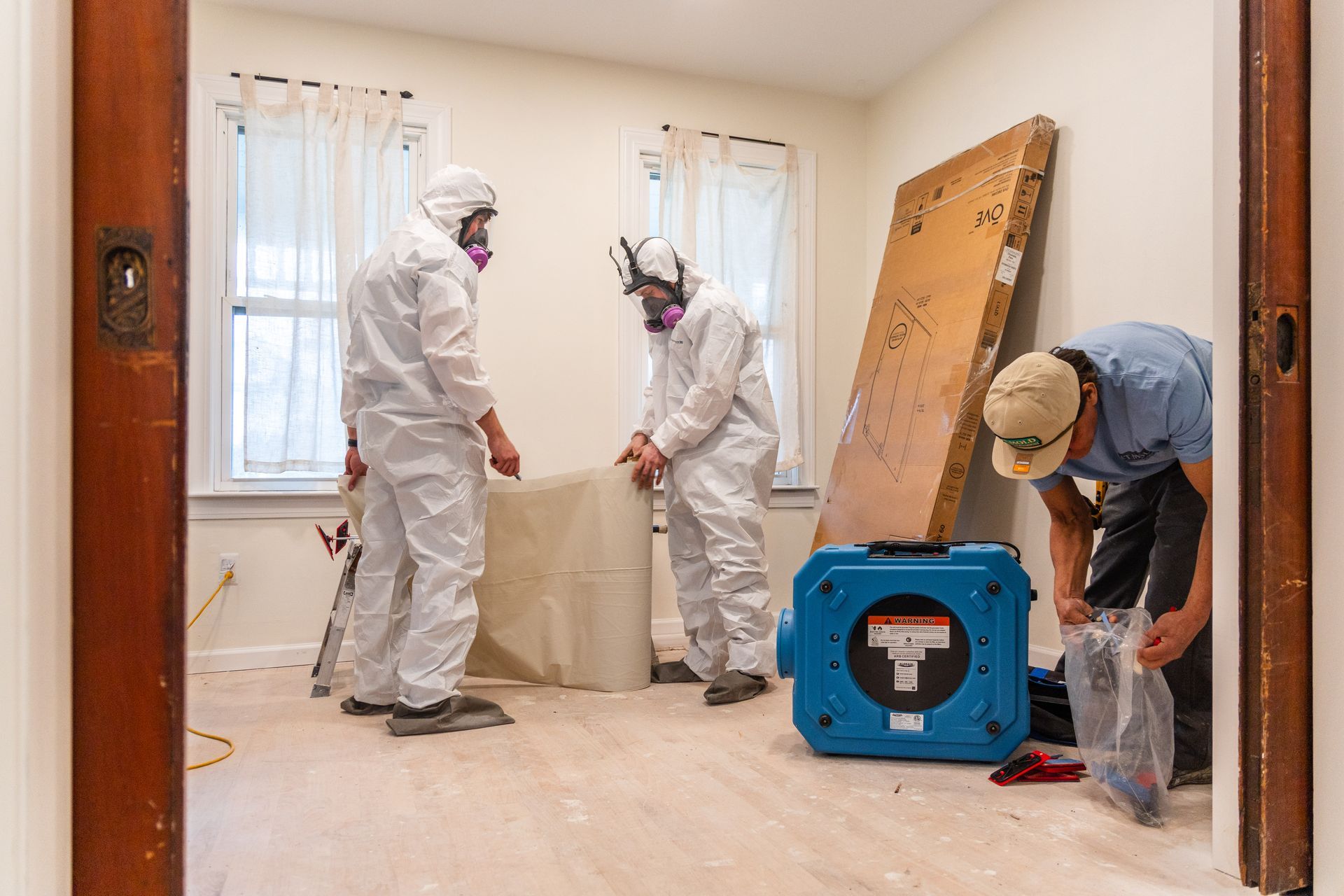
Document any staining or discoloration for professional assessment. If you see anything that looks like mold, don't disturb it. Photograph it, note the location, and schedule a professional mold inspection. Disturbing attic mold without containment can spread spores through the home's air system.
When a Spring Visual Check Isn't Enough
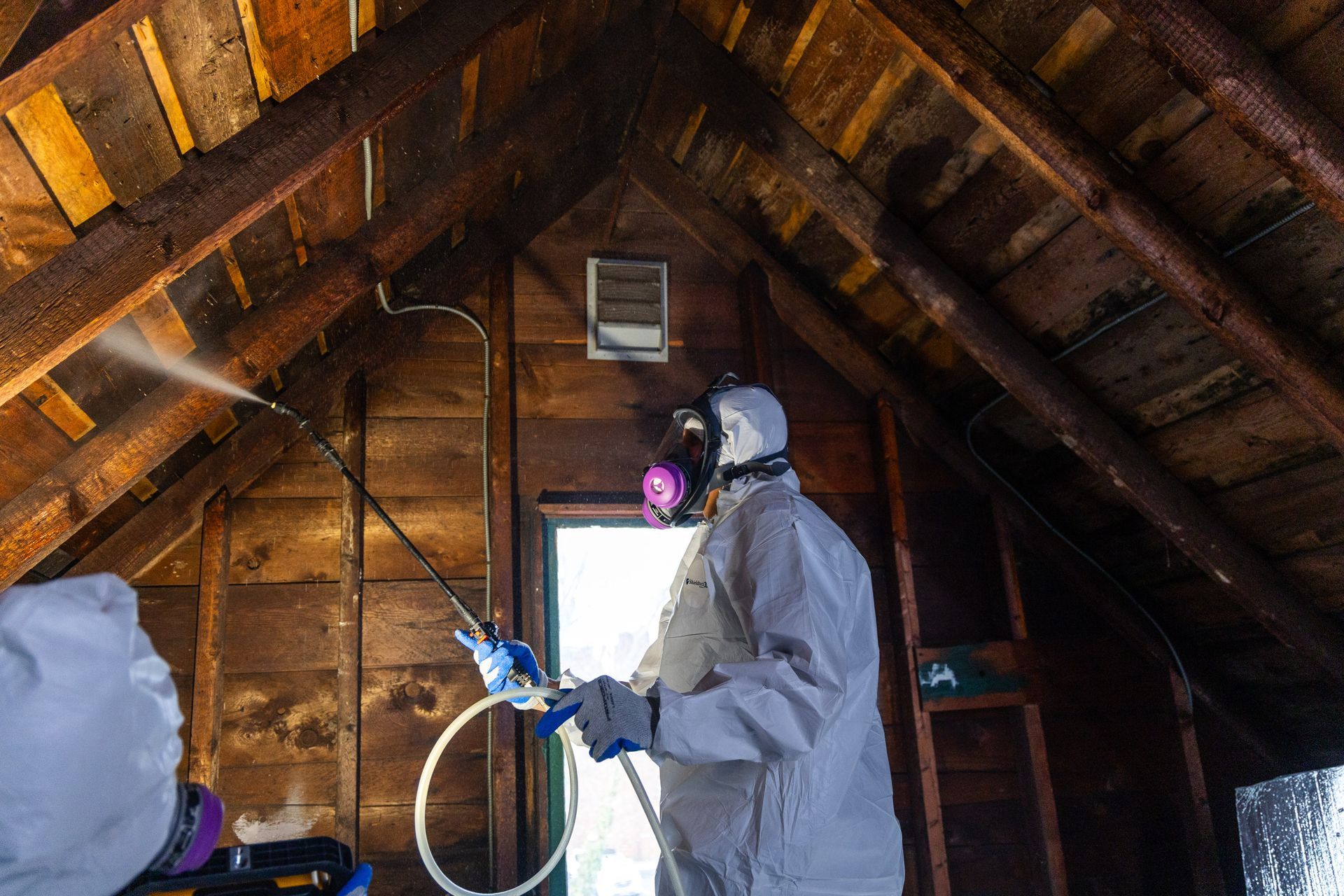
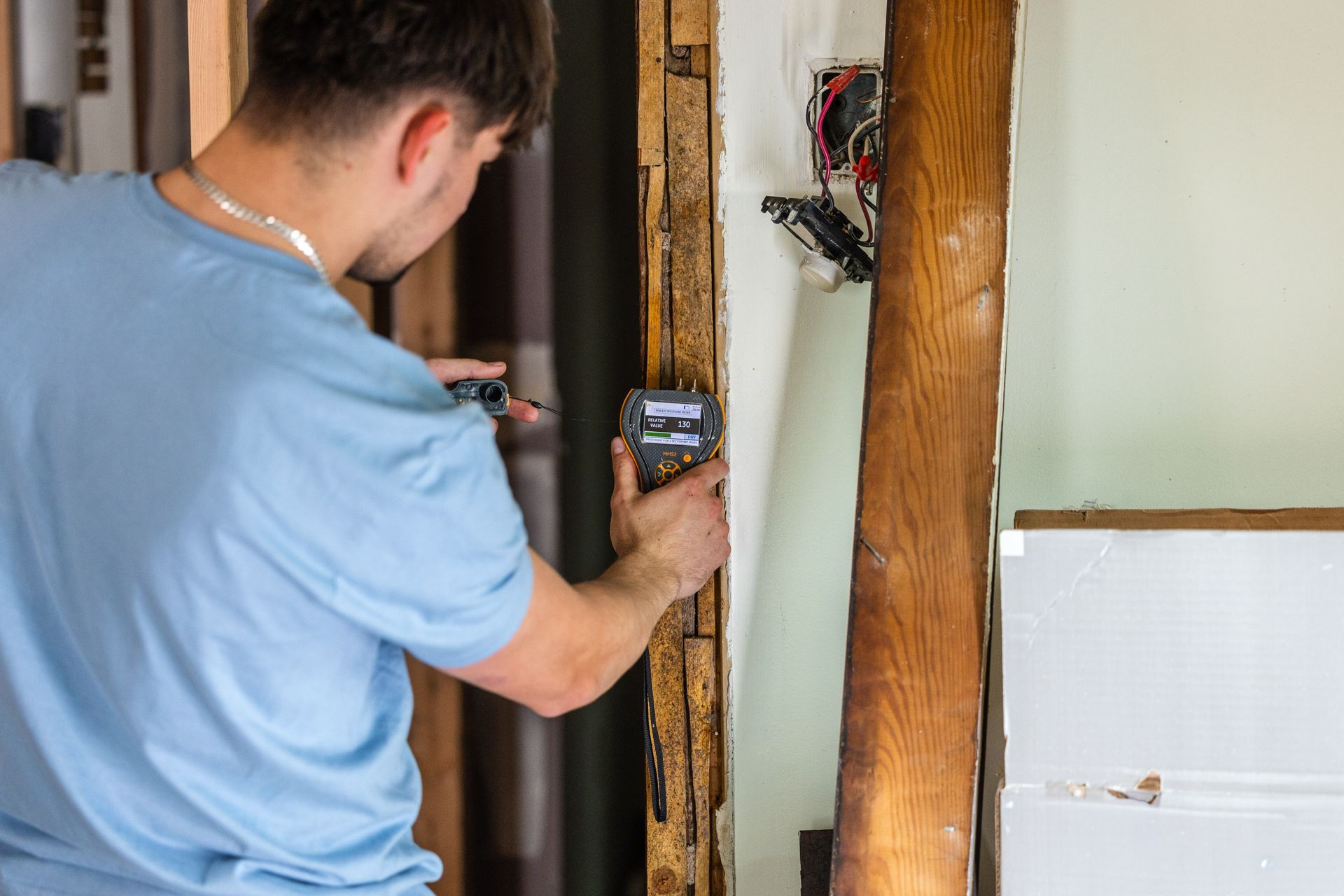
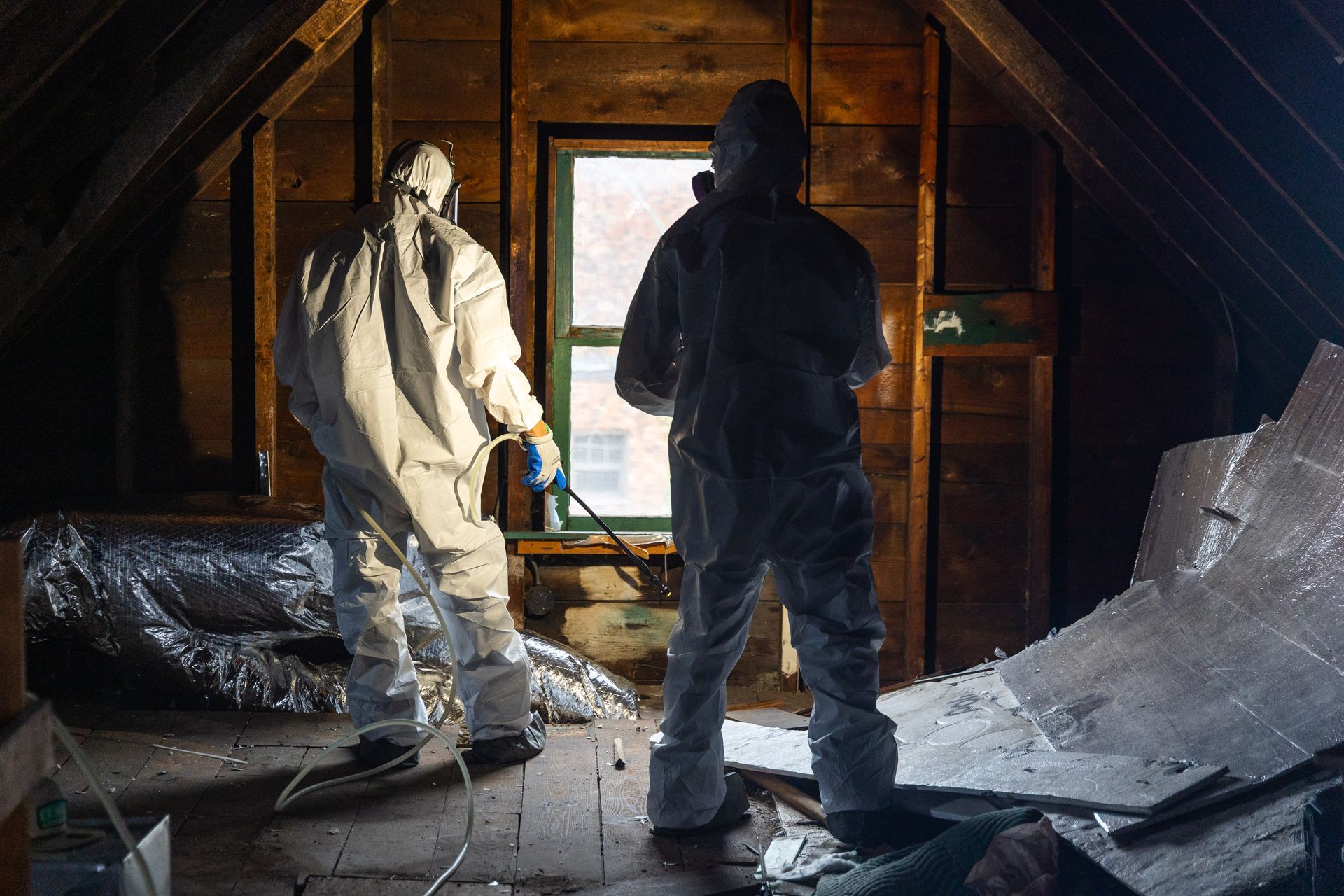
A homeowner walk-through is a useful first step, but it has real limitations. Mold that is growing on the back face of sheathing, in dense-pack insulation, or in difficult-to-access areas near the eaves may not be visible without professional equipment. A certified mold inspector can assess the full scope of the attic using moisture meters, air sampling, and surface testing — and can determine whether what's present is surface staining, dead mold from a resolved issue, or active growth that requires remediation.
Mold that is identified early in spring — before Connecticut's humid summers arrive — is significantly easier and less expensive to address than growth that has been allowed to expand through July and August. Spring is the right window: after winter conditions have passed and before summer accelerates any growth that took hold during the cold months.
Schedule Your Spring Attic Mold Inspection With CT Mold Man
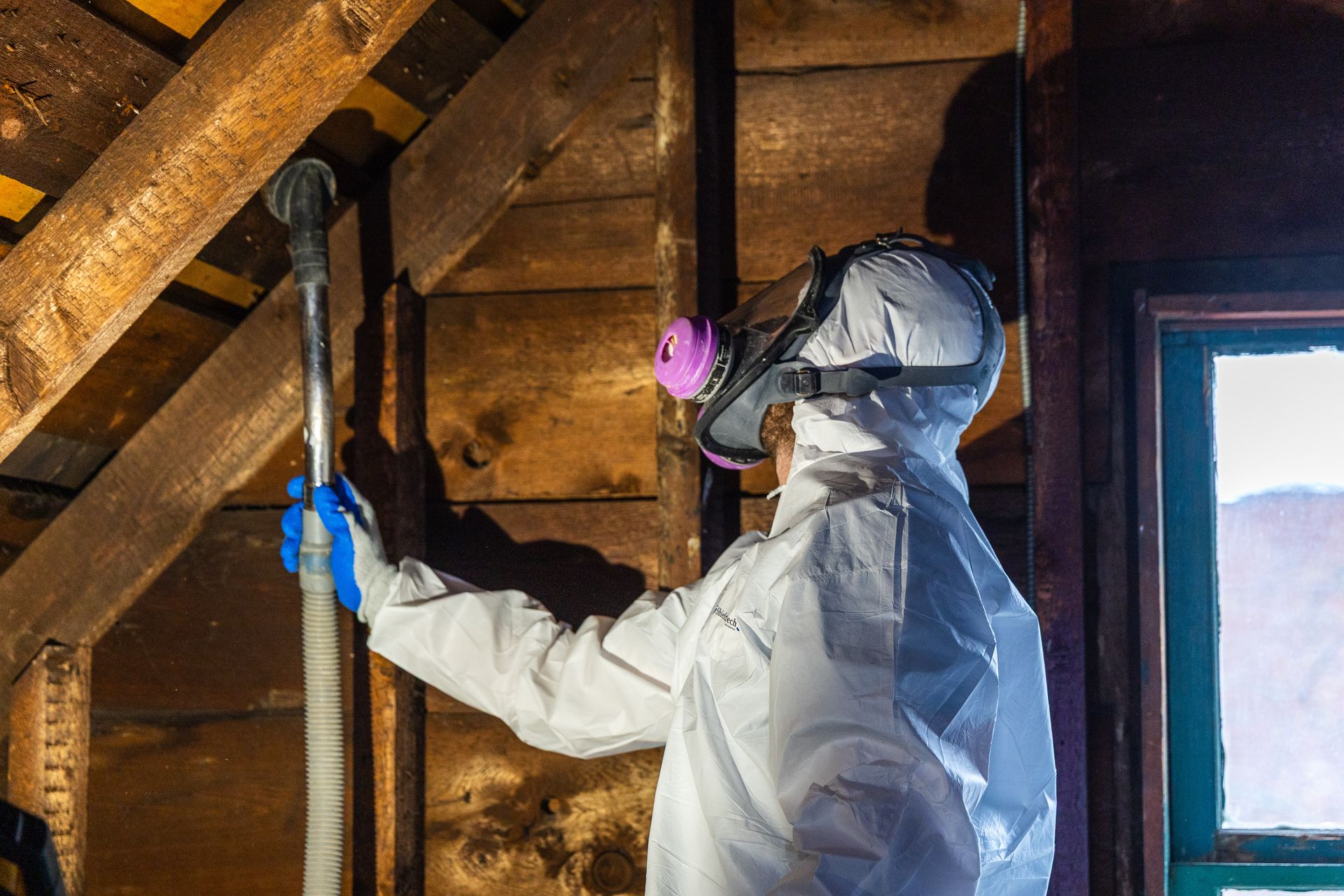
If your spring attic check turns up staining, a musty odor, or any of the warning signs above — or if you simply haven't had your attic inspected in a few years — contact CT Mold Man to schedule a professional mold inspection. CT Mold Man provides certified mold inspections, remediation, and air quality testing for Connecticut homeowners. Don't let winter mold carry over into summer.
Frequently Asked Questions
Why does attic mold develop in Connecticut homes over the winter?
Attic mold develops in Connecticut winters because warm, humid air from the living space rises into the cold attic and condenses on the underside of the roof deck. This condensation — repeated daily over weeks and months — provides the sustained moisture that mold needs to grow on wood sheathing, rafters, and insulation. Ice dams can also force water under shingles into the attic edge, adding to the moisture load in poorly ventilated spaces.
How can I tell if my attic has mold after winter?
The most common signs of post-winter attic mold in Connecticut homes are dark staining on the underside of the roof sheathing, a musty or earthy smell when you open the attic hatch, water staining or tide marks on wood framing, and wet or compressed insulation near the eaves. However, mold growing on the back face of sheathing or in dense insulation may not be visible without professional inspection equipment. A musty odor alone is reason enough to schedule a professional mold assessment.
Is attic mold dangerous to the rest of the home?
Attic mold can affect the air quality in the rest of the home, particularly if mold spores are drawn into the living space through gaps in the attic floor, around recessed lights, or through the HVAC system. Over time, active attic mold can also cause structural deterioration of wood sheathing and framing. Mold that is identified and remediated in spring — before it expands through summer — limits both the health risk and the structural damage.
How much does attic mold remediation cost in Connecticut?
Attic mold remediation costs in Connecticut vary based on the square footage affected, the materials involved, and the extent of the growth. Limited surface mold on a portion of the roof sheathing is less costly to address than extensive growth covering large areas of decking and framing. A professional mold inspection determines the scope before any remediation is planned, which allows for accurate budgeting. Contact CT Mold Man directly for current pricing based on your specific attic conditions.
Should I fix my attic ventilation before or after mold remediation?
Mold remediation should be completed first, followed by ventilation improvements to prevent recurrence. Improving ventilation before remediation doesn't eliminate existing mold — it only reduces future moisture. The correct sequence is: professional mold inspection to assess scope, remediation to remove active growth, and then ventilation or insulation corrections to address the underlying cause. CT Mold Man can assess both the mold and the contributing moisture conditions during the inspection to help you plan both steps in the right order.