Mold Remediation Cost Guide for Connecticut Homeowners

June 22, 2026

Mold remediation costs in Connecticut vary widely depending on the size of the affected area, the location of the mold, and the extent of structural involvement. Understanding what drives pricing — and what the remediation process actually involves — helps homeowners make informed decisions and avoid surprises when getting professional help.

Why Mold Remediation Costs Vary

No two mold problems are the same, and no two remediation jobs are priced the same way. Several factors directly influence the scope of work and the overall cost of a remediation project in Connecticut.

The size of the affected area is the most significant cost driver. A small, localized patch of mold on a concrete basement wall requires very different treatment than mold that has spread across an entire attic deck or penetrated finished drywall throughout a basement. Larger affected areas mean more labor, more materials, and in some cases more extensive containment procedures.

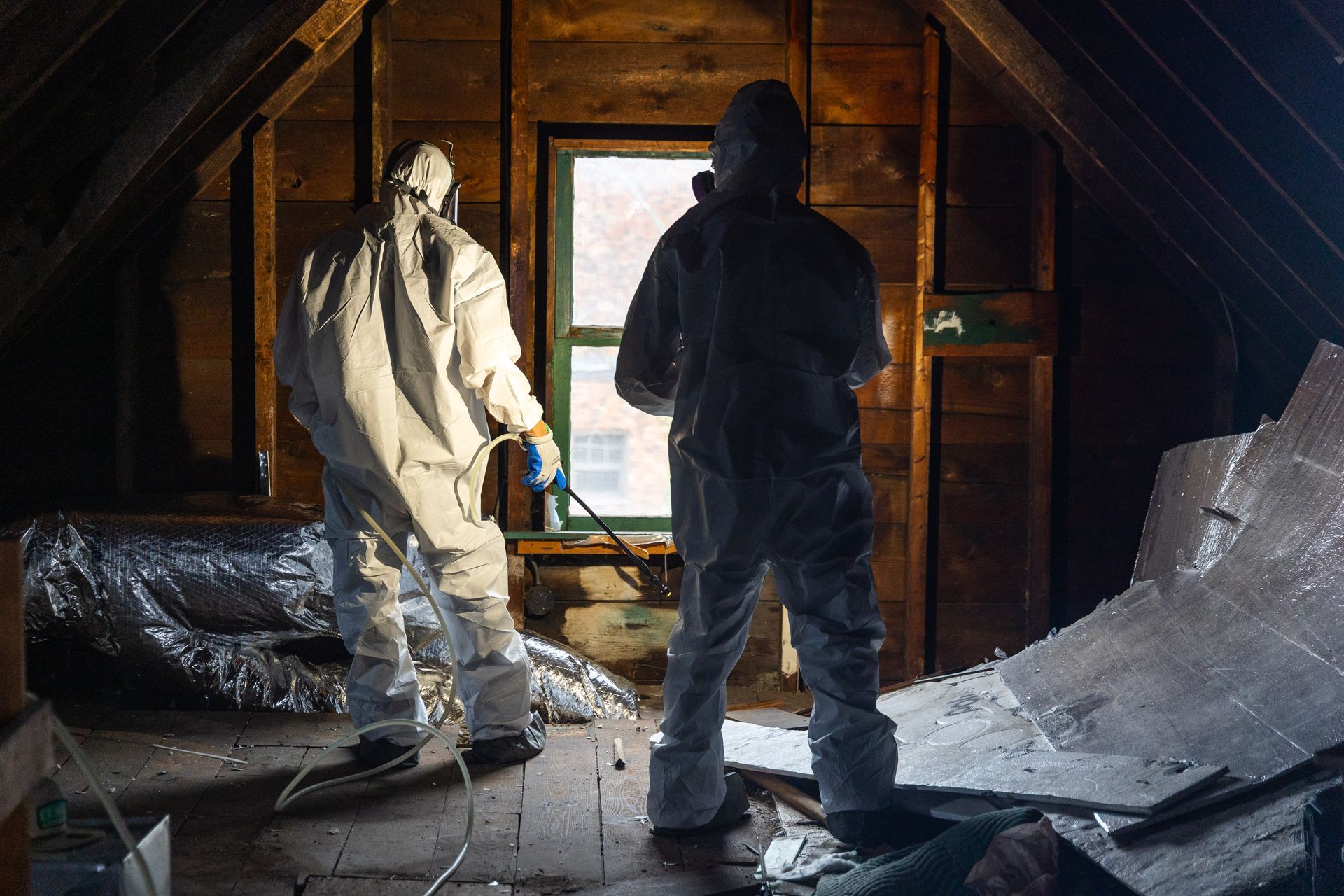
Location within the home also matters considerably. Mold in an accessible area — an unfinished basement wall or a visible section of crawl space — is generally more straightforward to address than mold behind finished walls, inside HVAC systems, or in tight attic spaces where access is difficult and additional preparation is required.

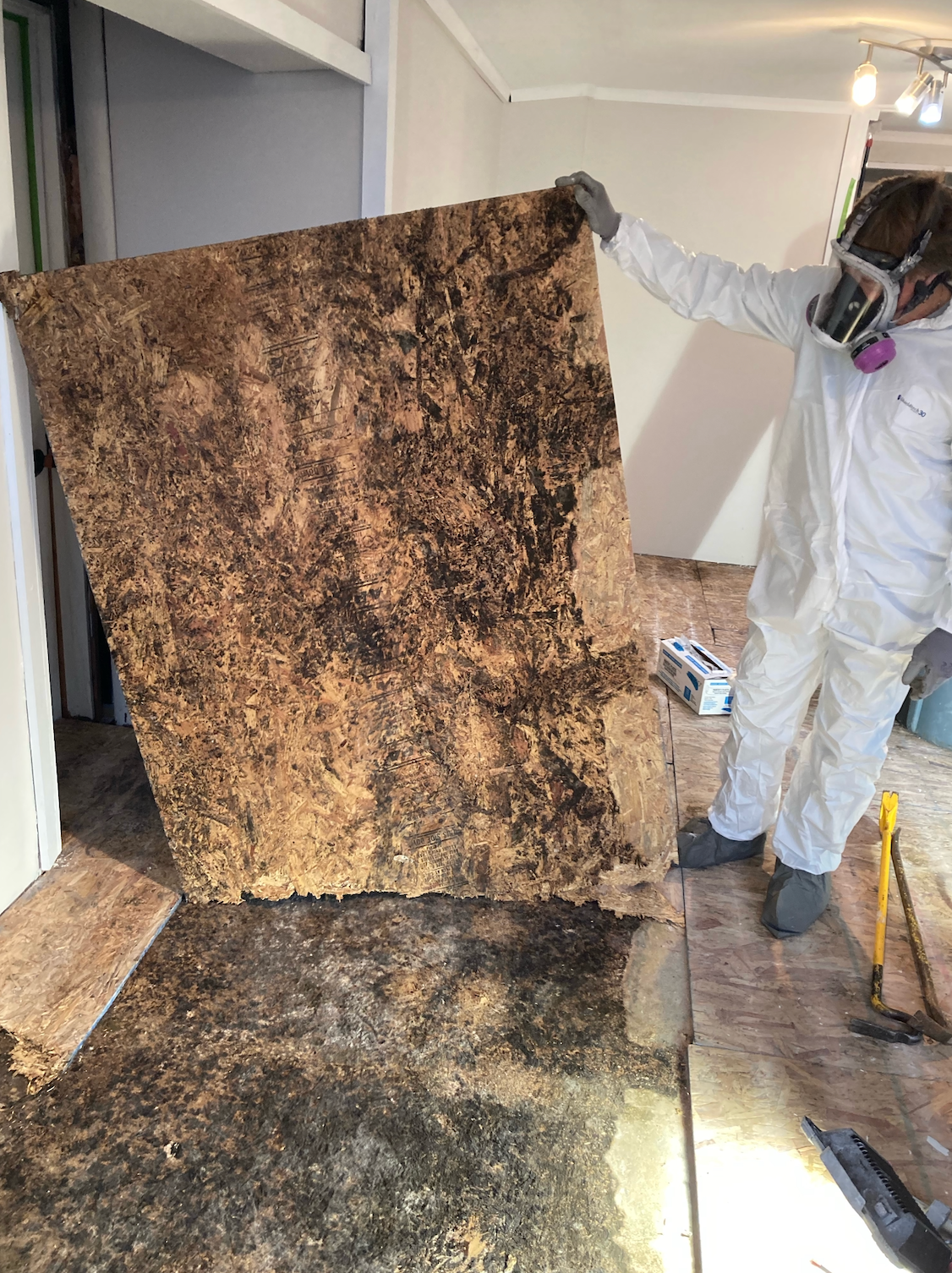
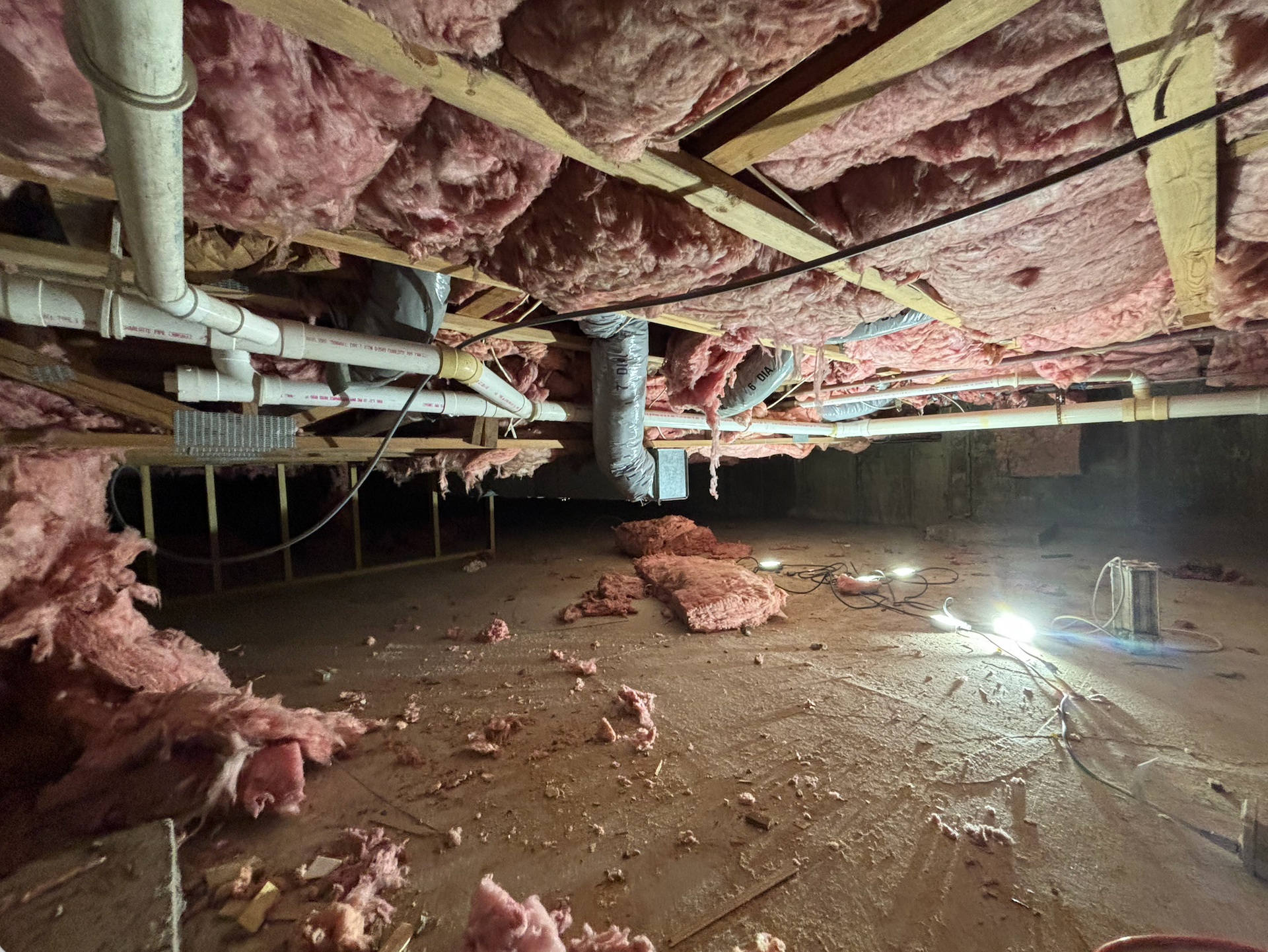
The type of materials affected plays a role as well. Mold on non-porous surfaces like concrete can often be treated in place with thorough cleaning and antimicrobial application. Mold on porous materials — drywall, wood framing, insulation, carpet — often requires removal and replacement of affected materials, which adds to both labor and material costs.

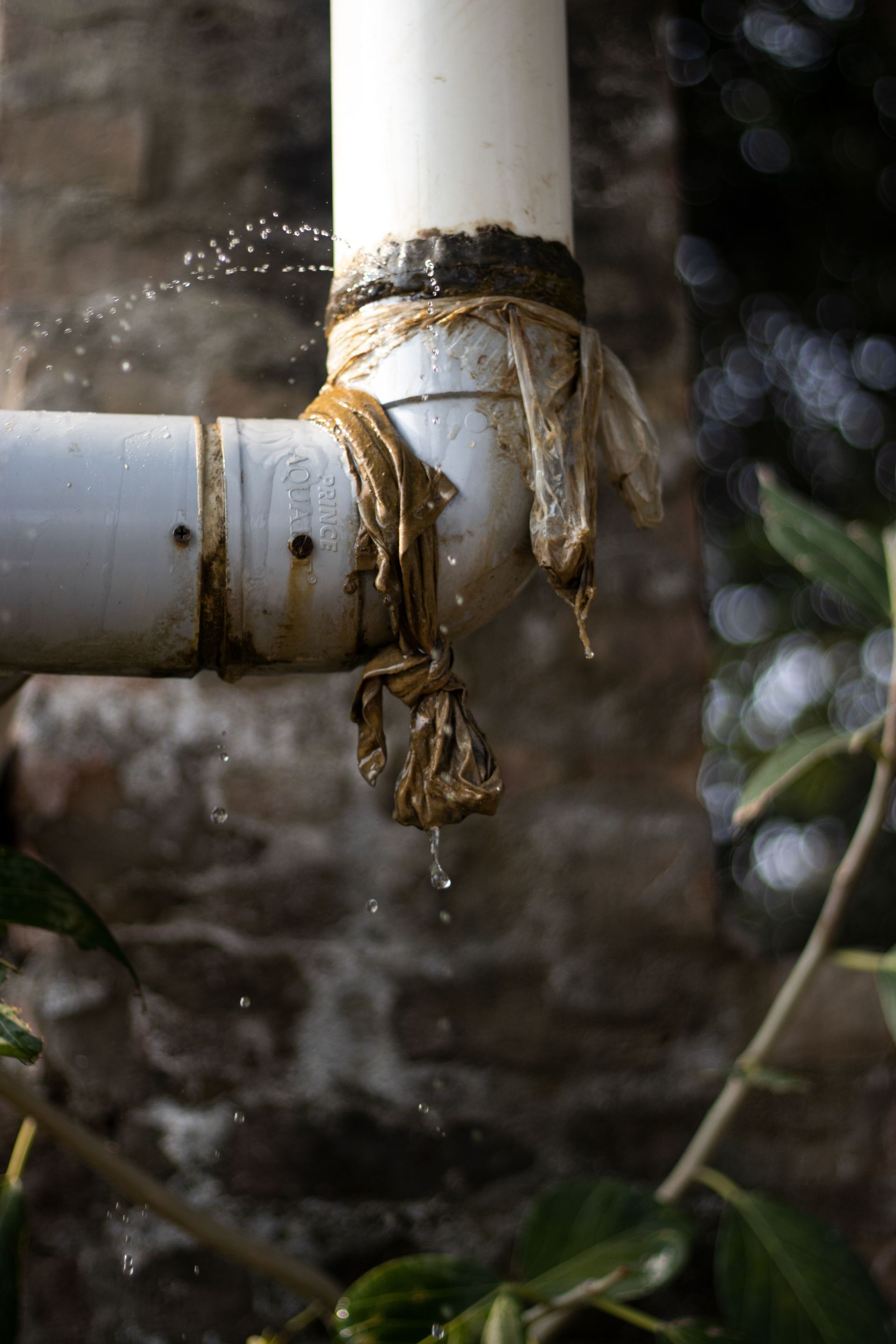
Finally, the underlying moisture problem must be addressed as part of any effective remediation. If the source of moisture requires correction — improved ventilation, drainage work, waterproofing — those costs are separate from the remediation itself but essential to prevent recurrence.

What the Mold Remediation Process Involves

Professional mold remediation follows a systematic process designed to safely remove mold, treat affected surfaces, and prevent spread to other areas of the home.

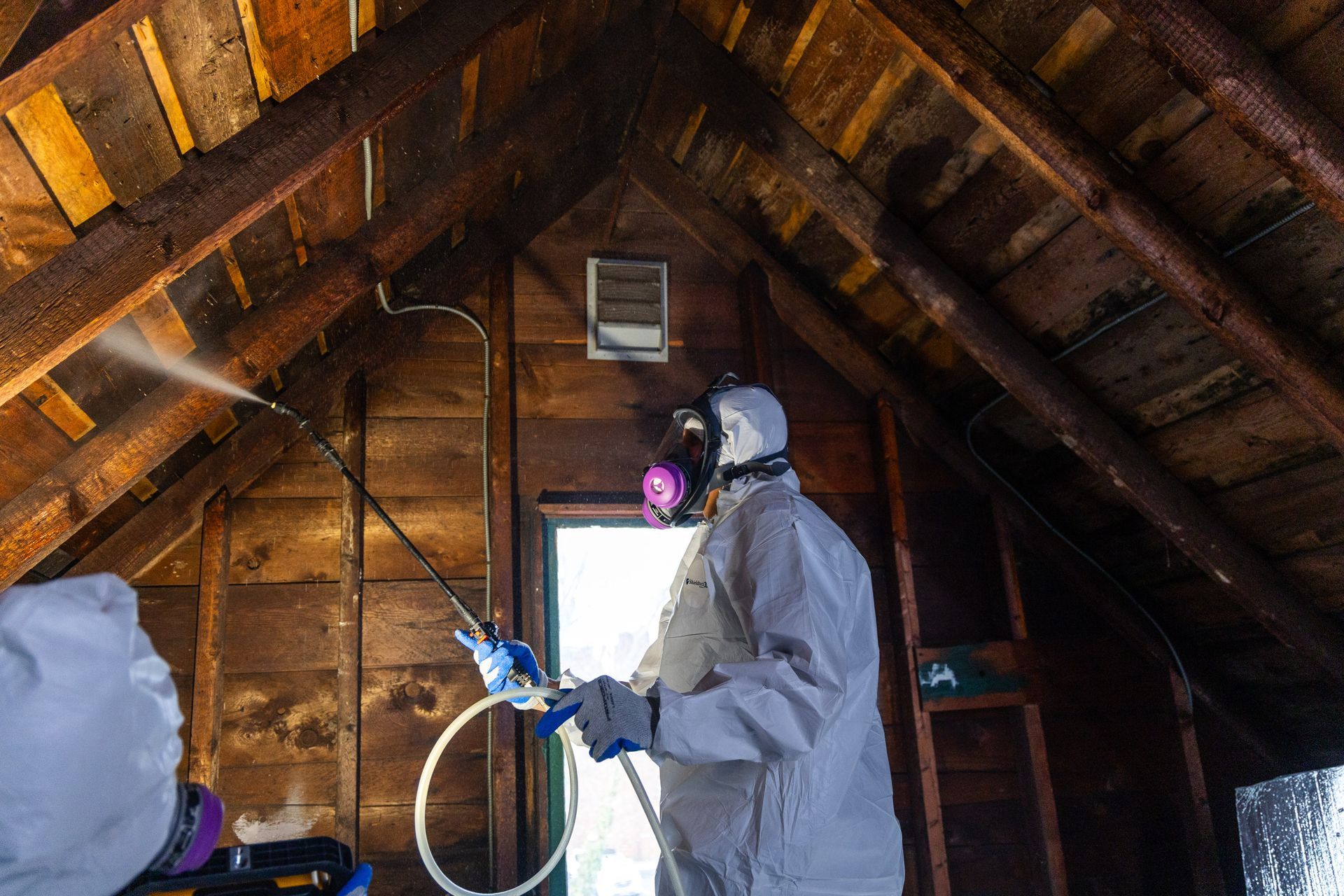
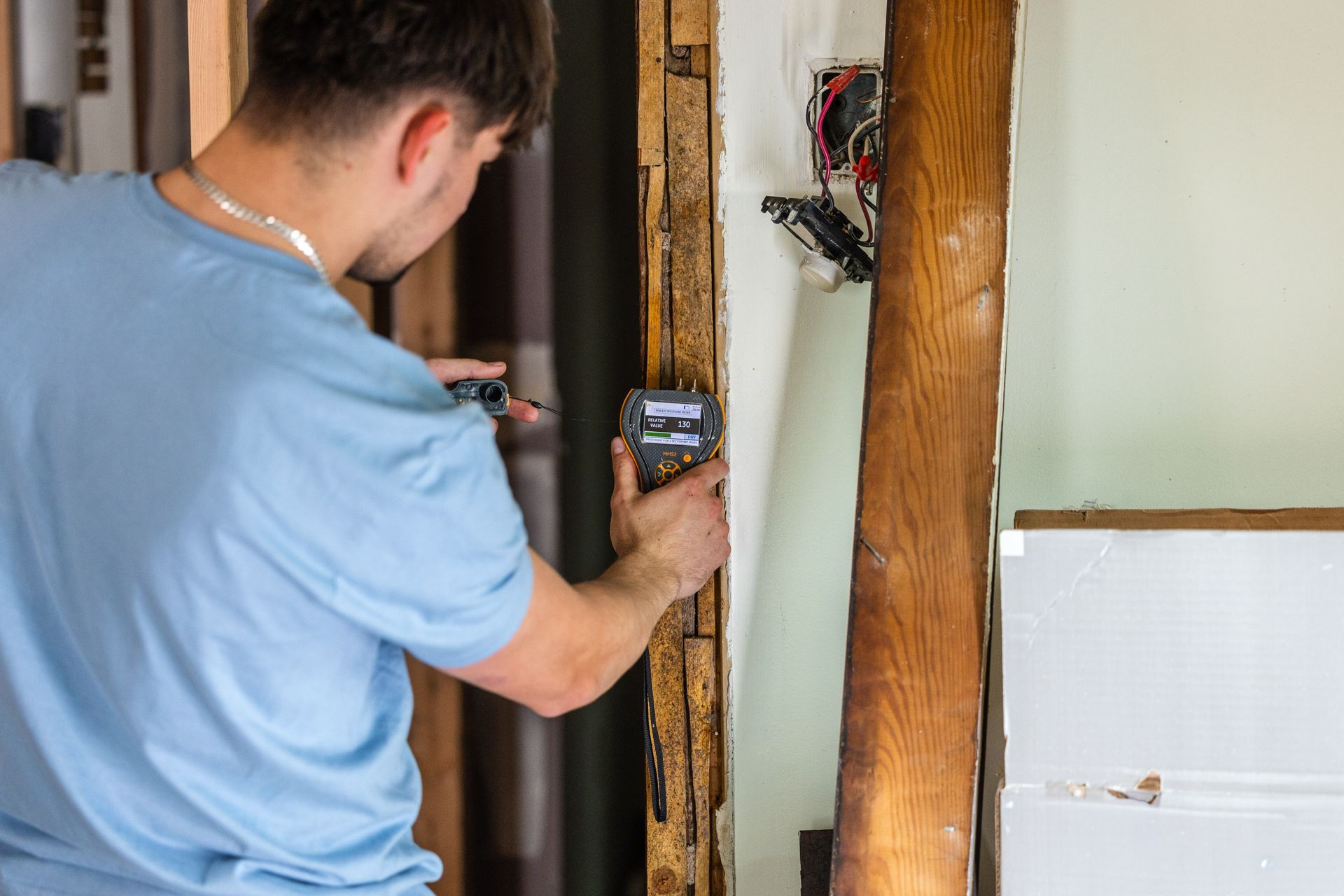
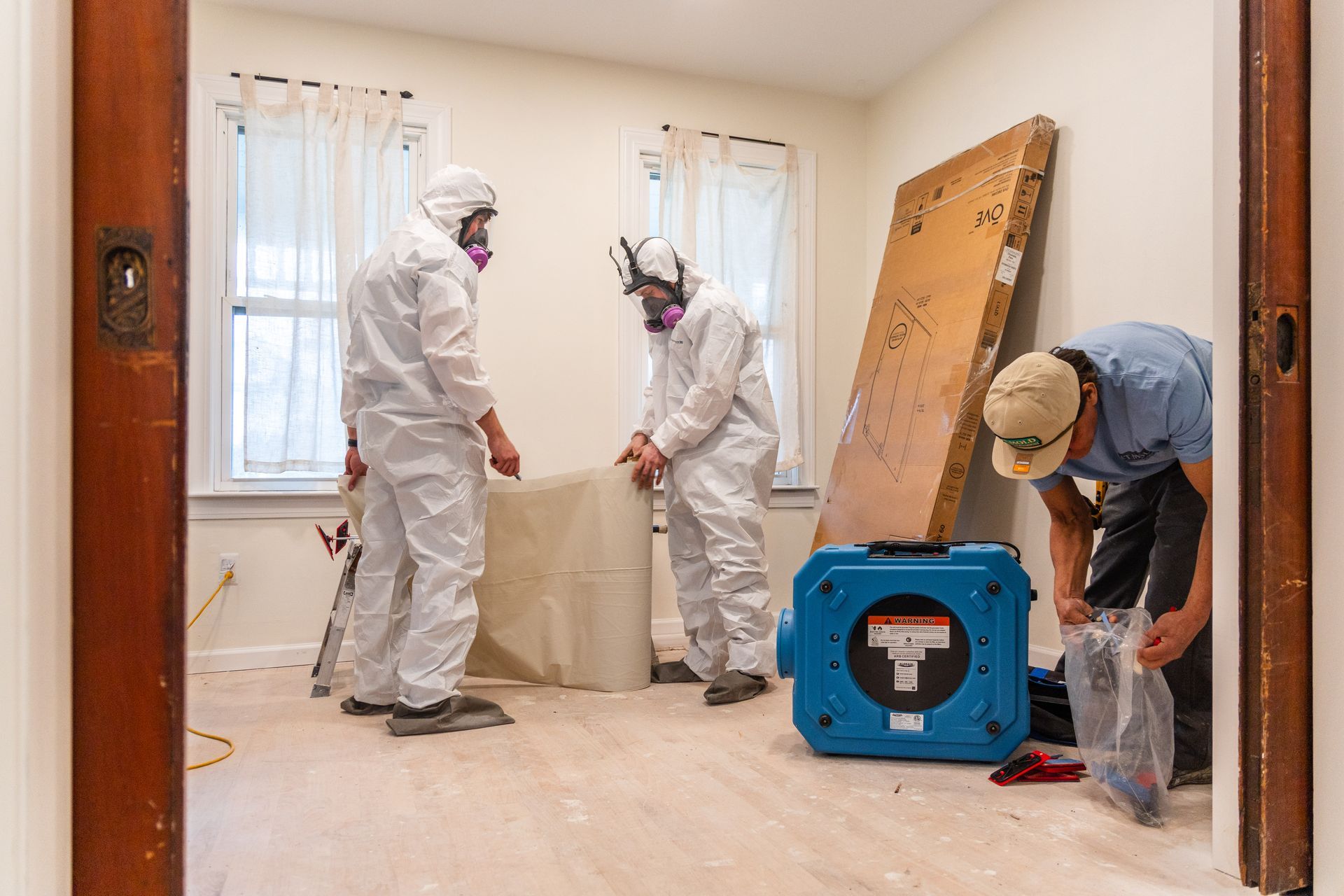
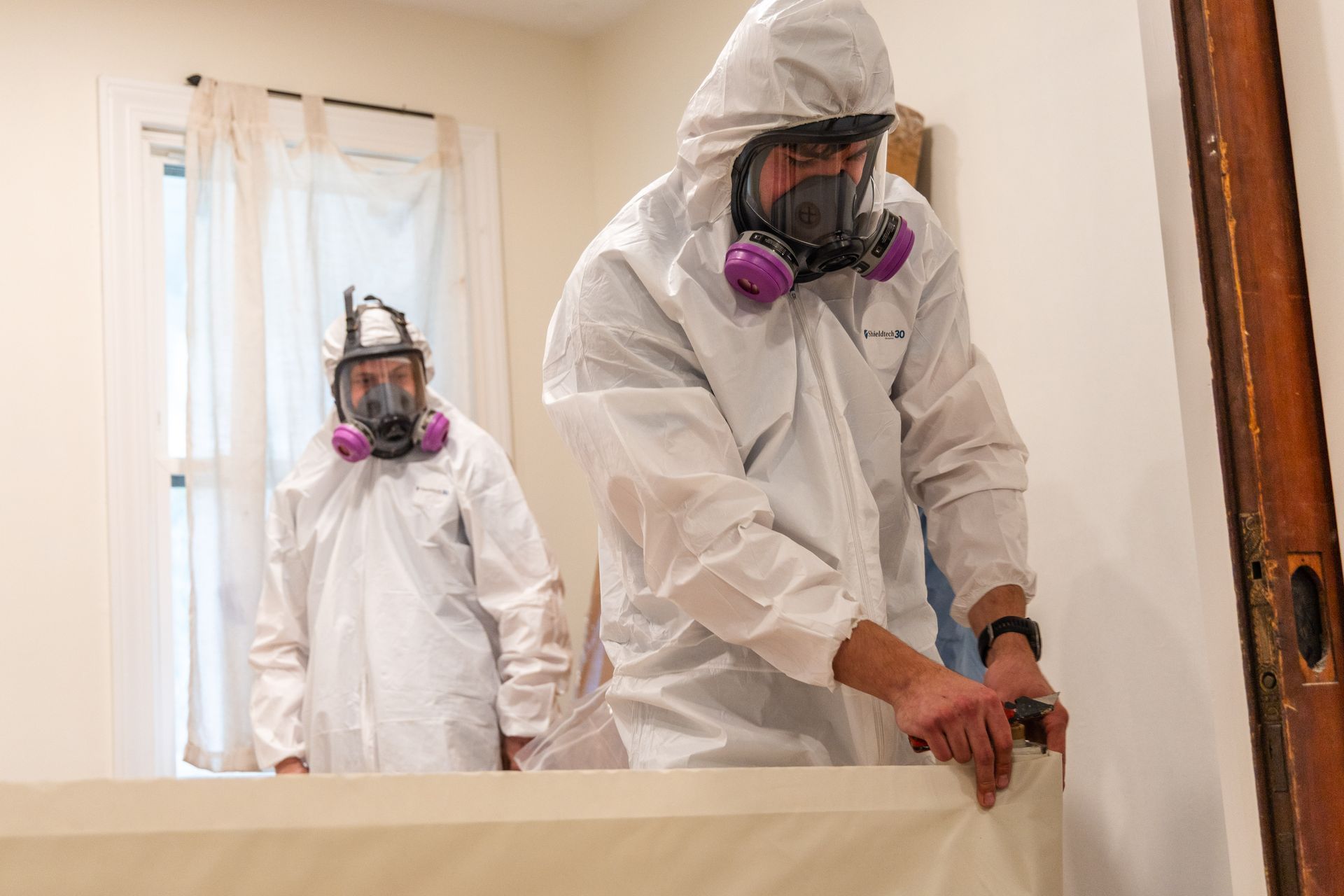
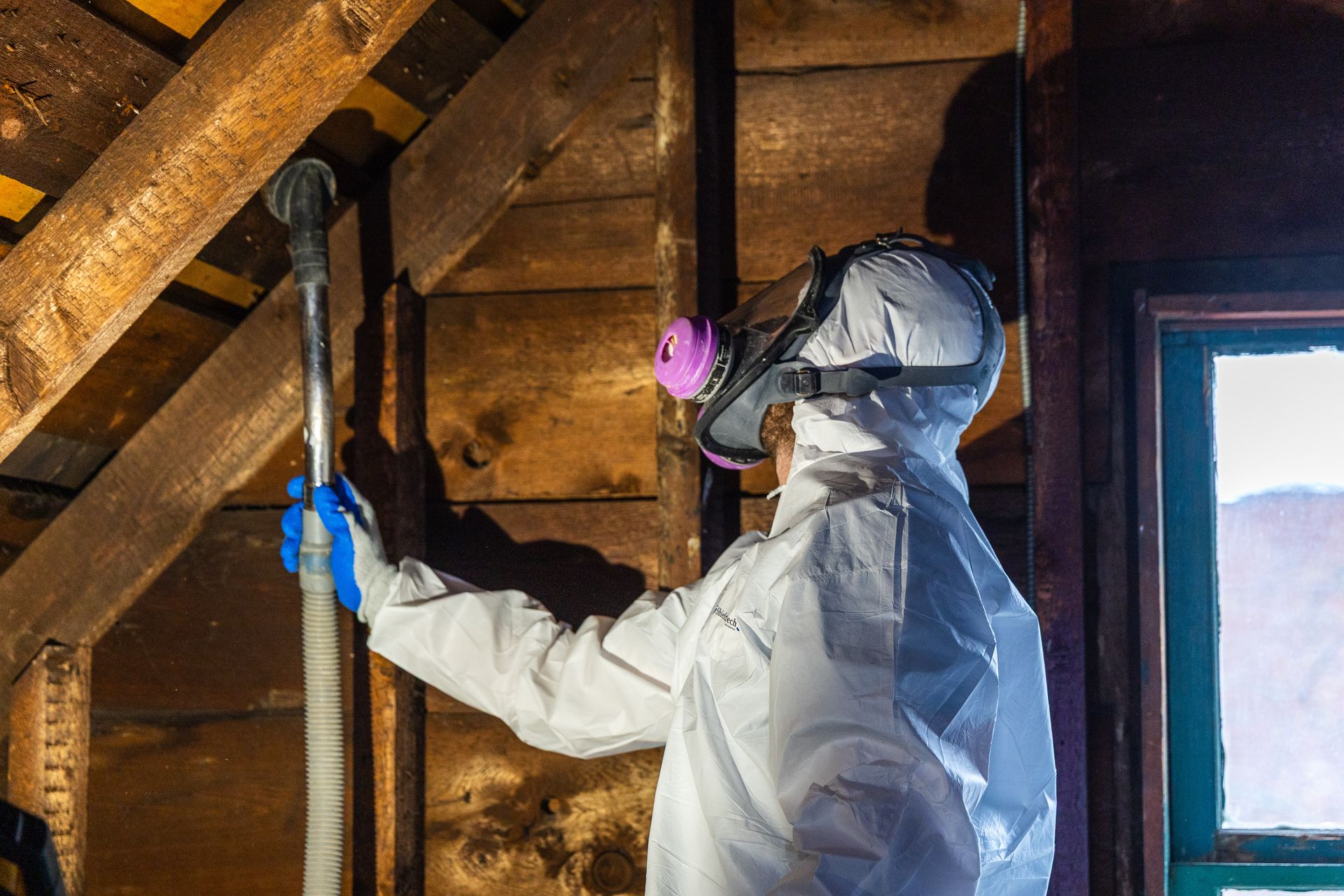
The process typically begins with a thorough assessment of the affected area to determine the full extent of the mold growth and identify moisture sources. Containment measures — plastic sheeting, negative air pressure systems — are put in place to prevent mold spores from spreading to unaffected areas during removal.

Affected porous materials that cannot be effectively cleaned, such as heavily mold-impacted drywall or insulation, are removed and disposed of safely. Non-porous surfaces are treated with HEPA vacuuming followed by antimicrobial cleaning agents. In some cases, sanding or wire brushing of wood surfaces is required before treatment.

After remediation, post-clearance air quality testing may be conducted to verify that mold spore levels have returned to acceptable ranges. This step provides objective documentation that the remediation was successful — important for homeowners preparing to restore finished surfaces or sell their property.

Reconstruction of removed materials — drywall, insulation, flooring — is typically a separate scope of work from remediation and is often handled by a general contractor after the remediation is complete and clearance testing confirms the space is ready.

Important Considerations Before Hiring

Not all mold remediation companies operate the same way, and homeowners should understand what to look for when evaluating a provider.

Be cautious of estimates that seem unusually low. Thorough mold remediation requires proper containment, appropriate protective equipment, professional-grade equipment, and correct disposal of contaminated materials. Shortcuts in any of these areas can leave mold behind or spread contamination — ultimately costing more to address properly later.

A reputable remediation company will conduct an assessment before providing a scope of work and will be transparent about what the job involves. Post-remediation clearance testing, ideally conducted by a third party independent of the remediation contractor, adds a layer of verification that the work was done effectively.

For Connecticut homeowners, it's also worth understanding that mold remediation and reconstruction are typically separate scopes. A remediation company removes and treats the mold; a contractor restores the finished surfaces afterward. Knowing this upfront helps you plan for the full cost of returning your home to its pre-mold condition.

Professional Insights on Mold Remediation in Connecticut

Connecticut's climate creates conditions that make thorough, professional remediation particularly important. The state's combination of humid summers, cold winters, and frequent precipitation means that homes here face persistent moisture pressure — and mold that is incompletely remediated is likely to return when conditions allow.

Effective remediation doesn't just remove visible mold. It addresses the full extent of growth, including areas that may not be immediately visible, and identifies the moisture conditions driving it. Without correcting the underlying moisture source, even a professionally remediated space can see mold return within months.

CT Mold Man provides professional mold inspection, air quality testing, and mold remediation services throughout Connecticut. Every project begins with a thorough assessment to determine the right approach for your specific situation — no assumptions, no unnecessary upsells.

When to Call a Professional for Mold Remediation

If you've identified mold in your Connecticut home — or suspect it based on odor, moisture history, or air quality symptoms — a professional assessment is the right first step. A proper inspection determines the true extent of the problem and gives you an accurate scope before any work begins.

Don't attempt to remediate significant mold growth yourself. DIY treatments with bleach or household cleaners don't penetrate porous surfaces, don't address hidden growth, and don't resolve the moisture source — meaning the problem almost always returns. Professional remediation done correctly the first time is the most cost-effective path.

Ready to know what's really in your home? CT Mold Man provides professional mold inspections and air quality testing for homeowners and property managers throughout Connecticut. Call or contact us today to schedule your assessment.

Frequently Asked Questions About Mold Remediation Costs in Connecticut

  • How much does mold remediation cost in Connecticut?

    Mold remediation costs in Connecticut vary significantly based on the size of the affected area, the location of the mold, and the materials involved. Smaller, localized problems cost less to address than widespread growth across structural materials or finished spaces. The best way to get an accurate cost estimate for your situation is to schedule a professional mold inspection — the scope of work and associated costs can only be determined after a thorough assessment of the affected area.

  • What factors affect the cost of mold remediation?

    The main factors that affect mold remediation cost are the size of the affected area, where the mold is located in the home, the type of materials impacted, and whether structural materials need to be removed and replaced. Access difficulty — mold in tight attic spaces or behind finished walls — also adds to labor costs. Addressing the underlying moisture source, which is essential to prevent recurrence, may involve additional costs separate from the remediation itself.

  • Is mold remediation covered by homeowners insurance in Connecticut?

    Whether mold remediation is covered by homeowners insurance in Connecticut depends on the cause of the mold and the specific terms of your policy. Mold resulting from a sudden, covered event — like a burst pipe — may be covered, while mold caused by long-term moisture or neglected maintenance is typically excluded. Reviewing your policy carefully and contacting your insurance provider directly is the best way to understand your coverage. A professional inspection report documenting the cause and extent of mold can support an insurance claim.

  • How long does mold remediation take?

    Most residential mold remediation projects in Connecticut take one to three days, depending on the size and complexity of the job. Small, localized problems may be completed in a single day, while larger projects involving multiple areas, structural material removal, or extensive containment requirements may take longer. Your remediation contractor can provide a timeline estimate after assessing the affected area. Post-remediation clearance testing adds additional time before reconstruction can begin, as results typically require a few days from the laboratory.

  • Can I stay in my home during mold remediation?

    Whether you can remain in your home during mold remediation depends on the location and extent of the work. For contained, small-scale projects in isolated areas like a basement or crawl space, remaining in the home is often possible. For larger projects involving significant mold growth, extensive containment, or work in main living areas, temporarily relocating may be recommended to avoid exposure to disturbed mold spores and remediation materials. Your remediation professional can advise on what's appropriate for your specific project after completing an assessment.

Person in a dark coat standing in a dim, worn room with peeling walls and scattered debris
By Lauren Mahoney June 22, 2026
Connecticut homeowners: learn what to check in your attic every spring for winter mold damage, warning signs to watch for, and when to call CT Mold Man.
White wall tiles along a baseboard with damp, stained wall above and wet floor below.
By Lauren Mahoney June 22, 2026
Planning a bathroom renovation in Connecticut? Learn why mold inspection before demo is critical, what bathroom leaks hide, and when to call CT Mold Man.
Real estate agent on phone beside a house with a red
By Lauren Mahoney June 22, 2026
Buying or selling a home in Connecticut? Learn why a professional mold inspection protects both parties, what it covers, and when to call CT Mold Man.
Staircase landing with wooden steps and a colorful stained-glass window on the left wall.
By Lauren Mahoney June 22, 2026
Found mold on a home inspection report in Connecticut? Learn what it means, what to do next, and when to call CT Mold Man for a professional mold inspection.
By Lauren Mahoney June 22, 2026
Wondering if a preventive mold inspection is worth it in Connecticut? Learn why proactive inspections protect your home, health, and property value. Call CT Mold Man today.
Unfinished basement with exposed pipes, pink insulation, and bare concrete floor.
By Lauren Mahoney June 22, 2026
Learn the difference between basement mold and moisture in Connecticut homes, how to identify each, and when to call a professional for mold inspection.
Close-up of a weathered wooden ceiling with diagonal beams and peeling paint
By Lauren Mahoney June 22, 2026
Attic mold is a common problem for Connecticut homeowners. Learn what causes it, how to spot it, and when to call a professional for mold remediation.