
Pipe Burst? What to Do in the First 24 Hours

August 7, 2026

After a pipe bursts, shut off the main water supply first, then call a plumber or restoration company. Water damage should be cleaned within 24 to 48 hours, because mold can begin growing on wet materials in roughly 72 hours.

Pipe Burst? What to Do in the First 24 Hours

A burst pipe is one of the few home emergencies where the first five minutes genuinely change the outcome. Every minute the water runs adds to the volume the structure has to absorb, and the volume of water is what determines how long drying takes and how much material has to be removed. Knowing what to do before it happens is the difference between a contained loss and a whole floor project.

Step One: Stop the Water

Locate and shut off the main water shutoff. Every homeowner should know where theirs is, and in most Connecticut homes it is in the basement. Shutting it off stops the leak immediately. This comes before photos, before calling insurance, and before cleanup.

Step Two: Call a Plumber or Restoration Company

Once the water is off, the pipe needs to be repaired so water service can be restored. From there the restoration process can begin. These are often two separate calls, and it is reasonable to make both.

Step Three: Start Cleanup Within 24 to 48 Hours

Water damage should be addressed as soon as it is discovered, and definitely within 24 to 48 hours to avoid mold growth. The industry threshold is roughly 72 hours. After that point, any material still wet that has not started the drying process is considered mold concerning. That window is why speed matters more than perfection in the first day.

What Not to Do: Leave Standing Water

Standing water does not always cause mold, and the outcome is highly situation dependent. Some properties have had water sitting in a garage for a long stretch with no mold, while an apparently identical situation elsewhere produces significant growth. Either way, standing water is never a good sign and should not be left in place. Running a dehumidifier helps pull moisture out of the air while you wait for professional help.

Frequently Asked Questions

  • What should I do immediately after a pipe bursts?

    Stop the water first by shutting off your main water supply, typically located in the basement. Once the water is off, call a plumber or restoration company to repair the pipe so service can be restored, then begin the restoration process. Locating your shutoff valve before an emergency happens is one of the most useful things a homeowner can do.

  • How soon should water damage be cleaned up?

    As soon as it is discovered, and definitely within 24 to 48 hours to avoid mold growth. Mold becomes a concern at roughly 72 hours on materials that are still wet and have not started drying. Acting inside the first day gives you the best chance of saving flooring, drywall, and framing.

  • Does standing water always cause mold?

    Not always, and it is highly situation dependent. Some properties have had standing water for long stretches with no mold, while similar situations elsewhere produce significant growth. Standing water is never a good sign though, and it should not be left in place. A dehumidifier helps pull moisture from the air in the meantime.

  • Can mold still start after the water damage is dry?

    Usually no, once the moisture source is removed and the framing is dry. The exception is when indoor humidity remains high. In one recent water loss, a contractor took too long to reassemble and the heat was not running, and all of the reinstalled drywall developed mold again because of the conditions in the home.

  • Do I need water damage cleanup, mold remediation, and structural drying?

    Often all three, and they are frequently tied together. Water damage that has been sitting for a while typically requires the full sequence: cleanup, mold remediation, and structural drying. Mold caused by humidity rather than a water event does not require structural drying, and in those cases dehumidification after the underlying issue is corrected is what prevents it from returning.

When to Call a Professional

Any active water issue is an emergency, because the leak has to be stopped before further damage occurs. If a pipe has burst in your home, call for professional assessment the same day. CT Mold Man provides emergency water damage cleanup, mold remediation, structural drying, and air quality testing for homes and businesses across Connecticut.

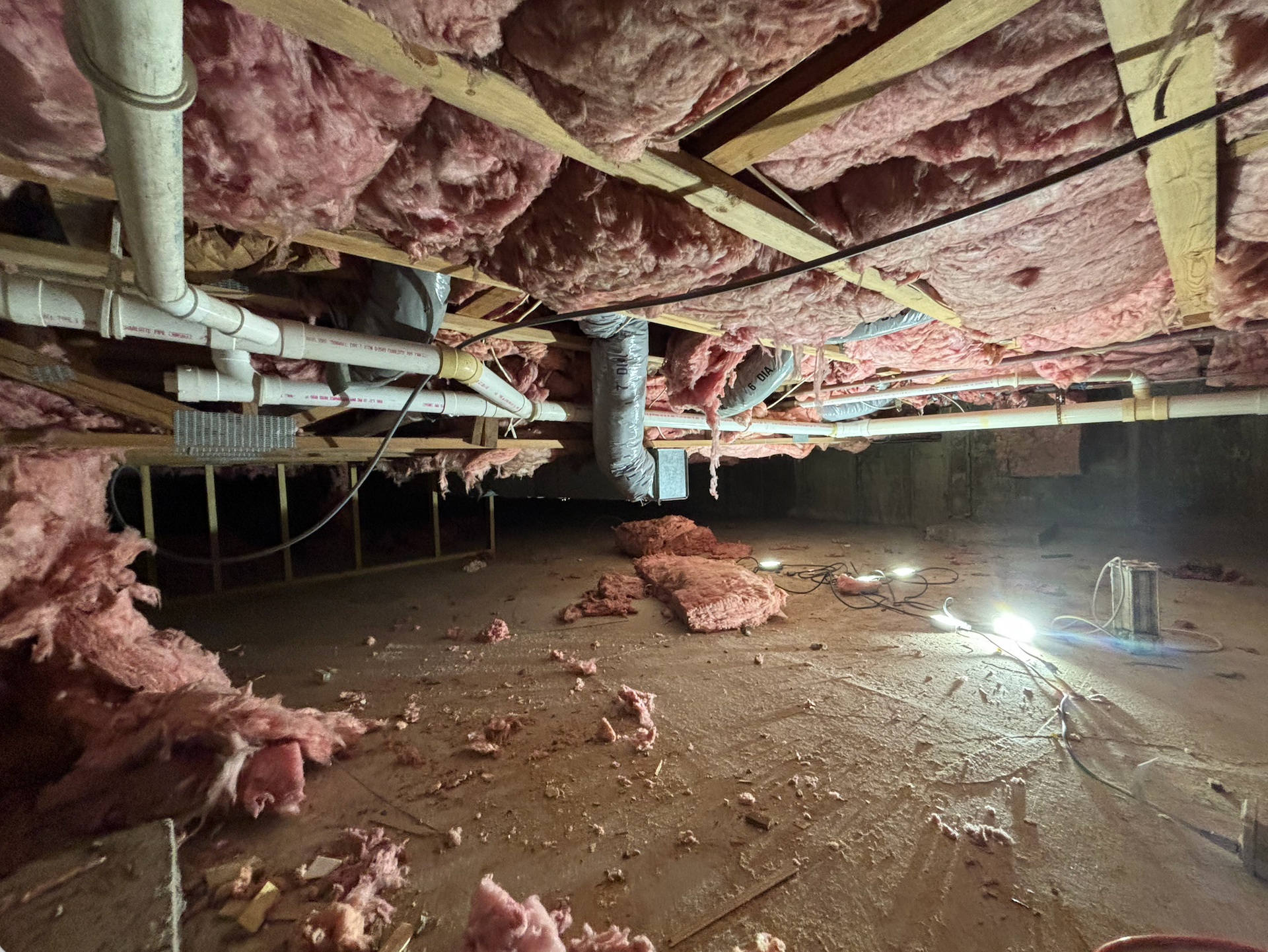
Unfinished basement crawl space with exposed pipes, insulation, and bare concrete
By CT Mold Remediation Specialists August 7, 2026
Crawl space mold is as serious as basement mold, and often worse. Learn why crawl spaces stay humid and where a dehumidifier actually belongs in your home.
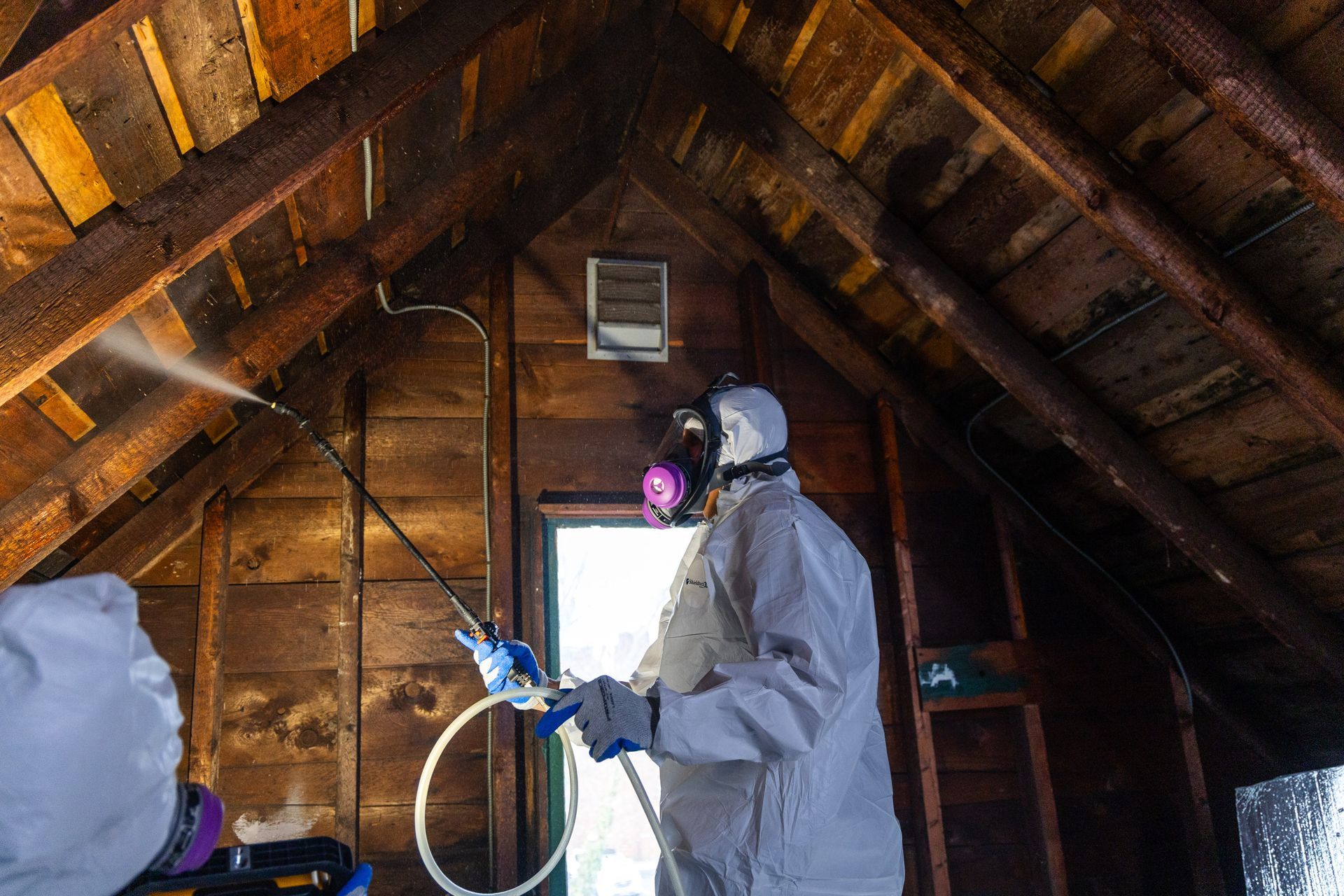
Person in white protective suit spraying the attic rafters with a blue nozzle under exposed wooden beams.
By CT Mold Remediation Specialists August 7, 2026
Can you stay home during mold remediation? Learn how containment and negative pressure work, when leaving makes sense, and what to expect during the process.
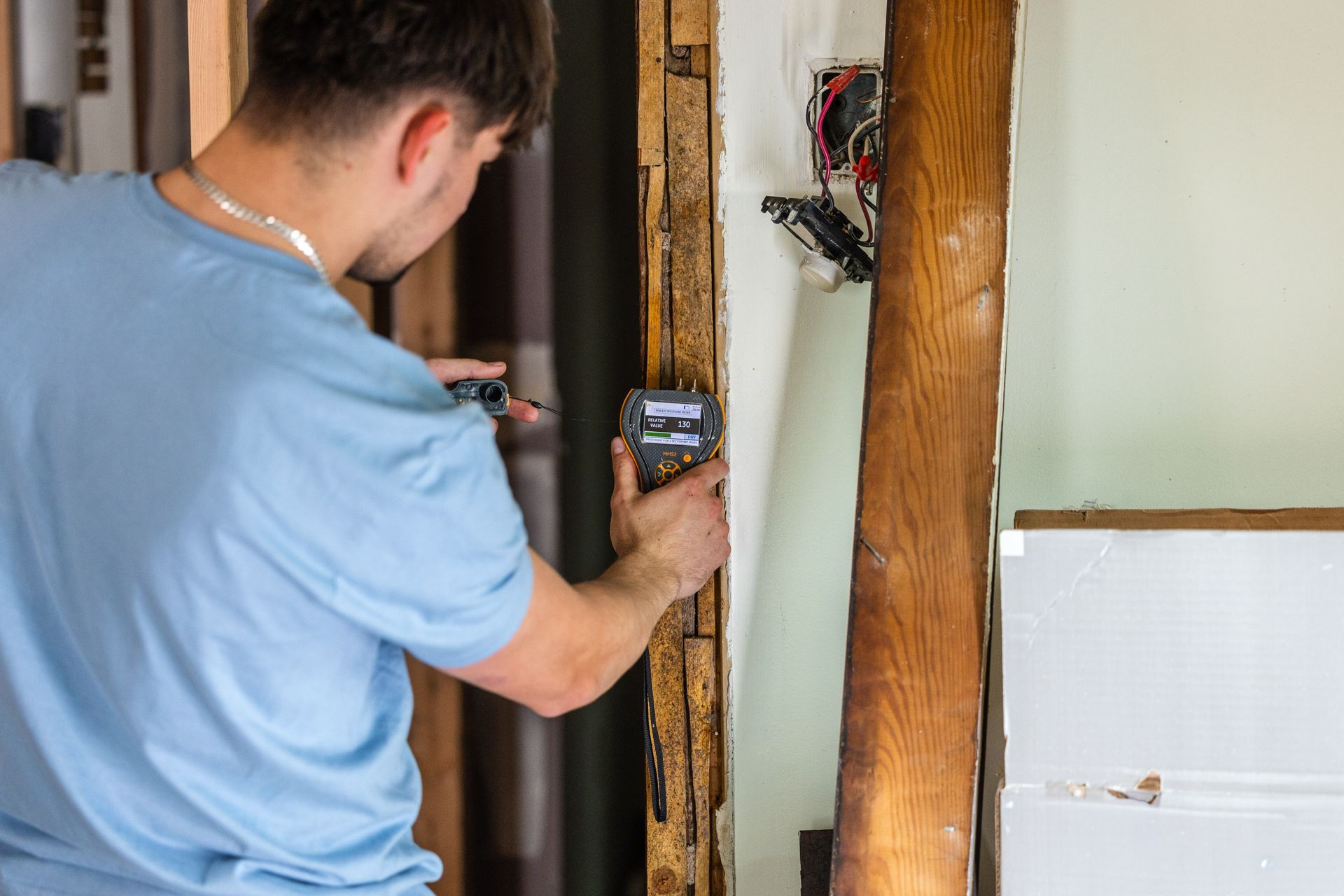
Person using a laser measure on a wooden post indoors
By CT Mold Remediation Specialists August 7, 2026
What do mold test results actually mean? Learn how spore counts are compared to outdoor samples, why season matters, and how accurate air quality testing is.
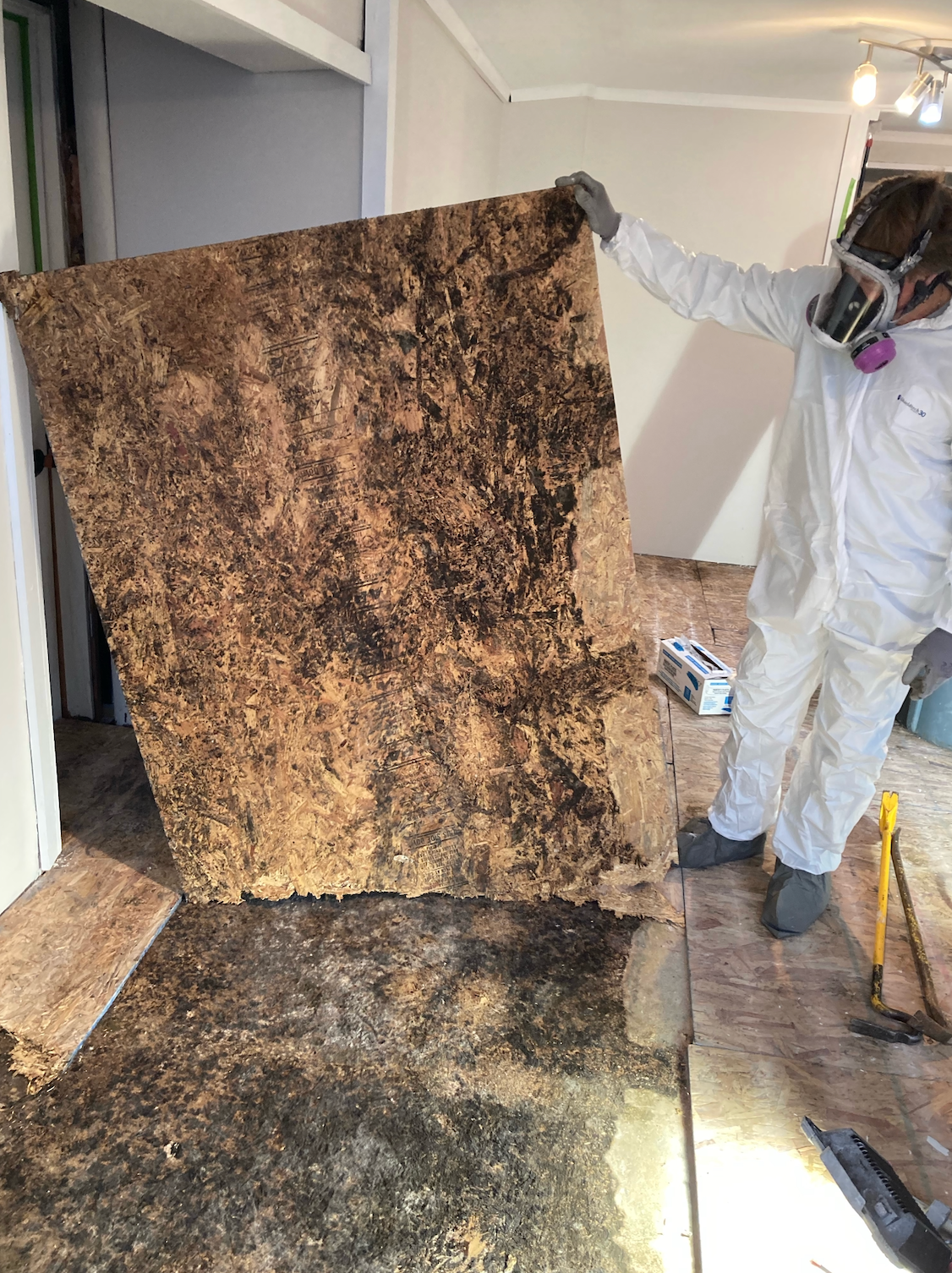
Technician in protective suit removing mold damaged material from a room
By CT Mold Remediation Specialists August 7, 2026
How is black mold identified and removed in Connecticut homes? Learn why testing matters, how containment prevents spread, and why DIY removal backfires.
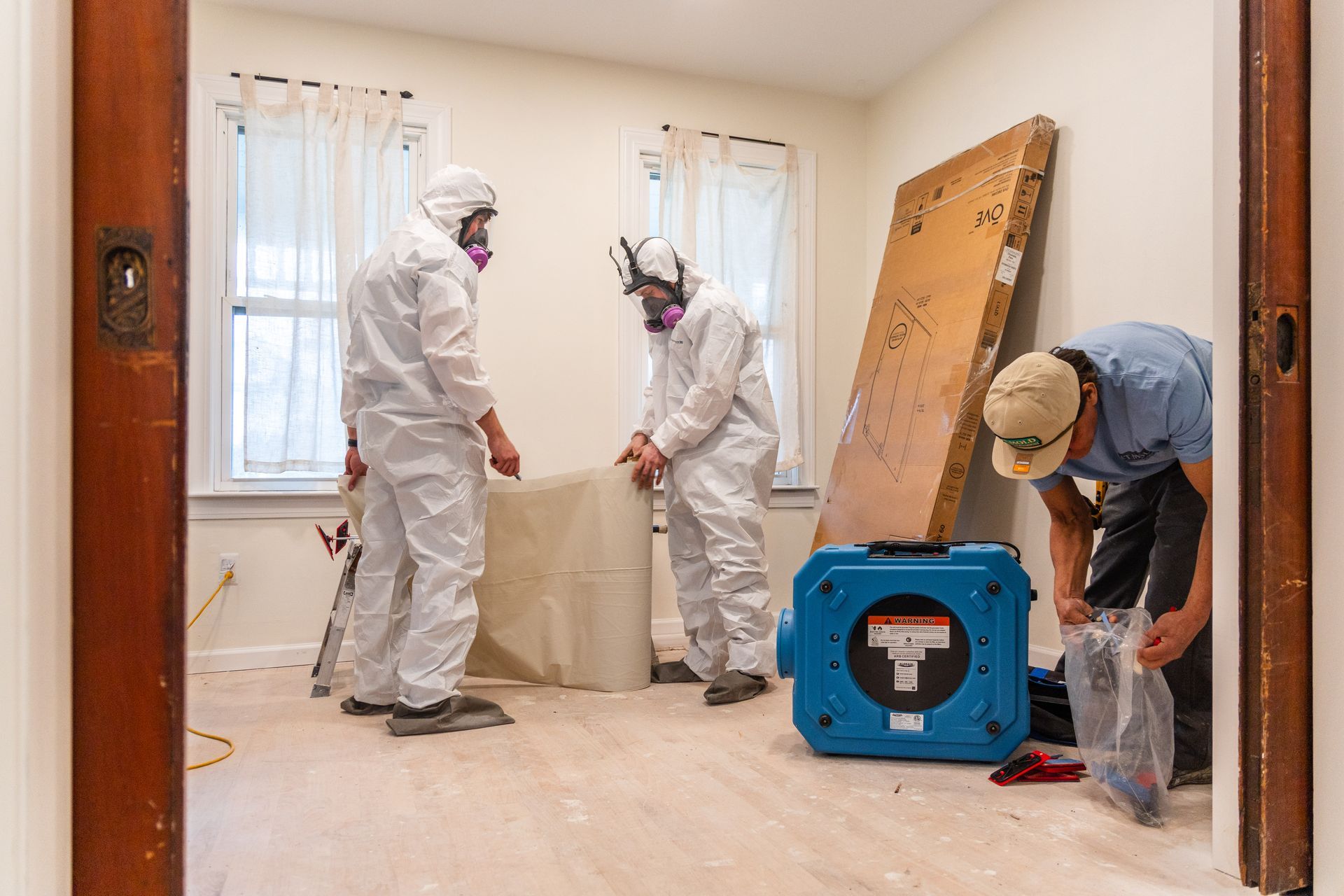
Workers in protective suits clean a room with a dehumidifier and exposed wall paneling after damage.
By CT Mold Remediation Specialists August 7, 2026
Does homeowners insurance cover water damage and mold in Connecticut? Learn the occurrence rule, why hidden leaks cause denials, and how to protect your claim.
Technician unloading inspection and remediation equipment from a service van
By CT Mold Remediation Specialists August 7, 2026
What happens during a water damage inspection in Connecticut? Learn the full process, from thermal imaging and moisture meters to insurance claim guidance.
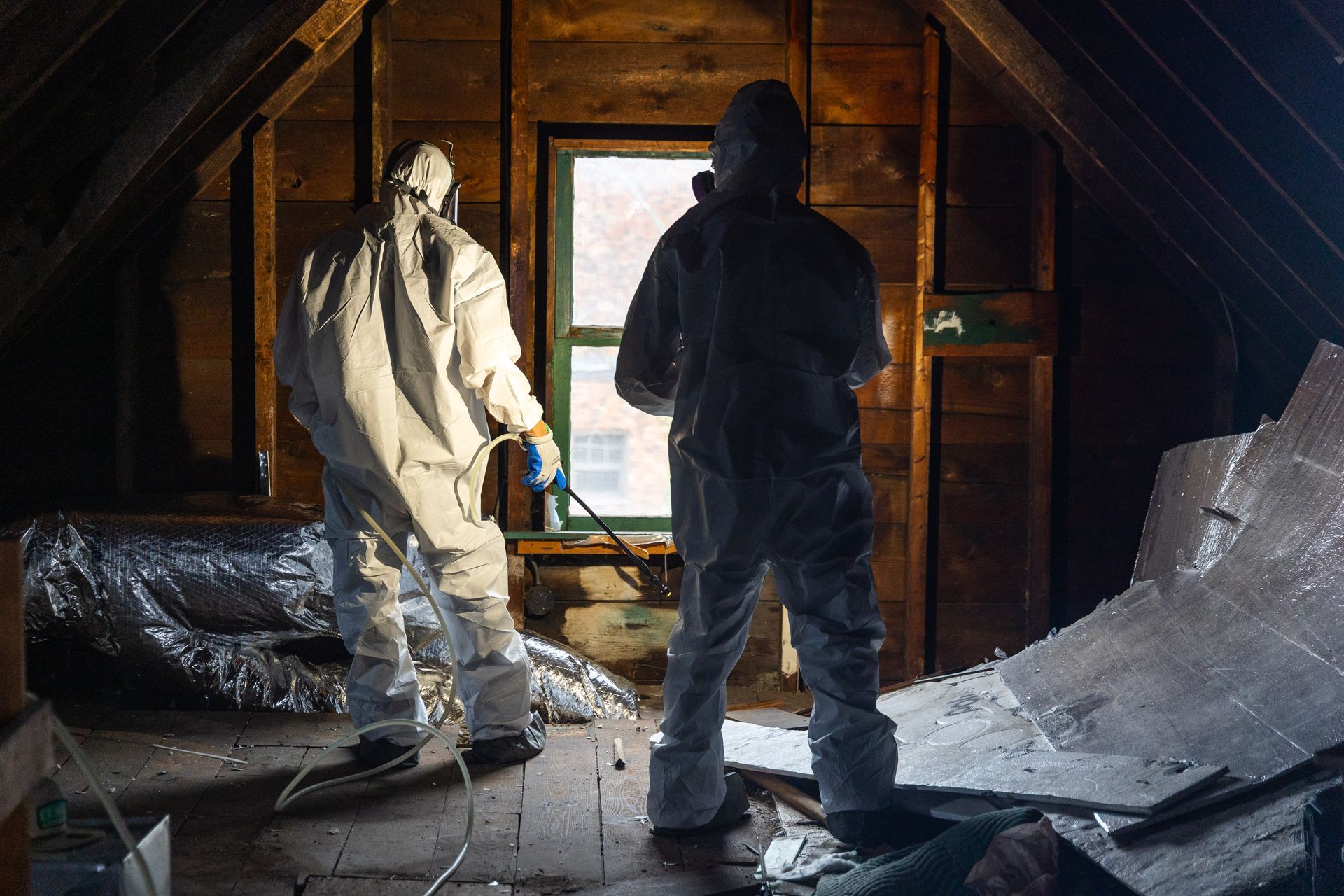
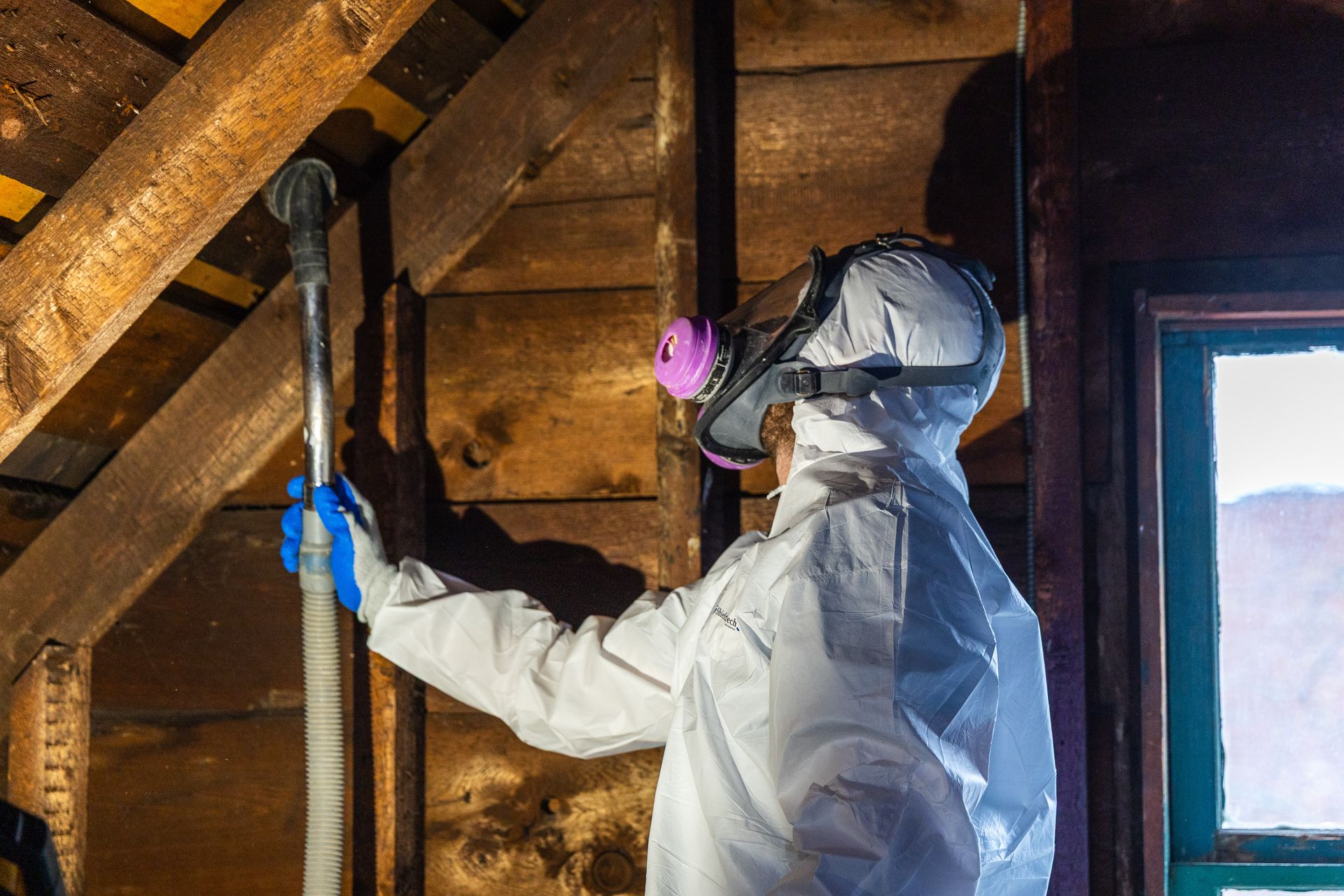
Two people in protective suits inspect a damaged attic with insulation debris and a bright window.
By CT Mold Remediation Specialists August 7, 2026
How do professionals know a house is dry after water damage? Learn how moisture mapping works, drying timelines, and the mistakes that let mold come back.
Open kitchen sink cabinet showing plumbing pipes and water damage on the cabinet floor
By CT Mold Remediation Specialists August 7, 2026
Kitchen mold in Connecticut usually starts with a hidden supply line leak behind cabinets or under the sink. Learn the warning signs and when to call a pro.
Two workers in hazmat suits and respirators cleaning a room with a window and mirror.
By CT Mold Remediation Specialists August 7, 2026
Bathroom ceiling mold in your Connecticut home? Learn how to clean it safely, fix the humidity cause, and know when it's time to call a pro.
Damp stained wall above tile baseboard with water pooling on the floor
By CT Mold Remediation Specialists August 7, 2026
Fixed the leak but worried about mold? Learn why cleanup is a separate step, how to spot hidden growth, and when to call a Connecticut mold pro.

Show More