
Black Mold in Connecticut: How It Is Identified and Removed

August 7, 2026

Black mold is identified by testing, not by appearance alone, though a dark black growth forming in dots or patterns after a water issue is usually black mold. Removal means taking out the material it is growing on, and containing the area before any work begins.

Black Mold in Connecticut: How It Is Identified and Removed

Black mold gets more attention than any other type, and in this case the concern is warranted. It is by far the most toxic type, associated with changes to brain chemistry and broader systemic effects, while humidity driven molds tend to produce allergenic responses such as headaches and fatigue. Understanding how it is identified and why containment matters explains why this is not a project to take on yourself.

Color Is an Indication, Not a Diagnosis

Testing is required to verify what you are dealing with. Color gives a good initial indication: a dark black growth forming in dots or patterns is more likely than not black mold. Other molds that grow in similar conditions appear green or brown. When the growth is black and there has been a water issue, it is usually black mold, though testing confirms it.

Black Mold Follows Water, Not Just Humidity

This distinction matters for how fast it spreads and how far. Water indicator molds, including black mold, spread quickly but only where the water actually is. Once growth reaches a dry area it stops, because there is no fuel to continue. Humidity driven molds behave differently and can cover an entire basement under the right conditions.

The Removal Process

Removal means taking out the material the mold is growing on. Porous materials like drywall have to be removed. Non porous surfaces such as wood, concrete, and steel cannot have the material taken out, so surface cleaning takes care of the growth. Either way, the area is contained before any work begins.

Why Containment Comes First

Undisturbed mold generally stays in place. As soon as it is touched or demolition starts, it spreads quickly through the home. Containment with plastic barriers and negative pressure is what prevents that spread, and it is the primary reason DIY attempts go wrong. A homeowner scraping at a patch of black mold without containment can turn a localized problem into a whole house problem in an afternoon.

Frequently Asked Questions

  • Is black mold always toxic?

    Black mold is by far the most toxic type of mold. It is associated with changes to brain chemistry and broader systemic effects, while humidity driven molds tend to produce allergenic responses such as headaches and fatigue. That difference is why identifying the species through testing matters rather than treating all mold the same.

  • How can I tell if it is really black mold?

    Testing is the only way to verify. Color is a useful first indication, and dark black growth forming in dots or patterns following a water issue is more likely than not black mold. Other molds that grow in similar conditions appear green or brown, so appearance narrows it down without confirming it.

  • How do professionals remove black mold?

    By removing the material the mold is growing on, after containing the area. Porous materials such as drywall must come out. Non porous surfaces like wood, concrete, and steel are surface cleaned instead, since the material itself cannot be removed. Containment with negative pressure happens before any demolition begins.

  • Why is removing black mold yourself risky?

    Because containment is what prevents the spread. Undisturbed mold generally stays where it is, but as soon as it is touched or demolition starts, it spreads quickly. Without plastic barriers and negative pressure, a contained problem in one room can become a problem throughout the home.

  • Does the remediation process differ for black mold versus other mold?

    The process is essentially the same, but the cost usually differs. Black mold typically involves a water source, so material has to be removed, which makes it more expensive. Humidity driven mold is often in an unfinished area already and involves more vacuuming and cleaning, sometimes insulation removal.

When to Call a Professional

Most black mold seen in Connecticut is the basement humidity variety, though water source black mold comes up as well. If you have found dark growth after a water issue, leave it undisturbed and have it assessed. CT Mold Man provides mold inspection, remediation, and air quality testing for homes and businesses across Connecticut.

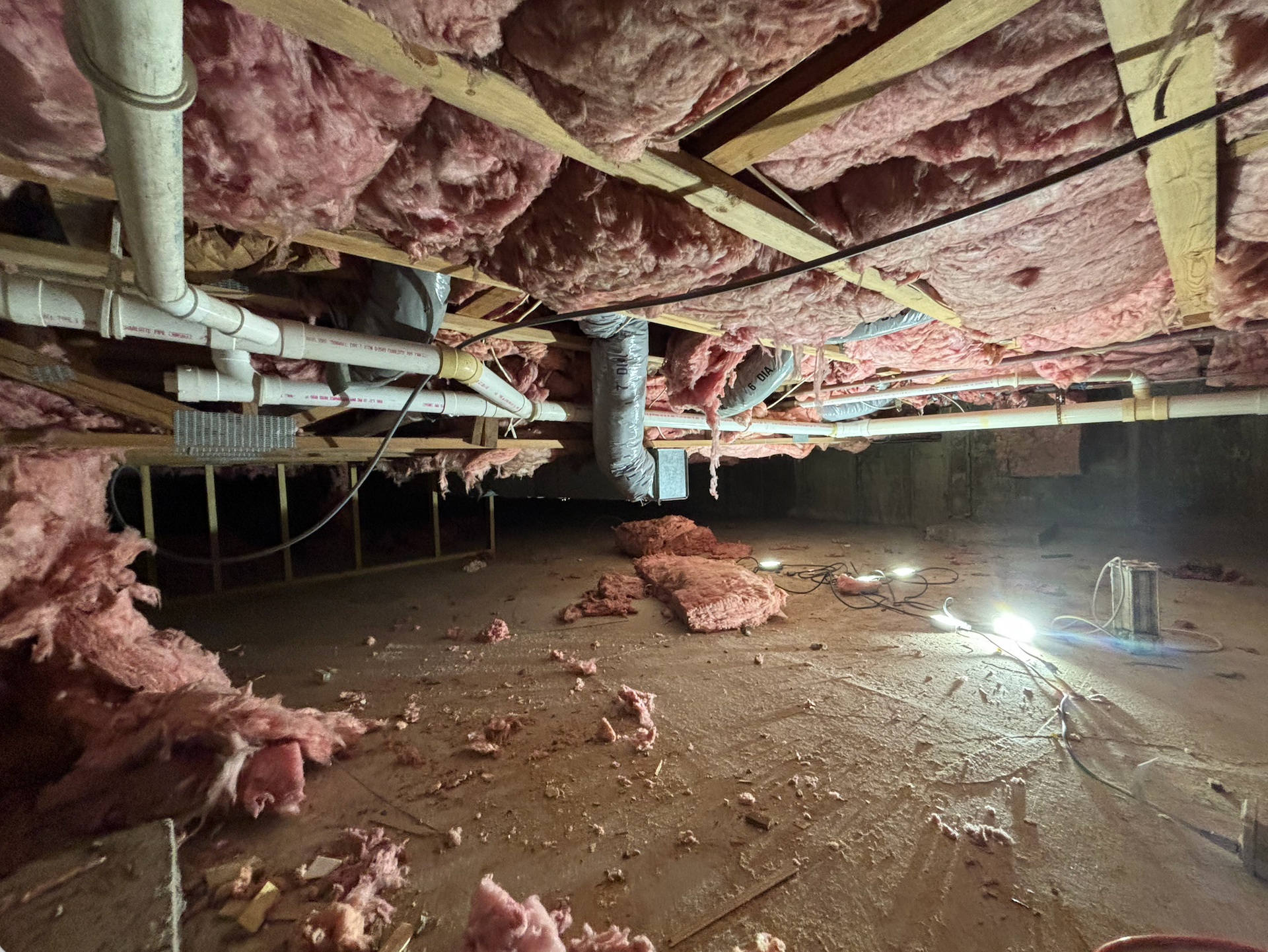
Unfinished basement crawl space with exposed pipes, insulation, and bare concrete
By CT Mold Remediation Specialists August 7, 2026
Crawl space mold is as serious as basement mold, and often worse. Learn why crawl spaces stay humid and where a dehumidifier actually belongs in your home.
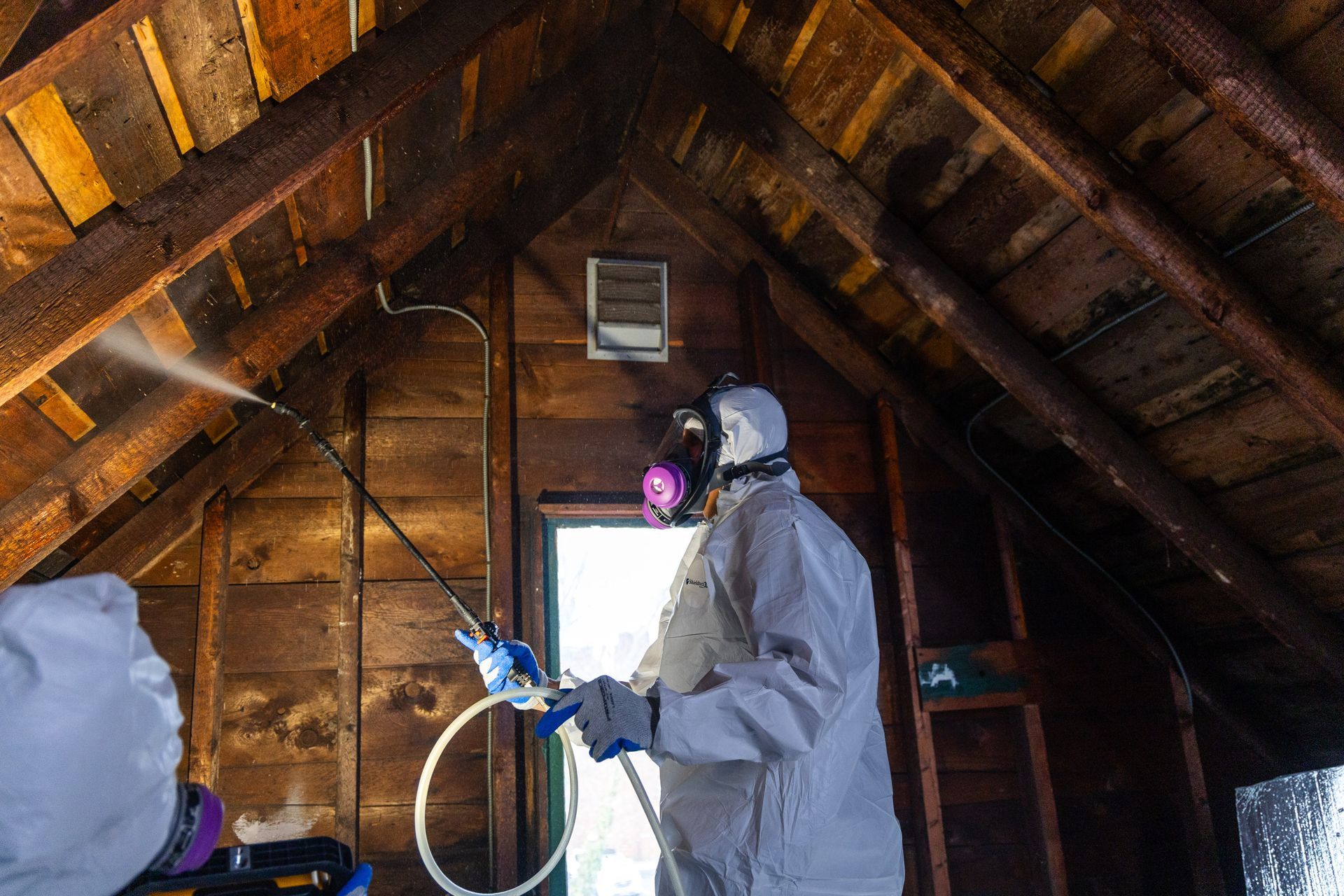
Person in white protective suit spraying the attic rafters with a blue nozzle under exposed wooden beams.
By CT Mold Remediation Specialists August 7, 2026
Can you stay home during mold remediation? Learn how containment and negative pressure work, when leaving makes sense, and what to expect during the process.
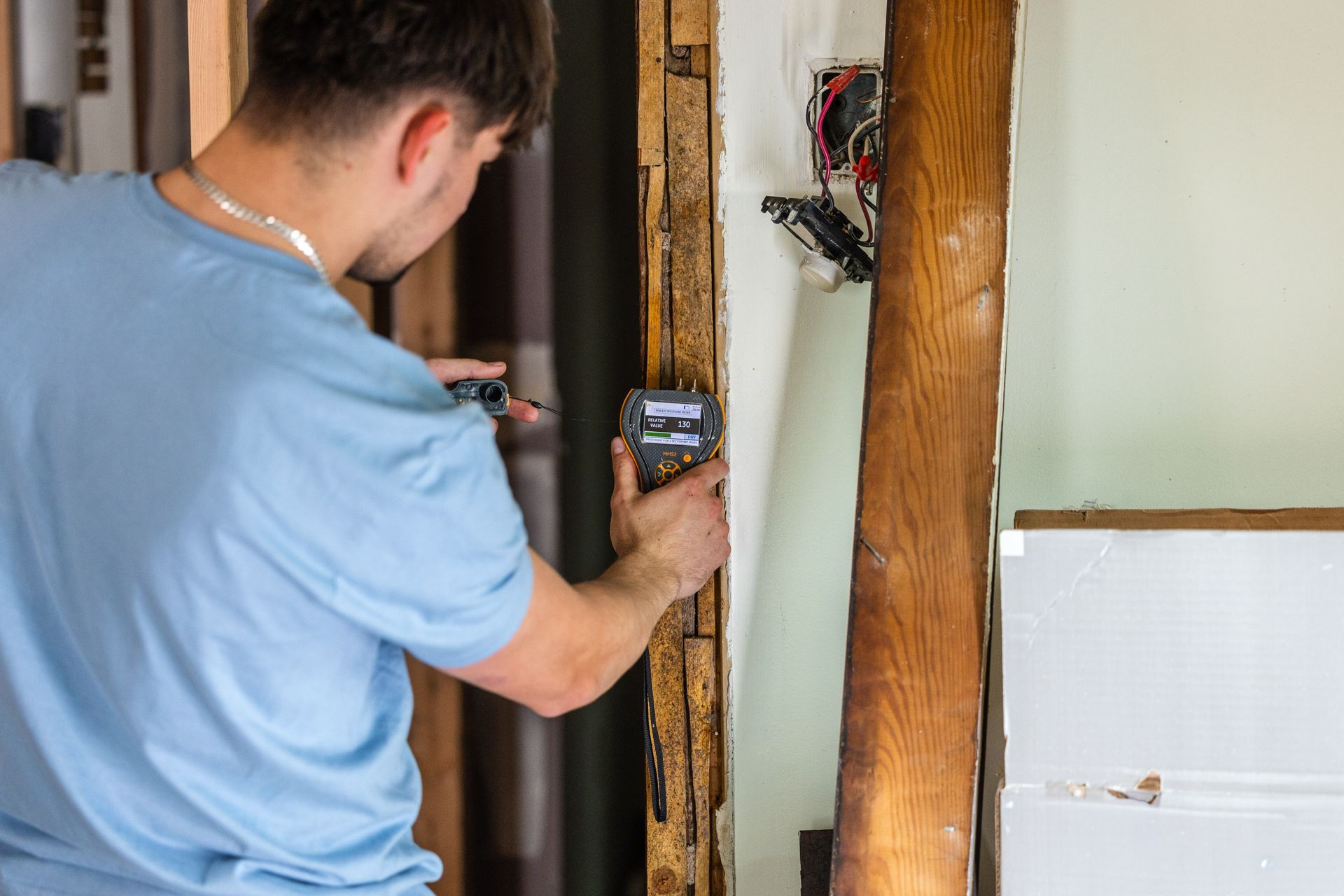
Person using a laser measure on a wooden post indoors
By CT Mold Remediation Specialists August 7, 2026
What do mold test results actually mean? Learn how spore counts are compared to outdoor samples, why season matters, and how accurate air quality testing is.
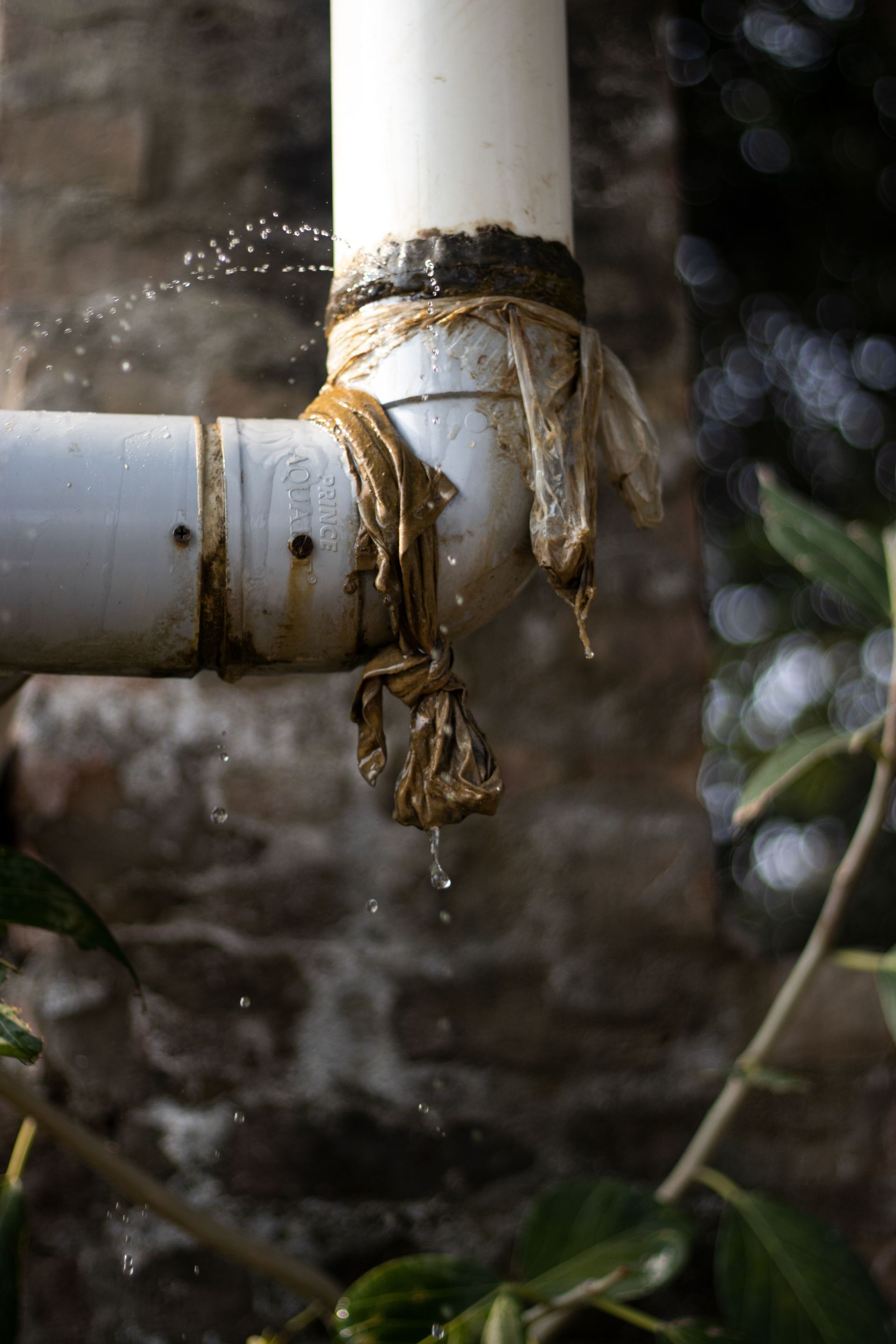
Water pooling on a residential floor near plumbing after a pipe leak
By CT Mold Remediation Specialists August 7, 2026
A pipe burst in your Connecticut home? Learn the exact first steps, why the 24 to 48 hour window matters, and how to prevent mold after water damage.
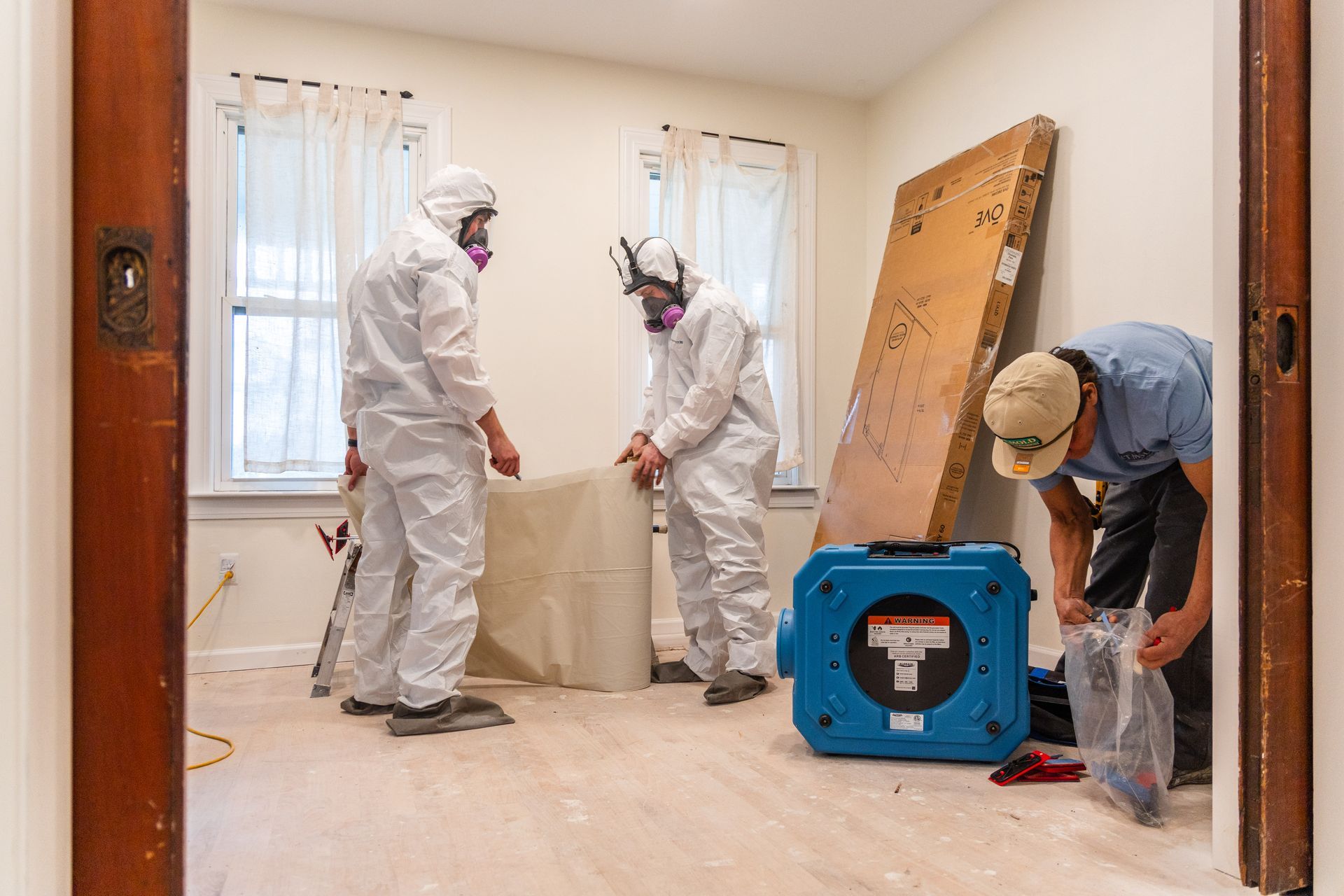
Workers in protective suits clean a room with a dehumidifier and exposed wall paneling after damage.
By CT Mold Remediation Specialists August 7, 2026
Does homeowners insurance cover water damage and mold in Connecticut? Learn the occurrence rule, why hidden leaks cause denials, and how to protect your claim.
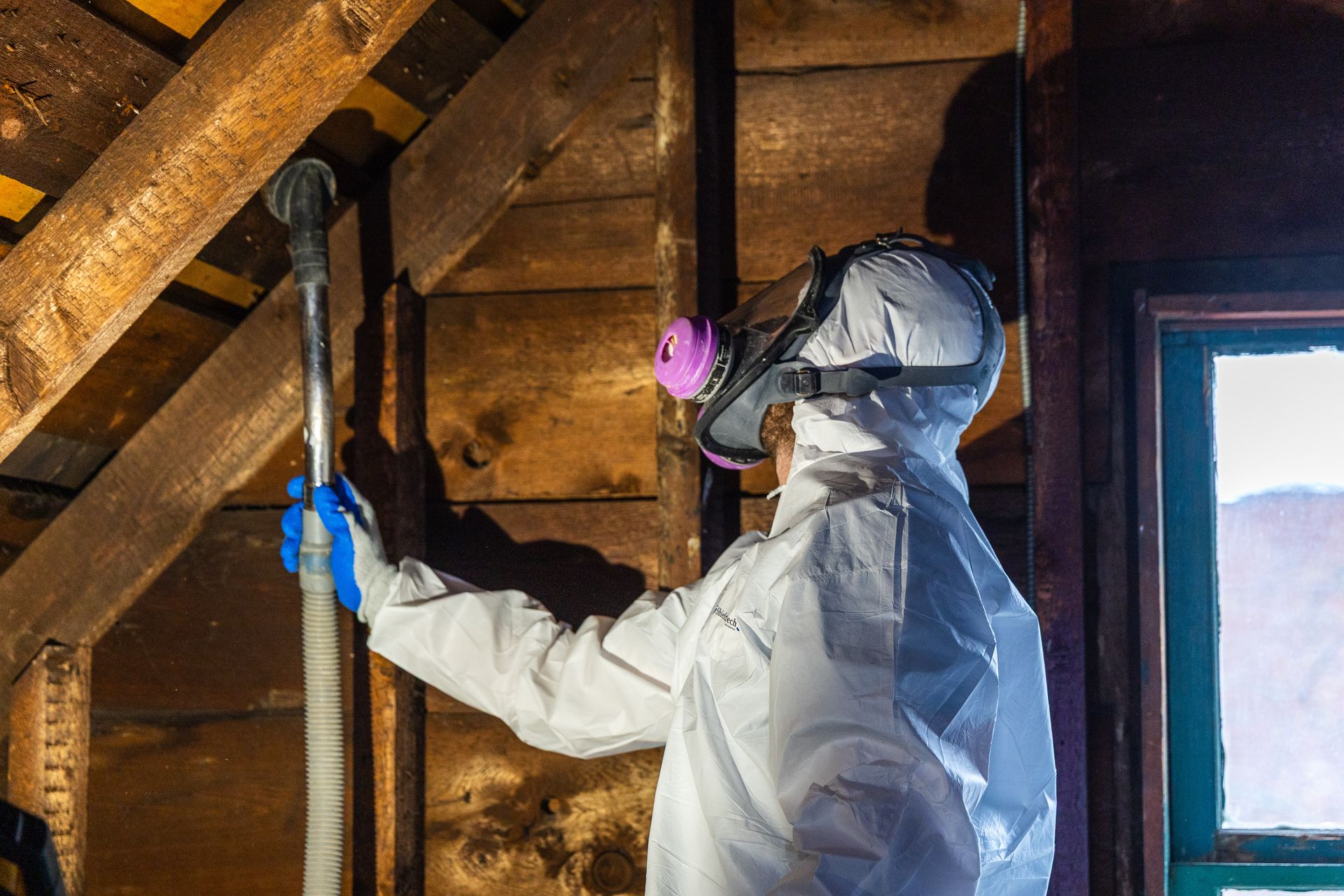
Technician unloading inspection and remediation equipment from a service van
By CT Mold Remediation Specialists August 7, 2026
What happens during a water damage inspection in Connecticut? Learn the full process, from thermal imaging and moisture meters to insurance claim guidance.
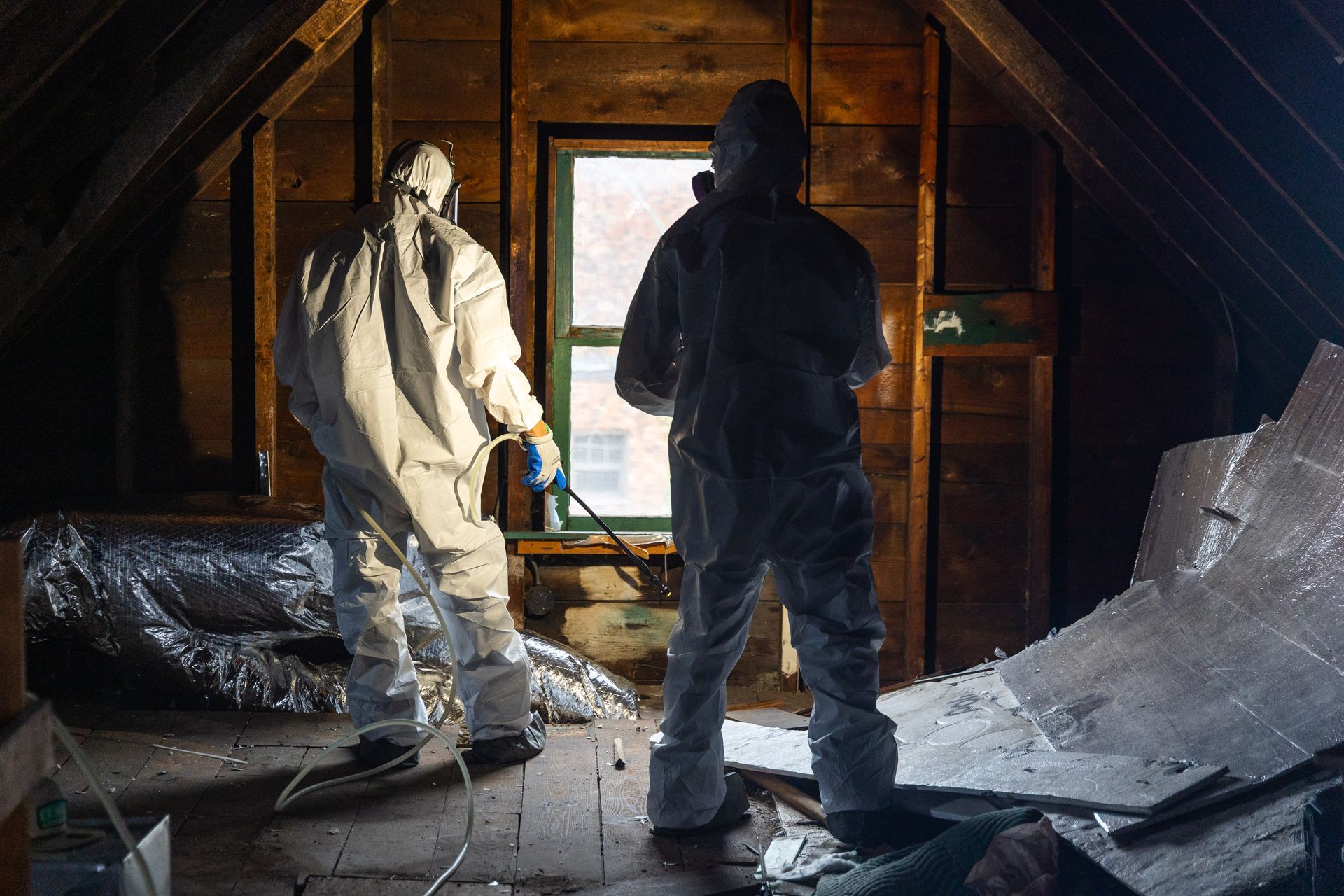
Two people in protective suits inspect a damaged attic with insulation debris and a bright window.
By CT Mold Remediation Specialists August 7, 2026
How do professionals know a house is dry after water damage? Learn how moisture mapping works, drying timelines, and the mistakes that let mold come back.
Open kitchen sink cabinet showing plumbing pipes and water damage on the cabinet floor
By CT Mold Remediation Specialists August 7, 2026
Kitchen mold in Connecticut usually starts with a hidden supply line leak behind cabinets or under the sink. Learn the warning signs and when to call a pro.
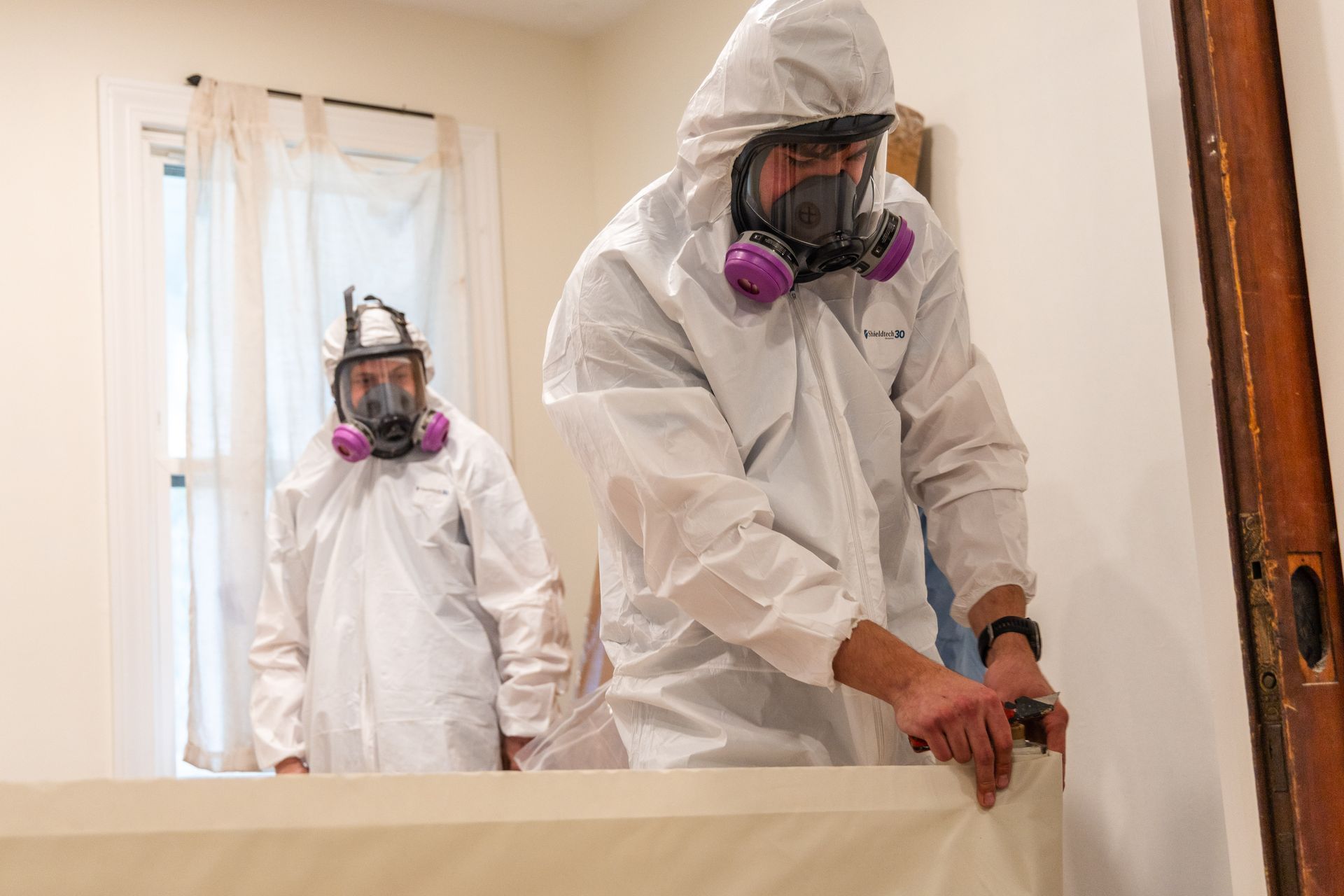
Two workers in hazmat suits and respirators cleaning a room with a window and mirror.
By CT Mold Remediation Specialists August 7, 2026
Bathroom ceiling mold in your Connecticut home? Learn how to clean it safely, fix the humidity cause, and know when it's time to call a pro.
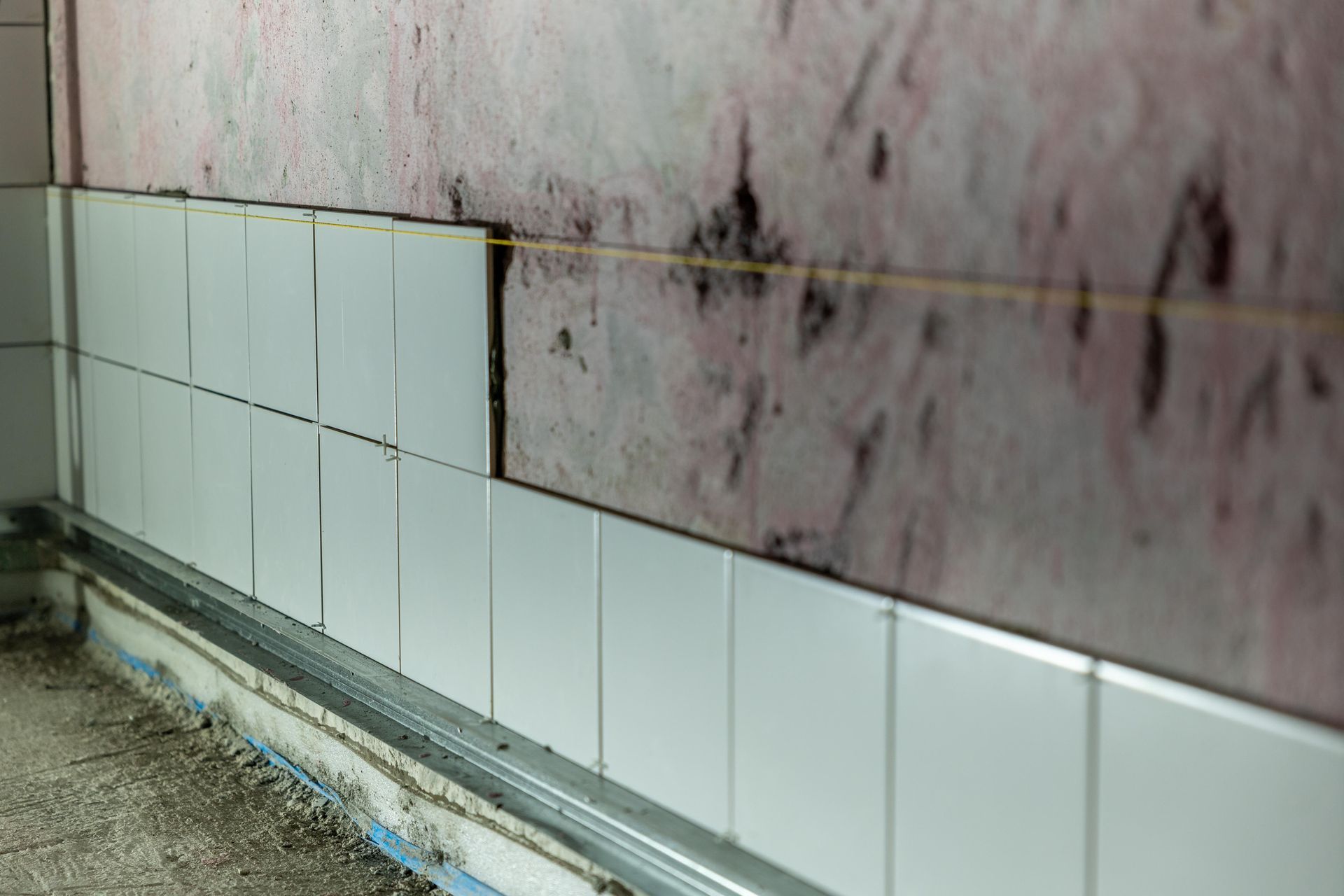
Damp stained wall above tile baseboard with water pooling on the floor
By CT Mold Remediation Specialists August 7, 2026
Fixed the leak but worried about mold? Learn why cleanup is a separate step, how to spot hidden growth, and when to call a Connecticut mold pro.

Show More