Allergies Acting Up at Home? Air Quality Testing Finds Hidden Mold
If your allergies calm down the moment you leave the house and flare right back up when you walk in the door, your home may be trying to tell you something. Sneezing, congestion, itchy eyes, headaches, and fatigue that seem worse indoors are some of the most common reasons Connecticut homeowners call us for help. The frustrating part is that in many of these homes, there is no visible mold anywhere. This guide explains why that happens, how professional air quality testing finds mold you cannot see, and what to do if your test comes back positive.
Why Allergy Symptoms Flare Indoors (Even When You Can't See Mold)
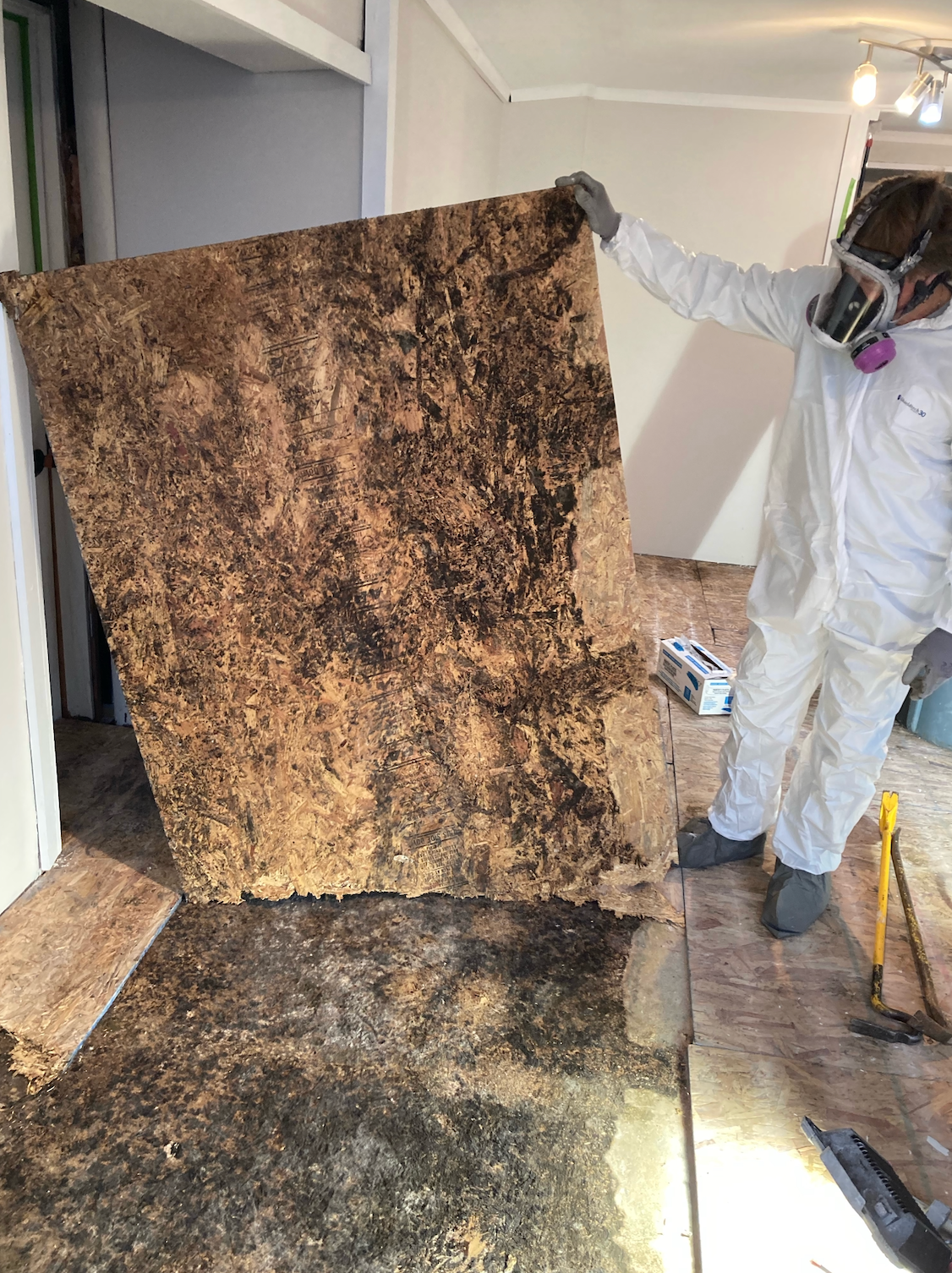
Mold does not need to be visible to affect the air you breathe. As mold grows, it releases microscopic spores that circulate through your home, especially when your HVAC system is running. If the mold is growing behind drywall, under flooring, inside a wall cavity, or in an attic or basement you rarely visit, you may never see it, but you can still breathe it every day.
Common signs that hidden mold may be behind your symptoms include allergy or asthma symptoms that improve when you leave home, a musty smell in certain rooms, symptoms that got worse after a past leak or water event, and one family member reacting more strongly than others. If any of that sounds familiar, our mold symptoms guide walks through the most common signs of hidden mold exposure in more detail.
How Air Quality Testing Finds Hidden Mold
Professional air quality testing measures the concentration and types of mold spores in the air inside your home and compares them to the air outside. Elevated indoor spore counts, or spore types indoors that do not match what is outdoors, are strong evidence that mold is actively growing somewhere inside, even if you cannot see it.
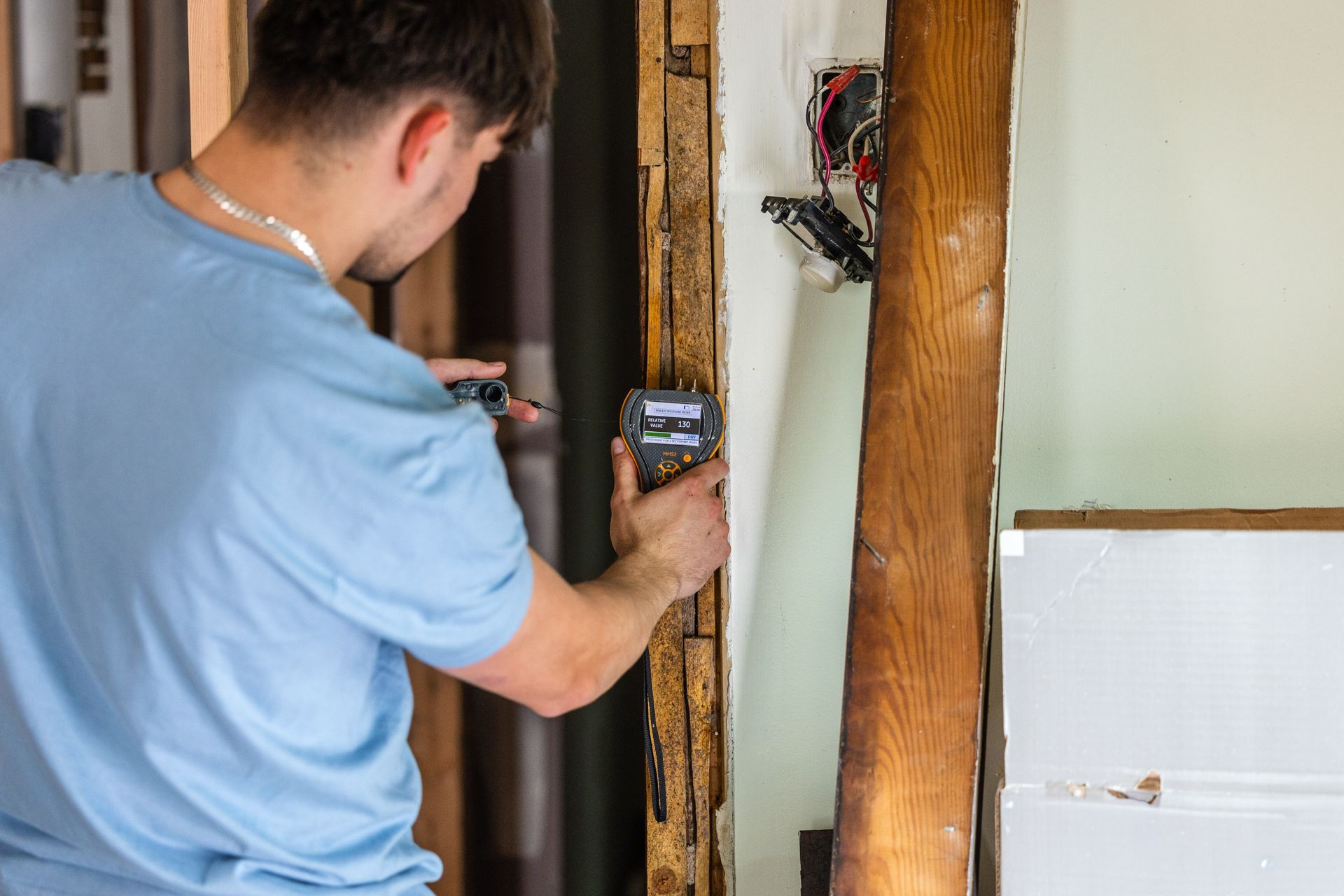
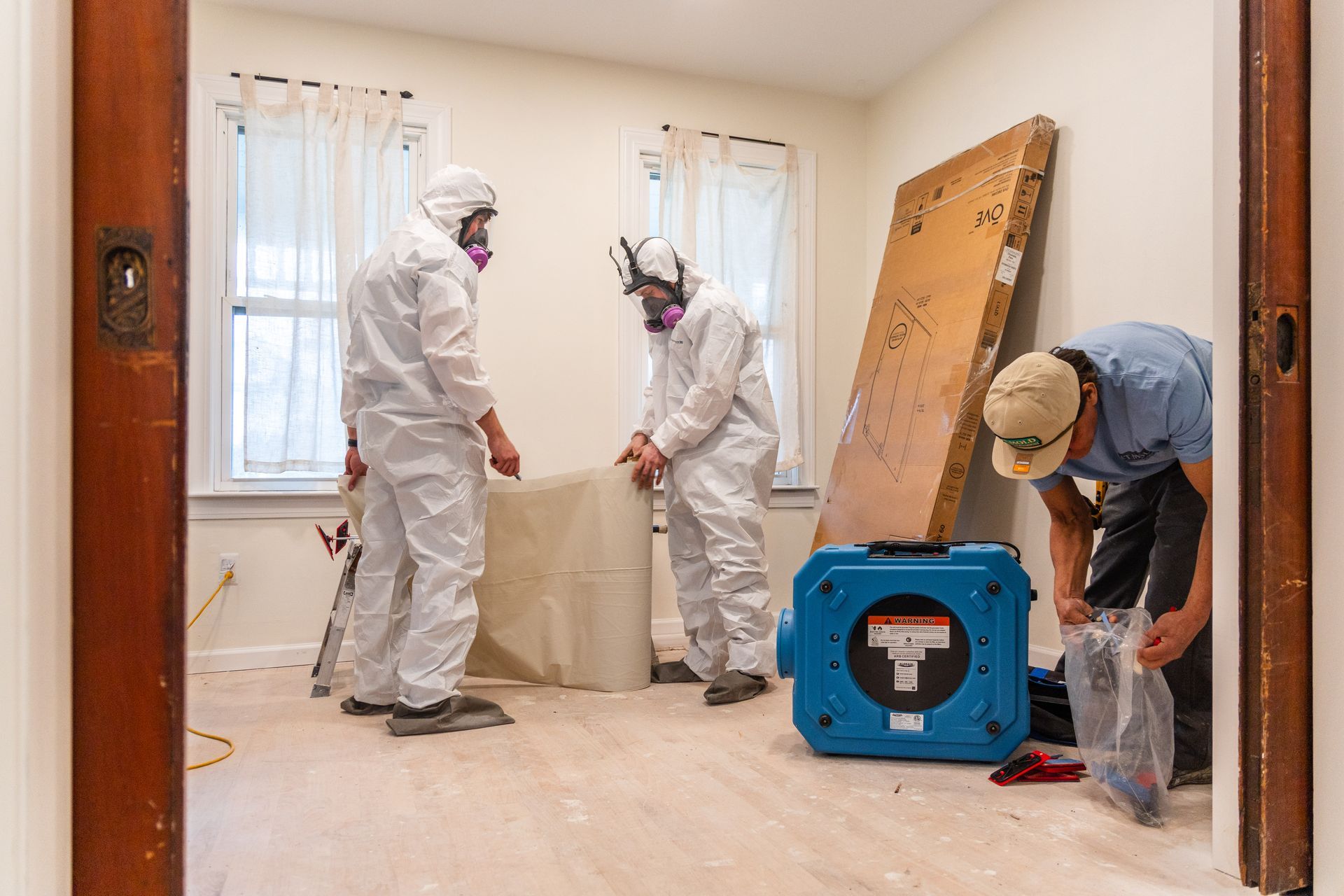
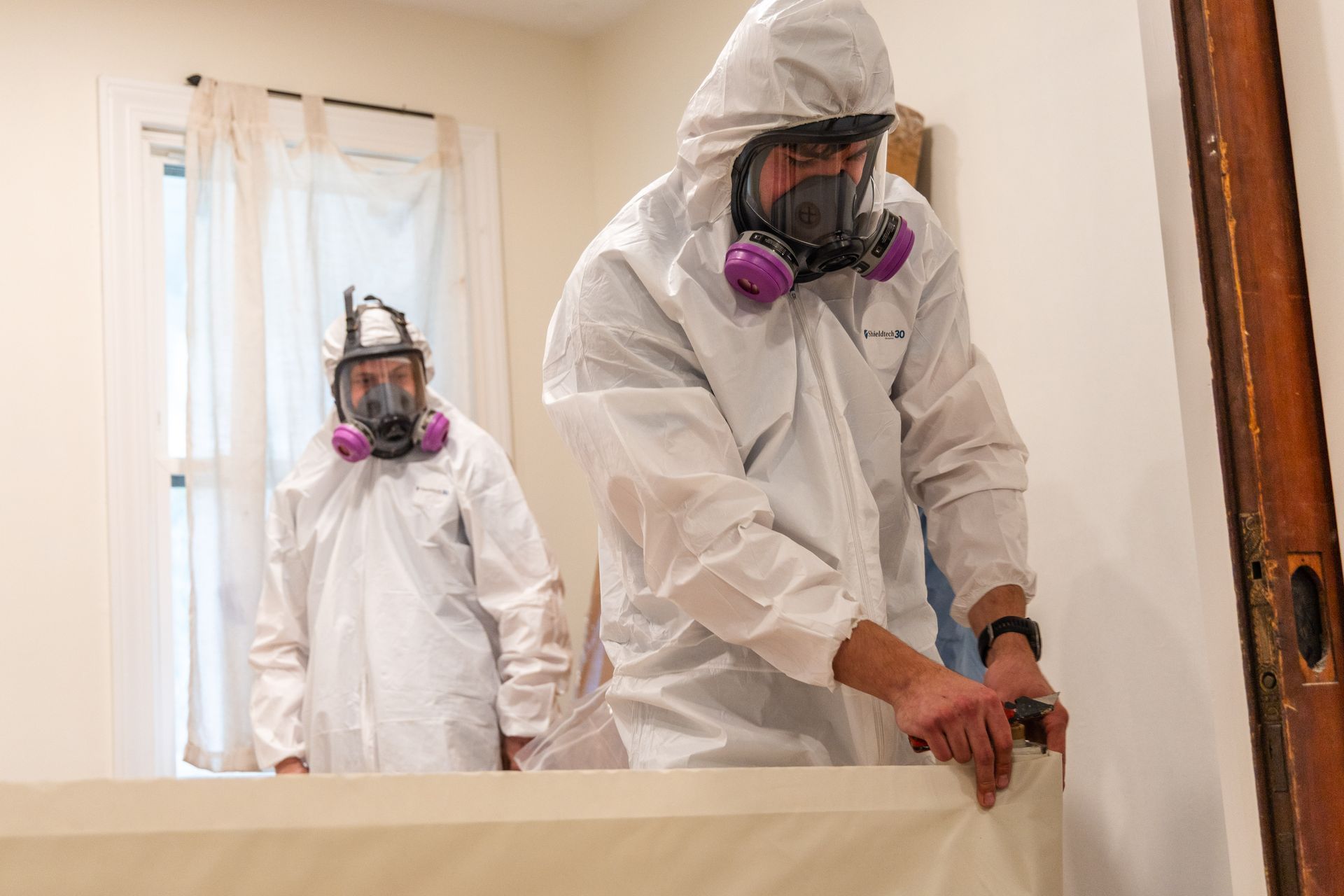
During a testing visit, a certified inspector collects air samples from the rooms where you spend the most time and where symptoms are worst, along with an outdoor control sample. Samples are analyzed by an independent laboratory, so the results are objective. Testing is often paired with a visual inspection and moisture readings to pinpoint where the mold is likely growing, not just confirm that it exists.
Where Hidden Mold Hides in Connecticut Homes
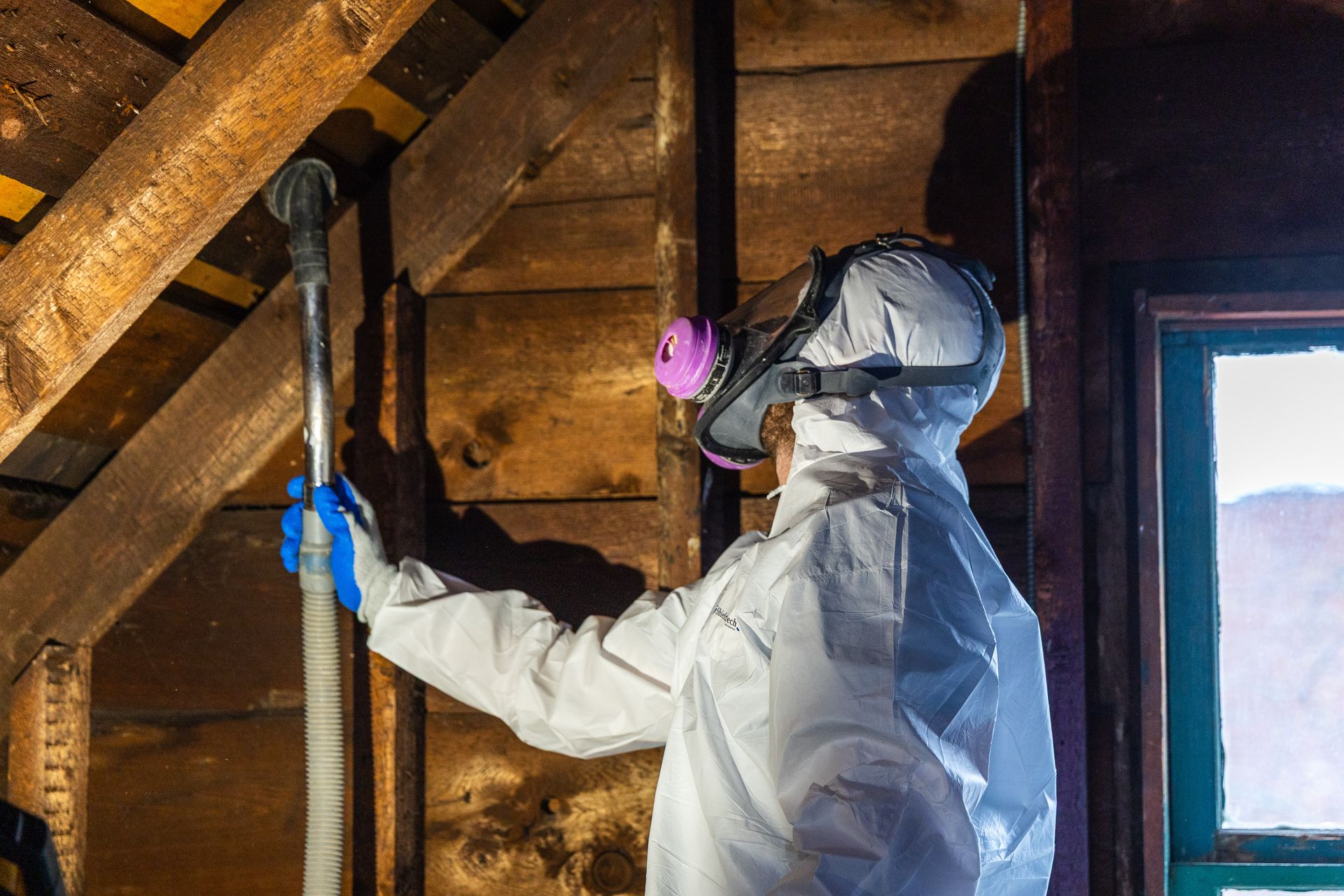
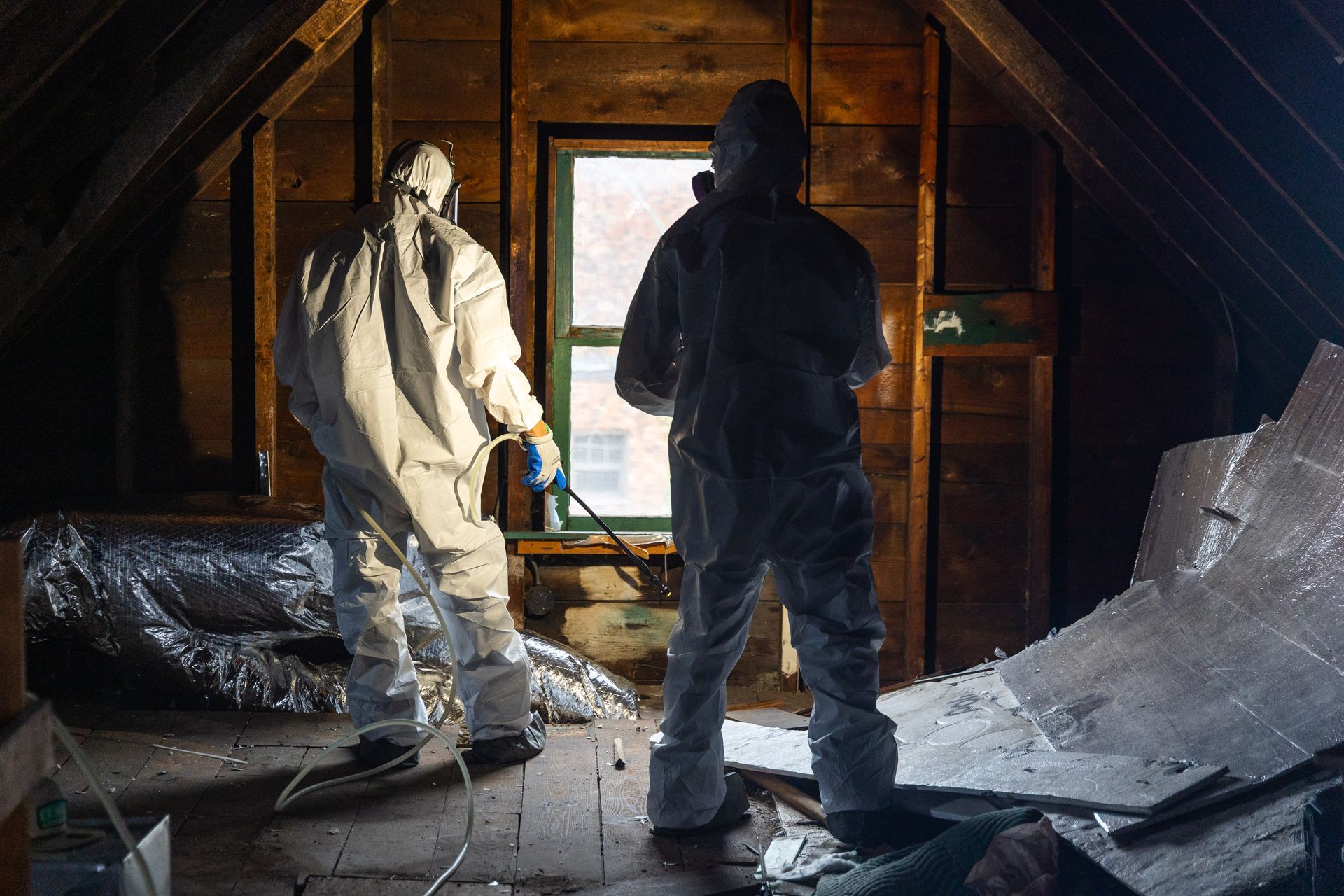
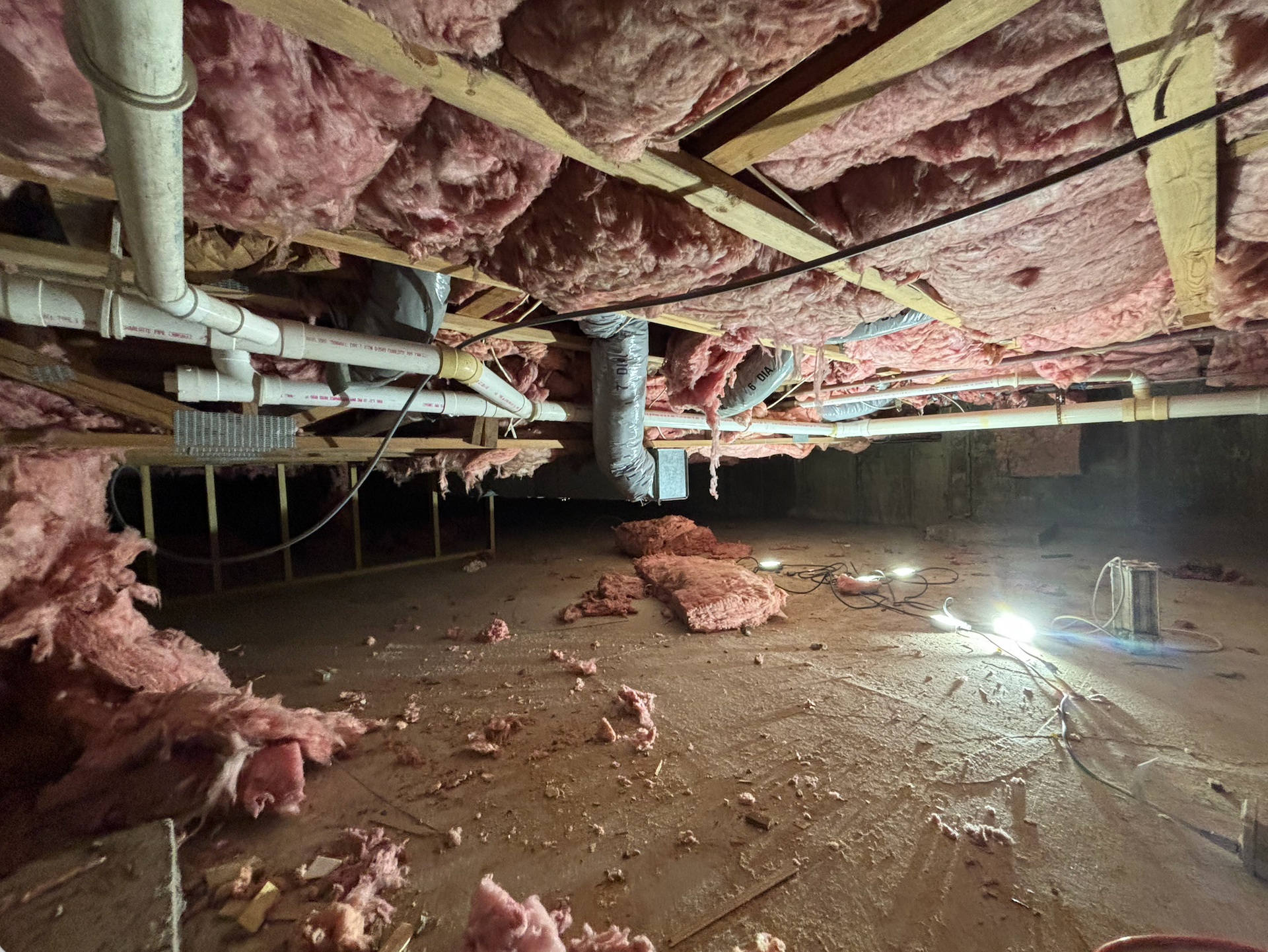
Connecticut's climate makes certain areas of the home especially prone to hidden mold growth. Basements and crawl spaces with seasonal humidity, attics with poor ventilation, wall cavities behind bathrooms and kitchens, and areas around past plumbing or roof leaks are the most common culprits we find in homes across New Haven, Hartford, and the surrounding towns.
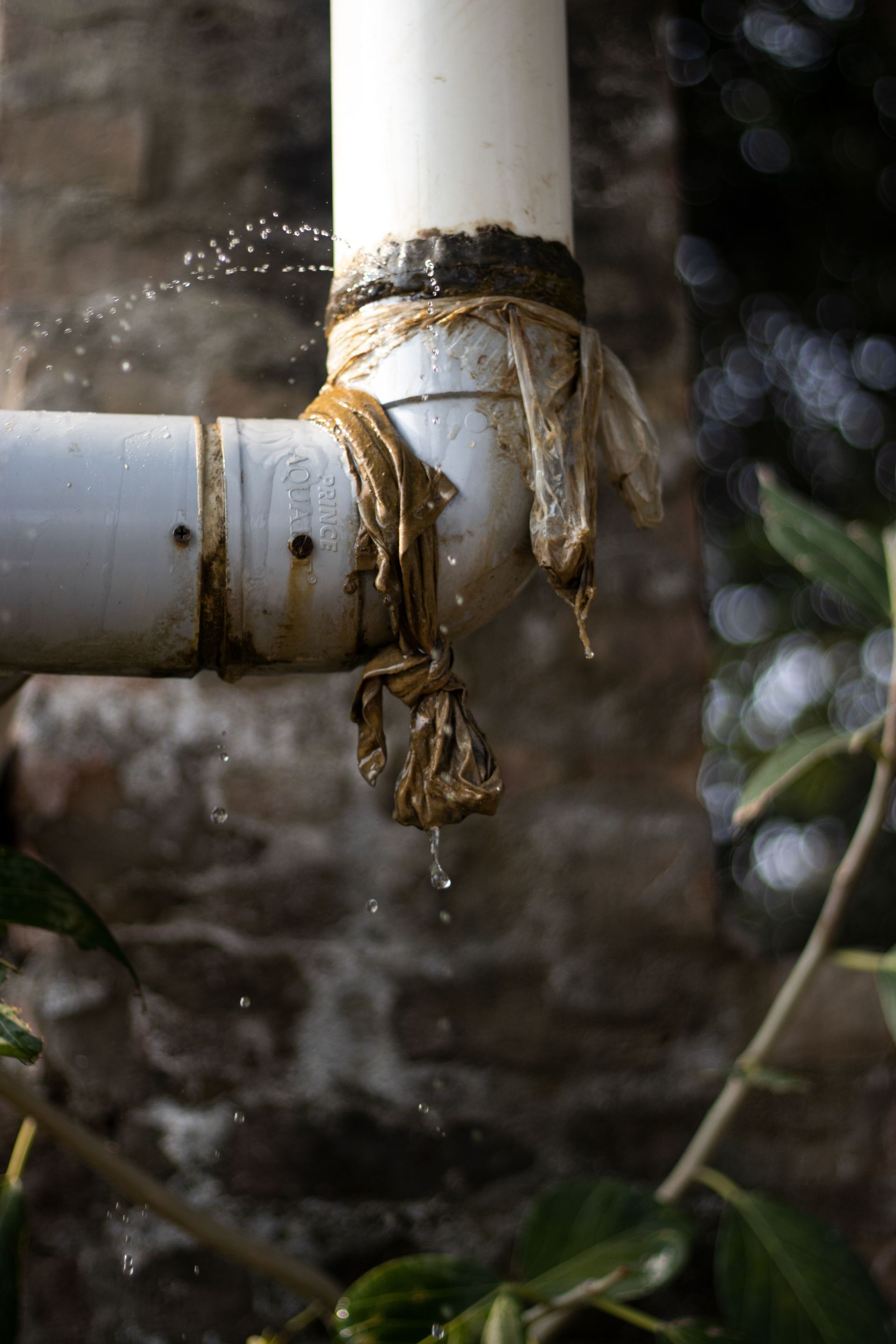
Older homes are not the only ones at risk. Newer, tightly sealed homes can trap humidity indoors, and a single unnoticed leak is enough to start growth inside a wall within days. That is why testing is valuable even if your home looks spotless. If you want to stay ahead of problems, a preventive mold inspection can catch issues before symptoms ever start.
What Happens After Testing
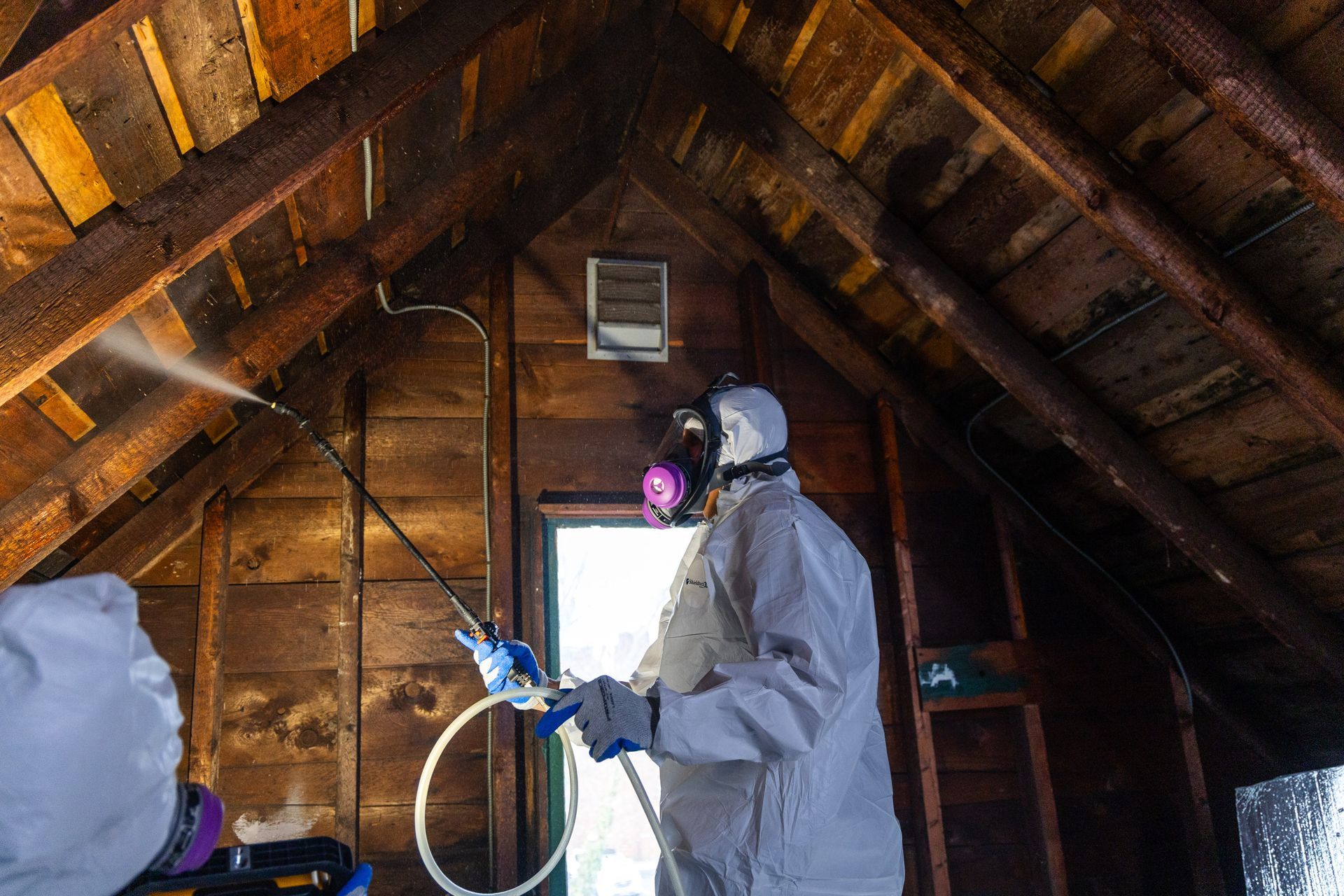
If your results come back elevated, you will know exactly what type of mold is present and roughly how severe the problem is. From there, the next step is locating the source, fixing the moisture issue that is feeding it, and professionally removing the mold so it does not come back. If your results are normal, you get real peace of mind and can look at other causes of your symptoms with your doctor.
Either way, you are no longer guessing. That is the real value of testing: it replaces worry with answers.
frequently asked questions
Can hidden mold cause allergy symptoms?
Yes. Spores from mold behind walls or in HVAC systems circulate through the air and trigger symptoms.
How does air quality testing find mold you can't see?
Air samples capture spores and a lab identifies the types and concentrations, revealing hidden sources.
Why are my allergies worse at home than outside?
Indoor mold, dust, and poor ventilation can concentrate allergens indoors, especially in tightly sealed Connecticut homes.
What happens after air quality testing finds elevated mold?
An inspection pinpoints the source, followed by targeted remediation and retest to confirm clean air.
Is air quality testing worth it if I don't see mold?
Yes, when symptoms persist at home; it's the most reliable way to confirm or rule out hidden mold.
Breathe Easier in Your Connecticut Home
If allergy symptoms keep flaring up at home and you suspect the air is the problem, CT Mold Man can help you find out for sure. We provide professional air quality testing, mold inspection, and remediation for homeowners across Connecticut, with honest answers and lab-verified results. Contact us today to schedule your air quality test and get the answers your family deserves.